Beyond the Hype: How to Choose Deodorant for Your Body Chemistry
Knowing how to choose deodorant that actually works with your unique body chemistry is the foundation of any good grooming routine, yet the personal care aisle remains a confusing maze of conflicting claims and marketing hype. Whether you are battling stubborn midday body odor, dealing with uncomfortable excessive sweating, or trying to soothe irritated, darkened underarms, understanding the underlying biology of your skin is the critical first step to finding a formula that truly performs. We are cutting through the noise, the greenwashing, and the exaggerated promises to help you build a smarter, more effective approach to your daily underarm care.
Quick answer: The most effective way to choose a deodorant is to first determine your primary goal: stopping moisture requires an antiperspirant (containing aluminum), while neutralizing odor requires a deodorant. For the best results, select a format—like a solid stick, roll-on, or acid serum—that aligns with your skin’s sensitivity, sweat levels, and daily lifestyle.
Every effective and long-lasting regimen begins with a solid foundation. Integrating the right odor protection into your complete body care and grooming routine ensures that you stay fresh, comfortable, and confident from your morning shower until you go to bed. Here is everything you actually need to know about the science of sweat.
The Biology of Sweat: Why Do We Actually Smell?
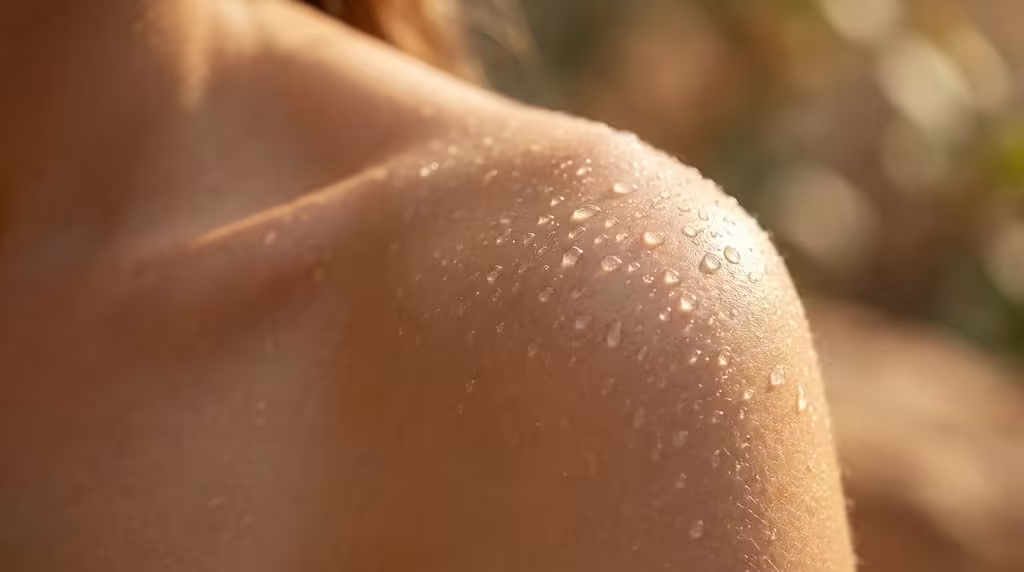
Before you can successfully tackle body odor, it is essential to unlearn a common misconception: sweat itself is entirely odorless. The recognizable scent of body odor is actually created by the microscopic bacteria that naturally live and thrive on your skin’s surface. When you sweat, these bacteria consume the moisture, proteins, and lipids, breaking them down into thioalcohols and fatty acids. It is these chemical byproducts that produce the distinct smell we associate with needing an immediate shower.
To understand how to choose deodorant effectively, you have to understand that the human body features two completely different types of sweat glands, and they produce very different types of sweat.
Eccrine Glands: The Cooling System
Eccrine glands are the most numerous sweat glands on your body, located almost everywhere, from your forehead to the soles of your feet. Their primary biological function is thermoregulation. When your core temperature rises due to a tough workout or a hot summer day, these glands release a lightweight, watery sweat designed to cool you down as it evaporates. Because this sweat is composed of roughly 99% water and a small amount of salt, it is virtually entirely free of the proteins that odor-causing bacteria love to eat. Therefore, eccrine sweat rarely contributes to significant body odor.
Apocrine Glands: The Odor Culprits
Apocrine glands, on the other hand, are concentrated in very specific areas with dense hair follicles, most notably the underarms and the groin. These glands do not typically activate for cooling; instead, they are highly responsive to hormonal fluctuations and emotional stress. They produce a much thicker, milky sweat that is rich in proteins, lipids, and steroids. This nutrient-dense sweat acts as an all-you-can-eat buffet for the specific strains of bacteria (like Corynebacterium and Staphylococcus) that populate your underarms.
This is exactly why “stress sweat” smells noticeably sharper and worse than the sweat you produce during a cardio session. Stress triggers the apocrine glands, delivering a feast to your skin’s microbiome. Managing the output of these specific glands is the core challenge in underarm hygiene.
How to Choose Deodorant vs. Antiperspirant: The Honest Difference
The single most common mistake consumers make in the grooming aisle is using the terms “deodorant” and “antiperspirant” interchangeably. They are not the same thing. They serve two entirely different biological functions, and understanding this distinction is the absolute most important factor when deciding how to choose deodorant products that will actually meet your specific needs.
According to the strict FDA guidelines on antiperspirants and deodorants, they are classified and regulated differently based on their specific physiological effects on the human body. Antiperspirants are considered over-the-counter (OTC) drugs because they alter a bodily function, while deodorants are classified strictly as cosmetics.
The Mechanics of Antiperspirants
Antiperspirants are engineered to do exactly what their name implies: stop you from perspiring. They utilize specific active ingredients, predominantly varying types of aluminum salts (such as aluminum chloride, aluminum zirconium, or aluminum chlorohydrate). When applied, these salts dissolve in the natural moisture on your skin’s surface. As they dissolve, they undergo a chemical reaction that forms a temporary, shallow, gel-like plug near the top of your sweat glands. This plug acts as a physical barricade, significantly reducing the volume of moisture that can reach the surface of your skin.
If your primary, overarching concern is preventing wet patches on your clothing, or if you suffer from heavy, uncomfortable perspiration, an antiperspirant is undeniably your best option. For those dealing with clinically excessive sweating, extensive resources and dermatological guidance from organizations like the International Hyperhidrosis Society heavily recommend clinical-strength antiperspirants. These advanced formulas contain higher concentrations of aluminum chloride and are strictly applied at night for maximum, long-lasting efficacy.
How Deodorants Actually Work
Deodorants do absolutely nothing to stop you from sweating; their sole, dedicated purpose is to neutralize odor. They achieve this by utilizing an array of antibacterial and antimicrobial ingredients to significantly reduce the active population of odor-causing bacteria on your skin. By starving or killing the bacteria, the sweat remains odorless. Additionally, deodorants often contain carefully formulated fragrances to mask any residual scent, along with absorbent powders (like arrowroot, tapioca, or charcoal) to help manage very light, superficial moisture.
If you do not mind feeling slightly damp during a workout or a remarkably hot day, but you want absolute assurance that you smell fresh and clean, a standalone, high-quality deodorant is the right choice. Many people find that pairing the best deodorant for body odor with a meticulous, well-structured honest bath and shower routine is more than enough to handle daily bodily fluctuations without needing to block sweat production entirely.
How to Choose Deodorant Ingredients That Work
Turning over a beautifully packaged product to read the dense, chemical ingredient list can be an incredibly daunting experience. However, every single ingredient in a high-quality formulation serves a specific, necessary purpose—from adjusting the pH of your skin’s acid mantle to providing a smooth, non-dragging glide. Here is a comprehensive breakdown of the most common ingredients you will encounter in the personal care aisle, and what they actually do for your body.
| Ingredient | Primary Function | Pros | Cons |
|---|---|---|---|
| Aluminum Zirconium | Sweat blocker (Antiperspirant) | Highly effective at stopping wetness; gentle on skin. | Can cause stubborn yellow stains on white shirts. |
| Baking Soda (Sodium Bicarbonate) | Alkaline odor neutralizer | Exceptionally powerful at neutralizing acidic sweat odors. | Can cause severe irritation, burning, or dark rashes on sensitive skin. |
| Magnesium Hydroxide | Gentle odor neutralizer | Respects the skin barrier; actively reduces bacterial growth. | Slightly less powerful than baking soda for extreme, heavy odor. |
| Arrowroot & Tapioca Powder | Moisture absorber | Provides a natural, silky feel that absorbs light daily wetness. | Does not stop sweat production entirely like aluminum. |
| AHAs (Mandelic/Glycolic Acid) | pH adjuster & gentle exfoliator | Lowers skin pH to create a hostile environment for bacteria. | Can sting sharply if applied immediately after shaving. |
| Prebiotics & Probiotics | Microbiome balancers | Encourages the growth of “good” odorless bacteria. | Can take several weeks of consistent use to see full benefits. |
Understanding exactly what these ingredients do is the key to troubleshooting past product failures. For an even deeper dive into cosmetic chemistry and how to read labels, explore our extensive guide where beauty ingredients are explained in full detail.
For example, if you have enthusiastically tried an aluminum-free deodorant before and quickly developed a painful, red, peeling rash, you were almost certainly reacting to a high concentration of baking soda. Baking soda has a highly alkaline pH, which violently disrupts the naturally acidic pH of your delicate underarm skin. Switching to a soothing magnesium-based or acid-based formula can provide the rigorous odor protection you desperately need without compromising or destroying your skin barrier.

The Natural Deodorant Transition: Surviving the Purge
One of the most highly debated, heavily marketed topics in personal care right now is the transition from traditional aluminum-based antiperspirants to natural, aluminum-free options. Countless marketing campaigns affectionately refer to this process as an “underarm detox,” suggesting your body is physically expelling years of harmful trapped toxins. In reality, the biological science is much less dramatic, but the physical adjustment period—often called “the purge”—is very real and very frustrating.
Week 1: The Floodgates Open
When you abruptly stop using aluminum, the temporary gel plugs in your sweat glands finally dissolve, and natural moisture returns to your underarms in full force. Simultaneously, the established microbiome of your underarm—the specific community of bacteria living there—undergoes a massive, rapid shift. Because aluminum acts as a mild antimicrobial agent, removing it entirely allows different, often much more pungent bacteria to briefly flourish and multiply unchecked. During this first week, you will feel significantly wetter and notice a sharper, more intense body odor than usual.
Week 2-3: The Bacterial Battle
This is the hardest phase of the natural deodorant transition. Your body is desperately trying to regulate its sweat production, and the odor-causing bacteria are fighting for dominance. You might experience fluctuating days of heavy odor followed by days of normalcy. To survive this phase without giving up, wash your underarms thoroughly with a gentle, low-pH cleanser. Consider using a clarifying clay mask on your armpits once a week to draw out impurities, or swipe a chemical exfoliant like a salicylic acid toner over the area to keep the pores entirely clear of dead skin buildup.
Week 4: Stabilization and Balance
By the fourth week, your underarm microbiome typically stabilizes into its new normal. Your body perfectly regulates its apocrine sweat production, and the intense, sharp odor of the transition phase fades away completely. You will still sweat—that is the point of an aluminum-free product—but the intense odor will be gone. Incorporating these clarifying steps into your men’s grooming routine or daily hygiene practices can effectively cut the awkward transition phase in half.
How to Choose Deodorant Formulations and Formats
When learning how to choose deodorant, the physical delivery mechanism is just as crucially important as the active ingredients inside it. The specific format you select directly determines how the product dries down, how it interacts with the fabric of your clothing, and how comfortable it feels on your delicate skin throughout a busy, active day.
Solid Sticks and Invisible Solids
Solid sticks are the most overwhelmingly popular format globally, utilizing waxes, silicones, and plant butters to deliver active ingredients in a smooth, dry glide. They are incredibly convenient, perfectly travel-friendly, and dry almost instantly upon application. Invisible solids are specifically formulated with microscopic particles to prevent white, chalky transfer onto dark clothing. This format is ideal for people who hate the feeling of wetness under their arms. However, heavy, repeated application of waxy sticks can lead to stubborn buildup on both your skin and the armpits of your t-shirts over time.
Roll-Ons and Liquid Formulas
Roll-ons use a rotating plastic ball to dispense a thin liquid or gel formula directly onto the skin. Because they are primarily water- or alcohol-based, they often provide a refreshing, immediate cooling sensation upon application. They also tend to leave absolutely zero white residue on clothing, making them a holy grail favorite for those who frequently wear black. The main drawback is the drying time; you must wait a minute or two before getting dressed to prevent the liquid from wiping off onto your garments.
AHA/BHA Acid Serums
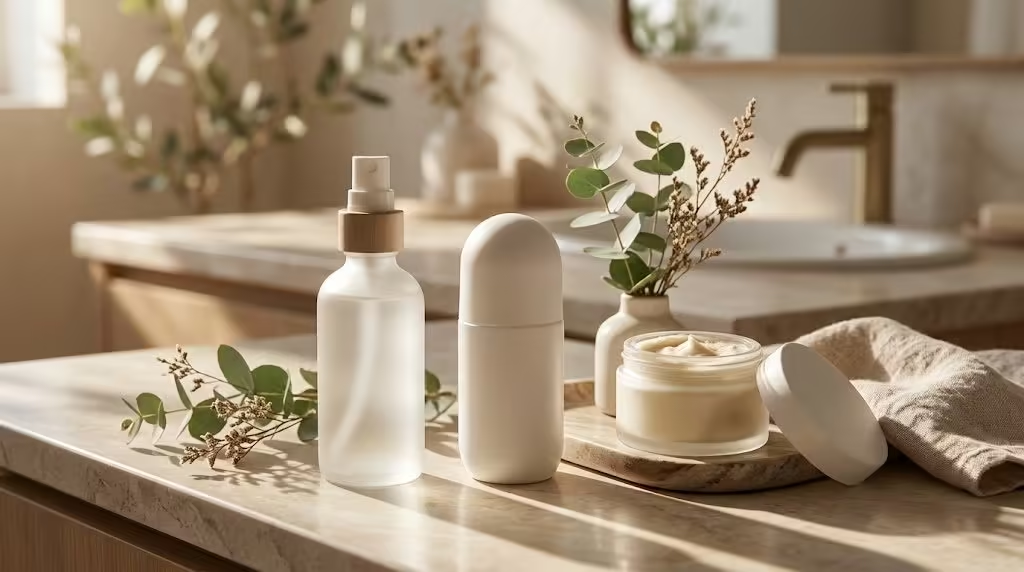
The newest, most innovative trend in underarm care is the liquid acid serum. Using skincare ingredients like mandelic acid, lactic acid, or shikimic acid, these thin serums are applied via a rollerball or squeezed from a tube. They work by drastically lowering the pH of your armpit, creating an acidic environment where odor-causing bacteria simply cannot survive. They are completely clear, leave no residue, and actively combat ingrown hairs and hyperpigmentation while stopping odor in its tracks.
Creams, Pastes, and Balms
Usually packaged in small glass jars or sustainable squeeze tubes, thick deodorant creams require you to apply the product with your clean fingertips. These dense formulations are often remarkably rich in skin-conditioning ingredients like raw shea butter, virgin coconut oil, and olive-derived squalane, making them exceptionally moisturizing. Creams are the absolute perfect choice for individuals who experience painful dryness, eczema, and chafing under their arms.
Sprays and Aerosol Mists
Aerosol sprays deliver a fine, incredibly dry mist that covers the underarm area completely evenly without ever needing to touch the skin directly. Modern dry sprays dry instantly and feel completely weightless, making them excellent for quick touch-ups throughout the day or after a gym session. They are also highly hygienic since the applicator never touches your body.
How to Choose Deodorant for Sensitive Skin and Dark Underarms
If you suffer from easily irritated skin, chronic redness, or hyperpigmentation (darkening of the underarm skin), knowing how to choose deodorant requires a much gentler approach. Dark underarms are rarely caused by poor hygiene; they are most frequently a form of post-inflammatory hyperpigmentation. This means the skin has been traumatized by aggressive shaving, harsh chemicals, or constant friction, and has produced excess melanin as a defense mechanism.
To combat this, absolutely avoid formulations containing baking soda, high concentrations of synthetic fragrance, or denatured alcohol, all of which are notorious for triggering contact dermatitis. The American Academy of Dermatology notes that contact dermatitis from cosmetics and fragrances is a leading cause of severe skin darkening and irritation in fold areas like the underarms.
Instead, look for hypoallergenic formulas featuring soothing ingredients like niacinamide, aloe vera, allantoin, and ceramides. If you opt for an acid-based deodorant, choose one with mandelic acid—a large-molecule AHA that penetrates the skin slowly, providing gentle exfoliation that brightens dark spots over time without causing the stinging or burning associated with stronger acids like glycolic.
Layering Fragrance with Your Deodorant
Your choice of underarm protection plays a highly significant, yet constantly overlooked role in exactly how your signature perfume smells to others. Strongly scented deodorants can clash aggressively with your fine fragrances, creating a confused, muddy, and overpowering scent bubble. Understanding fragrance science helps you quickly realize that the intense body heat radiating from your underarms naturally projects whatever scent is placed there exceptionally well.
If you wear expensive, niche, or highly complex perfumes, always opt for a completely unscented deodorant or antiperspirant. This provides a completely blank, neutral canvas, ensuring that your expensive eau de parfum is the only thing projecting from your skin. Unscented products ensure the sillage (the scent trail you leave behind) remains pure.
Alternatively, you can master the art of scent mapping by actively choosing a deodorant that shares dominant base notes with your daily fragrance. For example, pairing a rich sandalwood-based deodorant with a woody, amber perfume beautifully enhances the overall longevity and depth of the scent profile. For more comprehensive, expert advice on smelling incredible from head to toe, explore our extensive guide on mastering hair and body fragrance.

Common Underarm Care Mistakes Destroying Your Routine
Even with the most expensive, highly-rated product on the market, incorrect application techniques will inevitably lead to product failure, embarrassing odor breakthrough, and ruined clothing. Knowing how to choose deodorant is only half the battle; knowing how to apply it is the rest.
The most frequent, universally committed mistake is applying an aluminum antiperspirant immediately after stepping out of the shower while the underarm skin is still slightly damp. Aluminum salts require absolutely, perfectly dry skin to effectively travel into the sweat ducts and form a robust plug. If the skin is wet, the aluminum reacts with the surface water instead, rendering the product useless and causing intense skin itching.
Another major error is applying antiperspirant in the morning. Your body’s sweat glands are least active at night while your core temperature drops and you sleep. This makes bedtime the absolute best time to apply any aluminum-based product. It gives the chemical formula hours to activate and set without being immediately washed away by daytime stress or heat sweating.
Finally, chronic over-application is a massive issue. Swiping a solid stick back and forth ten times does not provide more protection than two deliberate, firm swipes; it only wastes expensive product and guarantees thick, waxy, impossible-to-remove buildup on the armpits of your favorite shirts. Less is always more when the right formula is applied correctly to clean, completely dry skin.
Key Takeaways
- Identify your ultimate goal: Choose a clinical or standard antiperspirant if you actively need to stop wetness, or a cosmetic deodorant if you only need to neutralize daily odor.
- Read the ingredients carefully: Avoid baking soda immediately if you have sensitive skin or dark underarms, and look for soothing, barrier-friendly alternatives like magnesium, mandelic acid, or probiotics.
- Time your application right: Always apply aluminum-based antiperspirants at night to perfectly dry skin for maximum, long-lasting sweat-blocking efficacy.
- Match your lifestyle format: Select a delivery format (waxy stick, dry spray, acid serum, or liquid roll-on) that perfectly fits your daily routine, skin sensitivity, and clothing color preferences.
- Protect your expensive perfume: Use unscented underarm products if you want your signature fine fragrance to truly shine without muddy interference.
Finding the perfect balance for your unique body chemistry takes a little patience, a willingness to read labels, and sometimes a few weeks of adjustment, but the resulting comfort and confidence are entirely worth the effort. We warmly invite you to explore more of our honest, completely hype-free guides at Golden Hour to expertly refine every single step of your personal care routine.
Frequently Asked Questions
Why does my deodorant stop working after a few months?
Your body does not actually become immune to your deodorant. When a product seems to stop working, it is almost always due to a shift in your internal hormones, a major change in diet, increased cortisol from stress, or a thick, waxy buildup of product residue and dead skin cells in the underarm area that physically prevents the active ingredients from reaching the skin.
Is it genuinely safe to use antiperspirants with aluminum?
Yes. Major global health organizations, including the FDA, the Mayo Clinic, and the American Cancer Society, consistently state there is no conclusive, peer-reviewed scientific evidence linking the daily use of aluminum-based antiperspirants to breast cancer or Alzheimer’s disease. They remain the safest, most effective, FDA-approved method for controlling excessive sweat.
How can I remove stubborn deodorant buildup from my armpits?
To properly remove stubborn, water-resistant waxy buildup, you must double cleanse your underarms in the shower. Start with an oil-based body cleanser to break down the silicones and waxes, followed immediately by your regular foaming body wash. Using a gentle exfoliating acid toner on a cotton pad once a week also actively helps clear the pores.
Why do natural deodorants give me a painful dark rash?
Dark, red, or severely peeling rashes from natural deodorants are almost exclusively a contact dermatitis reaction to high levels of baking soda (sodium bicarbonate). Baking soda is highly alkaline, which violently disrupts the naturally acidic pH of your delicate skin barrier, leading to severe friction, microscopic tears, and hyperpigmentation.
Can I use my underarm deodorant on other sweaty parts of my body?
Yes, you can absolutely use deodorants and antiperspirants on high-friction areas like the inner thighs, under the breasts, or on the soles of the feet to prevent painful chafing and bacterial odor. However, it is highly recommended to use a spray format or purchase a separate, dedicated stick for these areas to maintain strict hygiene and avoid transferring underarm bacteria.
How do I actually get yellow armpit stains out of white shirts?
Yellow pit stains are not caused by sweat alone; they are caused by a complex chemical reaction between the natural proteins in your sweat and the aluminum salts in your antiperspirant. To remove them permanently, create a thick paste using hydrogen peroxide, concentrated dish soap, and baking soda, scrub it deep into the fabric stain with a stiff brush, let it sit for at least an hour, and then wash the garment as normal on a hot cycle.
Does shaving my armpits help reduce body odor?
Yes, shaving or trimming underarm hair can significantly reduce body odor. Hair acts as a porous net that traps moisture, natural oils, and bacteria against the skin. By removing the hair, you give odor-causing bacteria less surface area to cling to, and you allow your deodorant or antiperspirant to make direct, unbroken contact with the skin for better efficacy.
What is the difference between clinical strength and regular antiperspirant?
Clinical strength antiperspirants contain a much higher percentage of active aluminum salts (often aluminum chloride or aluminum zirconium up to 20%) compared to regular, everyday antiperspirants. They are specifically formulated for people suffering from hyperhidrosis (excessive sweating) and are designed to form a much deeper, more robust plug in the sweat gland.