Beyond the Hype: How to Choose and Use the Best Body Scrubs for Your True Skin Type
Finding the best body scrubs can be the turning point for dull, rough, or breakout-prone skin, but navigating the crowded beauty aisles often feels like an overwhelming task. The industry constantly pushes new, highly fragranced exfoliators promising miraculous, baby-soft results overnight. However, the reality of physical exfoliation requires a much more nuanced approach to ensure you are helping your skin rather than harming it. Understanding exactly how to slough away dead skin cells without micro-tearing your delicate moisture barrier is the true secret to long-lasting body care.
Quick answer: The best body scrubs depend entirely on your skin’s thickness and sensitivity. Sugar scrubs offer gentle, humectant-rich exfoliation suitable for sensitive skin, while salt scrubs provide aggressive smoothing for calloused patches like heels. For acne-prone skin or keratosis pilaris, opt for hybrid formulas combining fine physical particles with chemical exfoliants like lactic or salicylic acid.
Why Incorporating the Best Body Scrubs Transforms Your Skin Health
The skin on our bodies is significantly thicker than the skin on our faces, particularly on our arms, legs, and torso. Every 28 to 30 days, your skin undergoes a natural cycle of cellular turnover, pushing new cells to the surface while shedding the old, dead cells from the stratum corneum (the outermost layer of the epidermis). As we enter our mid-twenties, and particularly during colder months, this natural shedding process begins to slow down dramatically.
When dead cells accumulate, they create a rough, uneven texture that blocks moisture from penetrating and traps hair follicles, leading to chronic inflammation. Integrating a smart, targeted exfoliation step into your complete body care and grooming routine ensures your skin remains resilient and functional. Identifying the best body scrubs for your specific needs is not simply about vanity or smelling like a tropical vacation; it is about maintaining the biological health of your skin barrier.
Furthermore, without removing this barrier of dead skin, the expensive lotions, serums, and body oils you apply afterward simply sit on the surface. By properly utilizing the best body scrubs on the market, you create a smooth, receptive canvas. This allows active ingredients to absorb efficiently and gives your signature fragrances a hydrated base to anchor into deeply.
Decoding the Core Types of Physical Exfoliants
Not all physical particles are created equal. The size, shape, and solubility of the grit in your jar determine whether you are gently polishing your skin or causing microscopic lacerations. When shopping for the best body scrubs, here is an honest breakdown of the most common exfoliating agents you will encounter.
Sugar vs. Salt: Which Base Makes the Best Body Scrubs?
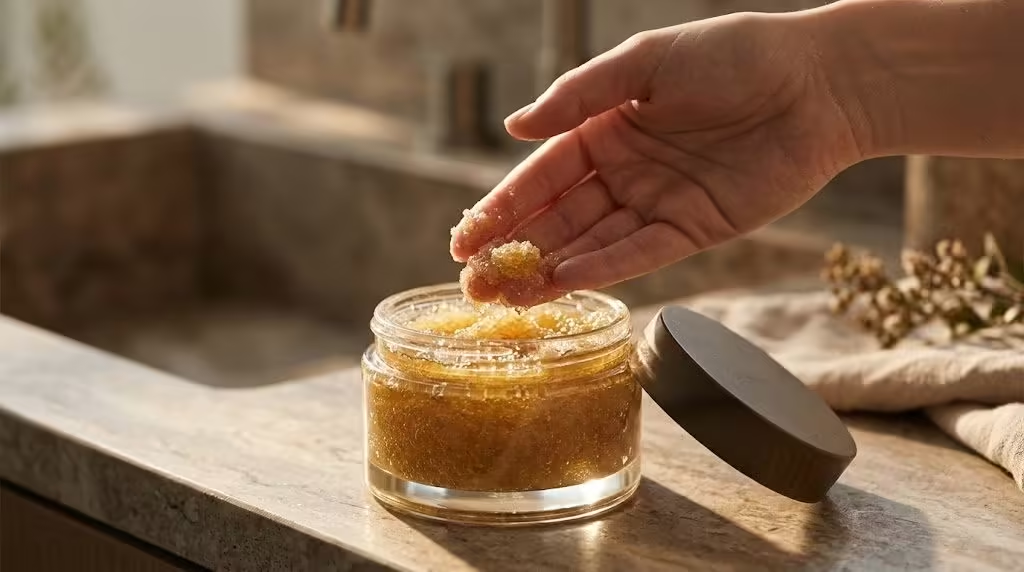
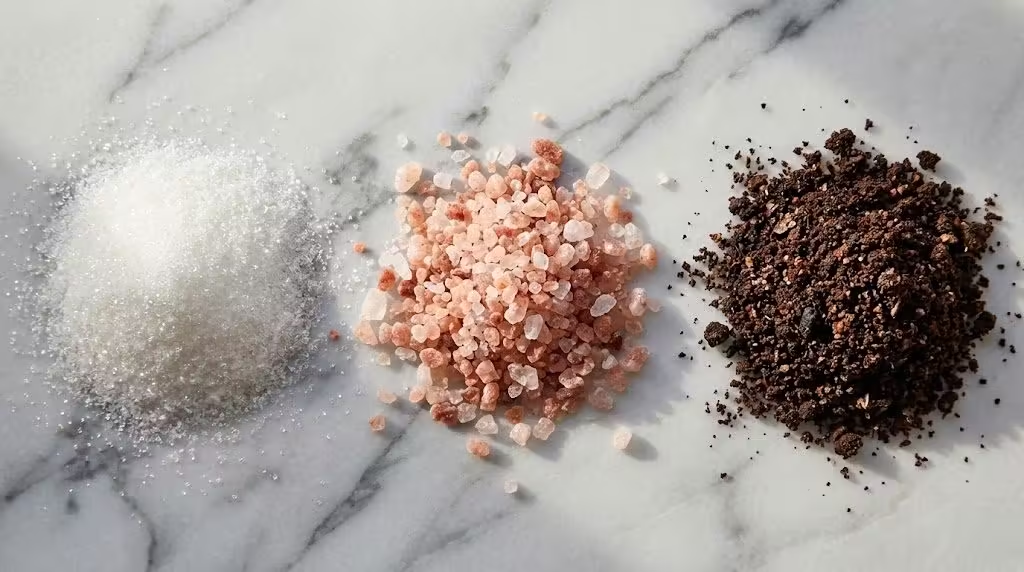
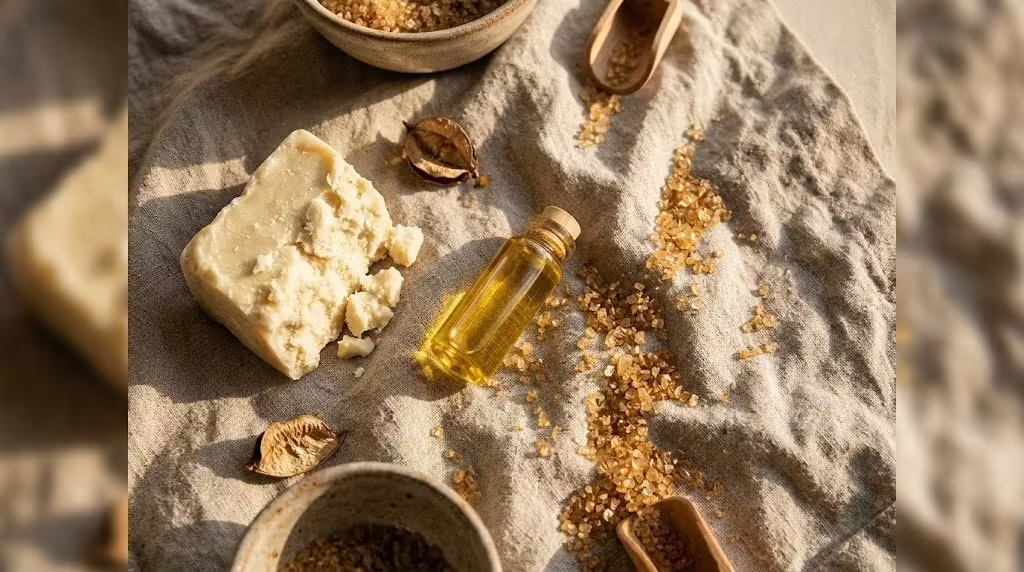
Sugar is widely considered the gold standard for everyday body exfoliation, and for good reason. The granules are naturally rounder and less abrasive than salt, meaning they polish the skin without creating jagged micro-tears. Moreover, sugar is a natural humectant, meaning it draws moisture from the environment into your skin as you scrub, making sugar-based options the best body scrubs for dry or sensitive profiles.
Conversely, salt scrubs are inherently more aggressive. Salt crystals have sharper, more angular edges that provide an intense manual exfoliation, making them the best body scrubs for exceptionally rough areas like the soles of your feet, knees, and calloused elbows. While mineral-rich Dead Sea or Epsom salts offer therapeutic benefits to tired muscles, they draw moisture out of the skin via osmosis and will sting intensely if you have any cuts or active eczema.
Coffee Scrubs: The Circulation Booster
Coffee body scrubs have gained massive popularity for their ability to temporarily tighten the skin and boost local blood flow. The coarse texture of roasted coffee grounds offers an invigorating, heavy-duty scrub. When massaged into the skin, the naturally occurring caffeine acts as a vasoconstrictor, which can temporarily reduce redness and the appearance of surface-level puffiness on the thighs and abdomen.
Additionally, coffee is packed with antioxidants that help fight free radical damage caused by environmental stressors. The downside is the mess; coffee grounds do not dissolve in water and can quickly clog your shower drain if not rinsed thoroughly. They are excellent targeted treatments, but perhaps not the best body scrubs for a quick, low-maintenance shower routine.
Jojoba Beads and Bamboo Powders
For those seeking the absolute gentlest physical exfoliation, jojoba beads are a brilliant innovation. Unlike harsh nut shells (like the infamous walnut shell powders that dermatologists warn against due to their jagged edges), jojoba beads are perfectly spherical wax esters. They roll smoothly across the skin, lightly lifting away debris without scratching.
Similarly, finely milled bamboo powder or rice bran provides a soft, micro-polishing effect. These are the best body scrubs for individuals with highly reactive, fragile skin who cannot tolerate traditional granular scrubs but still want the immediate gratification of a physical smoothing sensation.
Summary Comparison of Exfoliant Types
| Exfoliant Type | Abrasiveness Level | Best For | Key Benefit |
|---|---|---|---|
| Brown / Cane Sugar | Mild to Medium | Sensitive, Dry Skin | Draws in moisture (Humectant), dissolves easily |
| Sea / Epsom Salt | High | Rough patches, Oily Skin | Mineral-rich, detoxifying, intense smoothing |
| Coffee Grounds | High | Thighs, Dull Skin | Boosts circulation, antioxidant-rich |
| Jojoba Beads | Very Mild | Highly Reactive, Fragile Skin | Spherical shape prevents micro-tears |
The Rise of Hybrid Formulations: Chemical vs Physical Exfoliation
In 2026, the most effective body treatments are blurring the lines between physical and chemical exfoliation. While manual scrubbing physically sweeps away the top layer of dead cells, chemical exfoliants dissolve the intercellular glue holding those dead cells together. The absolute best body scrubs currently on the market combine both methods in one product to yield transformative, long-lasting results.
Look for formulas that feature Alpha Hydroxy Acids (AHAs) like glycolic or lactic acid alongside a physical buffer. Lactic acid is particularly excellent for the body because it is a larger molecule that penetrates slowly, gently hydrating while it exfoliates. The FDA notes that AHAs in cosmetics are highly effective for skin smoothing when formulated at the correct pH, making them a powerful addition to your shower routine.
If you struggle with body breakouts, seek out Beta Hydroxy Acids (BHAs) like salicylic acid. Salicylic acid is oil-soluble, meaning it can travel down into the pore to dissolve trapped sebum and bacteria. When a hybrid product combines a fine physical grain with a 2% salicylic acid solution, you get the immediate gratification of smooth skin alongside the deep-pore clearing needed to prevent future blemishes.
How to Choose the Best Body Scrubs for Your Specific Skin Condition
Marketing hype often suggests that one scrub fits all, but treating your body care with the same precision as your facial routine is essential. Here is how to identify the best body scrubs for your specific dermatological needs.
The Best Body Scrubs for Keratosis Pilaris (Strawberry Legs)
Keratosis Pilaris (KP) is a harmless but frustrating genetic condition where the skin overproduces keratin, forming hard, tiny plugs inside the hair follicles. This results in rough, bumpy patches, usually on the back of the arms and the front of the thighs. Aggressively scratching at KP with a harsh salt scrub will only trigger inflammation and make the redness worse.
The best body scrubs for KP utilize a dual-action approach. You need a formula featuring AHAs (like glycolic acid or lactic acid) to chemically melt down the excess keratin plugs, paired with a very fine, gentle physical buffer to sweep the loosened material away. Consistency and hydration, rather than sheer aggressive force, are the keys to managing KP effectively.
The Best Body Scrubs for Preventing Ingrown Hairs
Ingrown hairs occur when a shaved or waxed hair curls back onto itself and grows beneath the surface of the skin, causing painful, red bumps. Regular exfoliation is the absolute best preventative measure. By keeping the surface of the skin clear of dead cell buildup, the hair can easily break through the surface as it grows.
If you are prone to ingrowns, particularly around the bikini line or underarms, opt for a sugar-based scrub infused with tea tree oil or salicylic acid. Use it 24 to 48 hours before hair removal to prep the skin, and wait at least 48 hours after hair removal before scrubbing again to allow the freshly compromised skin barrier to heal properly.
The Best Body Scrubs for Bacne and Body Breakouts
Body acne requires a delicate touch; you cannot simply scrub the acne away, as physical abrasion will rupture active blemishes and spread bacteria. If you are dealing with active breakouts on your chest or back, the best body scrubs are actually those with minimal physical grit and maximum chemical efficacy.
Choose a clarifying body polish that leans heavily on salicylic acid and gentle jojoba spheres. Apply it to the skin, let it sit for two to three minutes so the active acids can penetrate the pores, and then rinse it away with minimal rubbing. This treats the root cause of the acne without exacerbating surface inflammation.
DIY vs. Store-Bought: Can You Make the Best Body Scrubs at Home?
The internet is flooded with recipes for DIY body scrubs using pantry staples like olive oil, raw sugar, and lemon juice. While mixing your own scrub can be a fun, affordable weekend project, it is crucial to understand the limitations and potential dangers of homemade skincare.
First, DIY scrubs lack preservatives. The moment you take a jar of homemade sugar and oil into a wet, steamy shower, you introduce water into the mixture. Without a broad-spectrum preservative, that jar becomes a breeding ground for mold and harmful bacteria within days. If you choose to make a DIY scrub, only mix a single-use amount in a small bowl right before your shower.
Secondly, many DIY recipes call for harsh ingredients like baking soda or neat citrus essential oils. Lemon juice is highly acidic and phytophototoxic (meaning it can cause severe burns when exposed to sunlight), while baking soda destroys your skin’s natural acid mantle. Professionally formulated products remain the best body scrubs because cosmetic chemists balance the pH, ensure the grit is uniform, and utilize safe, stable preservation systems.
Step-by-Step: How to Use the Best Body Scrubs Correctly
Even the most luxurious, expertly formulated scrub can cause damage if used incorrectly. The American Academy of Dermatology emphasizes that exfoliation should always be performed gently and safely to prevent barrier disruption. For a complete understanding of how this fits into your bathing ritual, consult our guide on the honest bath and shower routine. Follow this precise method for optimal results:
- Step 1: Cleanse First. Always wash your body with a gentle shower gel before exfoliating. You want to remove surface dirt, sweat, and daily pollution so your scrub can focus entirely on dead skin cells, rather than just pushing grime around.
- Step 2: Soften the Skin. Let the warm (not scalding hot) shower water run over your body for at least 5 to 10 minutes. This softens the upper layers of the stratum corneum, making the dead cells much easier to lift away without excessive force.
- Step 3: Pause the Water. Step out of the direct water stream. If you apply a scrub under running water, the physical particles will wash down the drain before they have a chance to work, wasting your expensive product.
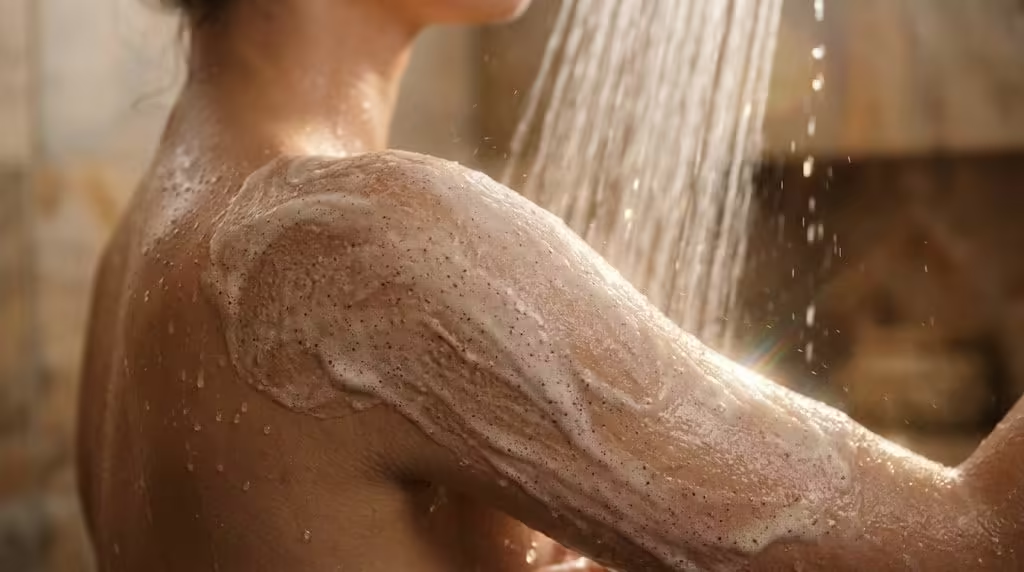
- Step 4: Use Circular Motions. Scoop out a quarter-sized amount per limb. Starting at your feet and moving upward toward your heart (to support lymphatic drainage), massage the scrub using light, sweeping circular motions. Let the grit do the work; never press down hard.
- Step 5: Rinse and Pat Dry. Rinse thoroughly with lukewarm water. When you exit the shower, gently pat your skin dry with a towel—do not rub. You want to leave the skin slightly damp to lock in the residual oils from the scrub.
Adapting the Best Body Scrubs for Seasonal Changes
Your skin’s needs fluctuate wildly between the dead of winter and the peak of summer, meaning the best body scrubs for you in January might be too heavy for July. Adapting your exfoliation strategy to the climate is a hallmark of an advanced body care routine.
During the winter months, the air is dry and indoor heating pulls moisture rapidly from your skin. In this season, switch to ultra-rich cream-based scrubs. Look for formulas suspended in dense, nourishing carrier oils such as sweet almond oil, shea butter, or squalane. The physical sugar will melt quickly, while the rich oils remain on the skin to repair the lipid barrier. To understand more about protecting this vital layer in harsh weather, explore our deep dive into the science of the skin barrier.
In the summer, increased sweat, sebum production, and frequent sunscreen application require a more thorough, detoxifying approach. Gel-based scrubs with fruit enzymes (like papaya or pineapple) and fine pumice are excellent for summer. They cleanse away the stubborn residue of water-resistant SPF without leaving a heavy, occlusive oil layer on the skin that might cause you to overheat.
The Connection Between Exfoliation and Fragrance Layering
One of the most overlooked benefits of utilizing the best body scrubs is how they transform your personal fragrance experience. Have you ever wondered why your expensive luxury perfume seems to vanish from your skin within an hour? Dry, flaky skin is notoriously terrible at holding onto volatile fragrance molecules.
When you spray perfume onto a barrier of dead, dehydrated skin, the scent molecules have nothing to bind to, and they quickly evaporate into the air. By using a high-quality scrub to reveal fresh, hydrated skin, you create a healthy lipid base. When you follow this up with a rich moisturizer, you effectively trap your scent, projecting it beautifully for hours. For a deeper understanding of this fascinating chemistry, read our comprehensive guide on fragrance science and how perfume works on your skin.
Common Exfoliation Mistakes Destroying Your Skin Barrier
More is not always better in the world of beauty. The most common mistake people make is over-exfoliating. Using a harsh physical scrub every single day will strip away your skin’s natural protective oils, leading to micro-inflammation, increased sensitivity, and ironically, an overproduction of oil as your skin panics to compensate.
For most skin types, using the best body scrubs just one to two times per week is more than sufficient to maintain a glow. Furthermore, never scrub over active sunburns, open wounds, freshly tattooed skin, or severe rashes. The goal of exfoliation is to gently polish, not to punish.
Lastly, skipping the post-shower hydration step renders your exfoliation completely pointless. The freshly revealed skin is vulnerable and highly prone to transepidermal water loss (TEWL). You must seal it immediately. To find the perfect pairing for your freshly scrubbed skin, consult our honest guide to the best body lotions for lasting hydration.
Key Takeaways: Mastering the Best Body Scrubs
Finding and utilizing the right exfoliator can dramatically elevate your grooming routine and the health of your skin. Keep these honest truths in mind the next time you shop:
- Match the grit to your skin: Sugar is a gentle humectant for normal to sensitive skin, while salt is an aggressive detoxifier for rough patches like heels and elbows.
- Embrace hybrids: The absolute best body scrubs combine physical particles with chemical AHAs/BHAs to melt dead cells while polishing the surface.
- Timing matters: Always cleanse your body first, and exfoliate on wet, softened skin. Step out of the direct water stream to avoid washing the product away prematurely.
- Hydration is mandatory: A body scrub is a two-part process. You must follow up with a high-quality body cream or oil immediately after showering to protect your newly exposed skin barrier.
- Less is more: Limit physical exfoliation to 1–2 times a week to prevent micro-tears and chronic barrier disruption.
Where to Go From Here
Perfecting your body exfoliation is just one foundational pillar of a thoughtful, effective personal care routine. Once your limbs are glowing, hydrated, and soft, you might want to give the same level of precise, targeted care to the areas that work the hardest. We highly recommend reading our honest deep dive into dedicated hand and foot care to ensure your skin feels perfectly conditioned from top to bottom. Take your time, listen to how your skin responds to different textures, and ignore the marketing noise—your body will thank you for it.
Frequently Asked Questions
How often should I use a body scrub?
For most skin types, using a physical body scrub one to two times a week is optimal. Over-exfoliating can strip your skin’s natural lipid barrier, leading to redness, irritation, and excessive dryness. If you have highly sensitive skin, limit usage to once every ten days.
Can I use body scrubs on my face?
No, you should never use a body scrub on your face. The skin on your face is significantly thinner and more delicate than the skin on your body. The coarse sugar, salt, or coffee particles found in body formulas will cause microscopic tears and severe irritation to facial skin.
Should I use a body scrub before or after shaving?
You should always use a body scrub before shaving, ideally 24 hours prior. Exfoliating removes the dead skin cells that can clog your razor blade and helps release any trapped hairs, resulting in a much closer, smoother shave while drastically reducing the risk of ingrown hairs.
Do the best body scrubs actually help fade dark spots?
Physical body scrubs can help fade superficial hyperpigmentation over time by accelerating cellular turnover and removing dead, discolored cells at the surface. However, for stubborn dark spots or deep scarring, you need a hybrid scrub containing chemical exfoliants like glycolic or lactic acid to see real results.
Why does my skin sting when I use a salt scrub?
Salt is naturally osmotic, meaning it rapidly draws water out of the skin. If you have any microscopic cuts, freshly shaved skin, or active dry patches, the high sodium content will immediately trigger a stinging sensation. Switch to a gentler sugar scrub if this occurs frequently.
What is the best way to store a body scrub?
Store your body scrub in a cool, dry place away from direct sunlight. Most importantly, ensure you seal the jar tightly after every use and avoid scooping the product with wet, soapy hands, as introducing water into the jar can breed bacteria and degrade the carrier oils rapidly.
Are coffee body scrubs actually effective for cellulite?
Coffee scrubs cannot cure or permanently erase cellulite. However, the caffeine in coffee grounds acts as a topical vasoconstrictor, and the vigorous massage stimulates local blood flow. This combination temporarily plumps the skin and minimizes the visual appearance of dimpling for a few hours.
Can I use a body scrub if I have a sunburn?
Absolutely not. Sunburned skin is acutely inflamed and its protective barrier is highly compromised. Scrubbing burned skin will cause intense pain, delay the healing process, and increase the risk of scarring or infection. Wait until the burn has completely healed and peeled naturally before exfoliating.