The Ultimate Face Serums Guide: How to Choose and Layer Active Ingredients Without the Hype
Welcome to your ultimate face serums guide. If your bathroom cabinet is currently overflowing with tiny dropper bottles and you still are not quite sure what they all do, you are certainly not alone. The beauty industry loves to sell us the promise of a “miracle in a bottle,” often leaving us overwhelmed, overspending, and dealing with irritated skin.
As you read through this face serums guide, keep in mind that understanding where these potent treatments fit into your regimen is just as important as the formulas themselves. For a comprehensive look at building your routine from scratch, we highly recommend reading our ultimate guide to skincare layering first.
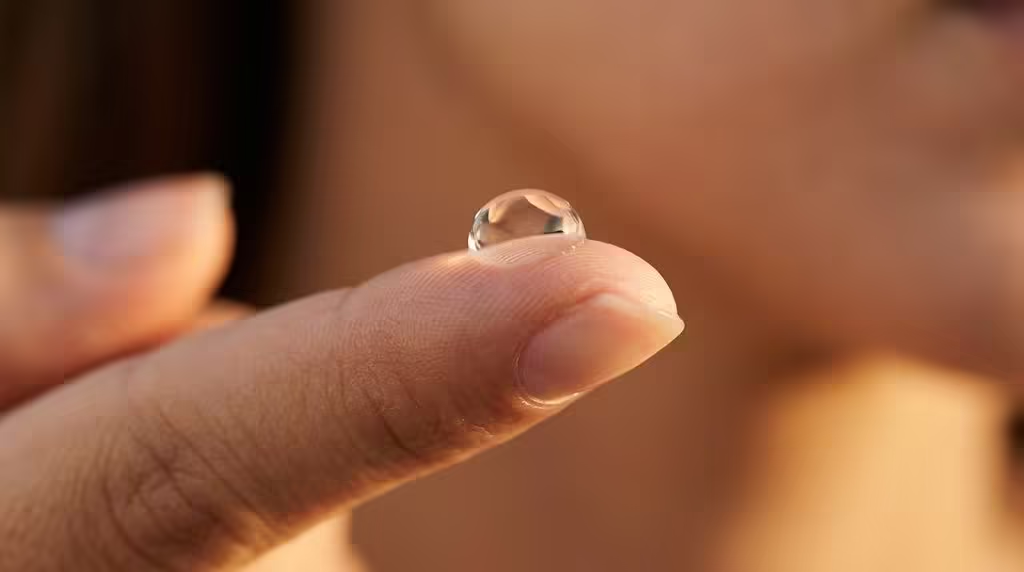
Quick answer: A face serum is a lightweight, fast-absorbing liquid formulated with a high concentration of active ingredients like vitamin C, retinol, or hyaluronic acid. Because serums have a much smaller molecular structure than heavy creams, they penetrate deeply to target specific concerns. Apply them after cleansing and toning, but before your moisturizer.
The Essential Face Serums Guide: What Exactly Is It?
A fundamental rule in our face serums guide is to understand the biology of your cosmetics. Most products can be divided into three categories: cleansers that remove debris, treatments that change the skin’s behavior, and occlusives that lock everything in.
Serums fall squarely into the treatment category. Unlike your daily moisturizer, which is formulated primarily with larger molecules designed to sit on top of the skin and create a protective seal, a serum is engineered for delivery. The vehicle (the liquid base of the serum) is intentionally lightweight, utilizing water, aloe, or lightweight lipids to carry potent active ingredients past the uppermost layer of the epidermis.
This is precisely why serums are often the most expensive step in your routine. You are not paying for thickeners, waxes, or emulsifiers. You are paying for the high concentration of the active compounds that actually prompt your skin cells to produce collagen, shed dead layers, or retain water.
Do You Really Need a Face Serums Guide for Your Routine?
The honest truth in this face serums guide is that nobody technically needs a serum to simply exist with healthy skin. If you are washing your face, moisturizing, and applying sunscreen every single day, you are already doing better than a large portion of the population. We cover these essential, non-negotiable steps in our honest guide to skincare basics.
However, if you have specific skin goals—such as fading stubborn post-acne marks, softening the appearance of fine lines, calming severe redness, or achieving that elusive “glass skin” glow—a basic moisturizer will not get you there alone. Moisturizers are defenders; serums are the attackers.
If you feel your current routine has hit a plateau, incorporating a targeted serum is the most effective way to see visible, measurable changes in your skin’s texture and tone.
A Face Serums Guide to Active Ingredients
When you strip away the beautiful packaging and the celebrity endorsements, a serum is only as good as its ingredient list. To avoid wasting money, you need to know which ingredients actually have robust clinical backing. For an even deeper dive into decoding your labels, check out our piece on skincare ingredients explained.
Hydration Heroes
Hydrating serums are universally beneficial. Whether you have bone-dry skin or excessive oiliness, every single skin type requires water to function properly.
Hyaluronic Acid (HA)
Hyaluronic acid is a humectant naturally found in our skin that can hold up to 1,000 times its weight in water. When applied topically, it acts like a sponge, pulling moisture from the environment and the deeper layers of your body into the epidermis. Look for serums that feature “multi-molecular weight” hyaluronic acid.
Glycerin
While hyaluronic acid gets all the glamorous marketing, glycerin is the quiet, hardworking hero of hydration. It is often cheaper, highly effective, and less likely to cause irritation in dry climates. Glycerin not only draws water into the skin but also helps to maintain the health of the cell membranes.
Brightening and Antioxidants
Every face serums guide must address the daily damage our skin takes from pollution, UV rays, and stress. Antioxidants are your daily armor against this oxidative stress.
Vitamin C (L-Ascorbic Acid)
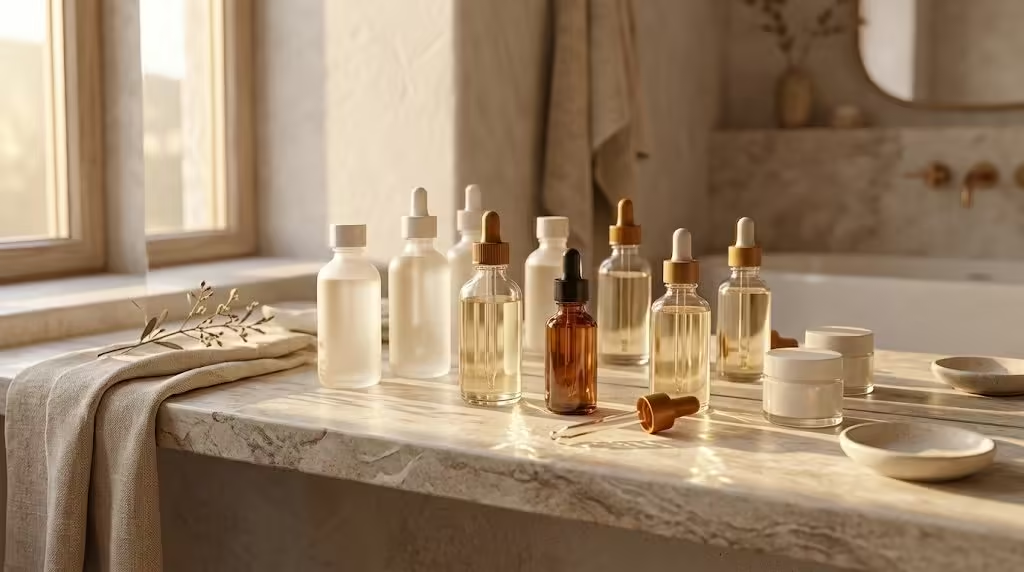
According to research from the National Institutes of Health, Vitamin C is one of the most powerful antioxidants in dermatology. It neutralizes free radicals, blocks the enzyme responsible for melanin production (fading dark spots), and is essential for collagen synthesis. Always look for Vitamin C housed in opaque or dark glass bottles, as it degrades quickly in sunlight.
Niacinamide (Vitamin B3)
If there were a true crowd-pleaser in the skincare world, it would be niacinamide. It regulates sebum (oil) production, minimizes the appearance of enlarged pores, fades hyperpigmentation, and strengthens the skin barrier. A concentration of 2% to 5% is scientifically proven to be highly effective.
Anti-Aging and Resurfacing
When we talk about “anti-aging,” we are really talking about stimulating cellular turnover and rebuilding the structural proteins that keep skin firm.
Retinoids (Retinol)
As highlighted throughout this face serums guide, retinol remains the gold standard for long-term skin health. As confirmed by the American Academy of Dermatology, retinoids speed up cell turnover and stimulate collagen production. Because retinol can be irritating, beginners should start with a low percentage (0.25% to 0.5%) and apply it only two to three nights a week.
Peptides
Peptides are short chains of amino acids that act as building blocks for proteins like collagen and elastin. Think of them as messengers that signal your skin to repair itself. While they do not yield the rapid, dramatic results of retinol, peptide serums are fantastic, gentle alternatives.
Exfoliating Acids (AHAs and BHAs)
Alpha Hydroxy Acids dissolve the glue holding dead skin cells to the surface, revealing brighter skin underneath. Beta Hydroxy Acids are oil-soluble, meaning they can dive deep into the pores to dissolve hardened sebum and dead skin.
A Face Serums Guide for Your Specific Skin Type
The most important lesson in this face serums guide is matching the chemistry to your complexion, rather than buying a product just because it went viral.
Serums for Oily and Acne-Prone Skin
If you struggle with excess shine and frequent breakouts, your goal is to regulate oil and keep pores clear without stripping the skin of moisture. Look for serums featuring a combination of Salicylic Acid (BHA) to unclog pores and Niacinamide to soothe inflammation. A lightweight, watery texture is your best friend.
Serums for Dry and Dehydrated Skin
In this section of the face serums guide, the focus is on moisture retention. Dry skin lacks oil, while dehydrated skin lacks water. To tackle both issues, seek out serums rich in Hyaluronic Acid, Glycerin, and Squalane. Squalane is a fantastic, non-comedogenic lipid that mimics your skin’s natural oils.
Serums for Sensitive Skin
For skin that turns red at the slightest provocation, barrier repair is your primary objective. Avoid high concentrations of Vitamin C, strong retinoids, and heavily fragranced formulas. Instead, opt for soothing ingredients like Centella Asiatica (Cica) and Ceramides. You can learn more about protecting delicate complexions in our feature on the science of the skin barrier.
Serums for Aging or Mature Skin
As we age, cellular turnover slows down drastically. A dual-approach works best here: an antioxidant serum (like Vitamin C) in the morning to protect against environmental degradation, and a Retinol or Peptide serum at night to stimulate collagen production and speed up cellular renewal.
The Complete Face Serums Guide to Layering Correctly
A comprehensive face serums guide isn’t just about buying products; it is about applying them in the correct order so they actually work instead of pilling up on your cheeks.
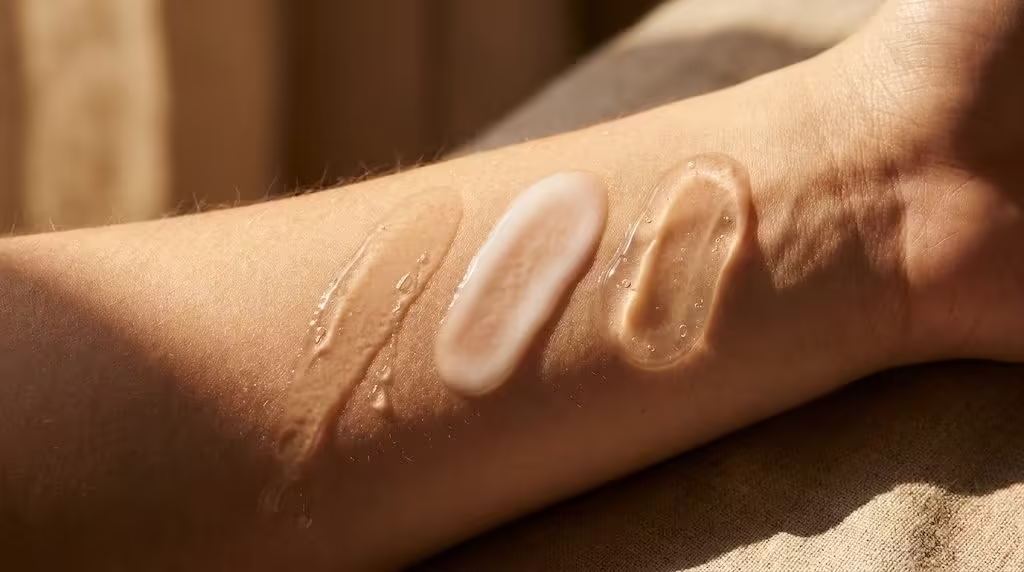
The golden rule of skincare layering is simple: apply products from thinnest to thickest consistency. Water-based serums should always go first, followed by gel-based serums, and finally, oil-based serums. Oils create a seal over the skin, meaning any water-based product applied on top of an oil will be blocked from absorbing.
The Compatibility Matrix: What Not to Mix
Use this face serums guide cheat sheet to safely navigate your evening routine and avoid mixing incompatible active ingredients:
| Ingredient 1 | Ingredient 2 | Can You Mix Them? | Why or Why Not? |
|---|---|---|---|
| Retinol | Vitamin C | Avoid in the same routine | Both are highly potent. Use Vitamin C in the morning and Retinol at night to avoid irritation. |
| AHA/BHA Acids | Retinol | Avoid in the same routine | Combining exfoliants with retinoids severely compromises the skin barrier. Alternate nights. |
| Hyaluronic Acid | Any Active | Yes, perfectly safe | HA is incredibly gentle and actually helps soothe the skin when using harsh actives. |
| Niacinamide | Retinol | Yes, highly recommended | Niacinamide strengthens the barrier and calms redness, making it the perfect partner for Retinol. |

A Face Serums Guide to Debunking Common Myths
The beauty industry thrives on a little bit of mystery and a lot of exaggeration. Let’s clear up a few pervasive myths that cost consumers money.
Myth 1: A higher percentage means better results.
False. Skincare chemistry is about the optimal dose, not the maximum dose. A 20% Niacinamide serum is not twice as effective as a 10% formula; it is just significantly more likely to irritate your face.
Myth 2: You need a different serum for every issue.
False. You do not need a hydrating serum, a brightening serum, and an anti-aging serum applied sequentially. In fact, applying more than two serums at once prevents proper absorption. Look for well-formulated, multi-tasking products.
Step-by-Step: A Practical Face Serums Guide to Application
Even the most expensive serum in the world is useless if applied incorrectly. Follow this straightforward, professional technique for application:
- Start with a clean canvas: Wash your face with a gentle cleanser. If you use a toner or essence, apply that next.
- Leave the skin slightly damp: Unless you are applying Retinol (which must go on bone-dry skin), apply your serums to damp skin. Damp skin acts like a sponge, pulling the active ingredients in deeper.
- Dose correctly: You only need 3 to 4 drops, or about a pea-sized amount. More product does not equal faster results.
- Press, do not rub: Distribute the serum between your fingertips and gently pat or press it into your face and neck.
- Wait 60 seconds: Give the active ingredients a minute to sink into the epidermis before moving on.
- Seal the deal: You must apply a moisturizer over your serum to lock in the actives. Unsure which one to use? Read our honest guide to finding the best face moisturizer.
Key Takeaways
- Serums are lightweight, highly concentrated treatments designed to target specific skin concerns like aging, acne, and dehydration.
- Hyaluronic acid and glycerin are essential for hydration, while Vitamin C provides antioxidant protection and brightening.
- Retinol and exfoliating acids (AHAs/BHAs) are potent transformers but must be used carefully to avoid barrier damage.
- Always apply serums from thinnest to thickest consistency, directly onto damp skin (except for retinol).
- Never mix strong exfoliants with retinoids in the same evening routine. Alternate your nights instead.
- A serum is useless if it evaporates. Always lock it in with a high-quality moisturizer.
Where to Go From Here
We hope this face serums guide helps you navigate the world of skincare without the stress of deciphering chemical names and dodging marketing traps. By understanding your specific skin type and choosing one or two targeted active ingredients, you can transform your complexion safely and effectively.
Take your time introducing new serums—patience is the true secret to glowing skin. If you are ready to refine the rest of your daily habits, we invite you to explore our comprehensive guides at Golden Hour. Start by optimizing your morning and evening rituals with our honest insights on building a realistic, sustainable beauty routine.
Frequently Asked Questions
Do I really need to use a face serum every day?
The most common question we get in our face serums guide is about frequency. No, it is not strictly necessary for basic skin health, but it is highly recommended if you want to target specific issues like dark spots, fine lines, or chronic dehydration. Using an antioxidant serum daily provides crucial protection against environmental damage.
Can I use multiple face serums at the same time?
Yes, you can layer serums, but we recommend stopping at two per routine. Applying more than two serums can overwhelm your skin’s absorption capacity, leading to a sticky residue and product pilling. Always apply the most watery serum first, followed by the thicker, more viscous one.
Should I apply face serum on wet or dry skin?
As mentioned earlier in this face serums guide, applying hydrating and brightening serums to slightly damp skin dramatically increases their absorption. However, potent actives like Retinol or strong chemical exfoliants should always be applied to completely dry skin to minimize the risk of irritation.
How long does it take for a face serum to work?
Hydrating serums provide immediate plumping and relief. However, serums designed to enact structural changes—such as Vitamin C for hyperpigmentation or Retinol for fine lines—require consistent use for at least 4 to 8 weeks before you will see visible, lasting results.
At what age should I start using a face serum?
You can introduce hydrating and antioxidant serums in your early 20s to maintain skin health and prevent premature aging. Actives focused on collagen production and cellular turnover, like retinol and peptides, are typically introduced in the mid-to-late 20s.
Can a serum replace my daily moisturizer?
No, a serum cannot replace a moisturizer. Serums are designed to deliver water and nutrients deep into the skin, but they lack the heavy occlusive ingredients required to seal that moisture in. If you skip moisturizer, the hydration from your serum will simply evaporate into the air.
Why is my face serum pilling under my makeup?
Pilling usually occurs for three reasons: you are applying too much product, you are not waiting long enough between skincare layers, or you are mixing incompatible bases. Try using just 3 drops of serum and waiting a full minute before applying your moisturizer or makeup.