The Ultimate Honest Guide to Finding the Best Face Masks for Your Skin Type Without the Marketing Hype
Finding the best face masks for your unique skin chemistry requires cutting through the overwhelming noise of modern beauty marketing and understanding what your living epidermis actually needs to thrive. Navigating the modern beauty aisle can feel deeply exhausting when every brightly colored jar promises miraculous transformations overnight, but true dermatological health is built on consistency and ingredient science rather than viral social media hype.
The best face masks are targeted treatments designed to deliver concentrated active ingredients, intensive moisture replenishment, or gentle clarification in a short span of time. Whether you are actively addressing seasonal dehydration, stubborn excess oil, or midday dullness, incorporating the right mask into the ultimate guide to skincare layering ensures maximum efficacy without disrupting your delicate skin barrier.
Why the Best Face Masks Belong in Your Routine
Daily cleansers and lightweight moisturizers maintain baseline skin health, but weekly treatments provide a concentrated therapeutic boost. Think of them as targeted nutritional supplements for your complexion. When chosen correctly, they support moisture retention, clear congested pores, and soothe stubborn surface inflammation.
However, more is not always better in skincare. Slathering on harsh clarifying clays or potent chemical acids every single night can severely compromise your skin barrier, leading to chronic redness, stinging, and heightened sensitivity. True balance is essential for maintaining a healthy, glowing complexion year-round, regardless of changing weather conditions.
For more foundational advice on structuring your daily regimen, explore our comprehensive breakdown on skincare basics and building a routine that actually works. Understanding your skin’s baseline needs is always the vital first step toward choosing supplementary treatments wisely.
Additionally, keeping your skin safe from environmental stressors is paramount. You can learn more about protecting your complexion by reading our guide on how to choose sunscreen to safeguard your skin after exfoliating treatments.
For a complete overview of daily body care routines that complement your facial regimen, consider checking out the complete body care and grooming routine to ensure head-to-toe skin health.
Decoding the Different Types of Face Masks
Not all topical treatments perform the same biological function. Understanding the primary categories helps you select formulas that align with your specific skin type rather than succumbing to viral social media trends that ignore individual biological differences.
Hydrating and Nourishing Formulas
Hydrating masks focus on drawing water into the stratum corneum and sealing it securely within the skin matrix. These comforting formulas often feature potent humectants like glycerin and hyaluronic acid, paired harmoniously with nourishing emollients and plant oils.
They suit dry, dehydrated, or travel-fatigued skin exceptionally well. You can even leave certain advanced gel-based formulas on overnight as an intensive sleeping treatment to wake up with plump, refreshed skin.
Clarifying and Purifying Clays
Clay-based treatments excel at absorbing excess sebum and drawing out microscopic impurities from congested pores. Mineral-rich ingredients like kaolin, bentonite, and French green clay are absolute staples in this category.
Oily and combination skin types benefit most from these deep-cleaning formulas. To prevent over-drying and irritation, skin experts recommend rinsing them off just before the clay cracks completely across your face.
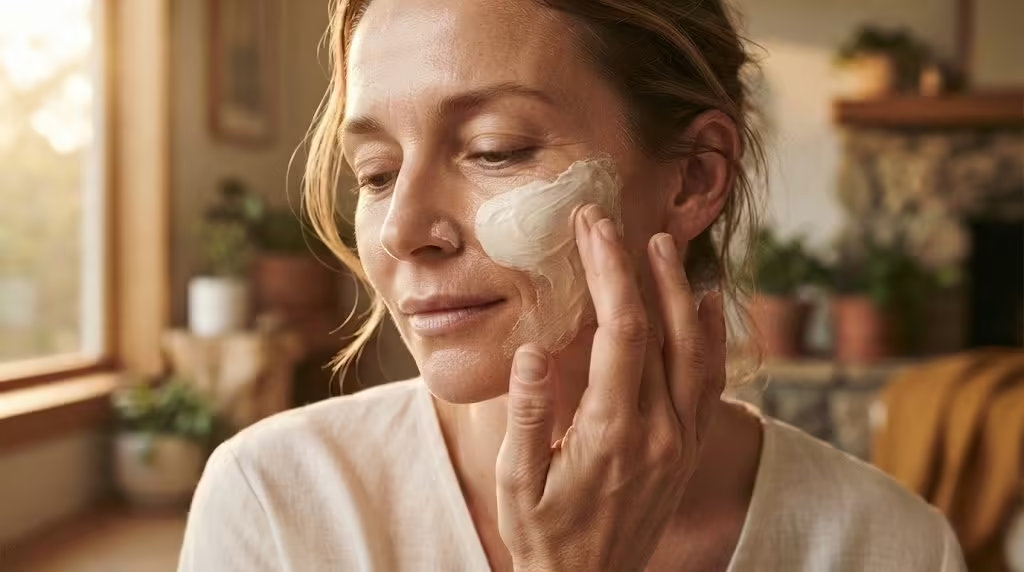
Exfoliating and Resurfacing Treatments
Exfoliating masks utilize alpha-hydroxy acids (AHAs) like glycolic and lactic acid, or beta-hydroxy acids (BHAs) like salicylic acid, to dissolve dead skin cell bonds and polish the skin surface.
They reveal brighter skin instantly by clearing away cellular debris, but they require strict caution. Overusing chemical exfoliants can cause micro-damage, redness, or chemical burns if left on longer than the manufacturer directs.
Evaluating the Best Face Masks Through Formulation Science
With thousands of options flooding the global marketplace, evaluating a product objectively takes practice and chemical literacy. Discerning shoppers look past flashy packaging and focus on formulation integrity, ingredient transparency, and proven skin compatibility.
When searching for the best face masks, prioritize products that list active ingredients near the top of the ingredient deck. Avoid heavy synthetic fragrances and drying alcohols that often trigger contact dermatitis and disrupt your natural skin flora.
Furthermore, consider your lifestyle and schedule. If you barely have five minutes in the morning, a wash-off clay mask or a quick ten-minute sheet mask fits your routine far better than a complex multi-step ritual that demands prolonged relaxation.
How to Match the Best Face Masks to Your Skin Type
Selecting the right product depends entirely on your skin type and current environmental stressors. Pairing the wrong formula with your unique skin architecture can dramatically exacerbate existing concerns.
Consulting scientific resources such as Wikipedia’s overview of human skin anatomy can help you appreciate how different epidermal layers respond to topical ingredients and moisture treatments. For further clinical context, medical professionals often reference educational resources like the American Academy of Dermatology skin care guidelines for safe practices. Additionally, you can consult PubMed Central for peer-reviewed dermatological studies on topical ingredient efficacy and skin barrier restoration.
Oily and Blemish-Prone Skin
If your T-zone shines brightly by midday and you experience frequent pore congestion or breakouts, look for clarifying formulas containing sulfur, activated charcoal, or salicylic acid. These specific ingredients help regulate sebum production and clear trapped debris deep inside pores.
Use them once or twice a week as a targeted spot treatment or an all-over purifying session. Always follow up with a lightweight, non-comedogenic moisturizer to prevent your skin from overcompensating with excess oil production.
Dry and Dehydrated Skin
Dry skin craves lipid-replenishing ingredients like ceramides, squalane, shea butter, and fatty acids. Rich cream or intensive sleeping masks provide deep, lasting nourishment without stripping away vital natural oils.
Apply a generous layer after a gentle cleansing step, and let the rich emollients restore comfort, elasticity, and suppleness to tight, flaky facial areas.

Sensitive and Reactive Skin
Sensitive skin requires calming, minimalist formulations that are completely free from synthetic fragrances, drying alcohols, and potent essential oils. Look for soothing ingredients like colloidal oatmeal, centella asiatica, allantoin, and bisabolol.
Always patch-test any new treatment on your inner wrist or jawline before applying it to your entire face to ensure your skin tolerates the active compounds peacefully.
Comparison of Popular Face Mask Categories
| Mask Type | Primary Benefit | Best For Skin Type | Ideal Frequency |
|---|---|---|---|
| Hydrating Gel | Moisture boost & soothing | Dry & Dehydrated | 2–3 times weekly |
| Purifying Clay | Oil control & deep cleansing | Oily & Combination | 1–2 times weekly |
| Enzyme / Acid | Chemical exfoliation & glow | Dull & Uneven Texture | Once weekly |
| Sheet Mask | Immediate hydration & soothing | All Skin Types | As needed |
Common Mistakes to Avoid When Masking
Even the highest-quality skincare products fail to deliver optimal results if applied incorrectly. Recognizing and avoiding common pitfalls ensures your skin reaps maximum benefits from every treatment session.
Leaving Clay Masks On Until They Crack
A widespread misconception across social media is that a clay mask should be worn until it dries completely hard and crumbles away. In reality, this action draws all the essential moisture out of your living skin cells, leaving it parched and irritated.
Rinse purifying clay treatments off while they are still slightly tacky to the touch. This practice keeps your pores clean without ever compromising your natural moisture barrier.
Skipping the Patch Test
Assuming a product is completely safe because it features natural plant extracts is a common recipe for irritation. Botanical essential oils and raw extracts can easily trigger contact dermatitis in sensitive individuals.
Always perform a patch test 24 hours prior to full facial application. This simple precautionary step prevents unexpected allergic reactions and sore skin.
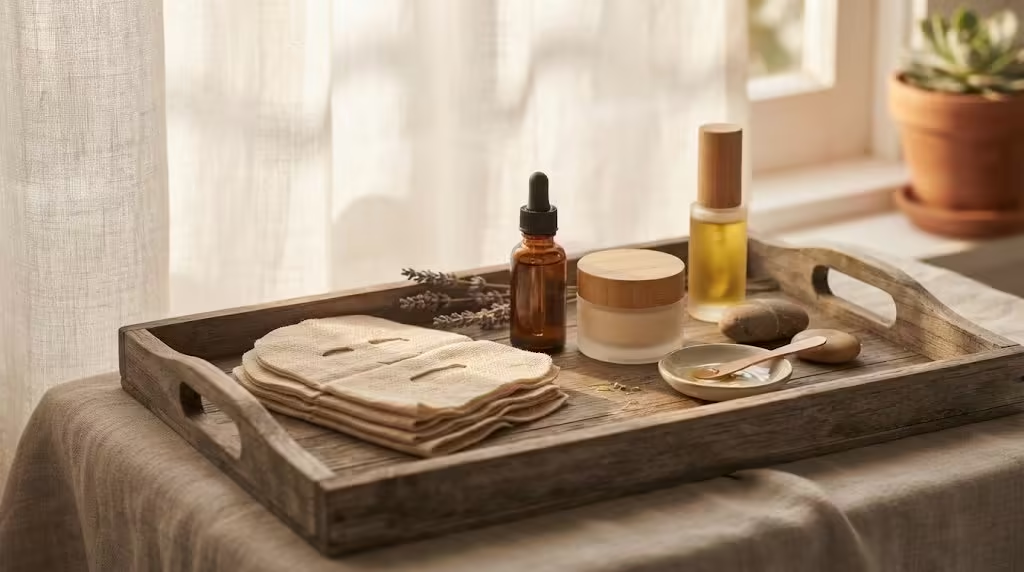
Overusing Active Ingredients
Combining potent exfoliating acid masks with prescription retinoids and physical facial scrubs in the same week damages the skin barrier structure. Moderation is an absolute cornerstone for maintaining clear, healthy skin.
Rotate your weekly treatments thoughtfully. If you use a resurfacing acid mask tonight, focus purely on gentle hydration and barrier repair for the next few days.
The Art of Multimasking
Most people do not possess a uniform skin type across their entire face. Your forehead, nose, and chin might produce excess sebum, while your cheeks remain chronically dry, tight, and sensitive.
Multimasking solves this common dilemma by allowing you to apply different treatments to different facial zones simultaneously. Apply a purifying clay mask across your T-zone, while smoothing a rich hydrating cream formula over your cheeks.
This customized, targeted approach ensures every specific area of your face receives the exact biological care it requires in a single efficient session.
How to Incorporate Masks Into Your Weekly Schedule
Consistency yields far better cumulative results than sporadic, intensive beauty marathons. Establishing a realistic weekly rhythm keeps your complexion balanced, calm, and glowing all month long.
Reserve one quiet evening midweek for a clarifying treatment when sebum buildup naturally peaks. Dedicate the weekend to a nourishing, hydrating session to recover from weekly environmental stressors and indoor heating.
To deepen your technical understanding of formulation science, read insights from the International Journal of Cosmetic Science regarding topical ingredient penetration and skin absorption rates.

Exploring the Best Face Masks for Advanced Skincare Goals
As your skincare knowledge deepens, you may wish to explore specialized treatments tailored to unique goals. Advanced formulations often incorporate peptides, antioxidants, or fermented bio-actives to boost cellular renewal and combat environmental oxidative stress.
When selecting these advanced options, always check that the formula complements your existing serums and creams. Layering incompatible active ingredients can neutralize their effectiveness and cause unnecessary surface irritation.
Key Takeaways
- Identify your skin type before purchasing treatments to ensure you target your actual biological concerns.
- Do not let clay dry completely on your face; rinse while tacky to protect your moisture barrier.
- Multimask when your skin exhibits combination needs across different facial zones.
- Patch-test new formulas to avoid unexpected allergic reactions and skin irritation.
- Balance actives by alternating exfoliating treatments with intensive barrier hydration.
We hope this honest guide helps you navigate your skincare choices with total confidence. Explore more expert advice across our collection of Golden Hour skincare guides to refine your daily routine further.
Frequently Asked Questions
What are the best face masks for dry skin?
The best face masks for dry skin are rich cream or sleeping formulas packed with humectants and ceramides like hyaluronic acid, glycerin, and squalane to restore lost moisture.
How often should I use a clay mask?
You should use a purifying clay mask one to two times per week depending on your oil production, ensuring you rinse it off before it completely cracks.
Can I use a face mask every day?
Daily use is generally unnecessary and can damage your skin barrier unless you are using a very gentle, hydrating formula designed specifically for nightly moisture replenishment.
What is multimasking?
Multimasking is the technique of applying different targeted face masks to various facial zones simultaneously, such as clay on the T-zone and hydration on dry cheeks.
Should I wash my face after using a sheet mask?
You should not wash your face after using a sheet mask; instead, gently massage the remaining essence into your skin and follow up with your favorite moisturizer.
How long should I leave a face mask on?
You should leave a face mask on for the duration specified on the product instructions, typically ranging between ten to twenty minutes for wash-off treatments.
Are expensive face masks always better?
Expensive face masks are not inherently superior; formulation quality, ingredient concentration, and suitability for your skin type matter far more than price tags.