Beyond the Hype: How to Choose the Best Face Cleansers for Your True Skin Type
The search for the best face cleansers can often feel like navigating a minefield of marketing hype and empty promises, leaving your bathroom cabinet overflowing with half-empty bottles. We demand an incredible amount from this single, foundational skincare step. A great cleanser needs to melt away waterproof mascara, wash off sticky urban pollution, dissolve excess sebum, and unclog pores—all without leaving our faces feeling like a dry, stretched rubber band.
For decades, the beauty industry has treated cleansing as an afterthought. We are constantly encouraged to spend hundreds of dollars on expensive serums and luxury moisturers, while being told to settle for whatever cheap soap foams up the fastest. But as a beauty editor, I am here to share the honest truth: if your face wash is wrong for your skin, every single product you apply afterward is fighting a losing battle.
Quick answer: The best face cleansers respect your acid mantle by remaining pH-balanced (around 5.5) and are formulated for your specific skin type. Oily skin thrives with lightweight gels or salicylic acid cleansers, dry skin requires rich, ceramide-packed creamy lotions, and anyone wearing makeup or SPF should adopt the double cleansing method every night.
Before you invest your hard-earned money in another promising formula, let’s break down the science of washing your face without the hype. If you want to see exactly how this crucial first step fits into your broader regimen, make sure to read our comprehensive ultimate guide to skincare layering.
Why Finding the Best Face Cleansers Matters More Than Your Serums
Many consumers believe that because a cleanser is only in contact with the skin for about sixty seconds, its ingredients simply do not matter. This is one of the most persistent, damaging skincare myths on the internet today. The reality is that the cleansing step sets the biological stage for your entire face.
Your skin has a natural protective layer called the acid mantle, which thrives at a slightly acidic pH level of around 5.5. This invisible shield of sebum, sweat, and good bacteria keeps moisture trapped inside the skin while keeping environmental pathogens and irritants out. Traditional bar soaps and harsh, highly foaming face washes are inherently alkaline, often sitting at a pH of 8, 9, or even 10. When you wash your face with an alkaline product, you instantly destroy that delicate acid mantle.
If your face has ever felt “squeaky clean” after washing, you have gone much too far. That literal squeak is not the sound of cleanliness; it is the physical cry of a compromised skin barrier. When you strip away your natural lipids and ceramides, dry skin becomes flaky, red, and irritated, while oily skin panics and overproduces even more sebum to compensate for the sudden loss of oil.
For a deeper dive into how this vital biological function dictates your complexion, check out our guide on the science of the skin barrier.
The Sponge Analogy: Prepping Your Canvas
Think of your facial skin like a household sponge. A slightly damp, healthy sponge is highly absorbent. If you pour a drop of water onto it, it drinks it up instantly. Conversely, a completely dried-out, crusty sponge will initially repel water, causing it to pool on the surface.
When you use the best face cleansers tailored to your skin, you leave the skin slightly damp, supple, and perfectly primed to absorb your expensive active ingredients like Vitamin C, peptides, retinol, or hyaluronic acid. By choosing the right wash, you are actively boosting the penetration and efficacy of your entire routine. To understand how to structure these next steps, read our honest guide to building a daily skincare routine.

The Science of Surfactants: How the Best Face Cleansers Actually Work
To truly understand what makes a cleanser effective, we have to talk briefly about chemistry. Cleansers work through the power of surfactants (surface-active agents). Surfactant molecules look a bit like tadpoles. They have a hydrophilic (water-loving) head and a lipophilic (oil-loving) tail.
When you massage a cleanser onto your face, the lipophilic tails grab onto the dirt, makeup, and excess sebum on your skin. When you rinse your face with water, the hydrophilic heads grab onto the water, pulling the oil and dirt down the drain with them. The secret to the best face cleansers lies in finding the exact right surfactant—one that is strong enough to remove external dirt, but gentle enough to leave your natural barrier lipids intact.
Decoding the Types: Which Are the Best Face Cleansers for You?
Walk down any beauty aisle, and you are immediately bombarded with an overwhelming array of gels, creams, foams, balms, oils, waters, and powders. Understanding the underlying texture and chemistry of these formulas is the secret to finding the perfect match for your specific needs.
Gel Cleansers
Gel cleansers are clear, jelly-like formulas that usually offer a mild, satisfying lather. They are primarily water-based and contain mild surfactants that are excellent at cutting through excess oil, sweeping away surface impurities, and clearing out the day’s grime without being overtly aggressive.
Best for: Normal, combination, and oily skin types. They are incredibly effective at deep-cleaning pores, especially in warmer months or humid climates when your skin naturally produces more sweat and oil.
Cream and Lotion Cleansers
Cream cleansers have a rich, milky, lotion-like texture and are specifically formulated with heavy hydrating ingredients like glycerin, ceramides, and botanical oils. They often do not lather or foam at all, which can take some getting used to if you subconsciously associate bubbles with cleanliness.
Best for: Dry, sensitive, and mature skin. These cleansers prioritize barrier repair and moisture retention, leaving behind a thin, invisible, protective veil of hydration. If you are struggling with severe winter dryness or retinoid-induced flaking, integrating a cream cleanser is a non-negotiable game-changer.
Foaming Cleansers (And the Truth About Sulfates)
Foaming cleansers dispense as a light, airy lather from a pump or build into a thick foam when mixed with water in your hands. Historically, these formulas relied on harsh, cheap industrial sulfates like Sodium Lauryl Sulfate (SLS) to create those massively satisfying bubbles, which unfortunately devastated the skin barrier.
Today, the best face cleansers in the foaming category use much gentler, coconut-derived surfactants (like sodium cocoyl isethionate). However, by their very nature, they remain the most actively drying category of cleansers overall.
Best for: Very oily, excessively acne-prone, or teenage skin. They are also excellent for athletes who need to quickly wash away heavy sweat post-workout.
Oil and Balm Cleansers
Cleansing oils and balms work on a fundamental scientific principle: “like dissolves like.” The natural and synthetic oils in these cleansers attract and bind to the stubborn oils on your face. This includes your own excess sebum, water-resistant SPF filters, and stubborn waterproof makeup.
The magic happens when you add water to these formulas. They undergo a process called emulsification—turning milky white and rinsing away completely clean without leaving a heavy, greasy residue behind. They are the essential cornerstone of the modern evening skincare routine.
Best for: All skin types, including oily and acne-prone skin. It is a massive misconception that oily skin should avoid oil cleansers. In reality, oily skin deeply benefits from oil to properly dissolve stubborn, hardened pore congestion and blackheads.
Micellar Waters
Originating in French pharmacies, micellar waters consist of tiny micelles (spheres of mild surfactant molecules) suspended in soft water. They look like plain water but feel incredibly soft. You apply them to a cotton pad and sweep them across the face to lift dirt and makeup without needing a sink.
Best for: Sensitive skin, travel, or quick makeup removal. However, despite marketing claims, you should never leave micellar water on your skin. The residual surfactants can cause long-term irritation, so always rinse your face with water afterward.

How to Choose the Best Face Cleansers for Your Specific Skin Type
Your unique skin type and daily environment are the ultimate deciding factors when shopping for a cleanser. Let’s break down the ideal formula for your specific complexion so you can stop wasting money on products that don’t serve you.
Oily and Acne-Prone Skin
If you have oily skin, your primary goal is to regulate sebum production without triggering a defensive rebound effect. Avoid harsh, physical scrubs containing walnut shells or apricot kernels, which create micro-tears in the skin and invite acne-causing bacteria to spread. Instead, look for a lightweight, balancing gel formula.
A dedicated salicylic acid cleanser (a Beta Hydroxy Acid, or BHA) is highly recommended for this skin type. Because salicylic acid is inherently oil-soluble, it has the unique ability to penetrate deep down into the pore lining to dissolve the sticky “glue” that holds dead skin cells and oxidized oil together. This effectively treats current breakouts and prevents future blackheads.
Dry and Dehydrated Skin
It is important to note that dry skin lacks natural oil (lipids), while dehydrated skin lacks water. Fortunately, both conditions require a cleanser that adds nourishment back to the skin rather than taking it away. A milky lotion, non-foaming gel, or rich cream cleanser is your best defense against tightness.
Look for deeply restorative ingredients like hyaluronic acid, squalane, glycerin, and ceramides. The ultimate test of the best face cleansers for dry skin is simple: you should never feel the desperate urge to sprint for your moisturizer immediately after patting your face dry.
Combination Skin
Combination skin is notoriously tricky to manage—you are dealing with an oily, congestion-prone T-zone (forehead, nose, chin) paired with normal or distinctly dry cheeks. You need a formula that performs a delicate balancing act.
A gentle, lightly foaming gel cleanser is usually the safest middle ground. Alternatively, you can practice situational cleansing: use a deeply hydrating cream cleanser in the morning when you only need a light refresh, and a deeper-cleaning gel at night to properly remove the day’s buildup from your T-zone.
Sensitive, Rosacea, and Reactive Skin
For sensitive skin (including conditions like rosacea, eczema, and psoriasis), less is always more. Your shopping mantra should firmly be “fragrance-free, sulfate-free, and pH-balanced.” Even natural, organic essential oils (like lavender or citrus) are volatile compounds that can trigger extreme redness, stinging, and contact dermatitis.
Opt for a non-foaming, exceptionally bland cream cleanser formulated with soothing, anti-inflammatory ingredients like colloidal oatmeal, aloe vera, allantoin, or centella asiatica (cica). When exploring the backs of your bottles, be sure to reference our comprehensive breakdown on having your skincare ingredients explained.
Mature and Aging Skin
As we pass our 30s and 40s, our skin’s natural production of ceramides, hyaluronic acid, and sebum significantly decreases. Skin becomes thinner and loses moisture at a faster rate (a process known as transepidermal water loss, or TEWL).
The best face cleansers for mature skin are extremely rich, lipid-replenishing balms and creams. Avoid highly active, acid-heavy cleansers for daily use, as mature skin takes much longer to repair its barrier once it has been compromised.
The Double Cleansing Method: Pairing the Best Face Cleansers
You have undoubtedly seen the double cleansing method taking over your social media feeds. But is it just a clever marketing ploy designed to sell you twice as much product, or is it actually a necessary step for healthy skin?
The honest answer: if you wear sunscreen, foundation, or heavy cosmetics, it is absolutely essential. Modern sunscreens and long-wear cosmetics are meticulously engineered by cosmetic chemists to withstand water, sweat, and friction. A single pass with a basic water-based face wash simply cannot break down these stubborn, hydrophobic formulas effectively. For more details on incorporating this into your routine, see our makeup and cosmetics guide.
What Exactly is Double Cleansing?
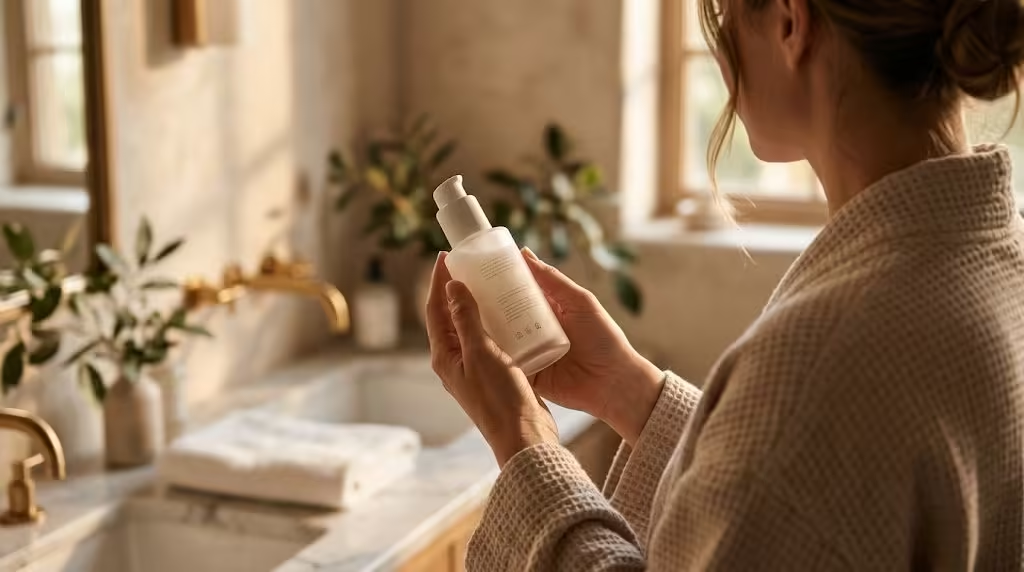
Double cleansing is the practice of washing your face twice in the evening, sequentially, using two distinct types of cleansers to target two entirely different types of impurities.
- Step 1: The Oil-Based Cleanser. Always apply a cleansing balm or liquid cleansing oil to completely dry skin with completely dry hands. Massage it in gently for 30 to 60 seconds. The oil works to instantly melt away water-resistant SPF, heavy foundation, excess sebum, and waterproof mascara. Next, wet your hands and continue massaging. The oil will turn milky (emulsify). Rinse it away thoroughly with lukewarm water.
- Step 2: The Water-Based Cleanser. Follow immediately with a traditional gel, light foam, or cream cleanser (your specific cleanser for your skin type). This second step cleans the actual skin itself, removing sweat, environmental dirt, and any minute traces of residue left behind from step one.
Who Actually Needs to Double Cleanse?
According to the American Academy of Dermatology’s face washing guidelines, gentle, effective cleansing is vital for preventing premature aging and acne. If you wear water-resistant SPF, tinted moisturizer, or heavy eye makeup, double cleansing is a non-negotiable step in your evening routine.
However, you absolutely do not need to double cleanse in the morning. A splash of water or a single, quick pass with your gentle water-based cleanser is more than sufficient to remove your nighttime serums and overnight sweat.
Hard Water vs. Soft Water: Does It Affect the Best Face Cleansers?
An often-overlooked factor in the search for the best face cleansers is the quality of the water flowing from your tap. Water hardness plays a massive, undeniable role in how your skincare performs.
Hard water contains high concentrations of dissolved minerals, primarily calcium and magnesium. When these heavy minerals mix with the surfactants in your face wash, they cause a chemical reaction that creates a stubborn, invisible film—essentially soap scum—that binds to your skin. This film disrupts the skin’s acid mantle, clogs pores, and prevents your subsequent serums and moisturizers from penetrating effectively.
If you live in an area with very hard water (common in many parts of the UK and the US) and suffer from unexplained, persistent dryness or breakouts, your cleanser might not be the problem at all. Consider installing a filtered showerhead or tap filter. Alternatively, you can use a micellar water or a gentle, acid-based toner on a cotton pad immediately after cleansing to sweep away any lingering mineral residue.
Ingredients to Look For (And Avoid) in the Best Face Cleansers
To truly take control of your skincare routine, you must learn to read the back of the bottle, ignoring the front-facing marketing claims. Here is a definitive, expert guide to the ingredients you should welcome, and the ones you should banish from your bathroom.
| Ingredient Type | Look For (The Good) | Avoid (The Bad) |
|---|---|---|
| Surfactants (Cleansing Agents) | Sodium Cocoyl Isethionate, Coco-Glucoside, Decyl Glucoside, Lauryl Glucoside | Sodium Lauryl Sulfate (SLS), Sodium Laureth Sulfate (SLES) |
| Hydrators (Humectants) | Glycerin (the gold standard), Hyaluronic Acid, Panthenol (Vitamin B5), Aloe | High concentrations of Denatured Alcohol, SD Alcohol 40, Isopropyl Alcohol |
| Exfoliants (Acids) | Salicylic Acid (BHA), Lactic Acid (AHA), Mandelic Acid (gentlest AHA), PHA | Crushed walnut shells, apricot kernels, rough pumice, plastic microbeads |
| Lipids (Barrier Repair) | Ceramides, Squalane, Jojoba Oil, Shea Butter, Sunflower Seed Oil | Heavy, highly comedogenic oils if you have severely acne-prone skin |
| Soothing Additives | Centella Asiatica (Cica), Green Tea Extract, Colloidal Oatmeal, Allantoin | Synthetic fragrances (Parfum), volatile essential oils (if sensitive) |
Understanding these fundamental ingredients ensures you are investing in a formula that respects your biology. It is also incredibly wise to educate yourself on broader industry truths by reading how we see skincare myths debunked.

Common Cleansing Mistakes Ruining Your Skin
Even if you go out today and purchase the absolute best face cleansers formulated by top dermatologists, your daily technique can still sabotage your results. Let’s correct a few incredibly common errors.
The Water is Too Hot
Nothing feels better than a steaming hot shower in the dead of winter, but hot water is the sworn enemy of a healthy skin barrier. Hot water rapidly melts away your natural oils, exacerbates redness, triggers rosacea flare-ups, and leads to immediate dehydration.
According to guidelines from the National Eczema Association, maintaining lukewarm or tepid water is critical for preserving skin integrity. If you prefer to wash your face in the shower, ensure the temperature is significantly lowered before you let the water hit your face, or read our guide on optimizing the bath and shower routine for better holistic habits.
You Are Rushing the Process (The 60-Second Rule)
A quick, frantic 10-second splash is simply not enough time for the active ingredients in your cleanser to do their job. Estheticians and dermatologists widely recommend the “60-Second Rule.”
Spend a full, dedicated minute gently massaging your cleanser into your skin using upward, circular motions. This gives the surfactants adequate time to break down stubborn dirt, allows active ingredients like your salicylic acid cleanser to actually penetrate the pores, and stimulates facial lymphatic circulation for a naturally healthy, rosy glow.
Aggressive Towel Drying
Scrubbing your face vigorously dry with a rough, highly textured bath towel causes invisible micro-tears and intense friction, leading to premature aging, barrier degradation, and irritation. Always pat your face dry gently with a dedicated, clean, soft microfiber cloth or cotton towel.
Better yet, leave the skin slightly damp before immediately applying your hydrating toners, essences, and serums to lock in that extra, precious moisture.
Key Takeaways
- The primary, fundamental job of any cleanser is to remove impurities without stripping the skin’s protective acid mantle or disrupting the microbiome.
- A “squeaky clean” feeling is actually a massive biological warning sign that you have severely damaged your moisture barrier.
- Choose a cleanser for your skin type: lightweight gels for oily/combo skin, rich creams for dry/sensitive skin, and oils/balms for heavy makeup removal.
- The double cleansing method is highly recommended in the evenings for absolutely anyone wearing SPF or cosmetics to prevent clogged pores.
- Always wash with lukewarm—never hot—water, and massage your cleanser into the skin for a full 60 seconds to allow the formula to work.
- Scrutinize ingredient lists to avoid harsh, outdated sulfates like SLS, opting instead for gentle, modern, coconut-derived surfactants.
Finding your holy grail face wash takes a little patience and label-reading, but getting this foundational step right changes absolutely everything about your complexion. Once your canvas is properly and gently prepped, the rest of your routine can finally do its job. We warmly invite you to explore more of our Golden Hour guides to continue building an intentional routine that truly works for your unique skin.
Frequently Asked Questions
Should I wash my face in the morning?
It heavily depends on your specific skin type. If you have oily or acne-prone skin, washing in the morning with a gentle cleanser effectively removes nighttime sebum production and sweat. If your skin is dry, mature, or highly sensitive, a simple splash of lukewarm water is usually more than enough to prep your face for morning skincare without over-drying the barrier.
Can I use standard body soap on my face?
You should never use traditional bar soap or standard body wash on your face. The skin on your face is significantly thinner and more delicate than the skin on your body. Body soaps are highly alkaline and formulated with extremely harsh detergents that will instantly strip your fragile facial barrier, leading to immediate dryness, profound irritation, and compensatory breakouts.
How do I know if my new cleanser is breaking me out?
If you experience an influx of new breakouts in areas where you do not normally get them within a few weeks of starting a new product, it is highly likely the cleanser is to blame. Also, look out for small, red, intensely itchy bumps, which often indicate an allergic contact dermatitis reaction or extreme irritation to a specific ingredient, rather than standard hormonal acne.
Is micellar water a substitute for a real cleanser?
Micellar water is an excellent tool for a quick first-step makeup removal, but it should never replace a traditional water-based cleanse in your daily routine. Micellar waters can leave behind a slightly sticky residue containing suspended dirt, makeup particles, and surfactants. Always follow up with a proper rinse-off wash for truly clean, healthy skin.
How often should I use an exfoliating acid cleanser?
An exfoliating wash, such as a targeted salicylic acid cleanser or one containing AHAs like lactic acid, should be used based entirely on your skin’s unique tolerance. Extremely oily, resilient skin might tolerate it daily, while dry or sensitive skin should strictly limit it to 2-3 times a week to prevent over-exfoliation and severe barrier damage.
Do expensive luxury face washes work better than drugstore ones?
Absolutely not. Cleansers are designed to be literally washed down the drain, so you do not need to spend a fortune to achieve great skin. Many incredibly affordable, pharmacy-brand cleansers use excellent, gentle surfactants and barrier-respecting ingredients. Save your larger beauty budget for leave-on products like specialized serums and moisturizers, where the active ingredients remain on the skin to perform.
What is the absolute best way to remove stubborn eye makeup?
The safest way to remove eye makeup without tugging at the delicate, wrinkle-prone skin around the eyes is to use a rich cleansing balm or a dedicated bi-phase liquid eye makeup remover. Hold a saturated cotton pad (or your oil-slicked fingers) gently over the closed eye for 10-15 seconds to allow the formula to completely melt the mascara before gently, softly wiping it away.
What should I do if my skin barrier is already damaged from a harsh cleanser?
Stop using all active ingredients immediately—this includes retinols, Vitamin C, AHAs, BHAs, and physical scrubs. Switch to a hyper-gentle, non-foaming cream cleanser. Wash only once a day in the evening with lukewarm water, and aggressively apply a thick, ceramide-rich moisturizer or a healing ointment until the redness, stinging, and flaking fully resolve.