The Honest Bath and Shower Routine: How to Cleanse, Hydrate, and Prep Your Skin
Are you tired of stepping out of the bathroom only to find your skin feeling tight, dry, or itchy within minutes, despite having what you thought was a solid bath and shower routine? You are not alone in this frustrating daily cycle. The internet is flooded with aesthetic routines and conflicting advice on water temperatures, trendy scrubs, and miracle washes that often do more harm than good. In reality, most of us have been aggressively over-cleansing our bodies for decades.
Quick answer: The ideal bath and shower routine takes under 15 minutes using lukewarm water to protect your skin barrier. It requires a pH-balanced cleanser, targeted exfoliation only 1-2 times a week, and applying moisturizer within three minutes of stepping out. This locks in hydration and creates the perfect canvas for your signature scent.
Why Your Bath and Shower Routine Matters in 2026
In the beauty world, we often hyper-focus on intricate facial skincare routines while entirely neglecting the remaining 90 percent of our bodies. However, a well-structured bath and shower routine is the absolute foundation of healthy skin and long-lasting fragrance. When you use overly harsh soaps, overly abrasive physical scrubs, or scalding hot water, you strip away the natural oils that your body works so hard to produce.
This aggressive stripping leads directly to transepidermal water loss (TEWL), a process where moisture rapidly evaporates from the deeper layers of your skin into the air. This doesn’t just impact how your skin feels when you touch it; it completely alters how it interacts with every other product you apply. Dry, compromised skin cannot hold onto moisture, nor can it effectively retain the delicate perfume oils in your favorite fragrances.
By building a thoughtful, biologically respectful foundation, you are engaging in the most important of your complete body care and grooming routine steps. According to the American Academy of Dermatology, keeping showers brief and using lukewarm water is the dermatologist-recommended standard for preventing chronic dryness and irritation. It is time to fundamentally rethink how we wash.
The Biology of Your Skin Barrier
If you truly want to understand why gentle cleansing is so vital, you have to look at the biology of the acid mantle. Your moisture barrier is your body’s frontline defense against environmental stressors, composed of ceramides, cholesterol, and free fatty acids. If you want to explore the deeper biology, reading about the science of the skin barrier reveals exactly why stripping this delicate layer causes rapid dehydration.
When this lipid matrix is disrupted by a harsh bath and shower routine, microscopic cracks form in the skin. These cracks allow essential moisture to escape and permit irritants and allergens to enter. Repairing this damage takes time, which is why prevention in the shower is always better than applying heavy creams after the fact.
Step 1: Pre-Shower Preparation in Your Bath and Shower Routine
Before the water even turns on, your daily routine begins. Pre-shower preparation helps stimulate lymphatic circulation and prepares the outermost layers of the skin to receive active ingredients. Dry brushing is an incredibly popular technique that involves gently sweeping a natural-bristle brush over completely dry skin in upward motions toward the heart.
Dry brushing helps manually dislodge loose, dead skin cells without the need for aggressive in-shower scrubbing. However, it is essential to use a brush with soft bristles and to use light, feathery strokes rather than bearing down on the skin. Over-brushing can cause micro-tears, which defeats the purpose of a gentle routine.
The Impact of Water Quality and Temperature
Equally critical to your prep is managing the water itself. While a steaming hot shower feels deeply therapeutic, especially in colder months, hot water literally melts away the natural lipids that make up your protective barrier. Aim for lukewarm water—around body temperature (98°F or 37°C) to cleanse without melting these essential fats.
Furthermore, consider the hardness of your water. Hard water contains high levels of calcium and magnesium, which react with soap to form a stubborn scum that clings to the skin and clogs pores. If you live in an area with hard water, investing in a shower filter can instantly elevate your bath and shower routine by softening the water and reducing heavy metal exposure.
Step 2: Cleansing Without Stripping
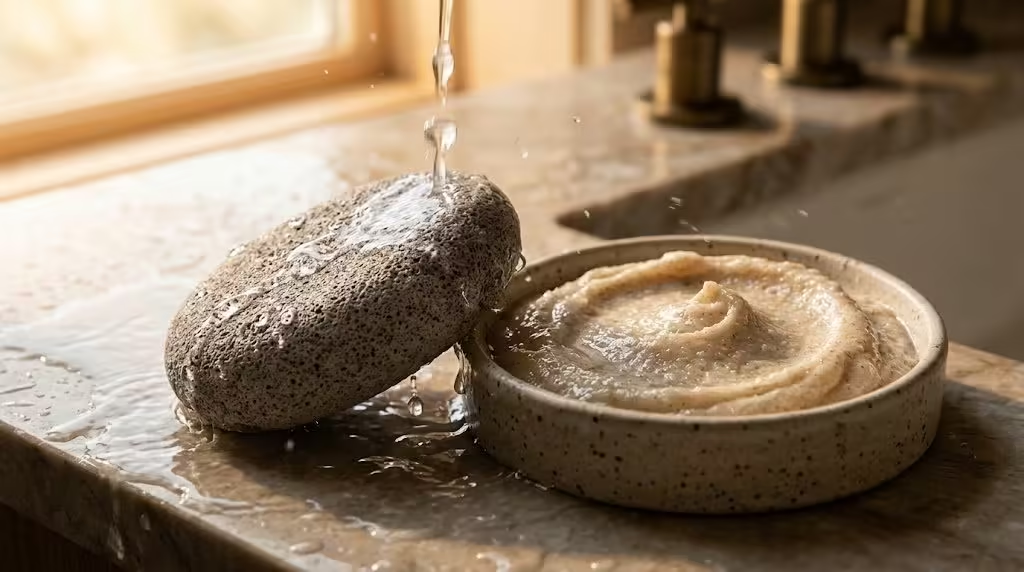
Choosing the right cleanser is arguably the most confusing and critical part of a modern bath and shower routine. The market is entirely saturated with heavily fragranced, colorful gels that smell beautiful but are packed with harsh surfactants like Sodium Lauryl Sulfate (SLS). These aggressive detergents are formulated to remove industrial grease, making them far too harsh for daily use on human skin.
Instead, your goal is to find a hydrating body wash formulated with gentle, plant-derived surfactants such as coco-glucoside or sodium cocoyl isethionate. These milder cleansing agents remove daily sweat and dirt without disturbing the acid mantle. Additionally, look for body washes that include moisture-binding humectants like glycerin, aloe vera, or hyaluronic acid to hydrate while they cleanse.
How to Apply Your Hydrating Body Wash
When applying your cleanser, the tools you use matter just as much as the product itself. Traditional mesh loofahs, while incredibly popular for creating a rich lather, are notorious breeding grounds for bacteria and mold if they are not replaced every few weeks. A much more hygienic option is to use your bare hands or a medical-grade silicone body scrubber.
You also do not need to vigorously scrub every single inch of your body with soap every day. Focus your lather on the areas that actually produce odor and trap sweat: the underarms, groin, and feet. For your arms, legs, and torso, the soapy runoff from rinsing is generally more than enough to get them sufficiently clean without drying them out.
Comparing Body Cleanser Types
To help you navigate the crowded beauty aisles, here is a quick, honest breakdown of common cleanser formulas so you can choose the best one for your personal bath and shower routine:
| Cleanser Type | Best Skin Type | Key Benefits | Honest Drawbacks |
|---|---|---|---|
| Gel Body Wash | Oily or normal | Lathers beautifully, leaves skin feeling refreshed | Can be highly drying if heavily fragranced or sulfate-heavy |
| Cream Cleanser | Dry or sensitive | Highly moisturizing, maintains the skin barrier | Produces very low foam; may not feel “squeaky clean” |
| Shower Oil | Extremely dry or mature | Deeply preserves lipids, provides a luxurious slip | Can leave a slight, slippery film on the tub floor |
| Bar Soap (Syndet) | All skin types | Eco-friendly packaging, highly travel-friendly | Must strictly choose pH-balanced “syndet” bars over traditional lye soap |
Step 3: Exfoliating Skin Safely and Effectively
Exfoliating is the process of removing dead, dull skin cells to unclog pores and allow your moisturizers to penetrate much deeper into the tissue. However, chronic over-exfoliation is a rampant issue that ruins otherwise perfect routines. For a balanced, healthy bath and shower routine, you should only be exfoliating skin one to two times per week.
There are two primary categories of exfoliation: physical and chemical. Physical exfoliants utilize small granules, such as sugar, finely milled bamboo, or jojoba beads, to manually buff the surface of the skin. Chemical exfoliants utilize gentle acids to dissolve the invisible bonds holding dead cells together, requiring no scrubbing at all.
Choosing Between Chemical and Physical Exfoliants
If you struggle with keratosis pilaris (often called strawberry legs) or stubborn body breakouts, a BHA (Beta Hydroxy Acid) body wash containing salicylic acid is highly effective because it penetrates inside the pore lining. If your main goal is simply achieving a glowing, even skin tone, an AHA (Alpha Hydroxy Acid) lotion applied post-shower often yields better results than a harsh physical scrub in the tub. If you want to understand the exact mechanisms behind these acids, reading our guide on understanding beauty ingredients will clarify which specific acid suits your needs.
When using any physical scrub, use the absolute lightest pressure possible. Let the granules do the work, rather than your hands pressing them into your skin. Aggressive scrubbing leads to micro-abrasions, which can trigger hyperpigmentation, especially in melanin-rich skin tones.
Step 4: Smart Shaving and Hair Removal
For those who incorporate hair removal into their bath and shower routine, timing is absolutely everything. You should always save shaving for the very end of your shower, ideally after you have been under the warm water for at least five to seven minutes. This allows the steam and water to soften the hair follicle and relax the skin, resulting in a significantly closer, smoother shave.
Never shave dry or use regular body wash as a shaving lubricant, as it simply does not provide enough protective slip between the blade and your skin. Use a dedicated, moisturizing shave cream, gel, or even a thick shower oil to protect the barrier from razor burn. Shaving is inherently a form of physical exfoliation, so on the days you shave your legs, skip using any additional body scrubs in that area.
Razor maintenance is also a crucial but often overlooked body care step. Store your razor outside of the humid shower environment to prevent the blades from rusting or harboring bacteria, and replace the blade every five to seven uses to prevent painful tugging and ingrown hairs.
Step 5: Post-Shower Body Care Steps for Ultimate Hydration
The moment you step out of the water and turn off the faucet, a biological timer immediately starts ticking. The golden “three-minute rule” dictates that you must apply your moisturizer within three minutes of lightly patting your skin dry with a towel. This technique traps the ambient water left on the surface of your skin, pulling it deeply into the epidermis rather than letting it evaporate into the dry bathroom air.
When drying off, never vigorously rub your skin with a harsh towel. Instead, gently pat or press a soft, absorbent towel against your body, leaving a slight sheen of moisture behind. This damp environment is the perfect canvas for your active ingredients and hydrators to absorb fully and quickly.
The Art of Body Slugging and Layering
For optimal results, especially in harsh weather or if you naturally suffer from dry skin, you should learn to layer your hydration. Start with a lightweight, water-based body lotion or a dedicated hyaluronic acid body serum on damp skin. This initial layer delivers the actual water content your skin is craving.
Follow this water-based layer immediately with an occlusive product, such as a botanical body oil, a thick shea butter, or a petrolatum-based ointment to act as a seal. This two-step practice, often referred to as “slugging” for the body, ensures lasting, 24-hour softness by preventing any of that hydration from escaping. The National Eczema Association strongly advocates for this “soak and seal” method to manage extreme dryness and repair barrier dysfunction.
Step 6: Layering Fragrances After Shower
Your post-shower body care steps directly and profoundly impact how long your expensive perfumes will last throughout the day. Fragrance molecules are highly volatile, meaning they evaporate incredibly fast on dry, parched skin. By creating a plump, well-moisturized base, you are essentially giving the perfume oils a lipid-rich surface to cling to.
This structural foundation is the undisputed secret to mastering perfume longevity and projection. To create a truly custom, radiant scent trail, try layering fragrances after shower while your body temperature is still slightly elevated and your pores are receptive.
Building Your Scent Profile
Start your fragrance layering process with an unscented body lotion, or one that shares a complementary base note with your main perfume, such as vanilla, sandalwood, or white musk. Next, generously spritz one of the best body mists all over your body while your skin is still warm, allowing it to settle into the lotion.
Finish the ritual by strategically applying your heavier Eau de Parfum directly onto your pulse points—the wrists, the inner elbows, the base of the throat, and behind the knees—once you are fully dressed. Understanding how different notes evaporate at different speeds will change your routine entirely; brush up on how to identify these layers with our guide on how fragrance notes are explained to build the most captivating scent trail.
It is important to remember that all fragrance products applied to the body should adhere to safety standards. Trustworthy brands formulate their scented body washes and lotions following the strict guidelines set by the International Fragrance Association (IFRA) to minimize the risk of contact dermatitis or allergic reactions.
Tailoring Your Bath and Shower Routine to Your Skin Type
Just like facial skincare, there is absolutely no one-size-fits-all approach to treating the skin on your body. You must proactively tailor your habits, your water temperature, and your specific product choices to what your unique biology demands on any given day.
For Dry, Sensitive, and Eczema-Prone Skin
If you suffer from chronic dryness, your entire bath and shower routine must focus strictly on barrier preservation. Limit your showers to a maximum of five to seven minutes using cool or just slightly tepid water. Avoid foaming gels completely; instead, rely on a rich, non-foaming shower oil or a soothing colloidal oatmeal cleanser to wash without stripping.
For Oily and Acne-Prone Skin
If you deal with body acne on your back, chest, or shoulders, your focus should shift toward gentle, consistent chemical exfoliation. Incorporate a 2% salicylic acid body wash into your routine, and crucially, leave the lather resting on your skin for two to three minutes before rinsing. This contact time is essential to allow the active ingredients to penetrate the pores and dissolve trapped sebum before it goes down the drain.
Seasonal Adjustments for Your Bath and Shower Routine
A truly effective bath and shower routine must evolve with the calendar. What keeps your skin glowing in humid July will likely leave it cracking in freezing January. Adjusting your products as the weather shifts is a hallmark of an expert body care regimen.
During the humid summer months, you can switch to lighter, refreshing gel cleansers and water-based gel-creams that absorb instantly without feeling heavy or sticky under clothing. In the harsh winter months, when indoor heating destroys ambient humidity, transition back to heavy shower oils, rich body butters, and strict adherence to cool water to combat environmental dryness.
Common Bath and Shower Routine Mistakes to Avoid
Even with the best products, certain mechanical mistakes can ruin your bath and shower routine. One of the most common errors is washing your face in the shower under direct, hot water streams. Facial skin is thinner and more delicate than body skin; the heavy water pressure and elevated temperature can easily cause broken capillaries and severe redness.
Another frequent mistake is applying body products in the wrong order. Always apply your lightest, most watery formulas (like serums or thin lotions) first, followed by heavier, thicker creams, and finally lock everything in with an oil. If you apply oil first, its occlusive nature will block the hydrating ingredients of your lotion from ever reaching the skin.
Key Takeaways
- Keep water strictly lukewarm and limit your shower time to 10-15 minutes to protect your delicate skin barrier.
- Swap out harsh, heavy-lathering soaps for a gentle, pH-balanced hydrating body wash that cleanses without stripping.
- Commit to exfoliating skin safely using chemical AHAs/BHAs or mild physical scrubs no more than twice a week.
- Save hair removal for the very end of your shower when steam has properly softened the hair follicles.
- Always follow the three-minute rule: apply body lotion or serum to damp skin immediately after lightly towel-drying.
- Enhance your signature perfume’s staying power by thoughtfully layering fragrances after shower over deeply moisturized skin.
Ready to Elevate Your Daily Rituals?
Building a mindful, science-backed bath and shower routine transforms a mundane daily chore into a luxurious moment of intentional self-care. When you understand the basic biology behind the products you use, you can finally stop wasting money on marketing hype and focus on what truly nourishes your body. If you are looking to refine your regimen even further, we invite you to explore our other honest guides on Golden Hour to help you find your perfect balance of effective skincare, elegant grooming, and unforgettable signature scents.
Frequently Asked Questions
How often should I actually shower?
Most dermatologists recommend showering once a day or even every other day, highly depending on your daily activity level, local climate, and baseline skin type. If you have very dry or sensitive skin, showering every other day helps perfectly maintain your natural lipid barrier while preventing excessive dryness, itching, and chronic irritation.
Can I use my facial cleanser as a hydrating body wash?
Yes, you can absolutely use a gentle, high-quality face wash on your body. In fact, many experts recommend that people with sensitive skin or body breakouts use their salicylic acid or hydrating facial cleansers on targeted body areas like the chest, back, and shoulders for a gentle, highly effective targeted treatment.
Why does my skin feel so itchy after a hot shower?
Hot water rapidly melts and strips the natural oils, cholesterol, and ceramides from your skin, physically damaging the protective barrier. This rapid loss of structural moisture leads directly to transepidermal water loss, causing the skin to feel painfully tight, visibly dry, and intensely itchy almost immediately after you dry off.
What is the safest way to start exfoliating skin?
Start slowly and gently by incorporating a mild chemical exfoliant, like a 5% lactic acid body lotion, just once or twice a week. If you heavily prefer a physical scrub, choose one formulated with very fine, perfectly round particles rather than jagged nut shells, and massage it incredibly lightly onto damp skin without harsh, aggressive scrubbing.
How does a proper bath and shower routine affect my perfume?
A proper routine deeply hydrates and plumps the skin, which is scientifically crucial for optimal perfume performance. Fragrance molecules physically bind to the natural oils and moisture present on your skin; if your skin is parched, the scent evaporates incredibly quickly. Well-moisturized skin acts as a powerful anchor for your fragrance.
Should I apply my body oil before or after my body lotion?
You should always apply your body oil after your body lotion. Lotion provides active hydration (water and humectants) directly to the skin, while body oil acts as an occlusive, heavy layer that seals all of that hydration inside. Applying an oil first would block the watery lotion from ever properly penetrating your skin.
Is it bad to wash and rinse my hair while sitting in the bath?
Washing your hair while sitting in a bath means you are ultimately rinsing it in standing water mixed with body dirt, residual soap, and floating bath oils. It is generally much better to wash and thoroughly rinse your hair under clean, running shower water at the very end of your bath to prevent heavy residue buildup on your scalp and hair strands.