How to Choose a Green Perfume for Women for Year-Round Wear
Finding the right green perfume for women can feel like walking a tightrope between smelling elegantly fresh and smelling like a freshly mowed lawn. Many fragrance lovers abandon this scent family after one sharp, bitter encounter, completely missing out on some of the most sophisticated, revitalizing blends in modern perfumery. If you want a signature scent that cuts through the noise of overly sweet gourmands and heavy orientals, it is time to give green fragrances a second look.
Quick answer: To choose a green perfume for women that works beautifully year-round, look for fragrances that balance sharp herbaceous notes (like galbanum or mint) with softer elements like white florals, creamy fig, or warm woods. Always test green scents directly on your skin to ensure the fresh top notes do not turn sour, and match the scent’s underlying depth to the current season.
Welcome to Golden Hour, where we strip away the marketing hype to help you find beauty and fragrance products that truly work for you. Today, we are diving deep into the lush, botanical world of green fragrances.
What Exactly is a Green Fragrance?
In the fragrance wheel, the “green” category captures the essence of the natural world in its most vibrant, raw state. It evokes the smell of crushed leaves, snapped stems, morning dew, and damp earth. Unlike fruity or heavily floral scents, green perfumes are characterized by their crisp, gender-neutral, and botanical profile.
The green fragrance family officially took root in 1947 with the release of Pierre Balmain’s Vent Vert. Formulated by the legendary perfumer Germaine Cellier, it used a massive overdose of galbanum to create a shocking, bitter-green blast that revolutionized women’s perfume. Before this, feminine scents were largely soft, powdery, and politely floral.
Today, the landscape of green perfumery is vastly more diverse. Thanks to advances in both natural extractions and synthetic aroma molecules (like cis-3-hexenol, which mimics the exact scent of freshly cut grass), modern green fragrances range from icy and aquatic to warm and woody. They are the ultimate olfactive reset button for your nose.
The Core Notes of Green Perfumery Demystified
To choose the right green perfume for women, you first need to understand the individual notes that make up this category. Green is not just one smell; it is a spectrum of botanical ingredients, each behaving differently on the skin.
Galbanum: The Bold and Bitter Resin
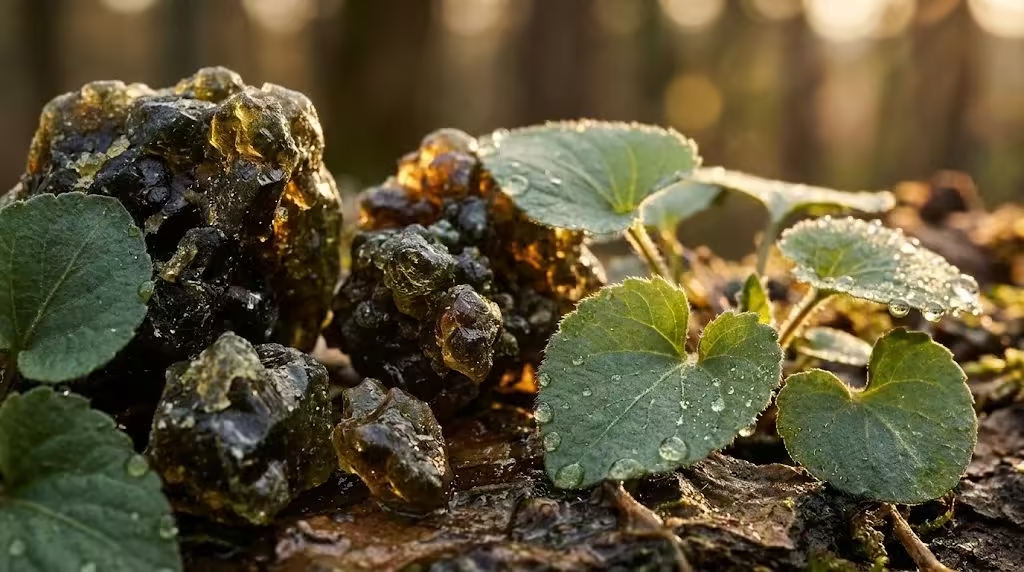
Galbanum is the undisputed king of classical green perfumery. Sourced from the resin of a Persian plant, it has an intensely bitter, sharp, and almost pine-like aroma. According to fragrance databases, galbanum provides the bracing “snap” you smell in vintage green chypres.
How it wears
On its own, galbanum can be aggressive. However, when blended with soft florals like iris or hyacinth, it creates an aura of unapproachable elegance. It is perfect for professional settings where you want to project confidence.
Fig Leaf: The Creamy, Earthy Green
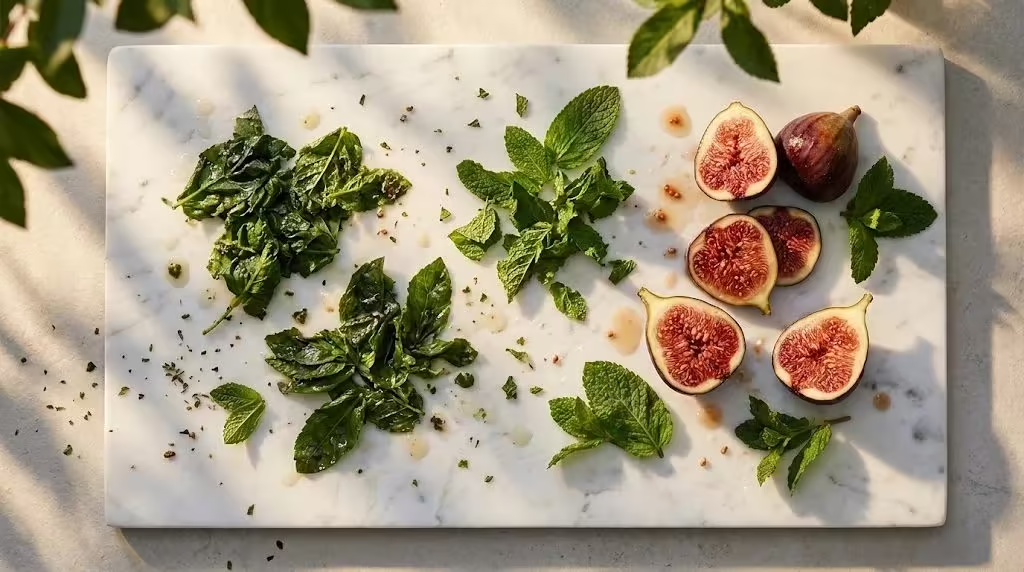
If galbanum is sharp, fig leaf is round and plush. It smells exactly like standing under a fig tree on a hot Mediterranean afternoon—dusty, sappy, woody, and slightly milky. Fig leaf notes are often paired with cedar or coconut to enhance their natural creaminess.
How it wears
Fig leaf is incredibly versatile and universally flattering. It is the best entry point for those who are intimidated by traditional, bitter green scents.
Violet Leaf: The Aquatic and Metallic Green
Unlike the powdery purple violet flower, the leaf of the violet plant yields a fragrance that is deeply green, slightly metallic, and very reminiscent of fresh cucumbers. It adds an ozonic, wet quality to perfumes.
How it wears
Violet leaf brings a modern, minimalist edge to fragrances. It feels cooling on the skin, making it an exceptional note for high-humidity climates.
Petitgrain and Vetiver: The Supporting Cast
Petitgrain is extracted from the leaves and twigs of the bitter orange tree. It bridges the gap between green and citrus, offering a woody, tart crispness. Vetiver, a fragrant grass, provides a smoky, root-like earthiness that frequently anchors the base of green perfumes.

The Best Green Perfume for Women: A Sub-Family Breakdown
Because pure green notes can be fleeting, perfumers almost always blend them with other fragrance families to give them structure and longevity. Understanding these sub-families is the secret to finding your perfect match.
| Fragrance Sub-Family | Key Characteristics | Best Suited For |
|---|---|---|
| Floral Green | Softens bitter greens with lush petals like jasmine, lily of the valley, or rose. | Spring wear, romantic occasions, and those who want an elegant, approachable scent. |
| Citrus Green | Bright, zesty, and highly volatile. Blends mint, basil, or tea with lemon and bergamot. | High summer, gym bags, and instant mood-boosting freshness. |
| Woody Green | Earthy and grounded. Combines fig leaf, vetiver, or oakmoss with sandalwood or cedar. | Autumn wear, evening events, and lovers of unisex or masculine-leaning scents. |
| Fruity Green | Juicy but tart. Features notes like rhubarb, green apple, or blackcurrant bud. | Everyday casual wear and vibrant, youthful energy. |
If you find that green notes are too stark on their own, a Floral Green is highly recommended. You can learn more about how floral notes interact with your skin in our guide on jasmine perfume for women.
How to Choose a Green Perfume for Women by Season
While you can wear any perfume at any time, green fragrances are particularly sensitive to temperature and humidity. Their crispness can either be incredibly refreshing or surprisingly harsh depending on the weather.
Spring: Dewy and Floral Greens
Spring is the spiritual home of the green perfume. During these months, you want fragrances that mimic the thawing earth and blooming buds. Look for green notes paired with hyacinth, lily of the valley, and tulip.
These floral greens project beautifully in mild weather without becoming cloying. They feel optimistic, polite, and are often considered some of the best office perfumes for women because of their clean profile.
Summer: Crisp, Cooling, and Citrus Greens
In high heat, heavy perfumes become suffocating. This is when you should reach for green scents that feature cooling herbs like mint, basil, and tarragon, or those built around green tea and petitgrain.
These compositions act like a cold splash of water on the skin. Because they are highly volatile, you may need to reapply them throughout the day. For more heat-proof options, explore our guide to fresh citrus perfume for women.
Autumn: Earthy and Woody Greens
As the air cools, bright citrus and delicate florals lose their punch. Autumn calls for green fragrances with depth, weight, and earthiness. Look for prominent notes of vetiver, patchouli, oakmoss, and fig leaf.
These scents mimic the smell of dry leaves and damp forest floors. They are comforting, grounding, and pair perfectly with cozy knitwear and crisp autumn air.
Winter: Resinous and Evergreen Scents
It is a common misconception that green perfumes cannot be worn in winter. The trick is to look for heavy, resinous greens. Galbanum, pine needles, juniper, and cypress shine brilliantly in the cold.
These evergreens cut through the icy air with a sharp, crystalline clarity. When layered over a base of amber or musk, they provide a stunning contrast between cold top notes and warm base notes.
Understanding Skin Chemistry and Green Notes
The most crucial step in choosing a green perfume for women is the skin test. Never buy a green fragrance based solely on how it smells on a paper blotter. The unique chemistry of your skin will drastically alter the scent.
Green notes, especially synthetic ones, can be quite volatile. If your skin runs naturally acidic, it can amplify the sharpness of notes like galbanum or tomato leaf, making the perfume smell sour or acrid. Conversely, skin that runs warmer can burn through the fresh top notes in minutes, leaving only the heavier base notes behind.
To truly understand how a fragrance behaves, you must wear it for a full day. To learn how to properly evaluate a scent’s performance from first spritz to final dry-down, read our comprehensive guide on measuring perfume longevity.
How to Make Green Perfumes Last Longer
One of the most common complaints about green fragrances is that they fade too quickly. This is an unavoidable fact of fragrance chemistry; the molecules that smell fresh, grassy, and citrusy are the smallest and lightest, meaning they evaporate first.
To extend the life of your green perfume, you have to anchor it. Start by applying an unscented body lotion or a matching green body cream right after your shower. Hydrated skin holds onto fragrance oils significantly better than dry skin.
Additionally, try spraying your fragrance on your clothes (test on a hidden area first to avoid staining). Fabric does not heat up the way skin does, which slows down the evaporation of those delicate, crisp top notes, keeping the “green” phase of the perfume alive for hours longer.

Layering: Customizing Your Green Fragrance
If you own a green perfume that feels a little too sharp or unapproachable, do not throw it away. Green scents are incredible for layering because they add instant freshness and complexity to heavier, sweeter perfumes.
Try layering a bitter green fragrance over a simple vanilla body oil. The green notes will cut through the cloying sweetness of the vanilla, while the vanilla softens the sharp edges of the green. Similarly, layering a fresh, minty green over a deep, woody sandalwood creates a perfectly balanced, bespoke scent.
Experimentation is key. Perfumery is an art, and understanding how to mix contrasting notes allows you to adapt your green perfume for any occasion, mood, or season.
Key Takeaways
- Know your greens: Galbanum is sharp and bitter, fig leaf is creamy, and violet leaf is aquatic. Choose the note that matches your desired vibe.
- Skin testing is non-negotiable: Green notes can turn sour on certain skin chemistries. Always wear the scent for a full day before committing.
- Embrace sub-families: If pure green is too harsh, look for Floral Greens (with jasmine or rose) or Woody Greens (with vetiver or cedar) for better balance.
- Match the season: Wear icy mint and citrus greens in the summer, and save resinous galbanum and woody vetiver for autumn and winter.
- Hydrate to extend longevity: Green top notes evaporate rapidly. Apply to well-moisturized skin or directly to clothing to make the freshness last.
If you are ready to refine your fragrance wardrobe and cut through the endless marketing hype, explore more of our honest, in-depth guides at Golden Hour. We are here to help you find the products that make you look, feel, and smell incredible.
Frequently Asked Questions
What is the difference between a green perfume and an aquatic perfume?
While both are fresh, green perfumes evoke terrestrial nature—crushed leaves, grass, and stems. Aquatic perfumes rely on synthetic notes like Calone to mimic the smell of sea water, rain, and oceanic breezes. Aquatics are distinctly wet and salty, while greens are botanical and earthy.
Why does my green perfume smell like soap?
Many green fragrances, particularly those containing lily of the valley or certain synthetic musks, were historically used to scent luxury soaps. If your perfume smells soapy, it is simply your brain associating those specific clean, green floral notes with bath products you have used in the past.
Are green perfumes appropriate for evening wear?
Absolutely. While citrus and mint greens are best for daytime, woody and chypre greens are incredibly elegant for the evening. Look for green perfumes anchored with dark patchouli, oakmoss, or leather for a sophisticated, mysterious nighttime scent.
Can I wear a green perfume in the winter?
Yes, but you should adjust the type of green you wear. Summer greens (like tea and basil) can smell thin and metallic in the cold. Instead, opt for winter greens that feature pine, cypress, galbanum, and rich woody bases, which smell crisp and vibrant in freezing temperatures.
What is galbanum in perfume?
Galbanum is a fragrant gum resin extracted from certain plant species native to the Middle East. In perfumery, it is famous for its intensely green, bitter, and slightly woody aroma. It is the signature ingredient that gives classic green perfumes their bracing, sophisticated “snap.”
Do green fragrances expire faster than other perfumes?
Green and citrus top notes are the most volatile and delicate molecules in a perfume. If exposed to heat or direct sunlight, these fresh notes are usually the first to break down and smell “off.” Keep your green perfumes in a cool, dark drawer to preserve their crispness.