The Honest Guide to Building a Winter Beauty Routine That Actually Protects Your Skin and Spirit
If your skin feels tight and your makeup looks patchy the moment the weather turns cold, you are not alone; this is exactly why building a winter beauty routine requires a completely different approach than your summer regimen. The sudden drop in temperature and humidity rapidly strips moisture from our skin, making our usual lightweight gels and sheer citrus scents suddenly ineffective. When the environment changes, your products must pivot to protect, hydrate, and comfort you.
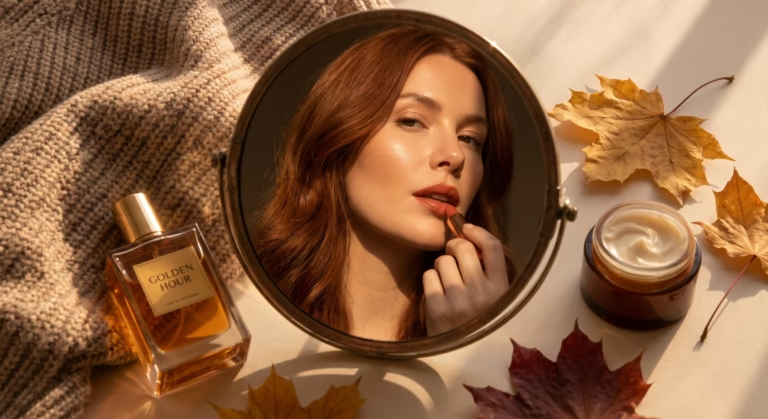
Quick answer: Transitioning your regimen for the cold involves swapping stripping, foaming cleansers for hydrating balms, and replacing lightweight lotions with ceramide-rich barrier repair creams. It also means switching to emollient cream-based makeup to prevent flaking, and trading fleeting summer citrus perfumes for richer, warmer cold weather fragrances—like amber, vanilla, or woods—that project beautifully in frigid air.
Here at the Golden Hour beauty and fragrance homepage, our philosophy is rooted in honest, hype-free guidance. We believe in understanding the “why” behind your products so you can make informed choices without feeling pressured by the beauty industry’s endless cycle of new releases. Let us explore the science and strategy behind transitioning your routine for the colder months, step by step.
Why Building a Winter Beauty Routine is Essential
Understanding the environmental mechanics of cold weather is the first step in creating a regimen that actually works. When winter arrives, the air loses its ability to hold moisture, leading to a drastic drop in environmental humidity. This dry air acts like a sponge, pulling water directly out of your skin through a process called transepidermal water loss (TEWL). Without intervention, this constant evaporation leaves your skin vulnerable, sensitized, and visibly dull.
Furthermore, indoor heating systems exacerbate this issue by baking the remaining moisture out of the air. Moving constantly between freezing, windy outdoor conditions and artificially heated indoor spaces throws your skin barrier into a state of shock. The lipid matrix that holds your skin cells together—often compared to the mortar between bricks—can become compromised, leading to micro-cracks, redness, and severe dehydration that no single product can instantly fix.
This environmental shift does not just affect your skin; it impacts how your makeup sits and how your fragrance projects. Dry skin texture causes foundation to cling to dry patches, while cold skin temperatures prevent perfume molecules from evaporating and projecting. Therefore, successfully adapting to the cold is not about simply applying more of the same products; it is about fundamentally changing the textures, ingredients, and application techniques you use daily.
Step 1: The Winter Skincare Transition for Barrier Health
When embarking on your winter skincare transition, the primary goal should always be barrier protection and repair. If your skin barrier is compromised, no amount of expensive serum will fix the underlying irritation. Let us break down the essential swaps you need to make to keep your complexion resilient.
Swap Foaming Cleansers for Milks and Balms
The most common mistake people make when adjusting their regimen is continuing to use harsh, foaming gel cleansers. While these feel refreshing in humid summer months, their high surfactant levels strip away natural oils that your skin desperately needs in the cold. In winter, your skin produces less sebum, meaning you have less natural protection against the biting elements.
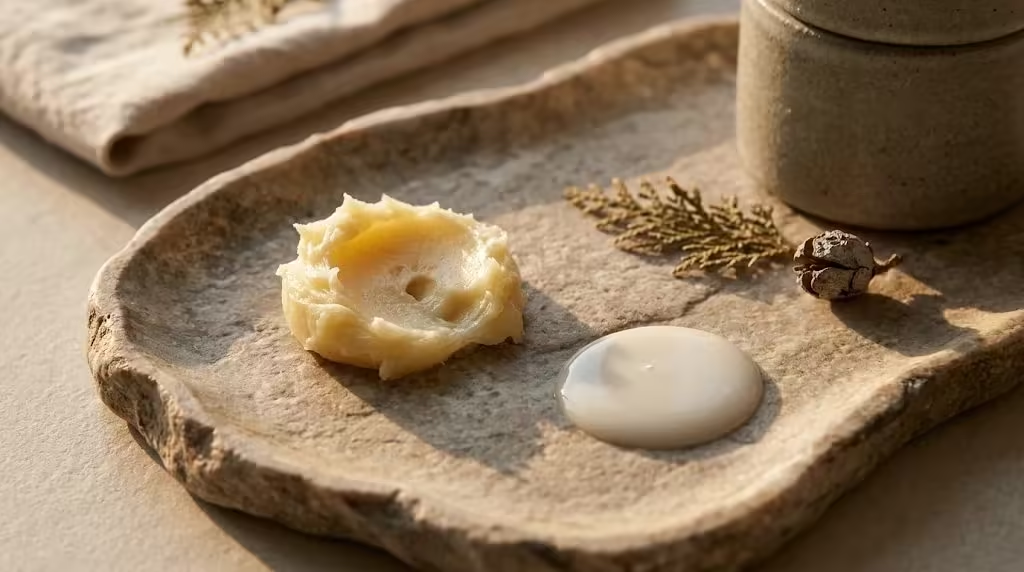
Instead, transition to oil-based cleansing balms, milky cleansers, or gentle non-foaming lotions. These formulas melt away makeup and impurities while leaving a microscopic layer of conditioning lipids on the skin. If you are unsure where to start, you can learn more in our honest guide on how to choose the best face cleansers for your true skin type. Massaging a rich balm into your skin not only cleanses but boosts circulation, bringing a natural flush back to dull winter skin.
Embrace Barrier Repair Creams
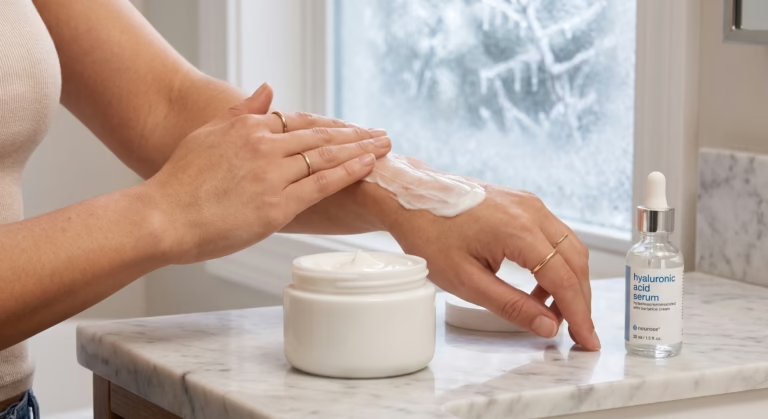
In the summer, a lightweight hyaluronic acid gel might be enough to keep your skin plump and hydrated. In the winter, however, hyaluronic acid can actually draw moisture out of your deeper skin layers if there is no humidity in the air to pull from. To prevent this, you must seal your hydration with heavy-duty barrier repair creams.
Look for moisturizers formulated with the “golden ratio” of barrier repair: ceramides, cholesterol, and free fatty acids. These ingredients mimic your skin’s natural lipid structure, effectively patching up any environmental damage and sealing in water. Ingredients like squalane, shea butter, and panthenol (Vitamin B5) are also exceptional for soothing wind-chapped skin.
Application Tip for Heavy Creams
To get the most out of rich moisturizers, do not apply them to bone-dry skin. After cleansing, leave your face slightly damp or mist it with a hydrating essence, then immediately warm the cream between your fingertips and press it gently into the skin. This locks the surface water directly into your epidermis.
The Truth About Winter Exfoliation
While it is tempting to scrub away flaky winter skin, aggressive physical exfoliation will only damage your already vulnerable skin barrier. A key component of your cold-weather strategy is practicing gentle, chemical exfoliation. Opt for lactic acid or polyhydroxy acids (PHAs), which are larger molecules that exfoliate gently while simultaneously drawing moisture into the skin.
Limit exfoliation to once or twice a week during the coldest months. If your skin feels tight or stings when you apply your basic moisturizer, stop all exfoliation immediately and focus purely on hydration until the barrier heals. The American Academy of Dermatology tips for dry skin highly recommend simplifying your routine when irritation occurs, paring it back to just cleanser, moisturizer, and sunscreen.

Step 2: Hydrating Makeup for Cold Weather
Even the most flawless skincare prep can be ruined by using the wrong makeup formulas in freezing weather. Matte, long-wear foundations that control oil in July will look cracked, dry, and aged by January. Transitioning to hydrating makeup for cold weather is non-negotiable for a healthy, glowing complexion.
Luminous, Emollient Foundations
When updating your makeup bag for the chill, put away your powder foundations and matte liquids. Instead, seek out serum foundations, skin tints, or emollient liquid foundations infused with skincare ingredients like glycerin, squalane, and jojoba oil. These formulas move with your skin rather than sitting rigidly on top of it, creating a flexible veil that resists cracking.
Applying foundation over dry skin requires a gentle touch. Use a damp makeup sponge rather than a stiff brush to press the product into the skin, which prevents micro-exfoliation (disturbing dry flakes so they stand up and become visible). For deeper insights into base products that will not betray you in the cold, explore our guide on how to choose foundation that actually looks like skin.
Cream Blushes Over Powders
Powder blushes and bronzers can easily look dusty when the air is dry and your skin is craving moisture. Cream and liquid cheek products are the secret to mimicking a natural, youthful flush in the dead of winter. They melt into the skin’s warmth, providing a seamless finish that looks like a genuine, healthy glow rather than makeup sitting on the surface.
If you have oily skin and fear creams will slide off, remember that winter naturally curbs oil production. A cream blush applied over a hydrating base will likely stay put much better in December than it would in August. You can always set just the very center of your face (like the T-zone) with a finely milled translucent powder, leaving the cheeks dewy and fresh.
Protecting Your Lips with Color
The skin on our lips is incredibly thin and lacks sebaceous (oil) glands, making it the first area to crack and bleed when temperatures plummet. A crucial part of protecting your skin in freezing temperatures is keeping a heavy, occlusive lip treatment on hand at all times, especially if you want to wear color.
Layering is key for winter lip care. First, apply a hydrating serum or a thin layer of a basic moisturizer to provide actual water to the lips. Then, immediately seal it with a thick tinted ointment containing petrolatum, lanolin, or beeswax. Avoid matte liquid lipsticks on severely cold days, opting instead for tinted lip balms, rich lip oils, or hydrating glosses that provide both pigment and protection.

Step 3: Curating Cold Weather Fragrances
Fragrance is deeply impacted by temperature and humidity. Perfume relies on your body heat to evaporate and project its aromatic molecules into the air around you. In the bitter cold, your skin temperature drops, causing light, volatile notes to sit close to the skin and disappear rapidly before anyone can smell them.
Why Perfume Performs Differently in Winter
When you are swapping your scents for the season, you must account for this shift in fragrance chemistry. Summer staples like lemon, bergamot, and sheer aquatic notes have small molecular structures that flash off too quickly in the cold. To achieve any sillage (the scent trail you leave behind), you need fragrances anchored by heavy, dense molecules that have the structural integrity to withstand the chill.
Furthermore, winter clothing—heavy wool coats, thick scarves, and cashmere sweaters—can muffle delicate scents. A fragrance needs robust depth and projection to pierce through these layers of heavy fabric. This is the perfect time of year to bring out your most potent, long-lasting extraits and eau de parfums, which contain higher concentrations of perfume oils.
Notes to Look For
The best cold weather fragrances are those that provide a sense of warmth, coziness, and depth. Look for olfactory families like Amber, Woody, Gourmand, and Spicy. These families utilize large, heavy molecules that cling to the skin and project beautifully when you transition from the cold outdoors into a warm, heated room.
- Amber and Vanilla: These rich, sweet base notes offer a comforting, blanket-like warmth that feels incredibly luxurious in the snow. They evoke feelings of indulgence and nostalgia.
- Woods and Resins: Notes of sandalwood, cedar, frankincense, labdanum, and myrrh evoke the feeling of a crackling fireplace and provide excellent longevity on both skin and fabric.
- Spices: Cinnamon, cardamom, black pepper, and clove add a fiery, stimulating heat to a fragrance, cutting through the crisp winter air perfectly and offering a sophisticated edge.
For specific recommendations, thorough performance tests, and honest reviews, we highly suggest reading our comprehensive guide on the best winter perfumes for women to find your perfect seasonal signature.
Layering for Longevity
Dry winter skin is notoriously bad at holding onto fragrance. When skin lacks oil, perfume molecules have nothing to bind to, causing the scent to evaporate almost instantly. To combat this, you must prep your skin before applying perfume.
Apply an unscented body oil or a rich, emollient body butter as soon as you step out of the shower. Once it has absorbed slightly, spray your perfume directly onto the moisturized areas. The oils in the lotion will trap the fragrance oils, dramatically extending the life of your scent. According to resources like the International Fragrance Association (IFRA) and perfumery experts, applying scent to well-hydrated skin is the single most effective way to improve performance. You can also spray perfume lightly on your scarves or sweaters, as natural fibers like wool and cashmere hold scent much longer than human skin.

Step 4: Body and Hair Care in the Bitter Cold
We often focus entirely on our faces when switching up our products, neglecting the skin below our necks and the hair on our heads. However, cold weather can trigger severe body eczema, cause persistent itchiness, and lead to hair that is brittle, flat, and prone to extreme static.
The Lukewarm Shower Rule
Nothing feels better on a freezing morning than a boiling hot shower, but it is the absolute worst thing you can do for your skin. Hot water instantly melts away your skin’s natural lipid barrier, accelerating transepidermal water loss the moment you step out of the steam. Stick to lukewarm water, and keep your showers under ten minutes to preserve your natural oils.
Swap out highly fragranced, sulfate-heavy body washes for nourishing shower oils or creamy body cleansers. The goal is to exit the shower feeling soft and supple, not “squeaky clean.” Squeaky skin is stripped skin, which is the absolute enemy of winter beauty.
Heavy-Duty Body Lotions
The three-minute rule is vital here: you must apply your body moisturizer within three minutes of gently patting yourself dry with a towel. Applying lotion to damp skin locks in the surface water before it has a chance to evaporate into the dry winter air.
Look for thick body butters containing urea, glycerin, and colloidal oatmeal to soothe itchiness and repair dry patches on elbows, knees, and shins. For your hair, incorporate weekly deep conditioning masks and use a few drops of hair oil on the ends daily to prevent static and breakage caused by friction from wool coats, scarves, and heavy hats.
Golden Rules for Building a Winter Beauty Routine
Transitioning your routine doesn’t have to be overwhelming. By understanding the core principles of hydration and protection, you can easily swap out your products for winter-appropriate alternatives without overspending. This systematic approach ensures you stay glowing and comfortable all season long.
To make the transition crystal clear, we have compiled a straightforward comparison table showing exactly which product categories need to change as the temperature drops. Consider this your cheat sheet for seasonal beauty transitions.
| Product Category | Summer Routine Focus | Winter Routine Swap |
|---|---|---|
| Cleanser | Foaming gels, clarifying washes | Cleansing balms, milky lotions, cleansing oils |
| Moisturizer | Lightweight water gels, oil-free lotions | Rich creams with ceramides, squalane, and fatty acids |
| Foundation | Matte finish, powder foundation, long-wear liquids | Serum foundations, skin tints, hydrating luminous liquids |
| Cheek Makeup | Powder blush, powder highlighter | Cream blush, liquid illuminators, hydrating balms |
| Fragrance Profile | Citrus, aquatic, sheer florals, fresh greens | Amber, woods, vanilla, spicy, deep gourmands |
| Body Care | Lightweight lotions, aloe gels | Thick body butters, body oils, urea-based creams |
For more foundational advice on establishing your habits before the severe weather hits, you can always refer back to our core guide on building a daily skincare routine that actually works.
Key Takeaways
Successfully building a winter beauty routine comes down to prioritizing protection over perfection. Here is what you need to remember to keep your skin healthy and your fragrance lasting through the cold:
- Protect the Barrier: Swap foaming cleansers for balms, and use thick, ceramide-rich moisturizers to prevent moisture loss and repair environmental damage.
- Hydrate Your Base: Ditch matte powders in favor of emollient liquid foundations and cream blushes to avoid highlighting dry patches and fine lines.
- Adjust Your Scent: Transition to heavier, resinous cold weather fragrances (ambers, woods, spices) that can project through cold air and heavy clothing.
- Moisturize Strategically: Apply rich body creams immediately after a lukewarm shower while the skin is still slightly damp to lock in maximum hydration.
- Avoid Hot Water: Steaming hot showers strip the natural oils your body desperately needs to survive the winter wind; stick to short, lukewarm washes.
Navigating the beauty world can be exhausting when every brand is trying to sell you a seasonal quick fix. We hope this guide helps you curate a routine that truly serves your needs. If you are looking for more honest, hype-free advice, take a moment to explore our other detailed guides across Golden Hour to elevate your fragrance and skincare knowledge.
Frequently Asked Questions
Why does my skin suddenly break out in the winter?
Winter breakouts are often caused by a compromised skin barrier rather than excess oil. When cold wind and dry indoor heating strip your skin of moisture, it triggers inflammation and micro-cracks where bacteria can easily enter. Additionally, using excessively heavy, comedogenic oils to combat dryness can clog pores. Focus on non-comedogenic barrier repair creams with ceramides rather than pure heavy oils.
Do I still need to wear sunscreen in the winter?
Yes, wearing sunscreen is an absolute necessity year-round. While UVB rays (which cause sunburns) are weaker in the winter, UVA rays (which cause premature aging and DNA damage) remain consistent through clouds and glass. Furthermore, snow can reflect up to 80% of UV rays, drastically increasing your exposure. Choose a hydrating, creamy sunscreen for winter use.
Why does my perfume fade so quickly in cold weather?
Perfume requires the warmth of your skin to evaporate and release its scent molecules into the air. In freezing temperatures, your skin is colder, preventing the fragrance from properly volatilizing. Additionally, dry winter skin lacks the natural oils needed to anchor the scent. Applying an unscented body lotion before spraying can drastically improve cold weather longevity.
Can I use hyaluronic acid in a dry winter climate?
You can use hyaluronic acid in the winter, but it requires extreme caution. Hyaluronic acid is a humectant that draws moisture from its surroundings. If the air is bone-dry, it will pull water from the deeper layers of your skin instead, leaving you more dehydrated. You must apply it to damp skin and immediately seal it with a thick, occlusive moisturizer.
How do I stop my foundation from looking flaky in winter?
To prevent flaky foundation, you must address the texture of your skin before applying makeup. Gently exfoliate with a chemical liquid exfoliant (like lactic acid) once a week, and thoroughly moisturize before makeup application. Switch to a hydrating makeup for cold weather, such as a serum foundation, and apply it with a damp sponge rather than a buffing brush.
Are cream blushes better than powder blushes for dry skin?
Cream blushes are significantly better for dry, winter skin. Powders tend to absorb the tiny amount of oil and moisture left on your face, emphasizing dry patches and fine lines. Cream blushes melt into the skin, providing a dewy, hydrated finish that mimics a natural flush and moves comfortably with your face throughout the day.
What are the best fragrance notes for a winter perfume?
The best notes for winter perfumes are those with large, dense molecular structures that project well in the cold and offer a feeling of warmth. Look for rich ambers, vanilla, sandalwood, cedar, patchouli, and warm spices like cardamom and cinnamon. These base-heavy notes cling to the skin and fabrics, providing excellent longevity despite the frigid air.