Winter Beauty The Ultimate Guide to Cold-Weather Skincare, Makeup, and Fragrance
When the temperature drops and the air turns crisp, your beauty routine requires a fundamental shift. Winter beauty is about more than just applying a thicker moisturizer; it is a comprehensive approach to protecting your skin’s barrier, adapting your makeup formulas, managing hair hydration, and transitioning to richer, warmer fragrances that thrive in the cold.
As the environment changes, so do the physiological needs of your skin and hair. Low humidity, biting winds, and artificial indoor heating combine to strip away natural oils and moisture, leading to dehydration, flaking, static, and dullness. Navigating Winter Beauty seasonal shift requires a strategic, holistic regimen.
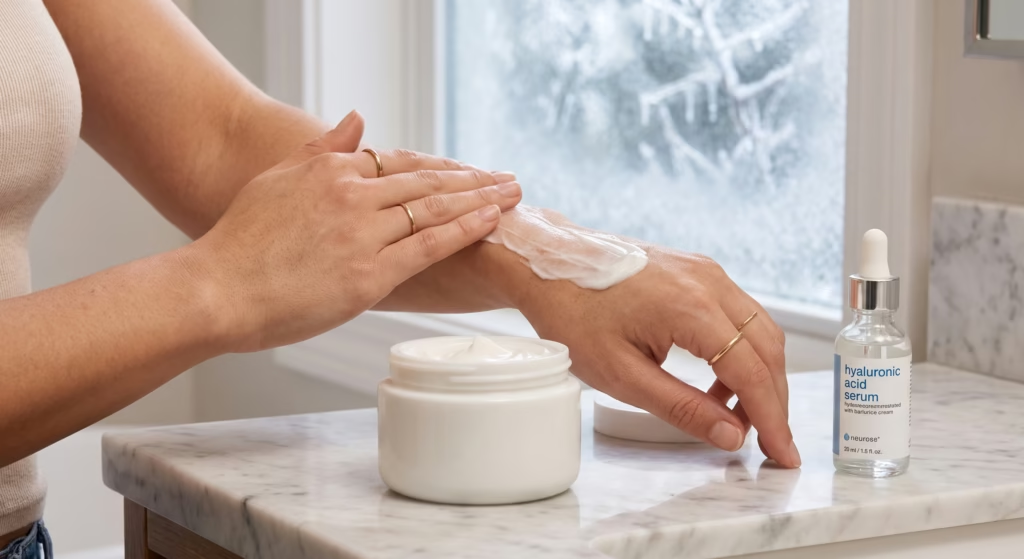
Whether you are braving a snowy urban commute or simply managing the dry heat of your apartment, Winter Beauty comprehensive guide will walk you through exactly how to adapt your skincare, makeup, hair care, body care, and fragrance for the winter months.
What Is Winter Beauty?
Winter beauty encompasses the specific adjustments made to skincare, cosmetics, body care, and fragrance routines to counteract the harsh environmental stressors of cold weather. It focuses heavily on barrier protection, deep hydration, emollient textures, and adapting color cosmetics to prevent caking on dry skin.
A successful winter beauty strategy is not about replacing every item in your cabinet. Instead, it is about strategic layering, swapping out lightweight summer formulas for richer alternatives, and paying closer attention to moisture retention from head to toe.
Why Does Your Beauty Routine Need to Change in Winter?
Your beauty routine must change in winter because cold outdoor air holds less moisture, and indoor heating systems further deplete humidity. Winter Beauty environment accelerates transepidermal water loss (TEWL) the process by which water evaporates from the skin into the air.

When TEWL increases, the skin barrier becomes compromised. This leads to micro-cracks, redness, sensitivity, and severe dryness. Hair cuticles become roughened and prone to static electricity, while makeup that performed beautifully in July may suddenly cling to dry patches and separate by noon in January. Furthermore, cold temperatures suppress the volatility of fragrance molecules, meaning the light, citrusy perfumes of summer will vanish almost instantly on cold winter skin.
The Ultimate Winter Skincare Routine
Navigating winter skincare requires a delicate balance of gentle cleansing, deep hydration, and robust moisture-locking techniques.
How to Keep Skin Hydrated in Winter
To keep skin hydrated in winter, you must use a combination of humectants to draw water into the skin, emollients to smooth the skin’s surface, and occlusives to seal that moisture in. Relying on just one of these components will leave your skin vulnerable to the dry winter air.
1. Switch to a Gentle, Non-Stripping Cleanser Foaming cleansers that leave your skin feeling “squeaky clean” are often too harsh for winter. They strip away vital lipids. Transition to a cream, balm, or oil cleanser. These formulas dissolve makeup, sunscreen, and daily grime while leaving the skin’s natural moisture barrier intact.
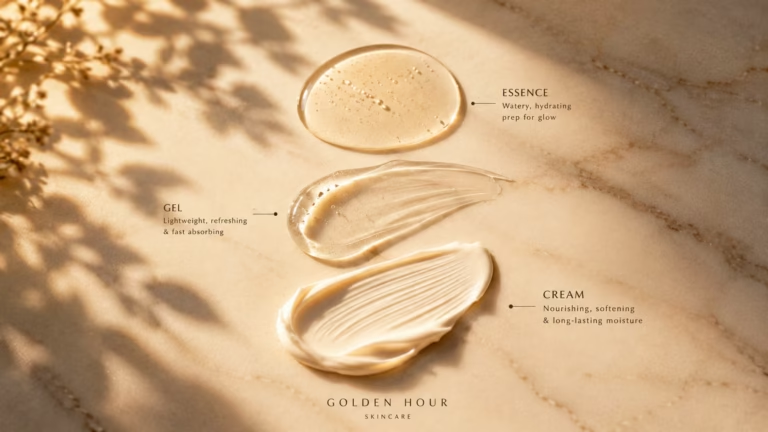
2. Layer Your Hydration Hydration refers to water content, while moisture refers to oil and lipid content. Apply a hydrating essence or serum packed with humectants like hyaluronic acid, glycerin, or polyglutamic acid onto damp skin immediately after cleansing. In dry winter air, applying hyaluronic acid to bone-dry skin can actually draw water out of your deeper skin layers, worsening dehydration.
3. Strengthen the Skin Barrier Look for ingredients that mimic the skin’s natural lipid barrier. Ceramides, cholesterol, and fatty acids are essential during the winter months. Incorporating a barrier-repair serum or integrating these ingredients into your moisturizing step helps repair the micro-tears caused by wind and cold.
Winter Moisturizing Tips: Choosing the Right Texture
During winter, lightweight gel moisturizers usually lack the necessary occlusive properties to prevent water loss. Transition to a richer, cream-based moisturizer. Ingredients like shea butter, squalane, and jojoba oil provide excellent emollient properties. For exceptionally dry climates or severely dry skin, consider “slugging” at night—applying a thin layer of an occlusive ointment (like petroleum jelly) over your moisturizer to lock in hydration while you sleep.
Why You Can’t Forget Sun Protection in Winter
You must wear sunscreen in winter because UV rays remain active year-round, and UVA rays—the ones responsible for premature aging and hyperpigmentation—can penetrate through heavy winter clouds and glass windows. Furthermore, snow can reflect up to 80% of the sun’s UV light, nearly doubling your exposure.
Opt for a moisturizing SPF formula. Many modern sunscreens double as excellent winter day creams, providing both broad-spectrum protection and an extra layer of barrier defense against the biting wind.
(Explore more seasonal skincare strategies in Golden Hour’s comprehensive Seasonal & Occasion Beauty Guide.)
Winter Lip, Hand, and Body Care
The face is not the only area that suffers during the colder months. The extremities and body require just as much attention.
Healing Winter Lips
The skin on your lips is exceptionally thin and lacks the sebaceous (oil) glands found elsewhere on your body. Winter Beauty makes them highly susceptible to chapping and splitting.
- Avoid licking your lips: Saliva evaporates quickly and contains digestive enzymes that dry out the skin further.
- Exfoliate gently: Use a sugar-based lip scrub once a week to remove flakes.
- Seal it in: Apply a rich lip mask or lanolin-based balm at night, and carry a protective balm with SPF during the day.
Winter Hand Care
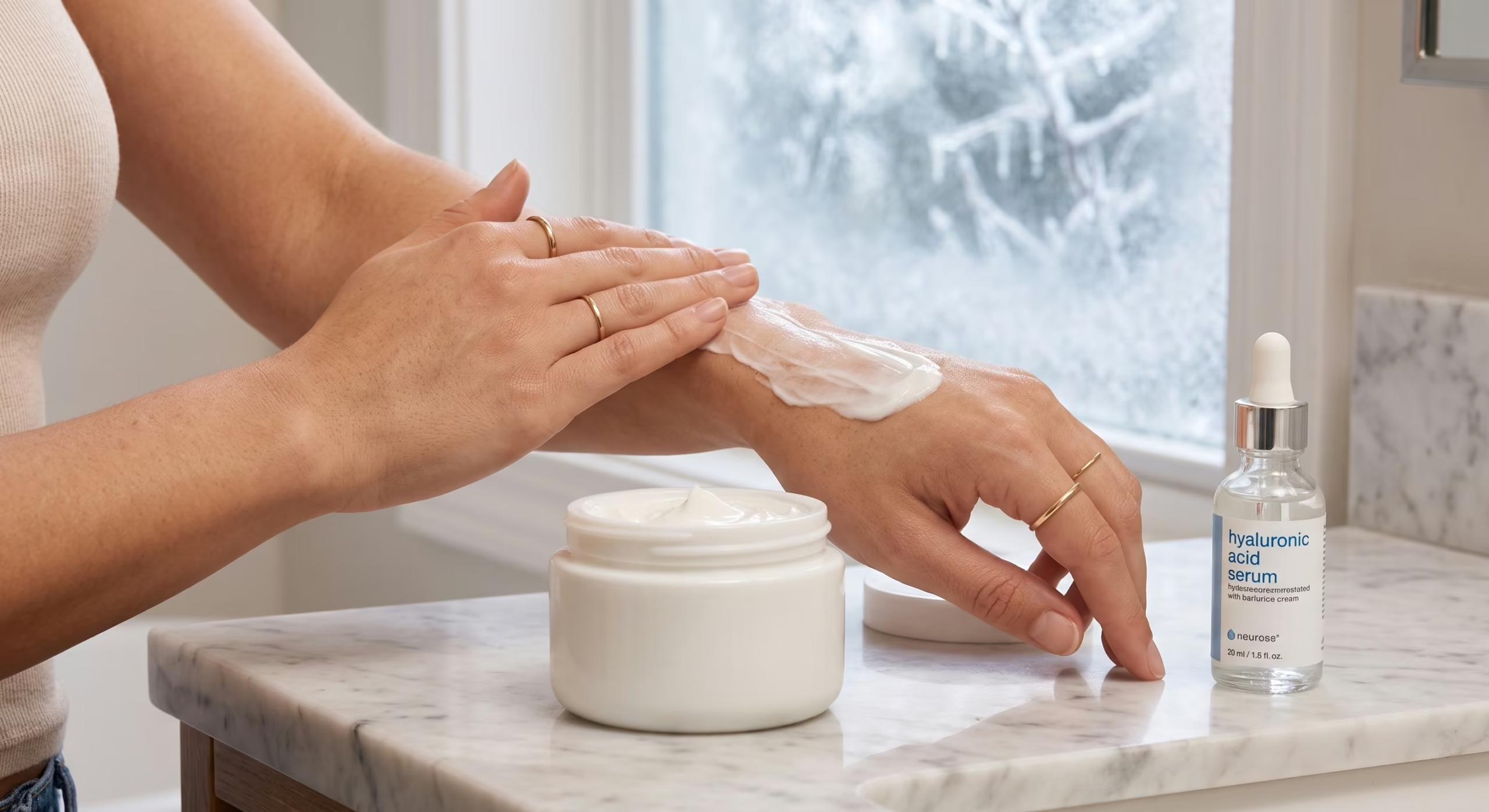
Frequent hand washing during cold and flu season, combined with frigid air, can leave hands raw and cracked. Keep a rich hand cream next to every sink in your home and apply it immediately after washing while your hands are still slightly damp. Look for formulas containing colloidal oatmeal or urea to soothe irritated skin. Wear gloves outdoors not just for warmth, but to physically block the wind from stripping moisture from your hands.
Body Care and Shower Habits
A long, steaming hot shower feels magnificent on a freezing morning, but it is incredibly damaging to your skin. Hot water melts away the natural oils that protect your skin barrier.
- Turn down the temperature: Keep showers warm, not scalding.
- Limit shower time: Aim for 5 to 10 minutes.
- The 3-Minute Rule: The most critical step in winter body care happens immediately after you towel off. Within three minutes of exiting the shower, apply a thick body butter or body oil to lock in the ambient moisture before it evaporates.
Winter Makeup Tips Flawless Application in the Cold
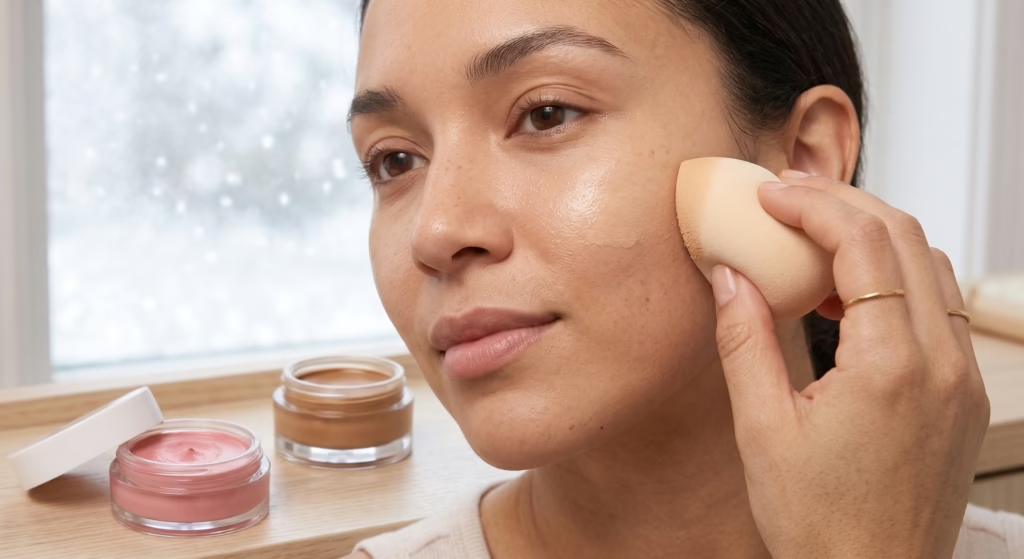
Adapting your makeup for winter is all about hydration, preparation, and choosing the right formulations. Dry skin naturally absorbs the moisture out of makeup, leaving behind dry pigments that look cakey and uneven.
Makeup for Dry Winter Skin
To ensure your makeup looks radiant in winter, pivot away from ultra-matte formulations and embrace hydrating, luminous products.
- Primer: Swap out mattifying or pore-filling silicone primers for hydrating, gripping primers infused with skincare ingredients like hyaluronic acid or niacinamide.
- Foundation: Choose liquid or cream foundations over powder foundations. Serum foundations that combine color correction with skincare benefits are ideal for keeping the complexion looking fresh and bouncy.
- Concealer: The under-eye area is prone to extreme dryness. Use a creamy, hydrating concealer, and apply it sparingly.
- Blush and Bronzer: Cream blushes and liquid bronzers melt into the skin beautifully during the winter. Powders can sit on top of dry patches, drawing attention to texture.
How to Prevent Cakey Makeup in Winter
To prevent makeup from looking cakey in winter, you must ensure your skin is properly exfoliated and deeply moisturized before application. Even the most luxurious foundation will look textured if applied over dry, dead skin cells.
- Prep meticulously: Allow your heavy winter moisturizer to fully absorb for at least 5-10 minutes before applying makeup.
- Use a damp sponge: Applying foundation with a damp beauty sponge adds a sheer layer of moisture and prevents you from applying too much product.
- Targeted powdering: Only apply setting powder to areas where you naturally crease or get oily (like the T-zone or under the eyes). Leave the rest of the face unpowdered to maintain a natural glow.
- Setting spray: Finish with a hydrating, glycerin-based setting spray to melt the makeup layers together and provide a final boost of moisture.
Winter Hair Care: Beating Static and Frizz
Just as your skin loses moisture to the dry winter air, your hair loses hydration, resulting in a roughened cuticle, brittle ends, and frustrating static.
Preventing Dryness, Frizz, and Static
Static electricity in hair occurs when the air is excessively dry, allowing electrons to build up on the hair shaft, causing strands to repel each other.
- Shampoo less frequently: Reduce your washing frequency to allow your scalp’s natural sebum to travel down and protect the hair shaft.
- Hydrating hair masks: Swap your regular conditioner for a deep-conditioning mask once a week. Look for ingredients like argan oil, shea butter, and keratin.
- Leave-in conditioners and oils: Apply a lightweight hair oil to the ends of your hair while it is still damp to seal the cuticle.
- Ionic hair dryers: If you must heat-style, use an ionic hair dryer, which emits negative ions that neutralize the static charge in your hair.
- Silk or satin: Wear a silk-lined winter hat. Traditional wool and acrylic beanies create immense friction, leading to frizz and breakage.
The Winter Fragrance Guide
One of the most luxurious transitions in winter beauty is updating your fragrance wardrobe. The environment drastically alters how a perfume performs.
How Cold Weather Affects Fragrance
Cold weather affects fragrance by slowing down the evaporation rate of the perfume’s molecules. Because the air is dry and your skin is cooler, fragrances project less and stay closer to the skin. Light, volatile top notes like citrus and delicate florals dissipate quickly or fail to bloom entirely in freezing temperatures.
What Fragrance Notes Work Well in Winter?
Because the cold subdues scent, winter is the perfect time to wear heavier, more complex fragrances that might feel overwhelming in the heat of summer. Look for base-heavy olfactory families:
- Woody Notes: Sandalwood, cedarwood, and oud provide a robust, grounding foundation that cuts through the cold air.
- Warm and Spicy: Cardamom, cinnamon, clove, and black pepper add a comforting, fiery element that feels inherently seasonal.
- Gourmand: Notes of vanilla, tonka bean, caramel, and coffee are incredibly popular in winter. They evoke warmth, coziness, and indulgence.
- Resins and Ambers: Benzoin, labdanum, and myrrh offer a rich, sweet, and slightly smoky depth that lingers for hours on winter sweaters.
- Musk: A heavy, animalic, or clean musk provides a “second skin” feeling, anchoring the fragrance and boosting its longevity.
(Discover the perfect cold-weather scent in Golden Hour’s fragrance collection – URL to verify).
Winter Perfume for Day vs. Night
Daytime Winter Fragrances: For the office or daytime errands, opt for elegant, dry woods mixed with soft spices, or a clean, powdery iris. These notes provide warmth without being overly intrusive in enclosed spaces.
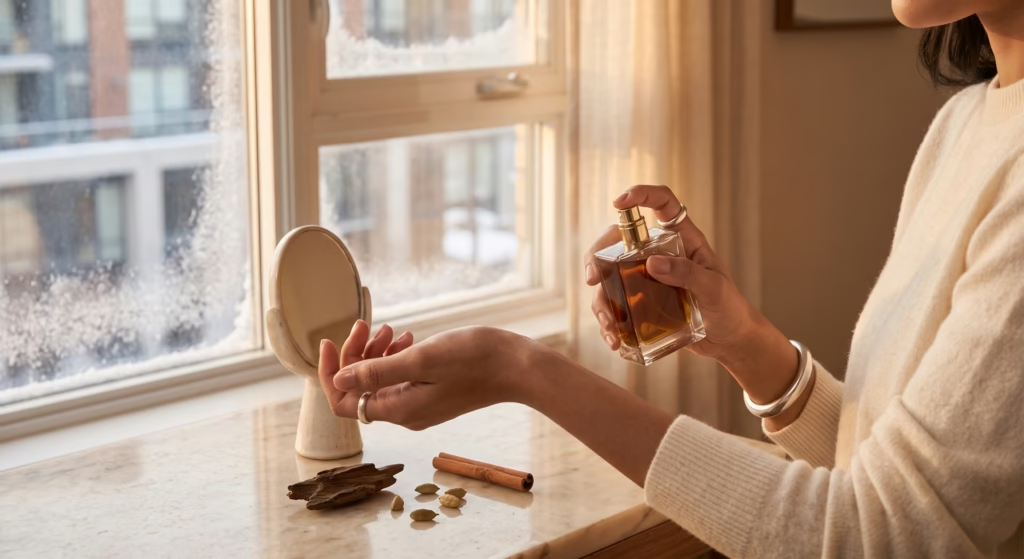
Evening Winter Fragrances: Winter evenings are the time to bring out your most potent extraits de parfum. Rich ouds, dark boozy notes (like rum or cognac), heavy vanilla, and smoky incense perform magnificently in the brisk night air, leaving a captivating sillage (the trail of scent left behind).
Application Tip for Winter: Because dry skin holds fragrance poorly, always moisturize thoroughly before spraying your perfume. Applying an unscented body oil or a matching body lotion will give the fragrance oils something to bind to, dramatically increasing their longevity. Also, spraying fragrance on your clothing (like a wool scarf or cashmere sweater) will make the scent last for days.
Winter Beauty Essentials
Building a winter beauty survival kit ensures you are never caught off guard by changing conditions. Your core essentials should include:
- A non-foaming, lipid-rich cleanser.
- A hydrating serum containing hyaluronic acid and glycerin.
- A thick, ceramide-rich barrier cream.
- A moisturizing broad-spectrum SPF 30+.
- An occlusive lip ointment.
- A hydrating makeup primer.
- A cream blush or liquid bronzer.
- A rich hand cream with oatmeal or urea.
- A deeply moisturizing hair oil.
- A complex, base-heavy winter fragrance (amber, wood, or gourmand).
A Simple Winter Beauty Routine
Adapting your routine doesn’t mean adding an hour to your day. Here is a streamlined approach:
Morning Winter Beauty Routine
- Cleanse: Splash with lukewarm water or use a gentle cream cleanser. (Many skip morning cleanser in winter to preserve natural oils).
- Hydrate: Apply a hydrating serum to slightly damp skin.
- Moisturize: Apply a rich daily moisturizer to lock in the serum.
- Protect: Apply a moisturizing sunscreen generously to the face, neck, and hands.
- Makeup: Use a hydrating primer followed by cream-based cosmetics.
- Fragrance: Apply your daytime winter scent over pulse points and a scarf.
Evening Winter Beauty Routine
- Double Cleanse: Start with a cleansing balm to melt makeup and SPF, followed by a gentle hydrating cleanser.
- Treat: Apply any active serums (like retinol or peptides), buffering them with moisturizer if your skin is extra sensitive from the cold.
- Deep Moisture: Apply a heavy night cream.
- Seal (Optional): If skin is very dry, apply a thin layer of a healing ointment over dry patches.
- Body Care: Apply a thick body butter immediately after your evening shower.
- Lip Care: Finish with a generous layer of an overnight lip mask.
Winter Beauty Mistakes to Avoid
Even with the best products, certain habits can sabotage your winter beauty efforts:
- Using Hot Water: Scalding showers and washing your face with hot water strip essential lipids. Always use lukewarm water.
- Over-Exfoliating: Cold winds compromise the skin barrier. Using strong physical scrubs or high-percentage chemical exfoliants too often will lead to severe irritation. Reduce exfoliation to once or twice a week.
- Ignoring the Scalp: The scalp is skin, too. Neglecting it leads to winter dandruff and dryness. Use a scalp serum or oil treatment periodically.
- Applying Humectants to Dry Skin: Applying hyaluronic acid in a dry room without dampening the skin first or sealing it with a moisturizer immediately.
- Wearing Summer Fragrances: Expecting a light citrus summer mist to perform well in freezing temperatures will lead to disappointment.
Winter Beauty for Different Climates and Needs
“Winter” means different things depending on your location.
- Dry, Freezing Climates (e.g., US Midwest, Northern Europe): Focus heavily on occlusives. Slugging, barrier creams, and heavy body butters are mandatory. Wind protection (scarves, hats) is just as important as skincare.
- Wet, Cold Climates (e.g., Pacific Northwest, UK): The humidity helps with hydration, but the cold and dampness can still chap the skin. Focus on barrier repair and gentle warming fragrances.
- Indoor Heating Habitats: If you spend most of your time indoors with central heating, the air is aggressively dry. Invest in a high-quality humidifier for your bedroom to passively hydrate your skin and hair while you sleep.
Winter Beauty Travel Tips
Traveling during the holidays disrupts your routine and exposes you to the most dehydrating environment of all: airplane cabins. Aircraft cabins have incredibly low humidity levels (often below 20%).
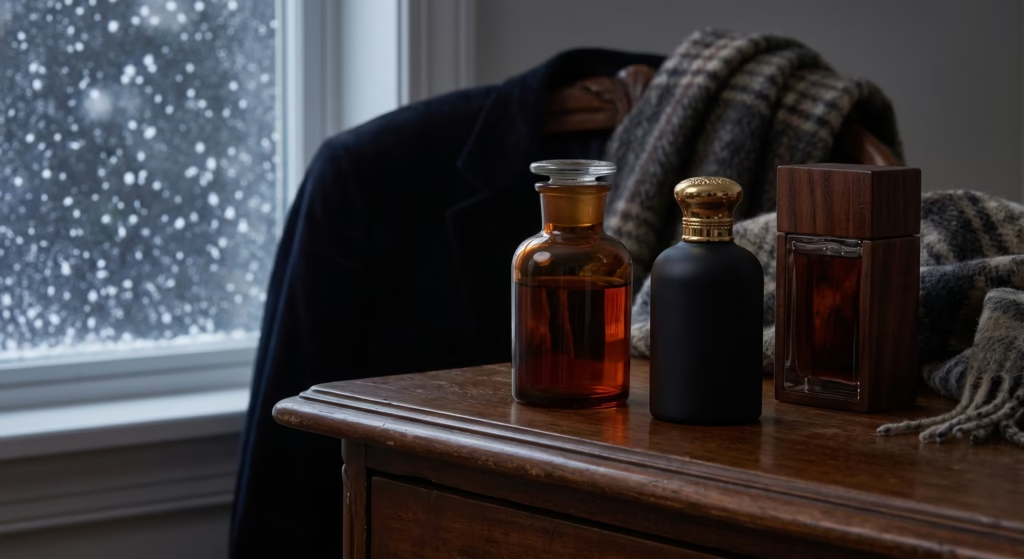
Before a flight, skip the makeup. Apply a heavy moisturizer and a layer of facial oil. Bring a hydrating lip balm and hand cream in your carry-on. Skip the refreshing facial mists mid-flight—without an occlusive to seal the mist in, the dry cabin air will quickly evaporate the water, taking your skin’s natural moisture with it.
Conclusion
Winter beauty is an invitation to slow down and indulge in richer textures, deeper hydration, and warmer scents. By understanding the science of how cold, dry environments affect your skin, hair, and fragrance, you can transition your routine from a defensive necessity to a luxurious seasonal ritual. Embrace cream-based cosmetics, prioritize your skin barrier above all else, and allow complex, woody, and spicy fragrances to warm up your cold-weather days. With the right approach, you can maintain a radiant, healthy glow from the first frost until the arrival of spring.
Explore more expert beauty guidance and discover products tailored to your routine by visiting Golden Hour.
Winter Beauty FAQ Section
How do I stop my skin from flaking in the winter?
To stop winter flaking, avoid harsh physical scrubs that can tear compromised skin. Instead, use a gentle chemical exfoliant (like lactic acid) once a week to dissolve dead cells, and immediately follow with a thick barrier cream containing ceramides to lock in moisture and heal the skin.
Do I really need to wear sunscreen in the winter?
Yes, you absolutely need sunscreen in winter. UVA rays, which cause aging and hyperpigmentation, penetrate through clouds and windows year-round. Additionally, snow reflects up to 80% of UV rays, significantly increasing your exposure.
Why does my makeup look cakey when it’s cold outside?
Makeup looks cakey in cold weather because dry winter skin absorbs the liquid from your foundation, leaving only the dry color pigments behind. To prevent this, thoroughly hydrate your skin beforehand and switch to cream or liquid makeup formulas instead of powders.
What are the best perfume notes for winter?
The best perfume notes for winter are rich, heavy, and complex bases that can project through the cold air. Look for woody notes (sandalwood, cedar), warm spices (cardamom, cinnamon), resins (amber, myrrh), and gourmands (vanilla, tonka bean).
How can I stop my hair from getting static in the winter?
Hair static is caused by a lack of moisture in the air. To stop it, use a deep conditioning mask weekly, apply a lightweight hair oil to the ends of damp hair, use an ionic hair dryer, and sleep on a silk pillowcase to reduce friction.
Is it okay to use hyaluronic acid in the winter?
Yes, but it must be used correctly. In dry winter environments, you must apply hyaluronic acid to damp skin and immediately seal it in with a thicker moisturizer. Otherwise, it can draw moisture out of your deeper skin layers, worsening dehydration.
Should I change my cleanser in the winter?
Yes, changing your cleanser is highly recommended for winter. Switch from foaming, gel-based cleansers to creamy, hydrating, or oil-based cleansers. Winter Beauty ensures you remove dirt and makeup without stripping away your skin’s natural, protective oils.
How do I make my perfume last longer in cold weather?
Cold air suppresses fragrance molecules, making them fade faster. To make perfume last, apply it over well-moisturized skin (using an unscented body oil or lotion), and spray it onto your winter clothing, like wool scarves or sweaters, which hold scent exceptionally well.