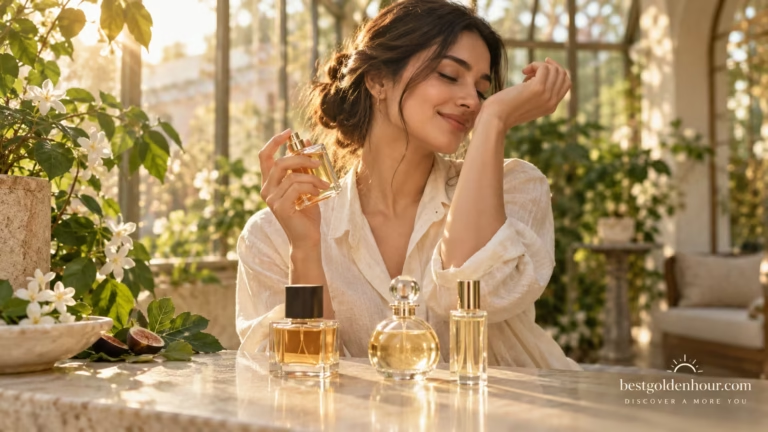
Perfume Discovery A Complete Guide to Finding Your Signature Scent
Walking into a fragrance boutique or browsing an online perfume catalogue can instantly feel overwhelming. With thousands of bottles, complex lists of ingredients, and marketing campaigns that tell you everything and nothing at the same time, finding a fragrance you genuinely connect with is rarely simple. You are bombarded with terms like “sillage,” “base notes,” and “chypre,” making perfume discovery feel more like an advanced chemistry class than an enjoyable form of self-expression.
Whether you are searching for one definitive signature scent to wear every day, or looking to build a versatile fragrance wardrobe for different moods and occasions, the key to success is understanding your own preferences.
This guide will demystify the fragrance industry. We will break down how to interpret scent notes, how to identify your preferred fragrance families, and the exact steps you should take to test a perfume before committing to a full-sized bottle.
What Is Perfume Discovery?
Perfume discovery is the intentional process of exploring different fragrance families, notes, and concentrations to identify scents that align with your personal preferences, skin chemistry, and lifestyle. Rather than relying on blind purchases or celebrity endorsements, perfume discovery focuses on sampling, testing, and understanding the architecture of a fragrance to make confident, informed choices.
Why Finding the Right Perfume Can Be Difficult
If you have ever purchased a perfume that smelled incredible on a friend, only to find you disliked it on yourself, you have experienced the complexities of fragrance firsthand. Finding the right perfume is difficult for several key reasons:
- Choice Overload: The sheer volume of new fragrance launches every year makes it impossible to test everything, leading to decision paralysis.
- Skin Chemistry: Your skin’s pH balance, natural oils, and even your diet subtly alter how a perfume develops. A fragrance on a paper tester will not smell exactly the same as it does on your skin.
- Olfactory Fatigue: When testing multiple perfumes at once, your nose quickly becomes overwhelmed (a phenomenon known as “nose blindness”), making it impossible to accurately judge subtle differences.
- Subjectivity of Scent: Scent is deeply tied to the limbic system in the brain, which governs emotion and memory. What smells “clean” to one person might smell “clinical” to another based on past associations.
Understanding these challenges is the first step in successful perfume discovery. It shifts the focus from finding the “best” perfume in the world to finding the best perfume for you.
Decoding Fragrance Families
The most effective way to narrow down your perfume preferences is to understand fragrance families. Almost all perfumes fall into one of four primary categories, established by traditional fragrance wheels. Knowing which family you naturally gravitate toward will save you hours of aimless browsing.
1. Floral Fragrances
The most popular and diverse fragrance family, florals can range from light and powdery to rich and intoxicating.
- Characteristics: Romantic, classic, and versatile.
- Common Notes: Rose, jasmine, lily, peony, tuberose.
- Sub-families: Fruity-floral, soft floral, floral-oriental.
2. Fresh Fragrances
Bright, uplifting, and clean, fresh fragrances are incredibly popular for daytime and warm-weather wear.
- Characteristics: Zesty, crisp, aquatic, and energetic.
- Common Notes: Lemon, bergamot, grapefruit, marine notes, green leaves.
- Sub-families: Citrus, aquatic, green, fruity.
3. Woody Fragrances
Warm, opulent, and grounded, woody fragrances often form the backbone of evening or colder-weather scents.
- Characteristics: Earthy, dry, rich, and mysterious.
- Common Notes: Sandalwood, cedar, vetiver, patchouli, pine.
- Sub-families: Woods, mossy woods (chypre), dry woods.
4. Amber (Previously Oriental) Fragrances
Sensual, exotic, and heavy, amber fragrances are known for their incredible longevity and bold presence.
- Characteristics: Spicy, sweet, warm, and luxurious.
- Common Notes: Vanilla, musk, cinnamon, cardamom, resin.
- Sub-families: Soft amber, floral amber, woody amber.
Discovery Tip: If you check the notes of the perfumes you have enjoyed in the past, you will likely notice they cluster within one or two of these families. When exploring Golden Hour’s collections filtering by these families is the fastest way to find a match.
The Architecture of Scent: Top, Heart, and Base Notes
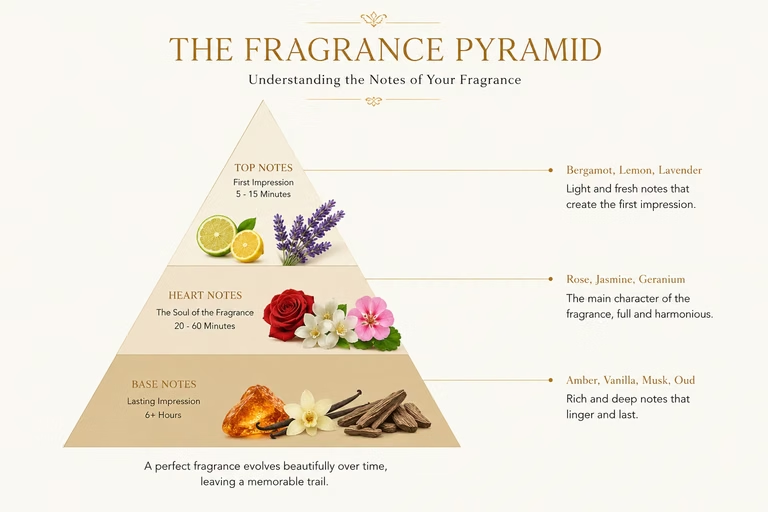
A high-quality perfume is not a single, flat scent. It is a carefully constructed blend of ingredients designed to evaporate at different rates. This structure is known as the fragrance pyramid, and understanding it is crucial because it explains why a perfume changes over time.
Top Notes (The Introduction)
These are the scents you smell immediately upon spraying. They are composed of small, light molecules that evaporate quickly, usually lasting only 5 to 15 minutes.
- Purpose: To create the initial impression and draw you in.
- Common Top Notes: Citrus (lemon, bergamot), light fruits (berries, grapefruit), and fresh herbs (basil, sage).
Heart Notes (The Core)
Also known as middle notes, these emerge just as the top notes are fading. They form the core character of the perfume and linger for 2 to 4 hours.
- Purpose: To provide balance and define the fragrance family.
- Common Heart Notes: Heavy florals (jasmine, rose), spices (nutmeg, cinnamon), and green notes.
Base Notes (The Foundation)
These are the heavy, large molecules that anchor the fragrance. They take time to develop on the skin, often not appearing fully until 30 minutes after application, but they can last anywhere from 6 to 24 hours.
- Purpose: To provide depth, richness, and longevity.
- Common Base Notes: Vanilla, amber, musk, sandalwood, cedarwood, and patchouli.
When discovering a new perfume, never judge it solely by its top notes. You must wear it long enough to experience the base notes, as this is the scent that will stay with you for the majority of the day.
Understanding Fragrance Concentration
Have you ever wondered why the exact same scent is available at wildly different price points? The answer lies in the fragrance concentration—the ratio of pure perfume oil to alcohol and water. Higher concentrations last longer and sit differently on the skin.
- Eau de Cologne (EDC): 2% to 4% perfume oil. Extremely light, typically lasting about 2 hours. Best for a quick refresh.
- Eau de Toilette (EDT): 5% to 15% perfume oil. Light and airy, usually lasting 3 to 5 hours. Ideal for everyday office wear or warm climates.
- Eau de Parfum (EDP): 15% to 20% perfume oil. Richer and more robust, lasting 5 to 8 hours. This is the most common and versatile concentration, offering a perfect balance of longevity and projection.
- Parfum (Extrait de Parfum): 20% to 40% perfume oil. The most intense and expensive variation, lasting up to 24 hours. It stays close to the skin and provides a deeply personal scent experience.
Note: A higher concentration does not necessarily mean a “better” fragrance. Many people prefer the lighter, more volatile nature of an EDT for daytime use.
The Vocabulary of Performance: Longevity and Sillage
As you read fragrance descriptions and reviews, you will encounter two critical terms that describe how a perfume performs in the real world:
Longevity refers to how long a fragrance lasts on your skin from the initial spray until it fades entirely. Sillage (pronounced see-yahzh) is the French word for “wake,” referring to the invisible trail of scent you leave behind as you walk through a room.
A perfume can have incredible longevity but soft sillage (meaning it lasts all day but only people standing very close to you can smell it), or it can have massive sillage but poor longevity. Knowing your preference here is vital for confident perfume discovery.
How to Test a Perfume Properly
The biggest mistake consumers make is walking into a store, spraying six different perfumes onto paper strips, smelling them immediately, and buying the one with the best top notes. To discover a perfume you will actually wear, you must test it methodically.
Step 1: The Blotter Test
Use paper testing strips (blotters) to narrow down your options. Spray the paper, wait 10 seconds for the alcohol to evaporate, and smell. Choose your top two favorites.
Step 2: The Skin Test
Your skin chemistry is the final, essential ingredient in any fragrance. Spray one favorite on your left wrist and the other on your right wrist. Do not rub your wrists together. Rubbing creates friction and heat, which breaks down the delicate top notes and ruins the fragrance’s natural development.
Step 3: The Wait
Leave the store. Go for a walk, have a coffee, and let the fragrance settle for at least one to two hours. This gives the alcohol time to dissipate and allows the heart and base notes to interact with your skin’s natural oils.
Step 4: The Evaluation
Smell your wrists again. How has the scent changed? Does it still project? Does the dry-down (the final stage of the base notes) smell pleasant to you? Only once you have experienced the full lifecycle of the scent should you make a purchase.
The Best Way to Test: Discovery Sets
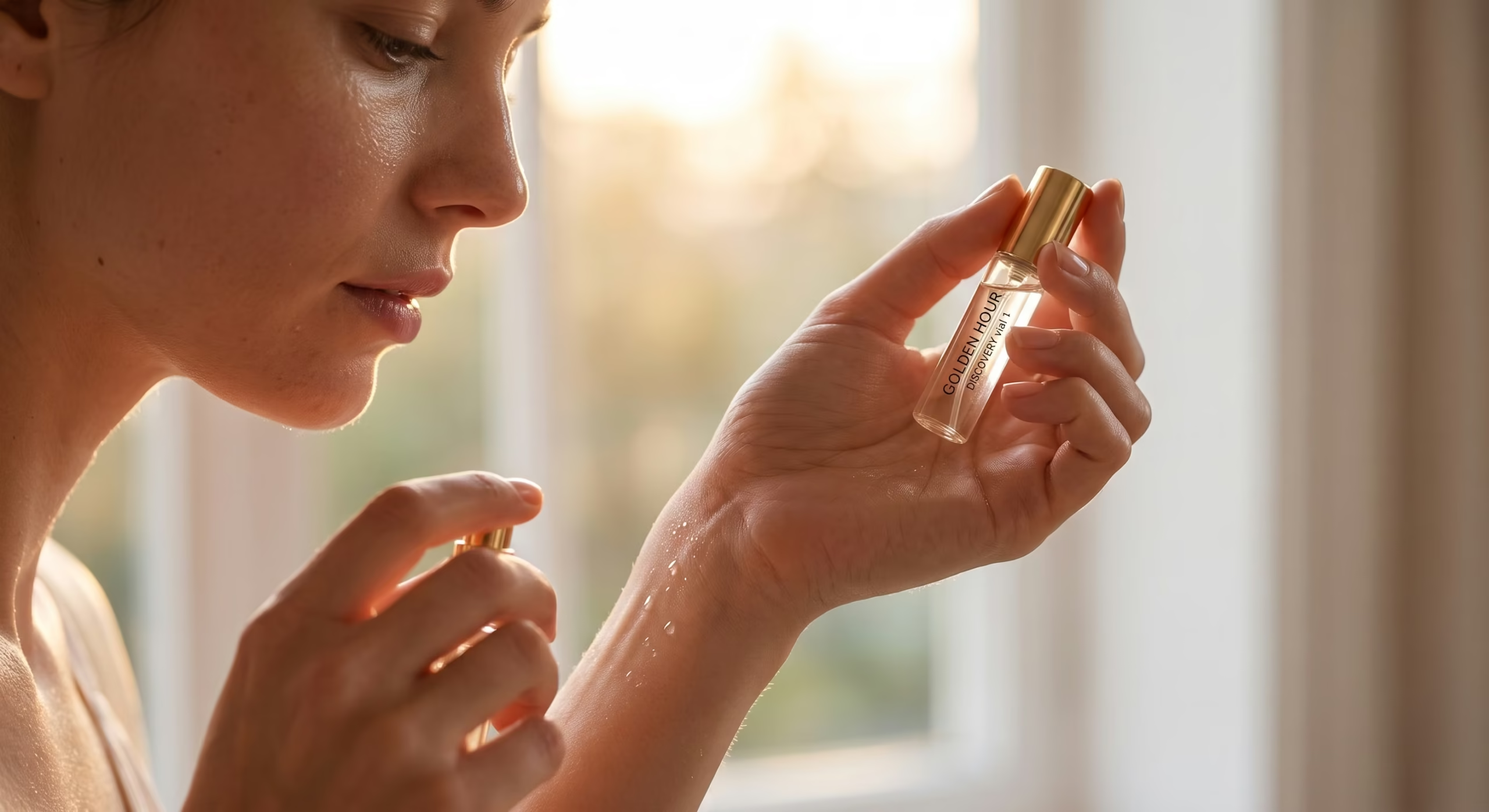
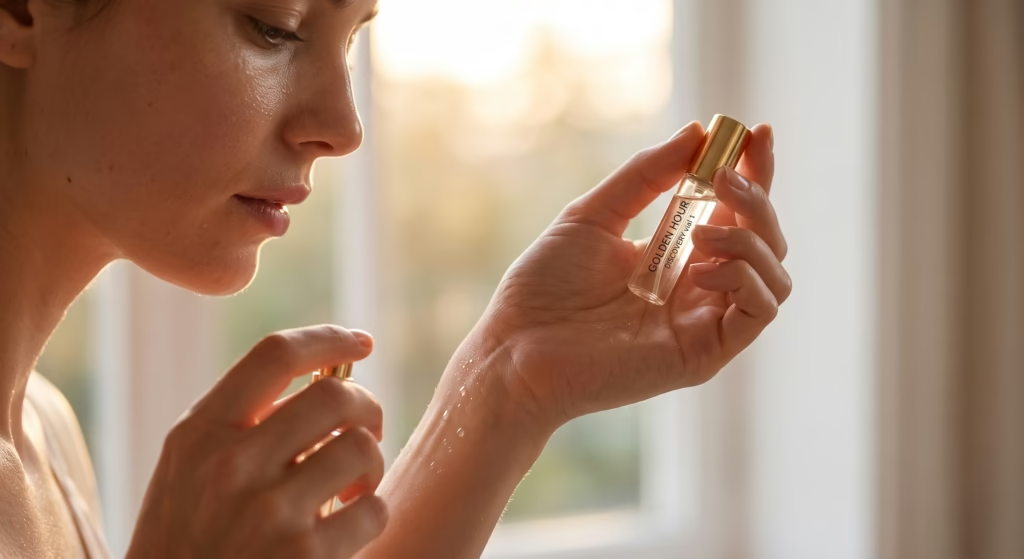
The most reliable method for perfume discovery is testing scents in your natural environment over several days. This is why sample kits and discovery sets are invaluable. They allow you to wear a fragrance to work, on a date, or relaxing at home, letting you truly assess how it fits your lifestyle before investing in a full-sized bottle. If you are ready to begin, exploring a Golden Hour Discovery Set s the perfect starting point.
How Season and Climate Influence Fragrance
Fragrance is highly sensitive to temperature and humidity. A perfume that smells divine in the middle of winter can become suffocatingly heavy in the summer heat.
- Heat and Humidity: Heat amplifies fragrance, making the molecules evaporate faster and project further. In the summer, gravitate toward lighter concentrations (EDT) and fresh, citrus, or aquatic profiles.
- Cold Weather: Cold temperatures suppress fragrance, making it stay closer to the skin. Winter is the perfect time to explore rich Eau de Parfums featuring amber, vanilla, spices, and heavy woods.
Signature Scent vs. Fragrance Wardrobe
As you discover new perfumes, you will inevitably face a choice: Should you find one signature scent, or build a fragrance wardrobe?
The Signature Scent: This is your olfactory calling card. It is a single fragrance you wear daily, becoming inextricably linked to your identity in the minds of your friends and family. Finding a signature scent requires patience. Look for a highly versatile EDP that works in both warm and cool weather, such as a well-balanced woody-floral.
The Fragrance Wardrobe: Just as you wouldn’t wear a tuxedo to the beach, many fragrance enthusiasts prefer to curate a collection of scents tailored to different occasions. A well-rounded wardrobe might include:
- A fresh, unobtrusive scent for the office.
- An energetic, citrus-forward scent for the gym or weekends.
- A rich, seductive amber or woody scent for evening wear and dates.
There is no right or wrong approach. Perfume discovery is an ongoing, evolving journey of self-expression.
Common Perfume Discovery Mistakes to Avoid
To ensure your fragrance journey is successful, be mindful to avoid these common pitfalls:
- Blind Buying: Purchasing a full-sized bottle based solely on online reviews or the aesthetic of the bottle. Always sample first.
- Ignoring the Dry-Down: Judging a fragrance by its first 5 minutes.
- Over-Testing: Smelling more than three or four fragrances in one sitting. If you experience olfactory fatigue, smelling coffee beans (a common department store trick) actually doesn’t help much; the best palate cleanser is stepping outside for fresh air or smelling your own un-perfumed skin.
- Storing Perfume Incorrectly: Heat, light, and humidity destroy fragrance molecules. Never store your perfume in the bathroom. Keep bottles in a cool, dark place, ideally in their original boxes.
Begin Your Scent Journey
Perfume discovery should never be a source of stress; it is an intimate exploration of art, chemistry, and personal style. By taking the time to understand fragrance families, the importance of base notes, and the undeniable role of your own skin chemistry, you elevate yourself from a casual shopper to a confident fragrance connoisseur.
Take your time, test thoroughly, and allow yourself the freedom to evolve. Your perfect scent is waiting to be discovered.
(Ready to explore? Discover your next favorite fragrance with Golden Hour’s curated collections and experience the art of perfumery firsthand.)
Perfume Discovery FAQ Section
How do I discover a perfume I actually like?
Start by identifying scents you enjoy in everyday life (e.g., vanilla, fresh laundry, cedarwood). Use this to determine your preferred fragrance family (amber, fresh, woody). The best approach is to purchase a discovery sample set, wear each scent on your skin for a full day, and see which one naturally resonates with you as it dries down.
How do I find my signature scent?
Finding a signature scent takes time. Look for a versatile fragrance—often an Eau de Parfum—that isn’t too heavy for the summer or too light for the winter. Test it consistently for a week. If you don’t get tired of it and it makes you feel confident, you have found your signature.
Why does perfume smell different on me than on my friend?
Fragrance interacts with your unique skin chemistry. Factors such as your skin’s pH balance, moisture levels, natural oils, body temperature, and even your diet alter how the aromatic molecules evaporate and develop, meaning a perfume is truly customized to the wearer.
How long should I wait before deciding to buy a perfume?
You should wait at least two to four hours after spraying a perfume on your skin. This allows the volatile top notes to fade, revealing the heart and base notes, which represent how the fragrance will actually smell for the majority of the day.
What is the difference between EDT and EDP?
Eau de Toilette (EDT) contains a lower concentration of fragrance oils (typically 5-15%) and is lighter, lasting about 3-5 hours. Eau de Parfum (EDP) has a higher concentration (15-20%), resulting in a richer scent profile and better longevity, usually lasting 5-8 hours.
How do I prevent “nose blindness” when testing perfumes?
Nose blindness (olfactory fatigue) happens when your scent receptors become overwhelmed. Limit testing to 3 or 4 fragrances per session. To clear your palate, skip the coffee beans and instead smell a patch of your own un-perfumed skin (like the inside of your elbow) or step outside for fresh air.