The Shift in Fragrance and Beauty Culture: Moving Past Hype to Find What Works
Modern fragrance and beauty culture can feel incredibly overwhelming, with viral trends, social media algorithms, and aggressive marketing pushing a new “must-have” product every single day. If you are struggling to separate genuine, science-backed advice from exaggerated claims, you are certainly not alone in this fatigue. Finding products that truly work for your unique skin chemistry and lifestyle requires stepping back from the noise and understanding the fundamentals behind the formulas.
Quick Answer: Modern fragrance and beauty culture is shifting away from masking imperfections and overpowering scents, moving toward skin health, authentic self-expression, and formulation transparency. By prioritizing barrier repair and understanding fragrance families, you can curate an intentional routine that complements your natural chemistry rather than covering it up.
The beauty industry used to be dictated by a top-down approach, where large conglomerates told consumers what they needed to look and smell like. Today, the power dynamic has shifted, empowering individuals to question the status quo and demand proof. We are no longer simply buying a product; we are investing in a philosophy of care.
The Evolution of Fragrance and Beauty Culture
Over the last decade, the way we approach self-care has fundamentally changed across the globe. We have moved from highly stylized, heavy cosmetic applications to a more nuanced appreciation of raw ingredients and physiological health. The modern consumer wants to know exactly what they are applying, where it comes from, and precisely why it is beneficial.
This evolution is largely a response to the “information overload” era of the internet. With dermatologists, cosmetic chemists, and master perfumers sharing their expertise online, consumers have become highly educated. The mystery that once shrouded luxury beauty has been replaced by a demand for total transparency.
Consequently, the marketing language used by brands has had to adapt rapidly. “Miracle” creams and “magic” serums are no longer accepted without scrutiny. Instead, clinical trials, ethically sourced ingredients, and precise chemical percentages have become the new benchmarks for quality in the market.
From Artificial Perfection to True Skin Health
In the past, beauty was often about achieving an artificial standard of perfection, usually through heavy foundation, aggressive exfoliation, and highly synthetic scents. Today, a core pillar of modern fragrance and beauty culture is prioritizing biological function over temporary, superficial fixes. This shift has elevated our understanding of how products interact with our bodies on a cellular level.
One of the most significant changes is the widespread focus on the skin’s natural defenses, moving away from harsh, stripping active ingredients. For a deep dive into how this biological function became a movement, read our guide on The Science of the Skin Barrier: How a Biological Function Became a Global Beauty Movement. Protecting this delicate lipid layer is now recognized as the absolute foundation of any effective routine.
When the barrier is compromised, no amount of expensive serums or luxurious creams will deliver the desired results. We have learned that hydration, protection, and gentle nourishment yield far better long-term outcomes than aggressive, quick-fix treatments. This has led to the rise of ingredients like ceramides, squalane, and multi-weight hyaluronic acid.
The Vital Role of pH and the Microbiome
Healthy skin relies heavily on an acidic pH and a diverse, flourishing microbiome. Cleansers and toners are no longer designed to strip the skin until it feels “squeaky clean,” as we now know this sensation actually indicates damage. Instead, modern formulations use gentle, non-ionic surfactants and soothing prebiotics to maintain epidermal harmony.
By feeding the good bacteria on our skin, we create an environment that naturally resists inflammation, acne, and premature aging. This biological approach to beauty represents a profound departure from the sterile, sanitized approach of the early 2000s. It is about working symbiotically with the body rather than fighting against it.

Why Niche Perfumery is Dominating Fragrance and Beauty Culture
Just as skincare has shifted toward transparency and intentionality, the world of scent has dramatically evolved. Consumers are increasingly moving away from ubiquitous designer releases in favor of niche perfumery. These smaller, independent houses prioritize compelling storytelling, rare botanical ingredients, and unique olfactory experiences over mass-market appeal.
Niche brands are not constrained by the massive advertising budgets or focus groups that dictate mainstream releases. This creative freedom allows perfumers to experiment with unconventional notes, creating scents that evoke specific memories, locations, or raw emotions. It is a return to perfumery as an art form rather than a purely commercial endeavor.
Furthermore, the exclusivity of niche fragrances appeals to those who want to avoid smelling like everyone else in the room. Wearing a hard-to-find, expertly crafted scent has become the ultimate luxury in modern fragrance and beauty culture, acting as a quiet signal of refined, personal taste.
The Search for an Authentic Signature Scent
Your fragrance is an invisible accessory and a profound form of daily self-expression. In today’s highly individualized fragrance and beauty culture, a signature scent is less about wearing what is currently trending and more about finding an olfactory profile that intimately resonates with your identity.
However, many enthusiasts are now building a “scent wardrobe” rather than committing to just one bottle for their entire lives. They curate different fragrances for different moods, seasons, and occasions, allowing their scent to evolve alongside their personal growth. This modular approach celebrates versatility and emotional intelligence.
Understanding the fundamental structure of a fragrance can help you navigate these overwhelming choices with ease. If you want to learn how to actively identify the raw materials that speak to you, explore our guide on How to Choose Your Fragrance Profile: A Complete Guide to Finding Your Signature Scent.
Decoding Scent Concentrations and Performance
Not all perfumes are created equal, and knowing the difference dictates how a scent performs throughout your day. From fleeting, refreshing colognes to dense, resinous extraits, the oil concentration is a vital factor in your purchasing decision. It affects not just how long the scent lasts, but how it projects into the room.
For instance, an Eau de Toilette is designed to be highly volatile, projecting aggressively in the first hour before settling into a soft skin scent. Conversely, a pure Parfum sits closer to the body but lasts significantly longer, unfurling its complex base notes over twelve hours or more.
To master this technical aspect of perfumery and avoid disappointment, read our comprehensive breakdown on Perfume Longevity & Projection: The Ultimate Guide to Making Your Scent Last and Radiate. This knowledge prevents you from buying a fragile, ephemeral citrus scent and expecting it to survive a harsh winter evening.
The Global Influences on Ingredients and Formulations
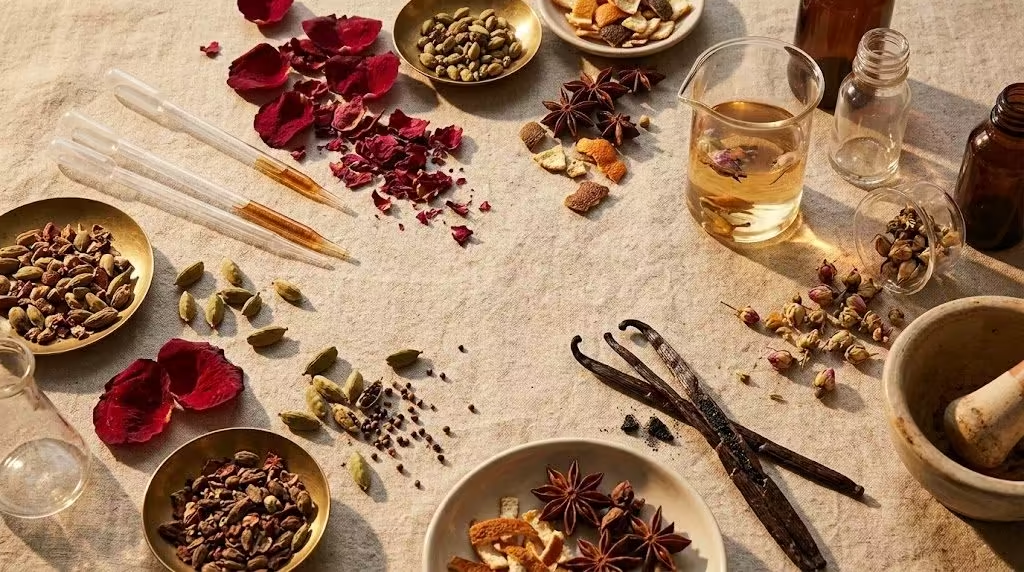
The botanical and synthetic ingredients driving today’s markets are sourced globally, beautifully bridging ancient, traditional rituals with cutting-edge cosmetic chemistry. From rich Middle Eastern oud and Indian sandalwood to French enfleurage techniques, cross-cultural appreciation has enriched the products we use daily.
However, this global sourcing also brings significant challenges regarding sustainability and ethical harvesting. The modern beauty consumer demands that their favorite vanilla is ethically sourced and their sandalwood is not contributing to deforestation. Upcycled ingredients—where waste products from the food industry are repurposed into fragrance materials—are becoming incredibly popular.
Regulatory bodies like the International Fragrance Association (IFRA) play a crucial role in ensuring these global ingredients are both safe for human use and ecologically sustainable. Their strict guidelines shape exactly how modern perfumes are legally formulated, ensuring the protection of both the consumer and the environment.
Comparing Regional Scent Profiles
Different climates, diets, and cultural histories have produced distinct, recognizable fragrance preferences that are now beloved worldwide. While globalization has blurred the lines slightly, understanding these traditional profiles can help you discover new categories of scent.
Here is a brief comparison of how regional styles have historically influenced global perfumery:
| Style / Region | Key Characteristics | Common Ingredients |
|---|---|---|
| Middle Eastern | Rich, resonant, highly projective and deeply complex. Designed to withstand extreme heat and last all day. | Oud, Taif Rose, Saffron, Amber, Frankincense. |
| Western / French | Structured, elegant, and evolving sequentially through distinct top, heart, and deeply grounded base notes. | Grasse Jasmine, Bergamot, Vanilla, Oakmoss, Iris. |
| East Asian | Transparent, delicate, clean, and intimately formulated. Prioritizes respect for shared spaces with low projection. | Green Tea, Cherry Blossom, Yuzu, Bamboo, White Musk. |
| South Asian | Warm, spicy, intensely aromatic and deeply rooted in historical Ayurvedic traditions and daily rituals. | Sandalwood, Jasmine Sambac, Cardamom, Vetiver, Patchouli. |

The Psychology of Scent and Daily Routine
Have you ever wondered why certain rich lotions or earthy perfumes make you feel instantly relaxed, while bright citrus notes make you feel energized? The answer lies in the olfactory bulb, which has a direct, hardwired biological connection to the amygdala and hippocampus—the brain’s emotional and memory centers.
This biological mechanism means that scent memory is one of the most powerful tools we possess for emotional regulation. The emerging field of aromachology explicitly studies the relationship between psychology and fragrance technology, allowing perfumers to create “functional fragrances” designed to alter your mood.
According to fascinating research highlighted by Psychology Today, our brains tie specific smells to vivid emotional memories almost instantaneously. This is exactly why incorporating a specific, grounding fragrance into your morning routine can actively lower cortisol levels and mentally prepare you for a demanding day.
Mastering the Art of Fragrance Layering
One of the most practical and enjoyable applications of this scent psychology is the art of fragrance layering. By intentionally combining scented body washes, rich lotions, botanical oils, and fine perfumes, you can create a bespoke, multidimensional aroma that is entirely your own.
Layering does not just create a unique scent; it significantly extends the longevity of your fragrance by giving the alcohol-based perfume oils something substantial to cling to. For example, applying a rich vanilla body butter under a sharp, woody oud perfume will soften the edges of the wood and make the vanilla feel incredibly luxurious.
To truly understand how heavy base notes and volatile top notes interact when layered on the skin, check out our in-depth article on Fragrance Notes Explained: How to Read, Understand, and Master Scent Layers Like an Expert. Experimentation is the key to mastering this deeply personal art form.

Navigating the Future of Fragrance and Beauty Culture
As we look forward, the intersection of technology, wellness, and beauty will only continue to deepen. We are already seeing the rise of AI-driven fragrance profiling and customized skincare formulations tailored to individual DNA and lifestyle factors. The one-size-fits-all approach is officially a relic of the past.
Despite these technological advancements, the core desire remains the same: authenticity. Consumers will continue to seek out brands that tell honest stories, use safe and effective ingredients, and treat their customers with intellectual respect. The hype cycle will always exist, but the educated consumer now possesses the tools to see right through it.
By focusing on foundational knowledge—understanding your skin barrier, identifying your preferred fragrance families, and respecting your body’s natural biology—you can navigate this ever-changing landscape with total confidence. True beauty culture is about empowerment, not anxiety.
Key Takeaways
- Modern fragrance and beauty culture forcefully prioritizes skin health, barrier protection, and biological harmony over artificial, temporary perfection.
- Niche perfumery offers transparent, story-driven, and highly artistic alternatives to mass-market designer fragrances.
- Finding a true signature scent requires an honest understanding of your personal style, unique skin chemistry, and ideal fragrance concentrations.
- Scent memory heavily influences our daily emotional states, making functional fragrance a powerful, science-backed tool for mood regulation.
- Proper fragrance layering can dramatically enhance both the longevity and the individualized uniqueness of your daily scent profile.
- Global ingredient sourcing has enriched modern formulations, but ethical harvesting and sustainability remain critical demands from today’s educated consumers.
Explore More Educational Resources at Golden Hour
Building a routine that genuinely works for your specific needs takes time, patience, and a bit of dedicated education. We invite you to explore more of our honest, hype-free guides to find the skincare and fragrance rituals that make you feel truly confident and comfortable in your own skin.
If you are looking for specific, tailored recommendations based on your individual traits and lifestyle, start your journey with our highly popular guide on Perfume Recommendations by Personality: Find a Scent That Feels Like You.
Frequently Asked Questions
What exactly does fragrance and beauty culture mean today?
Today, fragrance and beauty culture refers to the modern shift toward authentic self-expression, rigorous skin barrier health, and absolute ingredient transparency. It is about moving away from heavy masking techniques and instead embracing thoughtful products that enhance your natural chemistry, promote long-term biological health, and align with your personal values.
How do I find a perfume that truly matches my aesthetic?
To find a perfume that matches your aesthetic, start by identifying the broad fragrance families—like woody, floral, fresh, or amber—that resonate with your personal style and memories. Always test fragrances on your actual skin rather than paper blotter strips, and wear them for a full day to see how the complex base notes interact with your unique body chemistry.
Is niche perfumery actually better than mainstream designer scents?
Niche perfumery is not inherently better in terms of pure performance, but it offers a fundamentally different experience focused on unique storytelling, daring compositions, and often higher-quality, rare raw materials. Designer fragrances are expertly formulated for mass appeal and easy wearability, whereas niche scents cater directly to those seeking a highly individualized, unconventional signature scent.
Why does my favorite perfume smell completely different on my friend?
Perfume smells different on different people due to significant individual variations in skin pH, daily diet, baseline body temperature, and the skin’s natural microbiome. These underlying biological factors actively alter how fragrance molecules evaporate and develop over time, meaning a scent that is pleasantly sweet on one person might turn surprisingly sharp, sour, or musky on another.
What is the most effective way to make perfume last longer on my skin?
The most effective way to make perfume last longer is to apply it to freshly showered, well-moisturized skin, ideally using an unscented body lotion or matching botanical body oil as an emollient primer. Focus your sprays on warm pulse points like the wrists, inner elbows, and neck, and absolutely avoid rubbing the fragrance, which can prematurely break down the delicate, volatile top notes.
How has the focus on beauty science changed our daily routines?
Beauty science has drastically shifted our daily routines by emphasizing the absolute protection of the skin barrier and the acid mantle, leading to a widespread “less is more” approach. Instead of using harsh physical exfoliants, alcohol-heavy toners, and stripping foaming cleansers, modern, educated routines rely on gentle acids, barrier-repairing ceramides, and soothing hydrators to maintain healthy, highly resilient skin.
Can my daily fragrance actually improve my mood?
Yes, your daily fragrance can significantly improve your mood due to the direct biological connection between your olfactory bulb and the brain’s emotional centers, specifically the amygdala. This field, known as aromachology, proves that inhaling specific notes like calming lavender, grounding cedarwood, or uplifting citrus can actively lower stress hormones and trigger positive emotional responses.