Beauty Industry News 2026: The Definitive Guide to What’s Shaping Skincare, Makeup, and Fragrance Culture
Beauty industry news today reflects a monumental cultural pivot toward scientific accountability, rigorous formulation standards, and total transparency. For beauty enthusiasts looking to cut through the noise of viral marketing claims, fleeting social media sensations, and conflicting expert advice, understanding these structural shifts in how cosmetics, skincare, and fragrances are developed is essential for making informed purchasing decisions.
The global cosmetics sector is undergoing a profound transformation driven by consumer demand for empirical proof, clinical backing, and genuine environmental sustainability. Whether you are re-evaluating your daily cosmetic routine or looking into the physiology of skin health—as explored in our comprehensive guide on skin barrier repair science and trends—staying informed helps you invest in products that truly deliver results without compromising your skin health or well-being.
As we navigate this landscape, consumers across South Asia, the Middle East, the UK, and the US are increasingly rejecting vague buzzwords in favor of quantifiable benefits. To help you decode these shifts, let us examine the core pillars driving modern cosmetic innovation.
Beauty Industry News: The Evolution of Transparency in Cosmetics
For decades, traditional beauty marketing relied heavily on emotional storytelling, vague terms like “dermatologist-tested,” and proprietary blends that conveniently concealed active ingredient concentrations. Today, the landscape of beauty industry news is dominated by a radical push toward total formulation transparency. Consumers no longer accept unverified marketing claims; they demand exact percentages of active ingredients such as niacinamide, retinol, and ascorbic acid.
This cultural shift has forced brands to adopt pharmaceutical-grade standards of communication. Companies now publish full clinical trial data, disclose exact pH levels of serums, and explain the precise molecular weight of active compounds to prove penetration efficiency. To understand how these raw elements translate into everyday routines, many readers turn to resources like beauty ingredients explained: decoding skincare and cosmetic formulas, which breaks down what is actually inside your favorite bottles.
Furthermore, regulatory bodies across the UK, EU, and US are tightening restrictions on misleading label claims. Terms like “clean” and “natural” are facing intense scrutiny, pushing manufacturers to substantiate their eco-friendly claims with lifecycle assessments rather than marketing fluff. This accountability benefits everyone, ensuring that what you apply to your skin matches the promises made on the packaging.
To explore how regulatory frameworks oversee cosmetic safety and labeling standards globally, you can read more via the U.S. Food and Drug Administration Cosmetics Guidance, which details current compliance expectations for manufacturers. Additionally, consumer education resources like PubMed Central biomedical literature database offer peer-reviewed clinical studies on active cosmetic ingredients.

Beauty Industry News: Shifts in Fragrance Science and Olfactory Culture
The fragrance sector is experiencing an equally fascinating evolution. While traditional perfumery relied on tightly guarded formulas and romanticized descriptions of notes, modern consumers want to understand the chemistry behind their signature scents. From synthetic biotechnology that preserves rare botanical species to advanced extraction methods that capture hyper-realistic green notes, fragrance science is moving faster than ever.
Understanding how scent families interact with individual skin chemistry is crucial. If you are exploring new olfactory territories, our guide on how to choose your fragrance profile offers a practical framework for identifying scents that harmonize with your natural skin oils. Additionally, learning how to read a perfume description helps you decode marketing terminology to predict whether a fragrance will lean powdery, woody, or citrusy before you buy a full bottle.
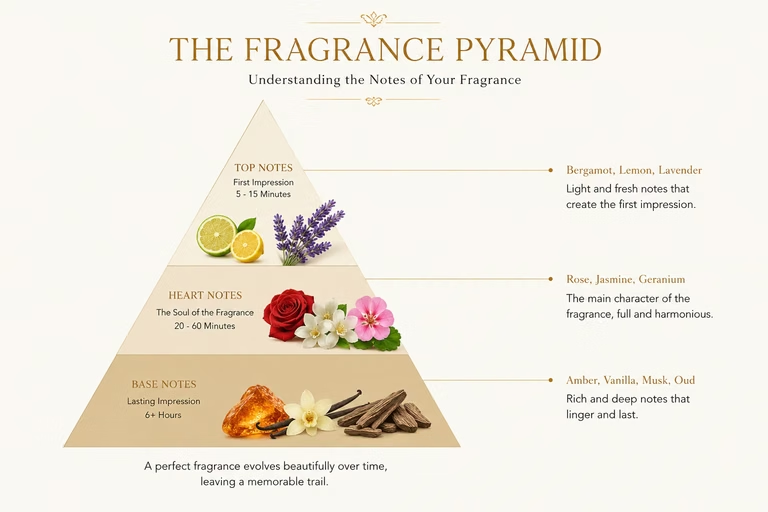
For beginners seeking an accessible entry point into the world of perfumery, exploring perfume basics the ultimate guide for fragrance beginners provides foundational knowledge on how top, heart, and base notes evolve over time on human skin. To master how different aroma concentrations impact longevity, readers can also review our detailed guide on perfume concentration explained: the honest guide to edp, edt, extrait, and longevity.
The rise of transparent fragrance formulation also aligns with global standards set by organizations such as the International Fragrance Association (IFRA), which continuously updates safety guidelines regarding allergen disclosure and sustainable sourcing. As consumers become more conscious of skin sensitivities, transparency in aroma chemicals has become a non-negotiable standard for niche and luxury houses alike.
Beauty Industry News: The Rise of Proactive Skin Health and Barrier Science
One of the most defining movements in contemporary beauty industry news is the pivot away from aggressive exfoliation and toward barrier preservation. For years, the prevailing wisdom dictated that stinging, peeling skin meant a product was working. Dermatological research has firmly debunked this myth, proving that a compromised stratum corneum leads to chronic inflammation, sensitivity, and premature aging.
Modern product development now focuses heavily on biomimetic formulations—creams and serums that replicate the skin’s natural lipid matrix using ceramides, fatty acids, and cholesterol. For a deeper look into the physiological mechanics of skin protection, scientific overviews available via resources like Wikipedia’s skin article provide invaluable foundational knowledge on cutaneous biology.
To help you structure a routine that supports rather than strips your skin, expert guides like the ultimate guide to skincare layering offer step-by-step instructions on applying products in the correct order of molecular weight and pH level. Balancing active ingredients with restorative hydrators ensures long-term skin resilience.

Comparing Traditional Marketing vs. Modern Beauty Science
To truly grasp where the market is heading, it helps to compare traditional cosmetic marketing approaches with the science-first paradigm dominating today’s beauty industry news.
| Feature | Traditional Beauty Approach | Modern Science-Led Approach |
|---|---|---|
| Ingredient Disclosure | Proprietary blends; secret active percentages. | Full disclosure of exact active concentrations. |
| Marketing Claims | Emotional buzzwords (“miracle,” “anti-aging”). | Clinical trial data, peer-reviewed backing, efficacy stats. |
| Skin Philosophy | Aggressive correction (peels, harsh scrubs). | Barrier support, microbiome health, gentle repair. |
| Fragrance & Formulation | Synthetic-heavy without full allergen disclosure. | Transparent aroma profiles, IFRA compliance, hypoallergenic focus. |
Global Market Trends Shaping Modern Beauty Industry News
Beauty consumption habits vary significantly across regions, and recent industry data highlights unique regional preferences shaping global trends. In South Asia, there is an explosive demand for lightweight, non-comedogenic sun protection and hyperpigmentation treatments suited for humid climates and melanin-rich skin. Brands are reformulating traditional heavy textures into fluid sunscreens that offer high UV protection without a white cast.
Meanwhile, the Middle East continues to pioneer luxury fragrance innovation, driving global demand for high-concentration extraits, complex oud combinations, and alcohol-free oil bases. Consumers in the Middle East value exceptional sillage and longevity, influencing global perfume houses to release intense concentration variations tailored to warmer climates.
In Western markets such as the US and UK, the focus remains firmly on minimalist routines, skin barrier health, and multi-functional products that streamline morning regimens. Readers navigating these diverse global offerings often benefit from curated advice, such as our seasonal breakdown in the complete guide to seasonal and occasion beauty, which helps adapt your routine to shifting environmental conditions.

Evaluating New Launches Without Falling for Hype
With thousands of new beauty products hitting the market every month, consumer fatigue is real. Navigating launches requires a critical eye. When evaluating a new serum, foundation, or fragrance, ask yourself the following questions:
- What is the primary active ingredient? Ensure the star ingredient is listed near the top of the ingredient deck, not buried past the preservative system.
- Are the claims backed by independent testing? Look for mentions of in vivo clinical testing rather than subjective consumer self-assessment surveys.
- Does it serve a functional purpose in your routine? Avoid duplicating products with identical active profiles just because of attractive packaging.
- Is the brand transparent about sourcing? Reputable houses readily share where their botanicals or aroma compounds originate.
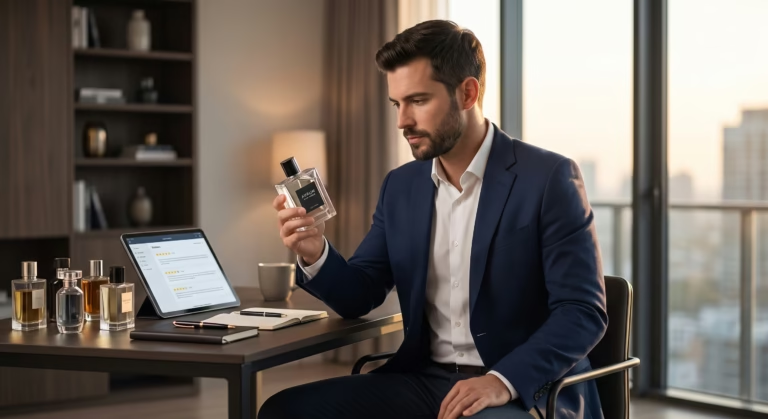
For a deeper dive into vetting new releases like an industry insider, explore our guide on how to navigate new beauty launches like an expert. It provides a foolproof checklist for separating genuine formulation breakthroughs from clever social media marketing.

Key Takeaways for Following Beauty Industry News
Staying ahead in the rapidly evolving beauty landscape requires prioritizing science over hype. Here are the core principles to guide your future beauty and fragrance purchases:
- Demand Transparency: Prioritize brands that disclose exact active percentages and full ingredient formulations.
- Prioritize Barrier Health: Protect your skin barrier with ceramides and gentle hydration rather than chasing aggressive, stripping treatments.
- Understand Fragrance Chemistry: Learn your preferred scent families and concentration levels (such as EDP vs. EDT) to invest in perfumes you will wear to the last drop.
- Evaluate Before You Buy: Use critical analysis frameworks to assess new beauty launches before falling for viral social media trends.
- Contextualize by Region: Choose formulations tailored to your local climate, whether you need humidity-resistant skincare or high-sillage Middle Eastern fragrance profiles.
We invite you to explore more expert guides across Golden Hour to continue building a thoughtful, intentional, and science-backed beauty routine tailored uniquely to you.
Frequently Asked Questions
What is the biggest trend in beauty industry news for 2026?
The biggest trend in beauty industry news is the definitive shift toward radical ingredient transparency and skin barrier preservation, moving away from aggressive, stripping treatments in favor of clinically proven, microbiome-friendly formulations.
How can I tell if a beauty product claim is legitimate?
You can verify a product claim by checking the ingredient list to ensure active compounds are listed near the top and looking for brands that publish independent clinical trial data rather than relying solely on subjective consumer testimonials.
Why is skin barrier repair such a major focus in modern skincare?
Skin barrier repair is a major focus because dermatological science has proven that a healthy lipid barrier is essential for preventing chronic inflammation, moisture loss, premature aging, and severe skin sensitivity caused by harsh cosmetics.
What is the difference between niche and designer fragrances in current market trends?
Niche fragrances focus on artistic storytelling, rare raw materials, and smaller-batch production, whereas designer fragrances cater to broader global preferences with mass-appeal scent profiles backed by massive commercial marketing campaigns.
How do regional climates influence modern cosmetic formulations?
Regional climates dictate product textures, prompting brands to create ultra-lightweight, sweat-resistant fluid sunscreens for humid South Asian markets and rich, high-sillage oil-based extraits for the Middle East’s luxury fragrance consumers.
Where can I find reliable reviews without marketing bias?
You can find reliable reviews by consulting independent beauty publications that evaluate products based on formulation chemistry, clinical efficacy, and long-term testing rather than sponsored partnerships or viral hype.
Are natural beauty ingredients always safer than synthetic ones?
Natural beauty ingredients are not inherently safer than synthetic ones; both natural botanicals and lab-created molecules can cause allergic reactions, and synthetics often offer superior stability, purity, and environmental sustainability.