The Complete Guide to Seasonal and Occasion Beauty Adapting Your Routine
Finding the perfect moisturizer, foundation, or signature fragrance often feels like a monumental triumph. When you discover products that flawlessly align with your complexion and personality, the natural instinct is to use them every single day. However, beauty is not static. The environment around you, the clothes you wear, the weather outside, and the social setting you enter all actively interact with the products on your skin.
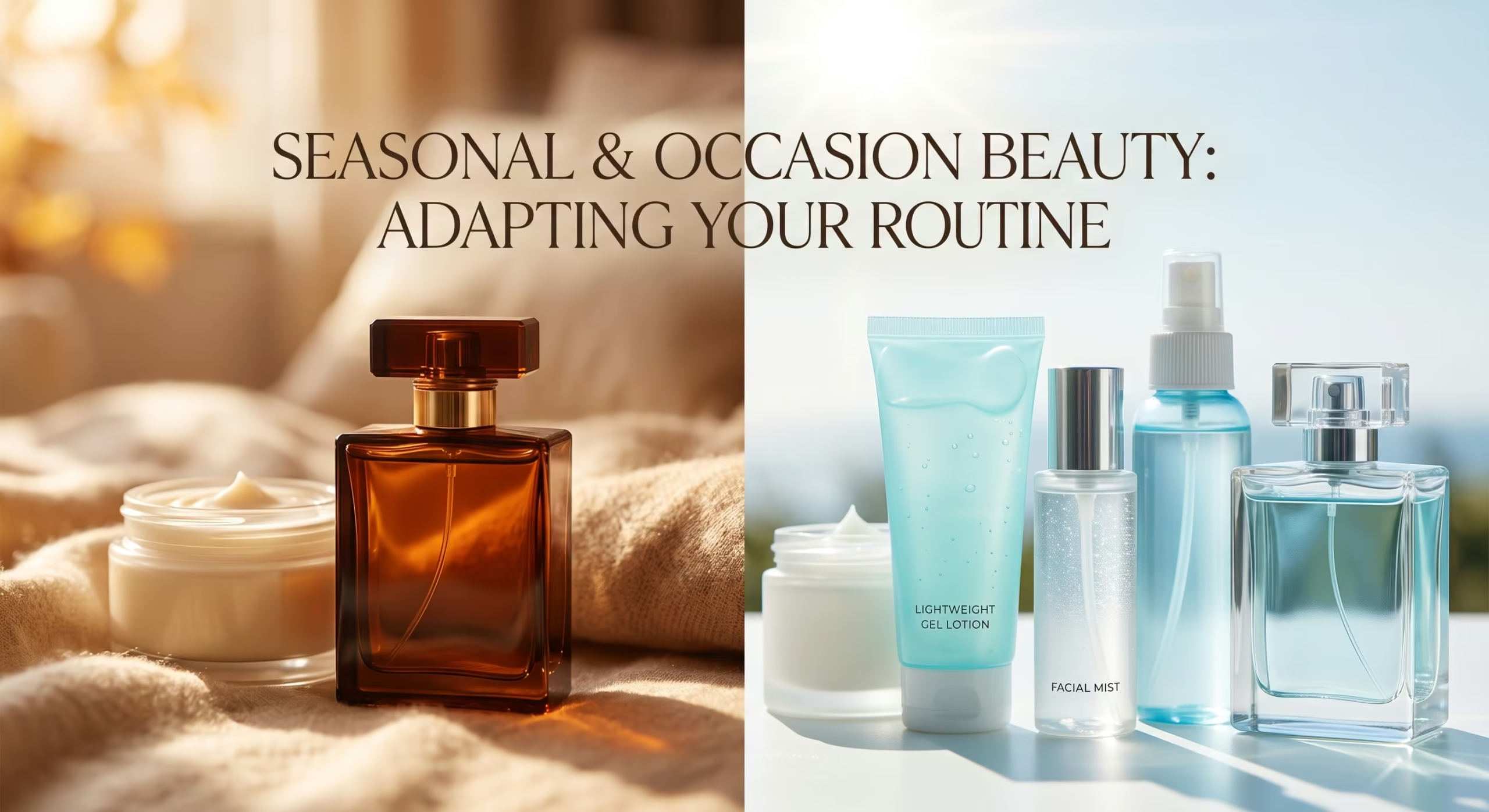
A heavy, opulent amber perfume that feels incredibly comforting in a snowstorm can quickly become suffocating during a humid summer afternoon. Similarly, the matte foundation that perfectly controlled shine during a July heatwave may leave your skin looking parched and flaky by December.
Mastering seasonal and occasion beauty is about understanding the variables. By learning how temperature, humidity, lighting, and context impact your skincare, makeup, and fragrance, you can build a dynamic, responsive routine. This guide breaks down exactly how to adapt your regimen to ensure you always look, feel, and smell your absolute best, regardless of where you are or what the calendar says.
The Science Behind Environmental Beauty
Before adjusting your routine, it is essential to understand why your products behave differently under varying conditions. Skin is a living organ that constantly reacts to its environment, and fragrance is a chemical composition that reacts to heat and moisture.
How Temperature and Humidity Affect Your Skin and Scent
Temperature dictates the behavior of both your body and your beauty products. In high heat, your skin naturally produces more sebum (oil) and sweat as a cooling mechanism. This excess moisture can dissolve makeup and rapidly accelerate the evaporation of fragrance top notes. Conversely, cold air holds very little moisture. When temperatures drop, the cold air aggressively pulls hydration from your skin, leading to a compromised skin barrier, flakiness, and a dull appearance.
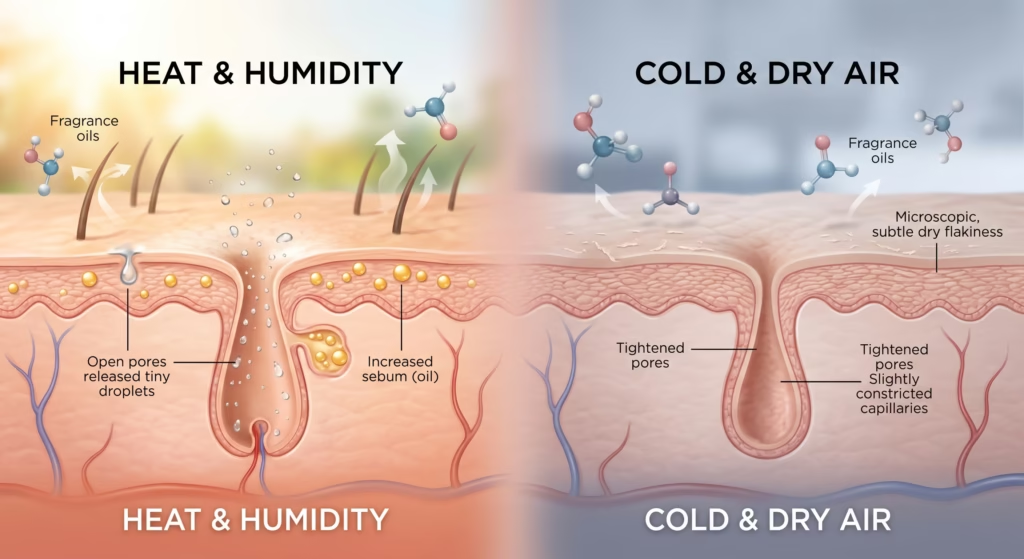
Humidity plays an equally vital role. High humidity prevents sweat from evaporating, leaving skin feeling slick. This environment requires lightweight, water-based skincare and makeup formulations. In low humidity, heavy creams and emollients are required to lock moisture into the skin.
Fragrance is remarkably sensitive to these shifts. Heat amplifies scent. The thermal energy causes the alcohol in perfume to evaporate faster, pushing the fragrance molecules into the air with intense projection. Cold weather suppresses fragrance, keeping the molecules closer to the skin. This scientific reality is the foundational reason why true beauty and grooming routines must evolve throughout the year.
Seasonal Beauty Adjusting to the Climate
Adapting to the seasons does not require discarding your entire vanity Seasonal & Occasion Beauty three months. Instead, it involves strategic swaps—changing textures, shifting weights, and altering fragrance concentrations.
Spring and Summer: Heat, Humidity, and Protection
When the climate shifts toward heat and humidity, the objective of your routine should pivot to lightweight protection, oil control, and longevity.
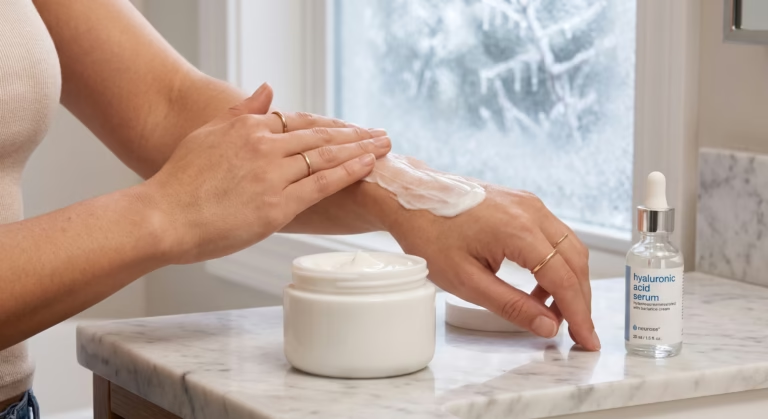
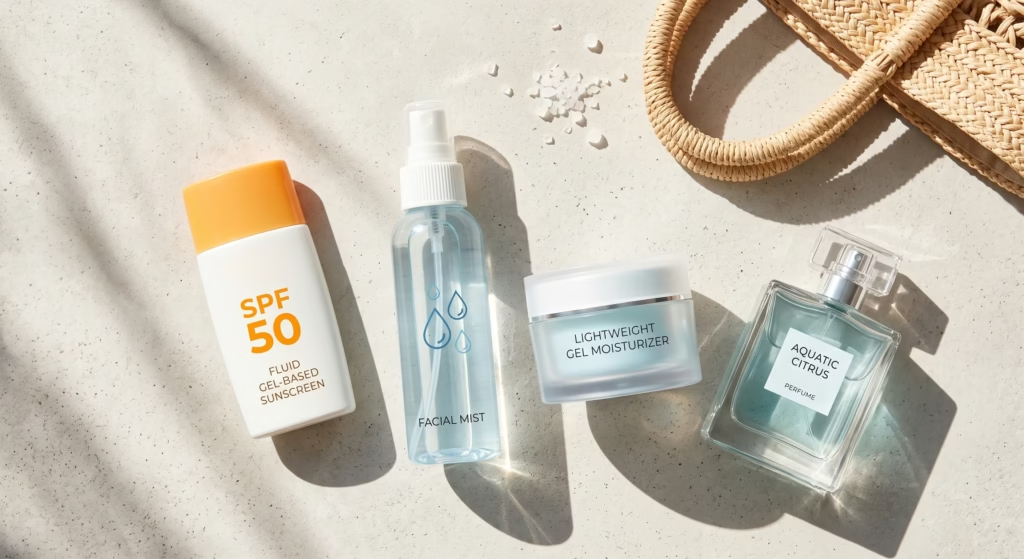
Skincare: Thick, occlusive creams trap heat and sweat against the skin, often leading to congestion and breakouts. Swap heavy winter moisturizers for water-based gel lotions or lightweight hyaluronic acid serums. Cleansing routines may need to become slightly more rigorous; incorporating a gentle salicylic acid cleanser can help manage the increased sebum production. The most non-negotiable element, however, is a high-quality, broad-spectrum sunscreen. Opt for fluid or gel-based SPFs that absorb fully without leaving a greasy residue.
Makeup: Summer makeup should prioritize breathable layers. Instead of full-coverage liquid foundations, consider tinted moisturizers, BB creams, or strategically placed concealers. Liquid and cream blushes tend to look more natural in harsh sunlight than powder formulas. To combat shine, utilize a finely milled translucent setting powder strictly in the T-zone rather than dusting the entire face, preserving a natural, healthy glow.
Fragrance: Heavy, sweet, and spicy notes become cloying in high heat. Summer is the optimal time for Eau de Toilette (EDT) concentrations, which contain a lower percentage of perfume oils. Gravitate toward fresh, aquatic, green, and citrus-forward fragrance families. Notes of bergamot, lemon, mint, sea salt, and neroli evaporate beautifully in the heat, providing a crisp, uplifting aura that cuts through the humidity rather than adding to it.
Autumn and Winter: Cold, Wind, and Barrier Care
As the air turns crisp and indoor heating systems strip moisture from the environment, the focus must shift to barrier repair, deep hydration, and rich textures.
Skincare: The lightweight gels of summer will not withstand freezing winds. Transition to rich, emollient creams containing ceramides, peptides, and squalane. These ingredients mimic the skin’s natural lipids, forming a protective seal that prevents transepidermal water loss. Incorporating a hydrating milky toner or an overnight moisture mask can dramatically improve winter dullness. Exfoliation should become gentler to avoid irritating wind-chapped skin.
Makeup: Winter lighting is often dim and flat, while the skin itself tends to look paler and drier. Avoid matte foundations and heavy powders, which will cling to dry patches and emphasize texture. Instead, choose luminous, hydrating liquid foundations. Incorporating liquid illuminators and cream bronzers can return warmth and dimension to the face.
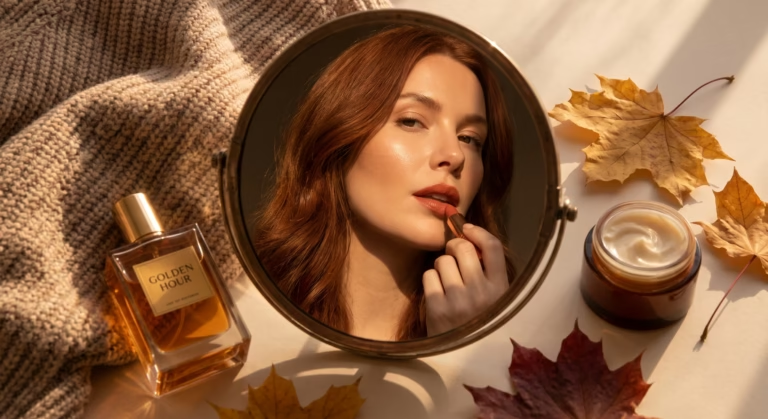
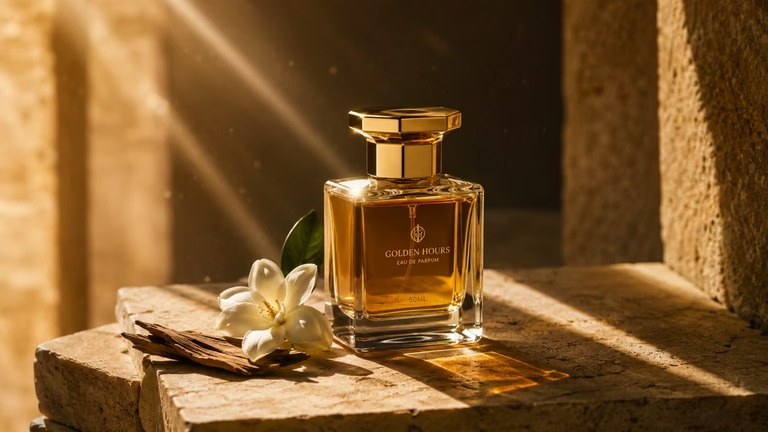
Fragrance: Cold air mutes scent, meaning light citrus fragrances will vanish almost instantly. Winter is the season for Eau de Parfum (EDP) and Extrait de Parfum concentrations. This is the time to embrace the amber, woody, and spicy fragrance families. Notes of vanilla, leather, tobacco, sandalwood, cardamom, and patchouli possess the molecular weight to cling to heavy fabrics like wool and cashmere, projecting a warm, comforting, and luxurious scent bubble in the cold.
Transitional Seasons: Managing Unpredictable Shifts
Spring and autumn are notoriously unpredictable. A morning that begins at freezing temperatures can evolve into a warm, sunny afternoon. The key to transitional beauty is layering. Use a hydrating serum beneath a lightweight lotion, allowing you to add or remove moisture as needed. For fragrance, well-balanced woody-floral or fougère scents serve as excellent transitional bridges, offering both the freshness needed for warm afternoons and the depth required for chilly evenings.
Occasion Beauty Tailoring Your Look and Fragrance
Just as you would not wear a tailored suit to a beach picnic, your beauty and fragrance choices should reflect the context of your environment. Occasion beauty is about reading the room, understanding the lighting, and predicting the duration of the event.
Professional and Workplace Settings
The workplace requires a polished, reliable, and respectful approach to beauty.
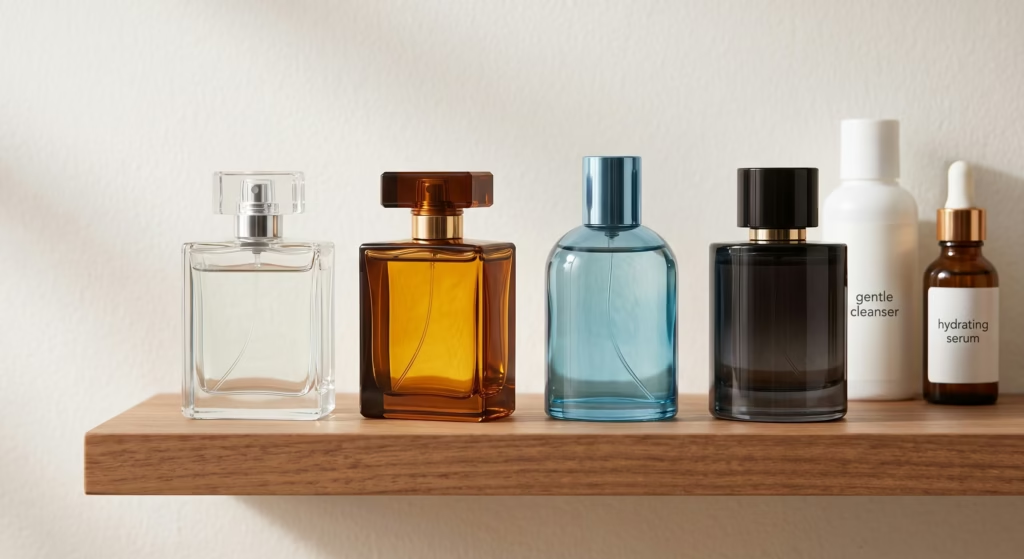
Routine Adjustments: Workplace lighting is notoriously unforgiving—often relying on harsh, cool-toned fluorescent overheads that wash out the complexion. A satin-finish foundation offers the most professional appearance, avoiding the overly dewy look that can read as oily, and the ultra-matte look that can appear heavy. Stick to neutral color palettes for the eyes and lips.
Workplace Fragrance: Office fragrance requires strict etiquette. Your scent should be discovered, not announced. Opt for subtle, clean, and inoffensive profiles. Fresh, soapy, light floral, or soft woody fragrances are ideal. Apply sparingly; a maximum of one to two sprays of an EDT is appropriate. You want to smell pleasant to someone sitting next to you in a meeting, not leave a lingering trail in the elevator.
Evening Events and Date Nights
Evening occasions allow for dramatic, expressive choices. The lighting is typically dimmer, warmer, and more flattering, allowing you to increase the intensity of your look.
Routine Adjustments: Dim lighting softens features, meaning makeup needs more contrast to stand out. This is the time for bold lip colors, sharp eyeliner, or smoky eyeshadows. Skin prep is vital; using an exfoliating acid followed by a deeply hydrating sheet mask before makeup application will ensure a smooth, radiant base that catches candlelight beautifully.
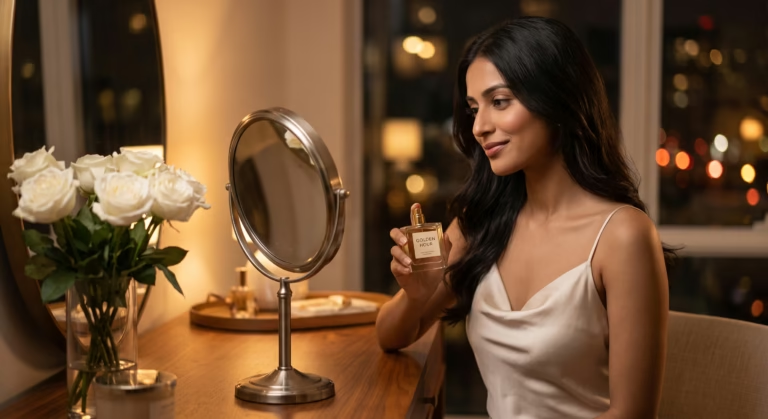
Evening Fragrance: Date nights and evening events are the perfect domains for alluring, intimate scents. Ingredients like jasmine, vanilla, musk, and dark woods are naturally inviting and sensual. Because evening wear is often about close-encounter settings, a rich EDP applied to the pulse points (neck, wrists, behind the ears) will create a captivating allure that develops beautifully as the night progresses.
Weddings and Special Celebrations
Special events require peak performance. Whether you are the bride, the groom, or a guest, the primary requirement is absolute longevity through sweat, tears, eating, dancing, and endless photography.
Routine Adjustments: Preparation begins weeks in advance with consistent skincare. On the day of the event, layering is the secret to longevity. Use a gripping primer to lock foundation in place. Apply cream blush and bronzer, and then set them with their powder equivalents. Waterproof mascara and eyeliner are non-negotiable. Finally, drench the face in a high-performance setting spray—applying it between layers of makeup, not just at the end.
Event Fragrance: A wedding or major celebration warrants a memorable scent. Many people choose a brand-new fragrance specifically for their wedding day, utilizing the psychological link between scent and memory. Look for high-quality EDPs with exceptional sillage (the trail a perfume leaves behind). Elegant white florals, sophisticated chypre fragrances, or refined, smooth woods provide a sense of elevated luxury suitable for formal attire.
Travel and Climate Shifts
Air travel wreaks havoc on beauty routines. Airplane cabins maintain a humidity level of roughly 10% to 20%—drier than the Sahara Desert.
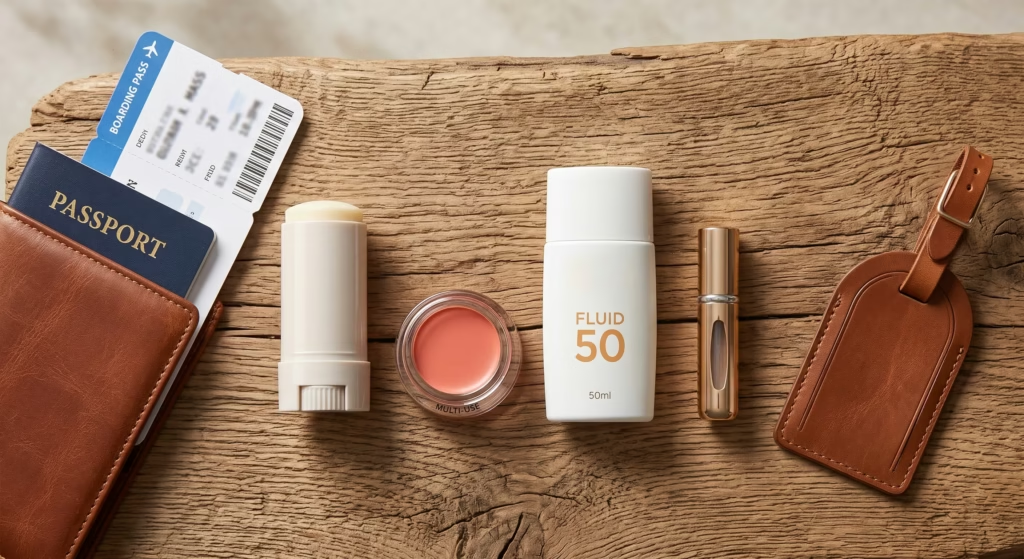
Routine Adjustments: Before a long flight, apply an intense layer of moisture. Skip the foundation; instead, wear a rich moisturizer and a hydrating lip mask. Upon landing, adapt immediately to the local climate. If you are traveling from a cold climate to a tropical beach, do not unpack your heavy winter creams. Rely on multi-use products, like lip-and-cheek tints, to save luggage space while adapting to the new environment.
Travel Fragrance: Never travel with full-sized glass perfume bottles; the pressure changes can cause leaks, and they add unnecessary weight. Utilize travel atomizers or discovery set vials. Choose a versatile scent that adapts well to various settings, ensuring you remain appropriately fragranced whether you are at a business dinner or exploring a new city.
Maximizing Product Longevity Across Environments
Understanding how to apply your products is just as important as knowing which products to choose. Longevity is a science of preparation and application.
Making Makeup Last Through Sweat and Humidity
- Skin Prep is Paramount: Makeup slides off skin that is overly oily or overly dry. Balancing the skin’s moisture barrier before applying cosmetics ensures a smooth, gripping canvas.
- The Power of Primer: Do not skip primer in extreme weather. Use a mattifying primer in the summer to control oil, and a hydrating primer in the winter to prevent flaking.
- Thin Layers: Applying three thin layers of foundation will always last longer and look more natural than one thick, heavy layer.
- Setting Techniques: In hot weather, press setting powder into the skin using a velour puff rather than dusting it with a brush. This forces the powder to absorb the liquid foundation, locking it down completely.
Enhancing Fragrance Projection by Skin Type
Fragrance performance is heavily dictated by your individual skin chemistry.
- Dry Skin: Fragrance oils dissipate rapidly on dry skin because there is nothing for the molecules to bind to. If you have dry skin, especially in winter, you must moisturize before applying perfume. Applying an unscented body lotion immediately before spraying will dramatically increase a fragrance’s lifespan.
- Oily Skin: Oily skin holds fragrance incredibly well. The natural lipids trap the scent molecules. However, oily skin can also sweeten certain notes. If a perfume smells too sweet on you, try applying it to your clothing or hair instead of directly to your skin.
- Application Points: Apply fragrance to pulse points—areas where the veins are close to the surface, emitting body heat. The neck, the inside of the wrists, and the inner elbows are prime locations. Never rub your wrists together; the friction breaks down the delicate top notes and ruins the intended progression of the scent.
Building a Versatile Beauty and Scent Wardrobe
You do not need to buy a new product for Seasonal & Occasion Beauty conceivable situation. The goal is to build a curated “wardrobe” of essentials that can be mixed and matched.
Core Essentials vs. Occasional Staples
The Core Skincare Routine: Your core routine should consist of a gentle cleanser, a reliable sunscreen, and a versatile hydrating serum. These remain constant year-round. You then swap your moisturizer based on the season (light lotion for summer, rich cream for winter).
The Core Makeup Kit: Invest in a versatile, medium-coverage concealer. In the summer, sheer it out with moisturizer. In the winter, use it over a luminous base. Maintain one neutral eyeshadow palette for work and daytime, and one deeper, more pigmented palette or individual shadow for evening events.
The Fragrance Wardrobe: Instead of endlessly searching for one mythical “signature scent” that works perfectly in a blizzard and a heatwave, curate a small wardrobe of three to four fragrances:
- The Daily Driver: A fresh, inoffensive EDT (like a crisp citrus or light floral) for the office, gym, and casual daytime wear.
- The Evening Signature: A rich, seductive EDP (like a warm amber or deep woody scent) for dates, dinners, and formal events.
- The Summer Specialist: An ultra-refreshing aquatic or green scent specifically for extreme heat.
- The Winter Specialist: A heavy, comforting, spicy or gourmand scent to cut through the freezing cold.
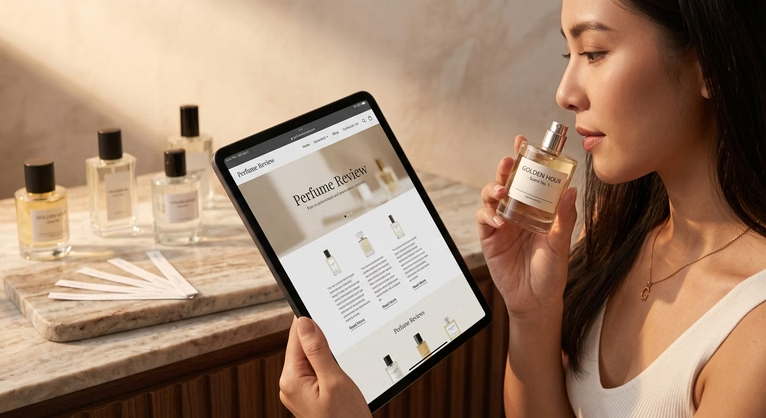
For those looking to expand their scent wardrobe without committing to full bottles blindly, utilizing a fragrance discovery set is the most strategic approach. It allows you to test how different notes react to your specific skin chemistry across different occasions and weather conditions.
Final Thoughts on Mastering Seasonal & Occasion Beauty Routine
Seasonal and occasion beauty is an ongoing dialogue between you and your environment. It requires observation, slight adjustments, and a willingness to understand the ingredients you are applying to your skin. By prioritizing skin health, understanding the physics of fragrance, and tailoring your makeup application to the context of your day, you transform your routine from a repetitive chore into an empowering tool for self-expression.
Beauty is not a one-size-fits-all formula. Let the seasons guide your textures, let the occasion dictate your intensity, and always choose the products that make you feel the most confident in the room.
Seasonal & Occasion Beauty FAQ Section
How should I change my skincare routine from summer to winter?
Transition from lightweight, water-based gels to richer, emollient creams. In winter, your skin needs ingredients like ceramides and squalane to repair the moisture barrier depleted by cold air and indoor heating, whereas summer requires oil control and rigorous SPF protection.
Why does my perfume fade so quickly in the summer?
Heat accelerates the evaporation of alcohol and fragrance oils. The thermal energy causes the scent molecules, particularly volatile top notes like citrus, to lift off the skin much faster. To combat this, apply an unscented lotion before your perfume, or spray slightly on your clothing.
What is the best type of fragrance to wear to the office?
Opt for subtle, fresh, and clean Eau de Toilette (EDT) formulations. Citrus, light floral, green, or soft woody fragrances are ideal. Apply sparingly (1-2 sprays) so your scent remains a polite, personal aura rather than a room-filling cloud.
How do I make my makeup last all day for a special event?
Longevity requires layering. Start with a well-moisturized face and a gripping primer. Apply makeup in thin layers, set liquids with matching powders (e.g., cream blush topped with powder blush), and use a high-quality setting spray continuously between layers, not just at the very end.
Can I wear a winter perfume in the summer?
While you can wear whatever you prefer, heavy winter perfumes (rich ambers, heavy woods, strong vanilla) often become cloying, overpowering, and suffocating in high heat and humidity. If you must wear a heavy scent in summer, apply a single spray to your lower body (like behind the knees) to reduce projection.
Does humidity ruin makeup?
Humidity prevents sweat from evaporating, causing makeup to slide off the skin. To prevent this, use oil-free, water-resistant formulas, avoid heavy cream foundations, and use a mattifying primer and a finely milled setting powder focused on the T-zone.
How many fragrances should be in a perfume wardrobe?
A well-rounded wardrobe typically contains 3 to 4 scents: a fresh/clean daytime scent for work, a richer/darker scent for evening and dates, a lightweight summer-specific scent, and a heavy winter-specific scent.
Should I change my foundation shade in the winter?
Often, yes. Most people lose their summer tan during the winter months, making their summer foundation look overly dark or orange. It is highly recommended to have a slightly lighter, more hydrating foundation for winter, and a slightly deeper, oil-controlling foundation for summer.