
The Complete Body Care & Grooming Routine From Cleansing to Fragrance Layering
We invest immense time, energy, and resources into multi-step facial skincare routines, carefully analyzing ingredient lists for the perfect balance of hydration and protection. Yet, below the neck, many of us default to a hurried wash and occasional lotion. Your body is wrapped in the exact same living, breathing organ as your face, and it demands the same level of intentional care.
A thoughtful body care & grooming routine is more than just basic hygiene; it is the foundation of total-body skin health, a longer-lasting fragrance trail, and an elevated daily self-care ritual. Whether you are dealing with dry patches, seasonal sensitivity, post-shave irritation, or simply want your signature scent to project beautifully throughout the day, the solution lies in a structured approach.

In this guide, we break down exactly how to build a practical, effective body care and grooming routine that honors your specific skin type, from the temperature of your shower to the final layer of your fragrance.
Why Your Body Skin Requires a Dedicated Routine
Skin is your body’s first line of defense, but the skin on your body behaves differently than the skin on your face. It is generally thicker, contains fewer sebaceous (oil) glands in areas like the legs and arms, and has a slower cell turnover rate. This unique physiology means body skin is highly susceptible to dryness, flakiness, and dullness.
Furthermore, your body skin is subjected to daily friction from clothing, the stripping effects of hot water, and the physical stress of hair removal. Treating body care as an afterthought often leads to a compromised skin barrier, resulting in irritation, dullness, and an inability to retain moisture which also means it cannot properly hold onto the fragrances you apply.
Identifying Your Body Skin Type
Before building a routine, it is essential to understand what your skin actually needs. Body skin types can even vary across different zones of the body.
- Dry to Very Dry: Feels tight after showering, appears ashy or flaky, and may itch during colder months. Requires lipid-rich creams and gentle, non-foaming cleansers.
- Oily or Acne-Prone: Prone to breakouts on the back, chest, or shoulders (often referred to as “bacne”). Benefits from chemical exfoliants like salicylic acid and lightweight, non-comedogenic lotions.
- Sensitive or Reactive: Easily flushed, prone to eczema patches, or irritated by heavily dyed or aggressively scented products. Requires barrier-repairing ingredients like ceramides and colloidal oatmeal.
- Normal: Generally balanced with no severe dryness or oiliness. Can tolerate most textures and ingredients, focusing primarily on maintenance and sensory enjoyment.
The Essential Step-by-Step Body Care Routine
A truly effective body care routine is built on three foundational pillars: cleansing, exfoliating, and hydrating.
Step 1: Cleansing and Protecting the Barrier
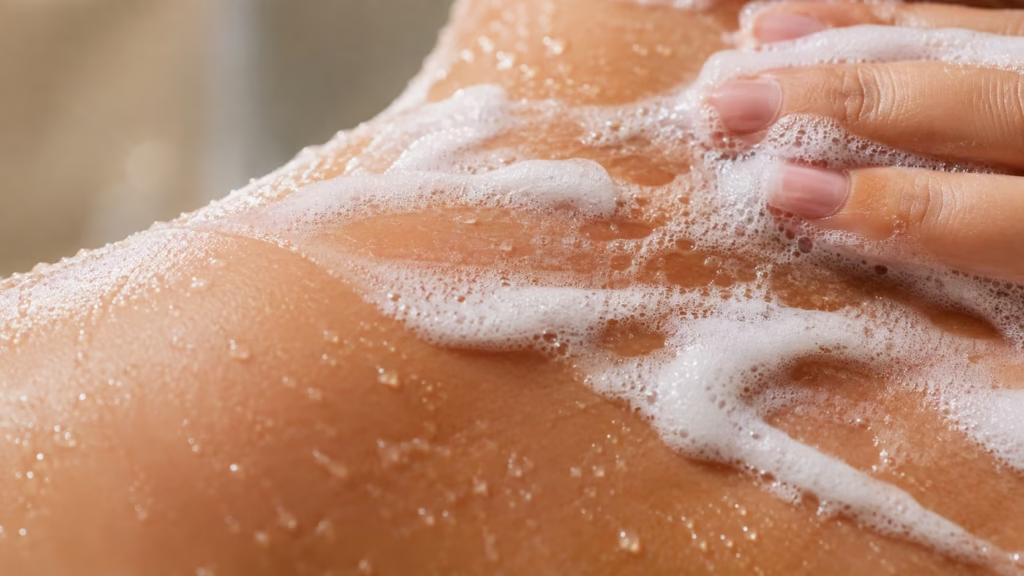
The goal of cleansing is to remove sweat, dirt, and excess sebum without stripping the skin of its natural lipids. The most common grooming mistake is using water that is too hot. Scalding showers melt away the skin’s natural protective oils, leaving the barrier compromised.
How to cleanse effectively:
- Keep the water temperature warm, not hot.
- Choose a body wash that aligns with your skin type. If you have dry skin, look for creamy, sulfate-free cleansers. If you are active or prone to body acne, a slightly clarifying gel cleanser is ideal.
- Apply the cleanser using your hands, a clean washcloth, or a silicone scrubber. Avoid loofahs, which can harbor bacteria if kept in a damp shower environment.
[Optional Contextual CTA: Explore Golden Hour’s hydrating body washes, formulated to cleanse without stripping the skin barrier.]
Step 2: Body Exfoliation (Chemical vs. Physical)
Because body skin has a slower cell turnover rate than facial skin, dead cells can accumulate quickly, leading to rough texture and a dull appearance. Exfoliation helps slough off these dead cells, allowing your moisturizers to penetrate deeply rather than sitting on top of dry skin.
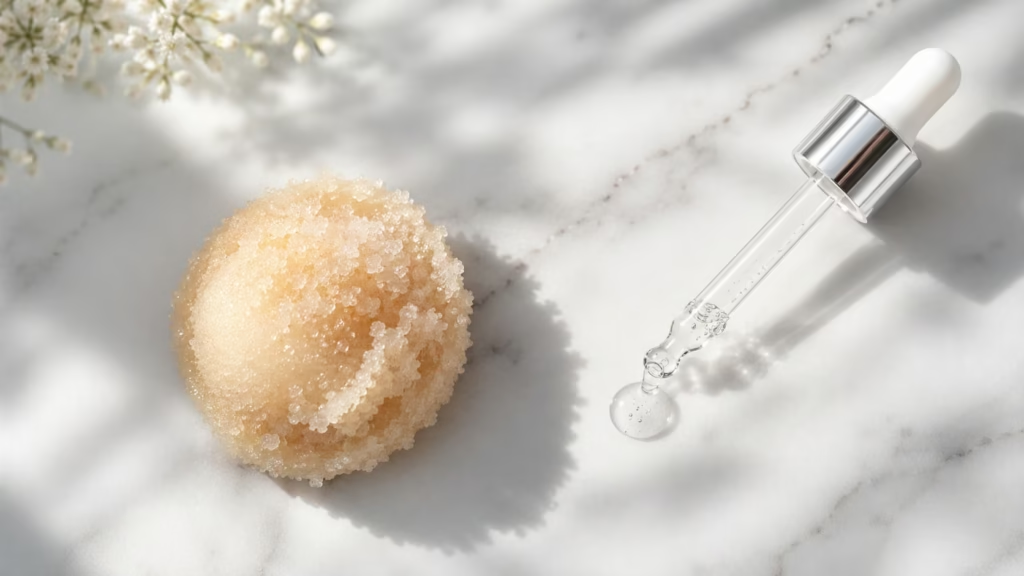
There are two primary ways to exfoliate:
- Physical Exfoliation: Using a scrub with fine particles (like sugar or jojoba beads) or a tool (like a dry brush) to manually buff away dead skin. This is excellent for immediate smoothness but should be done gently to avoid micro-tears in the skin. Limit physical scrubs to 1–2 times a week.
- Chemical Exfoliation: Using Alpha-Hydroxy Acids (AHAs like lactic or glycolic acid) or Beta-Hydroxy Acids (BHAs like salicylic acid) in a body wash or leave-on lotion to dissolve the bonds holding dead skin cells together. Chemical exfoliants are often more uniform and are highly effective for treating keratosis pilaris (the small bumps often found on the backs of arms) and body acne.
Step 3: Deep Hydration and Moisturization
The critical window for body hydration is within three minutes of stepping out of the shower. Applying moisturizer to slightly damp skin traps existing water into the epidermis before it can evaporate into the dry air.
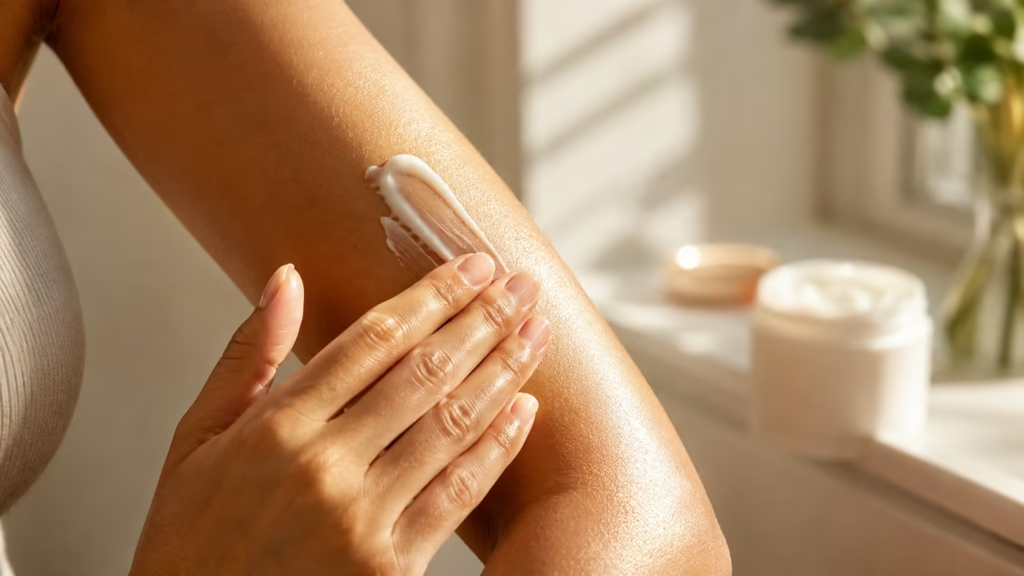
Choosing the right moisturizer depends on your preference and skin needs:
- Body Lotions: Lightweight and water-based. Excellent for normal skin or warm climates. They absorb quickly and provide instant, breathable hydration.
- Body Creams: Thicker, containing a higher ratio of oils and butters (like shea or cocoa butter). Ideal for dry skin and colder months, providing a stronger occlusive layer to prevent moisture loss.
- Body Oils: Deeply nourishing and often give the skin an immediate, beautiful sheen. Oils are best applied over a lotion to seal everything in, or applied directly to wet skin in the shower.
Advanced Grooming Hair Removal and Targeted Care
Personal grooming choices vary widely, but for those who choose to remove body hair, proper technique is vital to prevent irritation and infection.
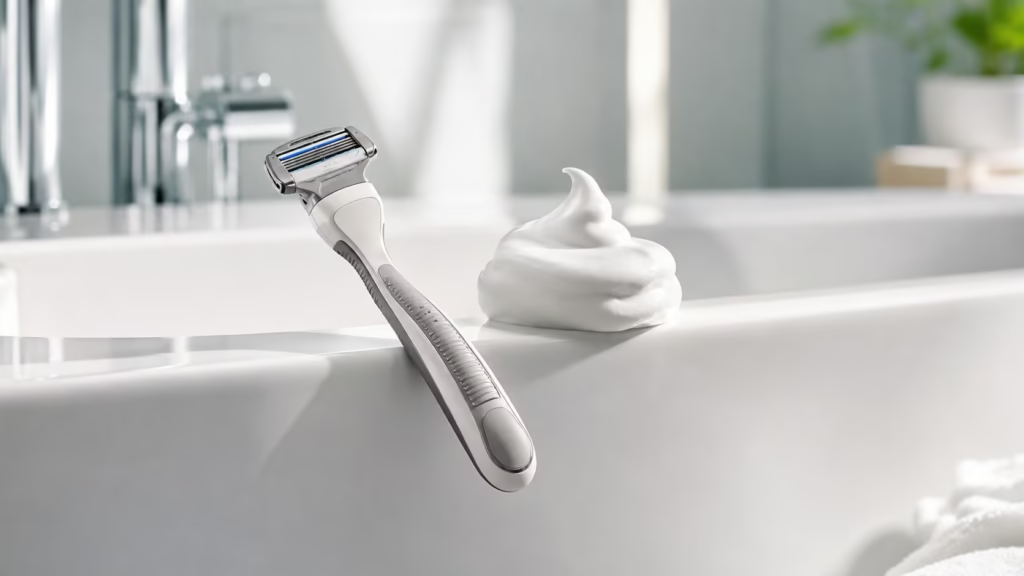
Pre- and Post-Shave Care to Prevent Irritation
Shaving is inherently a form of physical exfoliation. Doing it incorrectly leads to razor burn and microscopic damage to the skin barrier.
The ideal shaving protocol:
- Shave at the end of your shower. The warm water and steam will soften the hair follicle.
- Exfoliate gently beforehand to ensure a smooth glide and to dislodge any trapped hairs.
- Always use a dedicated shaving cream, gel, or a thick moisturizing body wash. Never dry-shave or use plain bar soap, which lacks the necessary “slip.”
- Use a sharp, clean razor and shave in the direction of hair growth.
- Immediately follow up with a soothing, fragrance-free lotion or a post-shave balm.
Managing Ingrown Hairs and Body Breakouts
Ingrown hairs occur when a hair curls back on itself and grows into the skin, often causing a painful, inflamed bump. To prevent and manage them, incorporate a chemical exfoliant (specifically one with salicylic acid, which is oil-soluble and can penetrate the pore) into your routine. Avoid aggressively picking at ingrown hairs, which can lead to hyperpigmentation and scarring.
Hand, Foot, and Targeted Area Care
Total body care means not neglecting the extremities. Hands and feet endure the most friction and environmental exposure, requiring targeted attention.
- Hand Care: Frequent handwashing strips moisture rapidly. Keep a nourishing hand cream by your sink and apply it immediately after washing. Look for ingredients like glycerin and ceramides. For cuticles, a drop of cuticle oil or a rich balm prevents hangnails.
- Foot Care: The skin on the soles of the feet is incredibly thick. To manage calluses, use a pumice stone on damp skin once a week. For an intensive overnight treatment, apply a thick layer of urea-based foot cream and wear cotton socks to sleep.
Freshness and Body Odor Management
Managing body odor is a key component of daily grooming, but it is highly misunderstood. Sweat itself is actually odorless; body odor occurs when the natural bacteria living on your skin (your microbiome) break down the proteins and lipids in sweat.
- Deodorants work by masking the scent and lowering the pH of the underarm, making it a less hospitable environment for odor-causing bacteria.
- Antiperspirants contain aluminum compounds that temporarily plug the sweat ducts, physically preventing sweat from reaching the skin’s surface.
For a fresh grooming routine, thoroughly cleanse underarms daily to remove lingering deodorant buildup. Some people also find success using a gentle exfoliating acid (like glycolic acid) under the arms a few times a week to keep the pH low and prevent odor before it starts.
The Art of Fragrance Layering
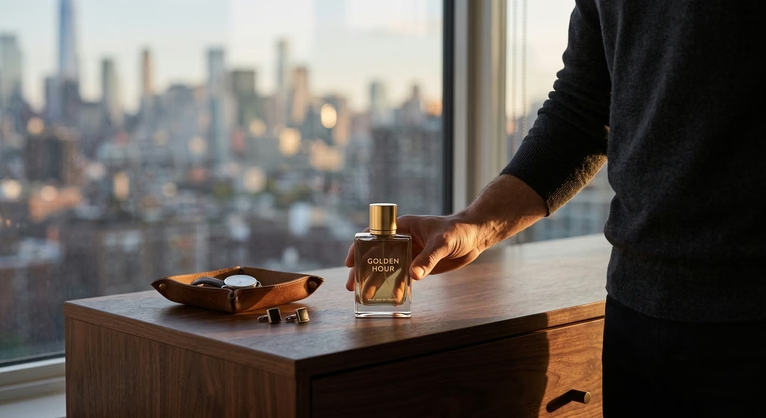
Fragrance is the invisible, final step of a comprehensive grooming routine. A well-hydrated skin barrier is the secret to making your perfume last longer. Fragrance molecules evaporate quickly on dry, flaky skin, but they bind beautifully to the lipids in well-moisturized skin.

How to layer fragrance for maximum impact:
- The Base: Start with a body wash that features a complementary scent profile to your perfume, or use an unscented wash.
- The Lock: Apply a deeply hydrating body cream or oil immediately after showering. If you want a uniform scent, use a body lotion from the same fragrance line as your perfume.
- The Projection: Spritz your eau de parfum onto pulse points—the wrists, the inner elbows, the base of the neck, and even the backs of the knees. These areas generate more body heat, which helps diffuse the fragrance throughout the day.
- The Rule: Do not rub your wrists together after applying perfume. The friction can heat the skin too rapidly and break down the delicate top notes of the fragrance.
[Optional Contextual CTA: Discover Golden Hour’s collection of layered body care and fragrances designed to complement your signature scent all day long.]
Seasonal Adjustments for Your Grooming Routine
Your body care needs are not static; they shift with the environment.
- During Winter: Plunging temperatures and indoor heating sap moisture from the air. Transition from lightweight lotions to rich, ceramide-heavy body creams. Scale back physical exfoliation to protect the barrier, and consider adding a body oil.
- During Summer: Heat and humidity increase sweat and sebum production. Switch to lighter, gel-based moisturizers. Increase chemical exfoliation to prevent clogged pores from sunscreen and sweat, and focus heavily on barrier protection if you are frequently swimming or in the sun.
Body Care & Grooming Conclusion Consistency Over Complexity
A luxurious body care and grooming routine does not require twenty different steps or a bathroom cabinet overflowing with products. It requires intentionality and consistency. By understanding the basics gentle cleansing, mindful exfoliation, deep hydration, and careful grooming you build a foundation for resilient, glowing skin.
Listen to your body. Adjust your moisturizers based on the weather, treat hair removal with care, and remember that well-hydrated skin is the perfect canvas for your favorite fragrance. Taking just five extra minutes when you step out of the shower transforms routine hygiene into an act of genuine self-care.
Body Care & Grooming Routine FAQ Section
1. How often should I exfoliate my body?
For most skin types, exfoliating 1 to 2 times a week is sufficient to remove dead skin cells and keep the skin smooth. If you have sensitive skin, stick to once a week. Over-exfoliating can damage your skin barrier and lead to irritation.
2. Is it better to apply body lotion to wet or dry skin?
It is highly recommended to apply body lotion to slightly damp skin within a few minutes of exiting the shower. This traps the existing moisture into your skin before it can evaporate, maximizing hydration.
3. What is the difference between body lotion and body butter?
Body lotions have a higher water content, making them lighter, faster-absorbing, and ideal for normal skin or warm weather. Body butters have a higher fat/oil content, making them thicker, deeply occlusive, and better for very dry skin or cold winter months.
4. How can I prevent razor bumps and ingrown hairs?
To prevent ingrown hairs, always shave at the end of your shower when hair is soft. Exfoliate gently before shaving, use a dedicated shave cream for slip, and use a sharp razor. Following up with a chemical exfoliant (like salicylic acid) can keep pores clear.
5. How do I make my perfume last longer on my skin?
Fragrance lasts significantly longer on moisturized skin. To increase longevity, layer your scent: start with a hydrating body wash, apply a rich body cream or oil to damp skin, and then spray your perfume onto your pulse points.
6. Should I use physical scrubs or chemical exfoliants on my body?
Both can be effective, but chemical exfoliants (like AHA/BHA lotions) are generally preferred by dermatologists as they provide a more even, gentle exfoliation. Physical scrubs provide immediate smoothness but must be used gently to avoid micro-tears in the skin.
7. Can I use my facial skincare products on my body?
Yes, but it is usually not cost-effective since body skin requires much larger volumes of product. However, using a facial serum (like hyaluronic acid or niacinamide) on targeted areas like the chest or hands is an excellent way to treat specific concerns.
8. Why is the skin on my legs always so dry?
The skin on the lower legs contains fewer sebaceous (oil) glands than the face or chest, making it naturally prone to dryness. Hot showers and frequent shaving further deplete the moisture barrier in this area, requiring consistent, heavy moisturization.