Perfume Recommendations by Season Find Your Perfect Scent Year-Round
Have you ever noticed that your favorite fragrance smells vibrant and refreshing in July, but somehow feels flat and uninspiring by December? Read this Perfume Recommendations by Season Or perhaps a scent you purchased on a tropical vacation smells entirely different when you wear it back home in a cooler climate?
The relationship between fragrance and weather is one of the most fascinating aspects of perfumery. Perfume is not static; it is a living, breathing composition of aromatic molecules that react intimately with your skin and the environment. Heat can amplify fragrance diffusion, humidity can affect how long a scent lingers, and cold temperatures can drastically change how quickly a fragrance develops from its top notes down to its base.
While the traditional four seasons offer a helpful starting point, selecting a fragrance is rarely as simple as changing your bottle every three months. For many fragrance lovers especially those in regions like South Asia, the Middle East, or tropical climates understanding the interplay between temperature, humidity, and fragrance notes is the true secret to smelling incredible all year long.
This comprehensive guide will explore how weather impacts your favorite scents, which fragrance families thrive in different environments, and how you can curate a seasonal fragrance wardrobe that perfectly matches your climate and lifestyle.
What Perfume is Best for Each Season?
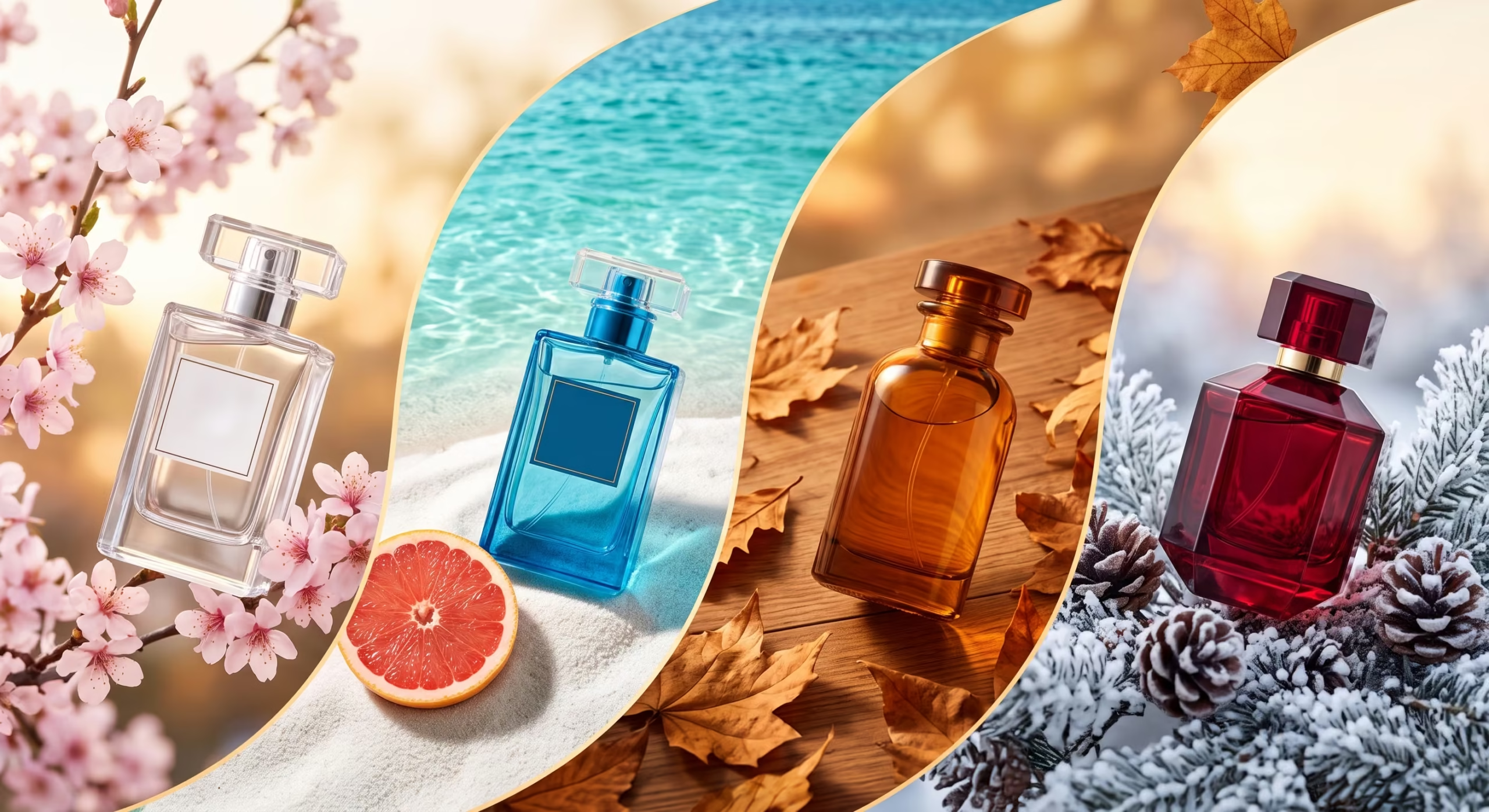
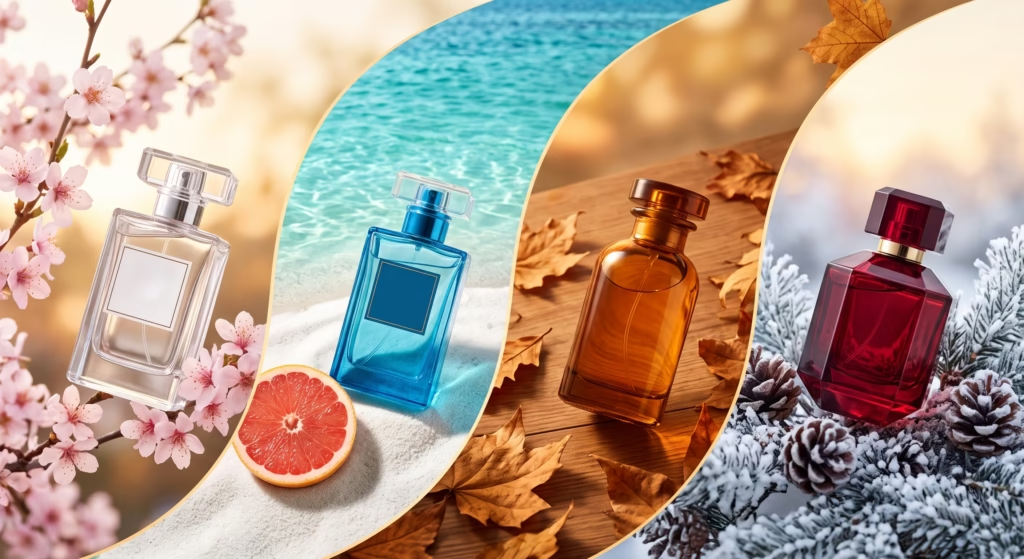
Quick Answer: The best perfumes for each season align with the climate’s temperature and humidity. Spring favors fresh florals and green notes. Summer calls for light citrus, aquatics, and aromatics. Autumn transitions into warm woods and soft spices, while winter is ideal for rich ambers, heavy gourmands, and deep resins.
Why Does Weather Matter When Choosing Perfume?
The way a perfume performs is dictated by science specifically, how heat and moisture interact with the essential oils and alcohol in your fragrance.
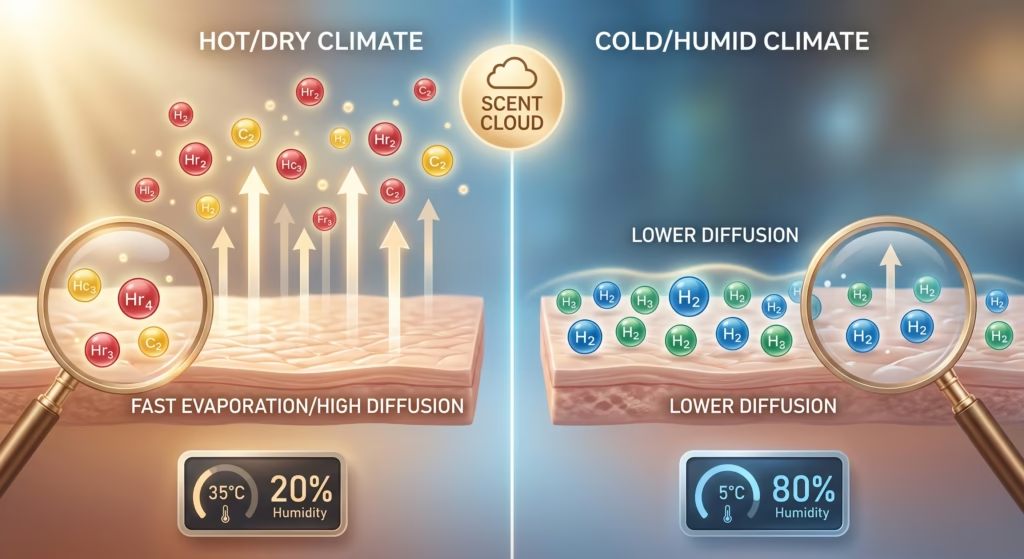
When you spray a perfume, the heat of your skin and the ambient temperature of the air cause the liquid to evaporate. Temperature directly controls the speed of this evaporation. In hot weather, fragrance molecules heat up and evaporate rapidly. This makes the perfume project further (creating a larger scent bubble or “sillage”), but it can also cause the fragrance to burn off your skin much faster.
Humidity, on the other hand, acts like a magnifying glass for scent. Moisture in the air traps fragrance molecules, allowing them to linger longer and smell more intense. A perfume that feels perfectly balanced in a dry climate might feel heavy or cloying in high humidity.
Conversely, cold air slows down the evaporation process. The molecules stay closer to your skin, meaning a fragrance won’t project as far. Because of this, lighter citrus or floral scents can easily get lost in cold weather, which is why richer, heavier base notes like vanilla, amber, and woods are often preferred when the temperature drops.
Perfume Recommendations by Season
Understanding the traditional seasonal shift is a great foundation for building your fragrance wardrobe. Here is a look at the scent profiles that traditionally harmonize best with each season.
Best Perfumes for Spring
Spring represents renewal and transition. As the chill of winter fades and the air becomes milder, heavy winter fragrances can start to feel a bit too dense. This is the perfect time to transition to scents that mirror the awakening of nature.
Ideal Fragrance Directions:
- Fresh florals (peony, lily of the valley, freesia)
- Green notes (cut grass, violet leaf, galbanum)
- Bright citrus (bergamot, lemon)
- Clean musks and light woods
Spring weather can be unpredictable, often oscillating between cool, rainy mornings and warm, sunny afternoons. Green notes and soft florals cut through the crisp air beautifully, offering a clean, uplifting aura. For rainy spring days, fragrances featuring aquatic notes or earthy vetiver can complement the petrichor (the smell of rain on dry earth) in the air.
Best Perfumes for Summer
Summer poses the greatest challenge for fragrance longevity. High heat causes top notes to flash off the skin rapidly, while high humidity can make heavy base notes feel suffocating. The goal in summer is to find a fragrance that feels refreshing, cooling, and vibrant without becoming overwhelming.
Ideal Fragrance Directions:
- Zesty citrus (grapefruit, lime, mandarin)
- Aquatic and marine accords (sea salt, oceanic notes)
- Aromatic herbs (mint, basil, rosemary)
- Fruity and light floral compositions
When navigating summer scents, consider your specific environment. A dry, desert heat allows you to wear slightly sweeter or woodier summer scents because the lack of moisture prevents them from becoming cloying. However, in hot and highly humid climates, crisp aquatics, sharp citruses, and astringent green notes are often the best choices, as they cut through the heavy air and provide a cooling sensation. In peak summer heat, you may need to apply less fragrance per wearing, but reapply more frequently throughout the day.
Best Perfumes for Autumn / Fall
As the leaves change and the air turns crisp, the light, fleeting citrus notes of summer often feel out of place. Autumn is a season of transition, inviting warmth, depth, and comfort into your fragrance choices.
Ideal Fragrance Directions:
- Woody notes (cedar, sandalwood, vetiver)
- Soft spices (cardamom, cinnamon, nutmeg)
- Amber and warm resins
- Earthy notes like patchouli and oakmoss
Autumn fragrances bridge the gap between the freshness of summer and the heavy density of winter. Fruity-woods such as plum mixed with cedar, or fig combined with sandalwood work exceptionally well. These fragrances often carry a cozy, nostalgic quality that pairs perfectly with knit sweaters, crisp evening walks, and the fading warmth of the sun.
Best Perfumes for Winter
Winter is the season where perfumers bring out their most opulent, complex, and heavy ingredients. Because cold temperatures suppress fragrance projection, you need scents with significant weight and depth to push through the cold air and heavy layers of clothing.
Ideal Fragrance Directions:
- Rich ambers and resins (frankincense, myrrh, labdanum)
- Heavy gourmands (vanilla, caramel, chocolate, coffee)
- Deep, dark woods (oud, mahogany)
- Intense, warm spices and rich florals (rose, tuberose)
Winter fragrances are comforting and enveloping. They rely heavily on base notes, which linger on the skin and clothing for hours sometimes days. However, it is important to remember that during winter, many of us spend our time indoors in heavily heated environments. If you are attending a cozy indoor dinner party with the heat turned up, you may want to apply your heavy winter fragrance with a lighter hand to avoid overwhelming the room.
What Fragrance Notes Work Best in Each Season?
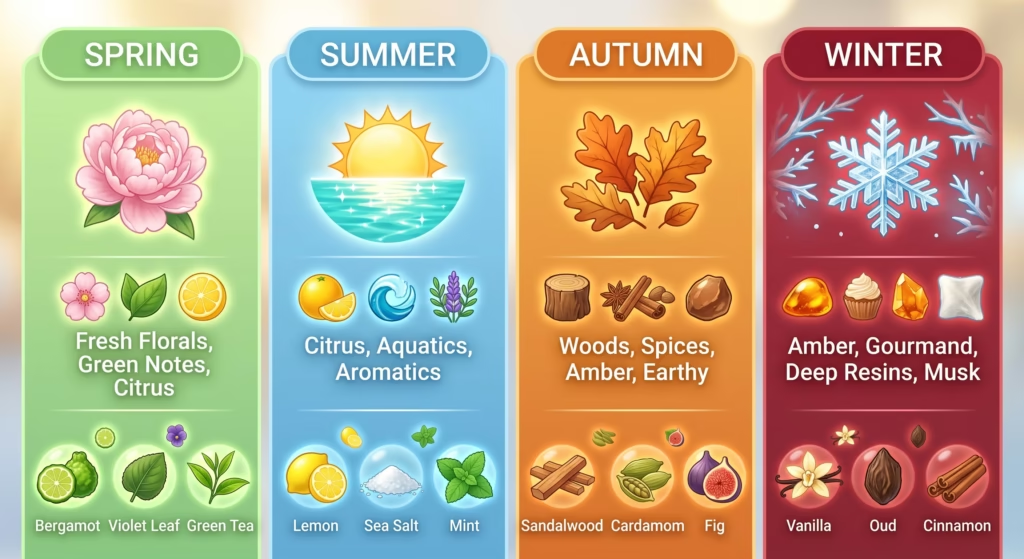
While a masterfully blended perfume is more than the sum of its parts, certain individual notes tend to evoke specific seasons and perform better in certain climates.
| Season / Weather | Fragrance Directions | Common Notes | Typical Impression |
| Spring / Mild | Fresh, Green, Floral | Bergamot, Peony, Violet Leaf, Green Tea, Clean Musk | Uplifting, crisp, natural, romantic |
| Summer / Hot | Citrus, Aquatic, Aromatic | Lemon, Grapefruit, Sea Salt, Mint, Neroli, Coconut | Refreshing, cooling, vibrant, energetic |
| Autumn / Crisp | Woody, Spicy, Earthy | Sandalwood, Cardamom, Patchouli, Fig, Leather | Warm, cozy, grounded, nostalgic |
| Winter / Cold | Amber, Gourmand, Resinous | Vanilla, Oud, Cinnamon, Tonka Bean, Amber, Myrrh | Rich, luxurious, comforting, intense |
Note: Formulation matters more than a single ingredient. A vanilla note can be made light and airy for summer, just as a citrus note can be grounded with heavy woods for winter. These are guidelines, not absolute rules.
Best Fragrance Families for Hot Weather
When the temperature rises, certain olfactory families naturally perform better, providing a sense of freshness rather than fatigue.
Citrus and Fresh Families: These are the quintessential hot-weather companions. Because citrus molecules are small and highly volatile, they evaporate quickly, creating an immediate, refreshing burst of energy that feels like a cold glass of lemonade on a scorching day.
Aquatic and Green Families: Aquatics mimic the scent of the ocean, sea breeze, or fresh rain, bringing a cooling effect to the skin. Green fragrances, featuring notes of crushed leaves or green tea, offer an astringent, crisp quality that cuts beautifully through stifling heat.
Light Florals and Musks: For those who prefer a softer touch, “white florals” (like sheer jasmine or neroli) paired with clean, skin-like white musks create a “just out of the shower” freshness that holds up beautifully in the sun.
Best Fragrance Families for Cold Weather
When the environment is freezing, fragrance needs density, warmth, and staying power.

Amber and Resinous Families: Often referred to historically as “oriental” fragrances, these feature luxurious, heavy materials like labdanum, benzoin, and amber. They create a literal sense of warmth on the skin.
Woody and Spicy Families: Rich sandalwood, smoky cedar, and sharp oud combined with baking spices provide an elegant, grounding presence that cuts through cold air with sophistication.
Gourmand Families: Scents that mimic edible notes vanilla, almond, chocolate, and coffee are deeply comforting in winter. The cold weather prevents these sweet notes from becoming cloying, allowing them to smell incredibly alluring and cozy.
Perfume for Humid vs. Dry Weather
The difference between a dry heat and a humid heat is one of the most critical yet rarely discussed factors in fragrance selection. If you live in a tropical or subtropical climate, this distinction is vastly more important than the traditional four seasons.
Humid Weather:
Humidity traps scent molecules in the dense, moisture-rich air. This amplifies a perfume’s intensity and projection. In high humidity, heavy sweet notes, dense florals, and rich woods can quickly become suffocating and headache-inducing.
The Strategy: Opt for the lightest, driest, and crispest fragrances in your collection. Dry citruses, sharp greens, and marine aquatics thrive here. You should also apply less fragrance than usual, as the humidity will naturally amplify the scent.
Dry Heat:
In arid, desert-like climates (or dry Mediterranean summers), the lack of moisture in the air means fragrances evaporate off the skin rapidly without lingering in the air.
The Strategy: Because the air won’t amplify the scent, you can get away with wearing slightly sweeter, woodier, or more floral summer fragrances. However, you will likely face longevity issues. Keeping your skin highly moisturized with an unscented lotion before application is vital in dry climates to give the fragrance oils something to bind to.
How Fragrance Concentration Affects Seasonal Wear
You will often see fragrances categorized by concentration: Eau de Cologne (EDC), Eau de Toilette (EDT), Eau de Parfum (EDP), and Parfum/Extrait.
While it is a common misconception that Eau de Parfum is automatically “better” or longer-lasting for every situation, concentration plays a nuanced role in seasonal wear.
- Eau de Cologne and Eau de Toilette: These feature a higher percentage of alcohol and a lower concentration of perfume oils. This makes them highly volatile, meaning they project loudly right away but fade faster. This rapid evaporation is actually highly desirable in the peak of summer, as it provides a refreshing, cooling effect.
- Eau de Parfum and Extrait: These have higher oil concentrations and less alcohol. They tend to sit closer to the skin, developing slowly and lasting for many hours. This slow, dense development is perfect for winter, as the fragrance slowly unfurls throughout the day in the cold air.
However, a fragrance’s longevity is dictated just as much by its ingredients (heavy woods last longer than light citruses) as its concentration.
How to Choose Perfume for Day vs. Night in Different Seasons
The time of day often dictates a shift in temperature and social setting, meaning your fragrance should shift as well.
- Summer Morning vs. Summer Evening: A crisp, tart grapefruit scent is perfect for a sweltering July morning. But for a breezy summer evening, you might transition to a white floral or a light, creamy sandalwood that complements the cooler night air.
- Winter Morning vs. Winter Evening: A bright, spicy cedarwood fragrance might be your go-to for a crisp January commute. For a winter evening event, you can pull out your heaviest, most decadent vanilla or oud-based Extrait de Parfum to match the formality and warmth of the night.
Best Perfume Style for Different Seasonal Occasions
Your environment and occasion are just as important as the weather outside.
- The Office: Regardless of the season, office environments are usually climate-controlled and enclosed. Even in the dead of winter, wearing an ultra-heavy, room-filling amber fragrance to a cubicle is a mistake. Stick to clean musks, light woods, and soft florals for professional settings.
- Outdoor Events & Weddings: For spring and summer weddings, romantic florals and uplifting aromatics are beautiful choices. Be mindful of wearing overly sweet scents to outdoor summer events, as they can sometimes attract insects.
- Date Nights: Warmth and intimacy call for inviting scents. In cooler months, soft spices and gourmands are highly attractive. In warmer months, a sultry musk or a subtle, skin-like woody scent creates a beautiful, intimate aura.
How to Make Your Perfume Last Longer in Different Seasons
Weather constantly fights against fragrance longevity. Here is how to improve performance year-round:
- Moisturize Your Skin: Fragrance oils bind to fat, not water. In dry winter months or arid summer heat, applying unscented body lotion before your perfume can dramatically increase longevity.
- Target Pulse Points Strategically: In winter, apply to the neck and wrists where body heat is highest. In peak summer heat, consider applying to the back of the neck or the inner elbows so the scent doesn’t project directly into your face and overwhelm you.
- Consider Your Clothing: In winter, spraying a scarf or sweater can make a fragrance last for days (always test on a hidden area first to ensure it won’t stain).
- Avoid Rubbing: Never rub your wrists together. The friction creates heat that aggressively burns off the delicate top notes, ruining the intended development of the fragrance.
How to Store Perfume Properly Year-Round
The same weather that affects how a perfume smells on your skin can also destroy the liquid in the bottle. To protect your investment:
- Avoid the Bathroom: The constant fluctuation of heat and humidity from the shower is the fastest way to break down delicate fragrance molecules.
- Avoid Direct Sunlight: UV rays degrade perfume oils rapidly.
- Maintain Stable Temperatures: Store your fragrances in a cool, dark place, such as a bedroom closet or a dedicated drawer. Consistency is more important than absolute cold; avoid places with extreme temperature swings.
Common Seasonal Perfume Mistakes
Even seasoned fragrance enthusiasts fall into a few common traps:
- Overspraying in the heat: Heat and humidity act as an amplifier. Three sprays in winter might be perfect; three sprays of the same scent in a humid summer might clear a room.
- Ignoring the indoor environment: If it is freezing outside but you work in a heavily heated, stuffy office, a heavy winter fragrance will become cloying. Dress your scent for the environment you will spend the most time in.
- Testing blindly: A perfume tested on a blotter strip in a heavily air-conditioned department store will smell radically different when worn on your skin in the humid outdoors. Always test on the skin and wear it in your actual climate before judging.
Can One Perfume Work All Year?
Absolutely. The concept of a “signature scent” one fragrance worn every day, regardless of the season is entirely valid.
If you want a year-round fragrance, look for well-balanced compositions that sit perfectly in the middle of the spectrum. Aromatic woods, clean musks, and earthy citrus scents often have enough freshness to survive the summer and enough woody depth to hold up in the winter.
The trick to wearing one fragrance year-round is adjusting your application. Wear one or two sprays in the high heat of July, and three or four sprays in the freezing cold of January.
How to Build a Seasonal Fragrance Wardrobe
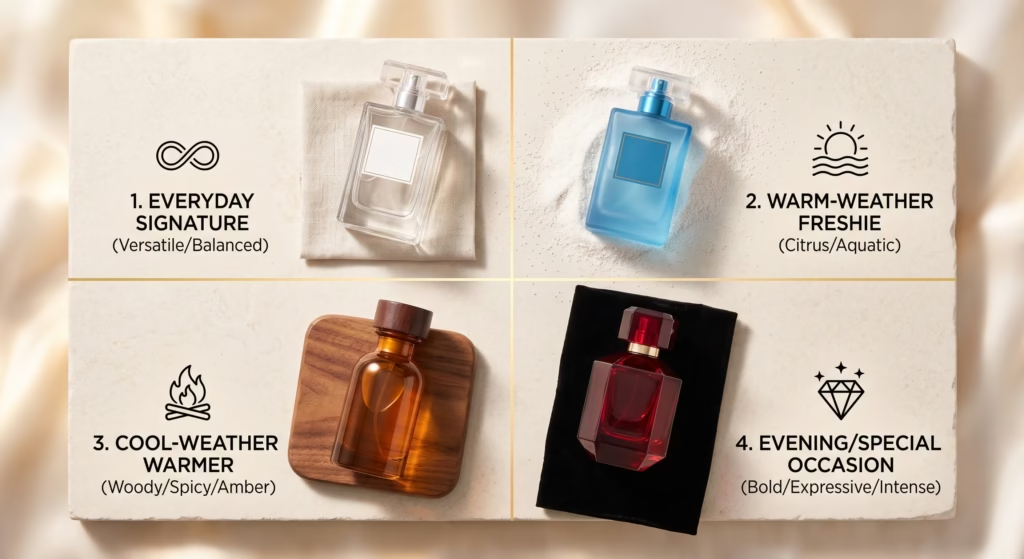
You do not need fifty bottles to smell appropriate for every season. A highly effective, minimalist fragrance wardrobe can be built with just four categories:
- The Everyday Signature: A versatile, balanced fragrance (like a clean musk or light wood) for the office, errands, and days when you don’t want to think too hard.
- The Warm-Weather Freshie: A bright, uplifting citrus or aquatic scent specifically for hot, humid days and summer vacations.
- The Cool-Weather Warmer: A rich, cozy fragrance (featuring amber, woods, or spices) for cold days and cozy autumn afternoons.
- The Evening/Special Occasion Scent: A bold, expressive, and slightly more intense fragrance used strictly for date nights, weddings, and formal events.
How to Find Your Best Seasonal Perfume
Finding your ideal seasonal scent is a journey of exploration.
- Identify your primary climate: Are you dealing with dry heat, tropical humidity, or harsh snowy winters?
- Explore fragrance families: Decide if you lean toward fresh citruses, heavy woods, or sweet gourmands.
- Test on skin: Spray a sample on your wrist and let it dry down for at least three hours. Notice how the scent changes from the opening top notes to the lingering base notes.
- Evaluate in your environment: Walk outside. Notice how the temperature and humidity change the way the fragrance projects around you.
Golden Hour’s Perfume Discovery Guide
The world of perfumery is deeply personal, and navigating the nuances of notes, climates, and concentrations can feel overwhelming. Whether you are searching for a crisp summer signature or a comforting winter staple, understanding the fundamentals of fragrance makes the journey much more rewarding.
To dive deeper into identifying your personal scent profile, understanding olfactory families, and mastering fragrance application, explore the Perfume Discovery Guide by Golden Hour. Our comprehensive resources are designed to demystify perfumery and help you curate a fragrance wardrobe you truly love.
Discovering your next favorite scent is a deeply rewarding process. Embrace the journey, test new profiles on your skin, and let your environment help you unlock the full potential of your fragrance collection. For more expert insights and curations, visit Golden Hour and elevate your everyday scent experience.
Perfume Recommendations by Season FAQ Section
What perfume is best for summer?
The best summer perfumes feature light, volatile notes that provide a refreshing aura in high heat. Look for fragrances dominant in citrus, aquatic, green, and light floral notes. These families cut through heat and humidity without becoming heavy, cloying, or overwhelming to those around you.
What perfume is best for winter?
Winter perfumes require density to project through cold air and layers of clothing. The best choices feature rich, heavy base notes like amber, vanilla, oud, sandalwood, and warm spices. These ingredients develop slowly on the skin, providing a comforting, long-lasting warmth.
Does weather affect perfume?
Yes. Temperature dictates how quickly a perfume evaporates, while humidity affects how intensely the scent lingers in the air. Heat amplifies a fragrance’s projection but reduces its longevity, whereas cold suppresses projection but allows the scent to last much longer on the skin.
What fragrance notes are best for hot weather?
Bright, refreshing notes work best in hot weather. Bergamot, lemon, grapefruit, sea salt, neroli, mint, and green tea are excellent choices. They evaporate quickly, creating an immediate, uplifting cooling sensation that combats the heat.
What perfumes work best in humid climates?
In high humidity, moisture traps scent molecules, making heavy fragrances smell suffocating. Opt for crisp, dry, and astringent fragrances—such as sharp citruses, green leaves, and light aquatics. Apply less than you normally would, as humidity naturally amplifies the scent’s intensity.
Is Eau de Parfum better for winter?
Often, yes. Eau de Parfum has a higher concentration of fragrance oils and less alcohol, meaning it sits closer to the skin and develops slowly over many hours. This slow burn is ideal for cold weather, whereas highly volatile Eau de Toilettes are often preferred for a quick, refreshing burst in the summer.
How should I wear perfume in hot weather?
In hot weather, apply less fragrance per wearing but be prepared to reapply later in the day. Avoid spraying directly onto the front of your neck, as the heat will project the scent straight into your nose. Instead, target the back of the neck, inner elbows, or wrists.
Can one perfume work in every season?
Yes. A well-balanced fragrance, such as a clean musk, an aromatic wood, or a subtle earthy citrus, can work year-round. The key to wearing one signature scent all year is adjusting your application: fewer sprays in the summer heat and more sprays in the winter cold.