Beyond the Hype: How to Choose an Aromatic Perfume for Women for Year-Round Wear
Finding the perfect aromatic perfume for women can feel like navigating a maze of conflicting marketing claims, especially when the beauty industry insists on aggressively marketing herbal scents solely toward men. You want something fresh but grounded, crisp but elegant, and sophisticated without smelling like a walking herb garden or a blast of sharp shaving foam. For decades, women have been pushed toward overly sweet florals, sugary gourmands, or fleeting citruses, leaving the beautifully complex world of aromatics largely misunderstood. But true fragrance enthusiasts know that herbal, botanical notes offer some of the most dynamic, confidence-boosting, and versatile wearing experiences available today.
Quick answer: An aromatic perfume for women blends fresh, green, and herbal notes—such as lavender, clary sage, rosemary, and mint—with softer florals, warm woods, or crisp citruses. To choose the right one, match the aromatic profile to your skin chemistry and preferred sub-family, ensuring it features a solid base of woods or musk for reliable year-round longevity.
Whether you are building your fragrance wardrobe from scratch, transitioning away from heavy gourmands, or looking for a signature scent that defies traditional gender norms, understanding how aromatic notes work is essential. At Golden Hour, our mission is to cut through the noise and provide honest, practical advice that empowers your choices. In this comprehensive guide, we will break down exactly what aromatic fragrances are, how they interact with your unique skin chemistry, and how to choose a botanical blend that feels uniquely yours, no matter the season.
What Defines an Aromatic Perfume for Women?
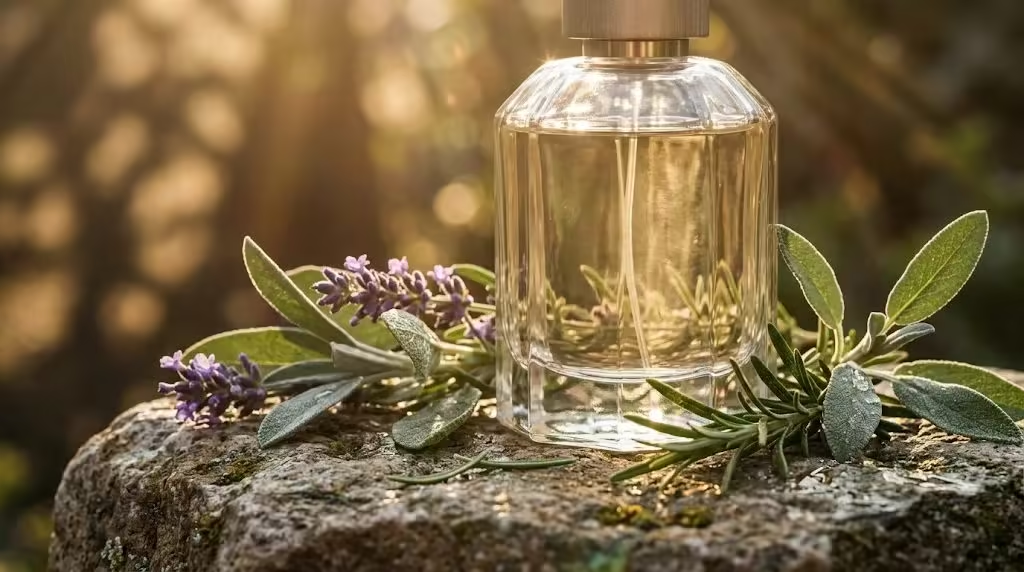
In the traditional fragrance wheel, the aromatic fragrance family is defined by notes of fresh, green, culinary, and medicinal herbs. Think of the uplifting, bracing scents of lavender, rosemary, thyme, eucalyptus, mint, and clary sage. Historically, these raw materials formed the backbone of the “fougère” (fern-like) category, a style that has dominated men’s perfumery since the release of Fougère Royale in the late 19th century. However, the concept that herbs belong to men and flowers belong to women is a purely modern marketing invention.
An aromatic perfume for women takes these bracing, botanical elements and masterfully blends them with complementary notes to create something universally appealing and deeply sophisticated. Instead of the sharp, barbershop-cologne bite of a traditional men’s fougère, a woman’s aromatic fragrance might soften crushed mint with sheer jasmine, or ground bracing lavender in a warm, creamy sandalwood base. The result is a fragrance that smells exceptionally clean, natural, and effortlessly chic, avoiding the cloying sweetness that plagues so many modern designer releases.
The magic of aromatic notes lies in their volatility. They are typically used as top or heart notes, meaning they are the very first things you smell when you spray the perfume. They provide an immediate rush of energy and clarity, waking up the senses before settling down to allow the richer, heavier base notes to emerge. This dynamic progression—from sharp and icy to warm and skin-like—makes aromatics incredibly engaging to wear throughout the long workday or into the evening.

The Shift from Masculine to Universal
For decades, the beauty counters told women they should smell like blossoming flowers, ripe fruits, or spun sugar, while men were given the crisp woods and fresh herbs. In recent years, niche and artisanal fragrance houses have led a massive rebellion against these restrictive categories, highlighting how beautifully the best herbaceous fragrances wear on everyone. Women are increasingly drawn to the grounded, empowering, and non-intrusive nature of herbal fragrances.
Choosing an aromatic scent is a deliberate stylistic statement. It communicates that you do not need to rely on heavy, edible sweetness to feel elegant or feminine. It is the olfactory equivalent of a perfectly tailored linen suit, a crisp white button-down shirt, or a vintage leather jacket: relaxed, structured, and timeless. Understanding how these notes are categorized can help you explore our Fragrance Families Guide with much more confidence.
Why Choose an Aromatic Perfume for Women for Year-Round Wear?
One of the biggest misconceptions in the fragrance world is that you must rigorously separate your perfumes by season—wearing only heavy, spicy, amber scents in December and fleeting, watery aquatic scents in July. While ambient temperature certainly affects how a perfume projects and evaporates, aromatic notes possess a unique, dual-natured versatility that makes them exceptional year-round companions.
The Cooling and Warming Paradox
Aromatic ingredients have an inherent duality on the skin. In the high heat and suffocating humidity of summer, notes like peppermint, basil, and eucalyptus provide a literal cooling sensation. They cut through the thick air, offering a crisp, refreshing aura that feels like a cold breeze against the neck. Crucially, they never become cloying, sticky, or suffocating, which is a common risk with heavy white florals or gourmands in the heat.
Conversely, in the dead of winter, aromatic herbs take on an entirely different character. Think of dried white sage, steeped chamomile, or roasted rosemary. When paired with the right base notes—like amber, cedar, or leather—these herbs evoke the cozy, comforting feeling of holding a warm cup of herbal tea by a crackling fire. They offer a dry, crisp contrast to the damp cold outside. This profound adaptability is what makes an aromatic perfume such a smart, economical investment for your daily beauty routine.
Aromatherapy and Mood-Boosting Benefits
Beyond simply smelling good, aromatic perfumes often carry the psychological benefits of their raw materials. The olfactory bulb in the brain is directly connected to the limbic system, which is the center that controls emotion, memory, and stress responses. This physiological connection is why certain smells can instantly alter our mood or calm our nervous system.
For example, clinical studies published by the National Institutes of Health (NIH) have shown that inhaling a natural lavender and rosemary scent can significantly lower heart rate, reduce cortisol levels, and induce a state of calm alertness. Peppermint enhances focus and cognitive stamina. Clary sage is deeply grounding and historically used for stress relief. When you wear an aromatic fragrance, you are not just accessorizing your outfit; you are actively creating a personal, protective atmosphere. For women navigating high-stress jobs, crowded commutes, or busy lifestyles, a quick spritz of an aromatic perfume serves as a wearable moment of zen.
Key Aromatic Fragrance Notes and How They Behave on Skin
To truly understand how to choose your signature scent, you need to get familiar with the raw materials themselves. Not all herbs behave the same way on the skin. Some are fleeting, icy, and sharp, while others are earthy, dense, and persistent. Here is a detailed breakdown of the most common aromatic fragrance notes you will encounter in modern perfumery.
| Aromatic Note | Scent Profile & Characteristics | Best Paired With |
|---|---|---|
| Lavender | Floral, herbaceous, slightly sweet, and camphoraceous. Can be clean/soapy or dark/roasted depending on the extraction method. | Vanilla, Tonka Bean, Coffee, Bergamot |
| Clary Sage | Earthy, sweet, slightly nutty, and tea-like. Extremely grounding, elegant, and softly musky. | Woods, Leather, Soft White Musks, Iris |
| Rosemary | Piney, resinous, bracing, and green. Adds a sharp, intensely clean lift to the opening of a fragrance. | Lemon, Grapefruit, Cedarwood, Vetiver |
| Mint (Peppermint/Spearmint) | Cooling, icy, sweet, and intensely fresh. Highly volatile (evaporates off the skin quickly). | Green Tea, Lime, Aquatic Notes, Fig |
| Basil | Spicy, green, slightly peppery with an underlying anise-like sweetness. Adds a lush, garden-fresh vibe. | Neroli, Mandarin, Tomato Leaf, Pink Pepper |
| Juniper Berries | Crisp, woody, and gin-like. Imparts a dry, sophisticated, and slightly bitter freshness. | Pine, Angelica, Gin Accords, Black Pepper |
When reviewing ingredient lists, remember that the International Fragrance Association (IFRA) strictly regulates the concentration of certain natural essential oils to prevent skin sensitization and allergic reactions. Therefore, modern aromatic perfumes often use a masterful, deliberate blend of safe natural extracts and high-quality synthetics (like linalool or ambroxan) to achieve a stable, long-lasting herbal profile that won’t irritate your skin.
How to Select the Best Aromatic Perfume for Women by Sub-Family
Because aromatic notes are highly volatile and rarely stand completely on their own in a commercial perfume, they are usually blended into larger sub-families to give the fragrance structure and longevity. Identifying which sub-family you naturally gravitate toward is the most reliable way to find a perfume you will actually empty and repurchase.
1. Aromatic Citrus: For the Freshness Seeker
If you love the feeling of stepping out of a cold shower on a hot summer morning, the aromatic citrus category is built for you. These perfumes pair the zing of lemon, bergamot, yuzu, or grapefruit with crisp herbs like basil, mint, or thyme. The herbs act as an anchor for the fleeting citrus notes, giving them more depth, complexity, and longevity on the skin.
This profile is inherently energetic, sporty, and optimistic. It is the perfect choice for the office, the gym, or casual weekend wear where you want to smell clean but not overpowering. To explore this category further, check out our guide on How to Choose a Fresh Citrus Perfume for Women That Lasts Year-Round. The key here is to look for a base of clean white musk, which will hold the fresh notes to your skin without turning heavy or sour.
2. Aromatic Woody: For the Grounded Minimalist
If you want to project quiet confidence, authority, and understated elegance, look for an aromatic woody fragrance. This sub-family beautifully blends notes like sage, lavender, or juniper with rich cedarwood, creamy sandalwood, or smoky vetiver. It is dry, sophisticated, deeply grounding, and often completely unisex.
An aromatic woody perfume is incredibly versatile for year-round wear because the dense woods provide necessary warmth in the winter, while the herbs provide an uplifting crispness in the summer. It feels exactly like wearing a beautifully tailored cashmere sweater. If you lean toward these deeper, more resonant scent profiles, you will find excellent advice in our guide on How to Choose an Earthy Perfume for Women.
3. Aromatic Floral: For the Modern Romantic
For those who are intimidated by strictly herbal scents and still want a touch of traditional femininity, the aromatic floral category offers a breathtaking compromise. Here, sharp herbs are used to cut through the heavy, sometimes suffocating sweetness of traditional flowers, preventing the perfume from becoming cloying or “old-fashioned.”
Imagine a vibrant bouquet of dark red roses scattered with freshly crushed mint leaves, or a sweet jasmine vine wrapped in dry clary sage. The herbs provide a green, realistic edge to the florals, making them smell like a real, living, breathing garden rather than a synthetic candy shop. This is a highly modern approach to romantic perfumery, offering massive complexity without overwhelming weight.
4. Aromatic Spicy: The Bold Signature
A fresh spicy perfume utilizes aromatic herbs alongside warm, piquant spices like cardamom, pink pepper, coriander, or nutmeg. This combination creates a fascinating “hot and cold” dynamic on the skin—the icy blast of juniper or lavender constantly contrasting with the fiery warmth of the spices.
This category is deeply seductive, mysterious, and performs exceptionally well in the evenings, on date nights, or during the cooler autumn and winter months. It is bold, memorable, and often leaves a stunning scent trail (sillage) behind the wearer without ever relying on heavy vanilla or sugar.
Understanding Skin Chemistry, Testing, and Longevity
One of the most frustrating aspects of buying luxury perfume is realizing that a fragrance you loved on a paper tester strip smells entirely different—or disappears completely—the moment it touches your skin. This is especially true for aromatic perfumes, which are heavily influenced by body heat and skin pH.
The Volatility of Herbal Notes
In fragrance chemistry, aromatic notes are composed of small, highly volatile molecules. This means they literally evaporate off the skin very quickly. If you spray an aromatic perfume, the intense mint, basil, or rosemary will typically fade within the first 30 to 60 minutes. What remains is the heart of the fragrance and the deep base notes.
Therefore, you must never buy an aromatic perfume based solely on the first five minutes of wearing it in a department store. You must let it sit on your skin for at least an hour to see how the base notes (usually woods, musks, patchouli, or resins) interact with your unique body chemistry. If the base turns sour, metallic, or overly powdery on your skin, the beautiful herbal opening will not be worth the investment.
Concentration Matters: EDT vs. EDP
When shopping, you will frequently see the terms Eau de Toilette (EDT) and Eau de Parfum (EDP). Because aromatic notes are inherently light and airy, a higher concentration isn’t always objectively “better.”
- Eau de Toilette (EDT): EDTs have a higher alcohol content, which acts as a powerful propellant. This helps the light, herbal top notes project further into the air around you. If you want a perfume that feels bright, sharp, and highly refreshing, an aromatic EDT is often the superior choice, even if it requires a quick reapplication in the afternoon.
- Eau de Parfum (EDP): EDPs contain more pure perfume oil and less alcohol. In an aromatic EDP, the delicate herbal notes are often pushed down by heavier base notes designed to make the scent last. The fragrance will undoubtedly last longer on the skin, but it may feel less “breezy” and more dense or resinous.
For a deeper dive into how these formulations actually work and which one suits your lifestyle, read our comprehensive breakdown: Perfume Concentration Explained: The Honest Guide to EDP, EDT, Extrait, and Longevity.
How to Layer Your Aromatic Perfume for Women
To get the absolute most out of your aromatic fragrance, you need to apply it strategically. Because these scents are naturally lighter and fresher than heavy ambers or gourmands, they require a bit of technique to ensure they last from morning until night without losing their crisp character. If you frequently struggle with scents disappearing on your skin, we highly recommend reviewing our guide on The Ultimate Honest Guide to Long-Lasting Women’s Perfumes.
Targeting the Pulse Points for Maximum Projection
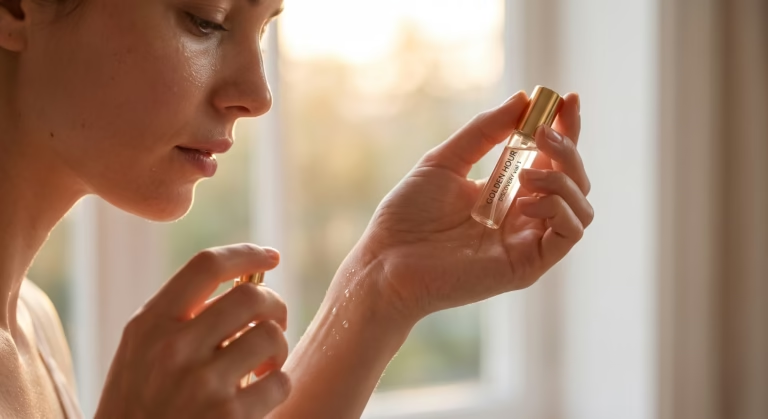
Body heat is the chemical catalyst that makes perfume bloom. Always apply your fragrance to your pulse points, where the blood vessels are closest to the skin. The wrists, the base of the neck, and behind the ears are standard, but for aromatic scents, consider applying to the inner elbows and the back of the knees. As you move and walk throughout the day, the heat generated in these joints will continuously reactivate the herbal notes, creating a subtle, clean scent bubble around you.
Pro-tip: Never, ever rub your wrists together after spraying. The friction creates sudden heat that literally burns off the delicate top notes of herbs and citruses, ruining the perfumer’s intended progression and severely cutting down on the scent’s lifespan.
The Art of Fragrance Layering
If you find that your aromatic perfume is a bit too sharp on its own, or if you want to seamlessly transition a bright summer scent into the cold winter months, layering is your best tool. Aromatic notes play incredibly well with other fragrance families.
- To warm it up for winter: Layer your herbal perfume over a rich vanilla-scented body lotion or a pure vanilla fragrance. The dry, botanical nature of lavender or clary sage cuts perfectly through the syrupy sweetness of vanilla, creating a sophisticated, cozy, “expensive-smelling” blend.
- To make it fresher for high heat: Layer your aromatic scent with a straight citrus fragrance (like pure bergamot, neroli, or grapefruit). This heavily boosts the energy of the fragrance and is perfect for tropical vacations or outdoor summer events.
- To make it more formal for evening: Layer it over a woody, musky, or leathery base. This grounds the floating herbs and gives the overall profile a rich, authoritative edge, ideal for formal dinners or important business meetings.

Avoiding the “Toothpaste” or “Barbershop” Trap
The main hesitation women have when exploring aromatic perfumes is the distinct fear of smelling like toothpaste (due to mint) or a traditional men’s aftershave (due to lavender and rosemary). These are completely valid concerns, but they are easily avoidable if you know how to read a note pyramid.
To avoid the dreaded toothpaste effect, look for mint that is explicitly paired with earthy, grounded notes like green tea, fig, or vetiver, rather than paired with aquatic or marine notes, which tend to heavily amplify the synthetic, functional smell of dental products.
To avoid smelling like men’s shaving cream, look for perfumes that omit oakmoss or heavy geranium from the base, as these are the classic, undeniable markers of a traditional masculine fougère. Instead, seek out an aromatic perfume for women that uses sheer white musks, soft sandalwood, ambrette seed, or a touch of powdery iris in the base. These luxurious ingredients soften the harsh edges of the herbs, rendering them velvety, plush, and elegant rather than sharp and medicinal.
Key Takeaways
Before you invest in your next signature bottle, keep these crucial guidelines in mind to ensure you make the right choice:
- Aromatics are gender-neutral: Ignore marketing labels; notes like lavender, sage, and mint are incredibly elegant, powerful, and alluring on women.
- Test for the dry-down: Herbal top notes vanish quickly. You must wear the perfume on your actual skin for at least an hour to ensure the base notes agree with your specific body chemistry.
- Match the sub-family to your vibe: Choose aromatic-citrus for sporty energy, aromatic-woody for grounded elegance, or aromatic-floral for a modern, green twist on classic romance.
- Use them year-round: Herbs act as a refreshing cooling agent in the summer humidity and a dry, comforting, tea-like presence in the winter cold.
- Layer strategically: Boost longevity and endlessly customize your scent by layering aromatic perfumes over vanilla, woody, or citrus body products.
Find Your True Signature Scent
Choosing an aromatic perfume for women is about embracing a fragrance that feels natural, grounded, and unapologetically fresh. It is a confident departure from the overly sweet, mass-market trends, offering a sophisticated alternative that adapts to your body chemistry and the shifting seasons seamlessly.
Your journey to finding the perfect scent doesn’t end here. We highly encourage you to sample widely, trust your own nose over the flashy marketing campaigns, and take your time living with a fragrance before committing to a full-sized bottle. For more honest, hype-free guidance on building your ultimate fragrance wardrobe, explore our Golden Hour archives, where we decode everything from ingredient science to finding your ultimate signature style without the industry noise.
Frequently Asked Questions
What is the difference between an aromatic perfume and a green perfume?
While both families smell highly natural, green perfumes focus on the scent of snapped leaves, fresh-cut grass, and damp stems (utilizing notes like galbanum or violet leaf). Aromatic perfumes focus specifically on culinary and medicinal herbs like lavender, mint, rosemary, and sage. Aromatics are usually more bracing, dry, and spicy, while green scents are more damp, sappy, and vegetal.
Can I wear an aromatic perfume for women to a formal evening event?
Absolutely. While aromatics are naturally fresh and day-appropriate, choosing an “aromatic woody” or “aromatic spicy” sub-family provides the necessary depth for formal wear. Look for herbal fragrances that feature a strong, rich base of sandalwood, patchouli, or warm amber to give the scent an elegant, evening-appropriate richness and heavy sillage.
Why does my lavender perfume smell like men’s cologne?
If your lavender perfume smells like a traditional men’s cologne, it is likely formulated as a classic fougère, combining lavender with oakmoss, coumarin, and geranium. To find a softer, more universally appealing lavender, look for modern blends that pair the herb with warm vanilla, sweet tonka bean, or soft white musks instead of heavy, bitter mosses.
How can I make my aromatic perfume last longer on my skin?
Because herbal notes evaporate very quickly, you must properly prep your skin. Apply an unscented body lotion or a neutral body oil immediately after showering, then spray your perfume directly over the moisturized skin. The lipids in the lotion trap the volatile aromatic molecules, significantly slowing down their evaporation and extending the life of the fragrance.
Are aromatic perfumes safe and appropriate to wear in the office?
Yes, aromatic perfumes are widely considered among the best choices for enclosed office environments. Because they are crisp, clean, and generally lack heavy, suffocating sweetness, they project a sense of professionalism, clarity, and grooming. They are far less likely to trigger headaches or offend coworkers than heavy gourmand or dense floral fragrances.
Does mint in perfume always smell like toothpaste or gum?
Not at all. When masterfully blended by a skilled perfumer, mint in perfumery smells exactly like a crushed fresh leaf in a garden, not a synthetic dental product. High-quality perfumes pair mint with earthy, grounded, or tea-like notes—such as green tea, vetiver, or fig—to highlight its natural, botanical greenness rather than its icy, functional qualities.
What is the absolute best season to wear an aromatic fragrance?
Aromatic fragrances are uniquely suited for true year-round wear. In high summer, notes like mint and basil provide a crisp, much-needed cooling relief from the oppressive heat. In the dead of winter, herbs like dried sage and roasted rosemary offer a comforting, tea-like warmth that cuts beautifully through the cold, damp air.
How do I know if an aromatic perfume will react badly with my body chemistry?
The only foolproof way to know is a proper skin test. Aromatic notes can occasionally turn sharp, sour, or overly medicinal on highly acidic skin. Spray the fragrance directly on your inner wrist (remember, do not rub), leave the perfume store, and smell it periodically over the next two to three hours. If it remains smooth and balanced, it works beautifully with your chemistry.