The Honest Guide: How to Choose a Leather Perfume for Women for Year-Round Wear
Finding the perfect leather perfume for women can feel intimidating, often conjuring images of heavy winter coats, dark libraries, or harsh, smoky rooms. But modern perfumery has transformed this historically raw, masculine note into something incredibly elegant, supple, and adaptable to your skin chemistry. If you are tired of overly sweet florals and want a signature scent with an undeniable edge, it is time to explore the luxurious world of leather.
Quick answer: A leather perfume for women is a fragrance built around synthetic or natural accords that mimic the scent of cured hide, suede, or tanned leather. To wear one year-round, choose softer suede or floral-leather blends for warm weather, and reserve heavier, resinous, or smoky leather variations for autumn and winter.
Welcome back to another comprehensive guide at Golden Hour, your trusted space for honest, hype-free beauty and fragrance education. Today, we are cutting through the marketing noise to unpack exactly how you can confidently choose, wear, and layer this complex fragrance family.
The Fascinating History of Leather Scent Profiles
Leather is one of the oldest families in the history of perfumery, born out of necessity rather than luxury. In the 16th century, the tanning process involved foul-smelling chemicals, leaving leather goods with a distinctly unpleasant odor. To mask this, European glove-makers began infusing their leather goods with rich botanical oils, musk, and ambergris.
This gave rise to the famous “Peau d’Espagne” (Spanish Leather), a highly aromatic, floral, and spicy scent profile used to scent women’s gloves. Meanwhile, Russian leather goods were historically waterproofed with birch tar, giving them a distinctively smoky, robust aroma. For decades, wearing a leather perfume meant smelling like a rugged equestrian or a gentleman’s club.
Today, the landscape has completely shifted. Perfumers have isolated the elegant, velvety aspects of leather, making it one of the most sophisticated notes available. By understanding its origins, you can better appreciate how a modern leather perfume for women bridges the gap between historical boldness and contemporary femininity.
Understanding the Science of Leather Notes
Here is an honest truth about the fragrance industry: there is no such thing as an essential oil extracted directly from a leather jacket. The “leather” you smell in your favorite bottle is an illusion, meticulously crafted by perfumers using a blend of natural materials and synthetic molecules. Understanding these building blocks is the secret to knowing what you are actually buying.
Natural Materials Used to Create Leather Accords
Traditionally, perfumers relied entirely on plant and animal derivatives to replicate the smell of tanned hide. While animal musks are largely banned today, botanical extracts remain vital. Birch tar provides a campfire-like, barbecue-smoke facet, while cade oil offers a dry, woody sharpness. Labdanum, a sticky resin derived from the rockrose plant, gives leather its warm, amber-like, and slightly sweet undertone.
The Role of Synthetic Molecules
Modern perfumery relies heavily on synthetics to create safe, sustainable, and hyper-realistic leather profiles. The most famous of these is isobutyl quinoline (IBQ), a powerful molecule discovered in the 1920s that smells earthy, nutty, and distinctly like raw leather. Other modern synthetics, like Suderal, are used to create the fuzzy, soft-focus texture of white suede.
Because leather accords are complex reconstructions, they are highly regulated to ensure safety and stability. Organizations like the International Fragrance Association (IFRA) monitor the use of materials like birch tar due to potential skin sensitivities, which is why modern brands lean toward high-quality synthetics to deliver that pristine, luxurious leather aroma.
Why a Leather Perfume for Women Is Surprisingly Versatile
When most people think of a leather perfume for women, they picture heavy, winter-only fragrances that suffocate in the heat. However, because leather is an “accord” (a blended concept rather than a single ingredient), it can be manipulated to fit any season or mood. It all depends on the supporting notes the perfumer chooses.
A sheer, powdery suede can feel as comforting as a cashmere sweater in early spring. Conversely, a leather note spiced with cardamom or saffron can radiate beautifully on a crisp autumn evening. The versatility comes from the note’s ability to act as a deep, anchoring canvas that allows lighter, fleeting top notes to shine.
By shifting your perspective away from the “biker jacket” stereotype and toward the idea of a “luxury handbag” or “velvet glove,” you open up a world of sophisticated scents. A well-crafted leather perfume for women brings confidence, groundedness, and a touch of mystery that fruity or aquatic scents simply cannot match.
Decoding the Four Main Leather Scent Profiles
Not all leather fragrances are created equal. To find your perfect match without the expensive trial-and-error, you need to understand the four primary sub-categories. By identifying which profile resonates with your personal style, you can navigate the perfume counter with absolute confidence.
1. The Soft Suede (Musky & Powdery)
If you are new to this fragrance family, suede is your safest and most elegant entry point. These perfumes rely on synthetic musks to create a fuzzy, tactile sensation that smells like warm skin or the inside of a pristine luxury handbag. They are quiet, intimate, and sit very close to the body.
Best for the Office and Daytime
Suede perfumes often incorporate notes of iris, violet, or white musk. Because they lack the sharp, smoky edges of traditional leather, they are completely safe for close-quarters environments. They project an aura of quiet luxury and impeccable grooming without demanding the attention of the entire room.
2. The Floral Leather (Romantic & Bold)
Floral leathers represent the ultimate contrast in perfumery: the delicate, ephemeral beauty of blooming petals colliding with the tough, enduring nature of cured hide. This combination creates a dynamic tension that makes the perfume wildly addictive. Rose and tuberose are commonly used, but white florals also play beautifully here.
The Perfect Evening Signature
If you want a scent that feels incredibly powerful yet undeniably feminine, this is it. For those who already love a good jasmine perfume for women, seeking out a variation that anchors the jasmine with a soft leather base will dramatically increase the fragrance’s longevity and nighttime appeal.
3. The Smoky & Woody Leather (Earthy & Grounded)
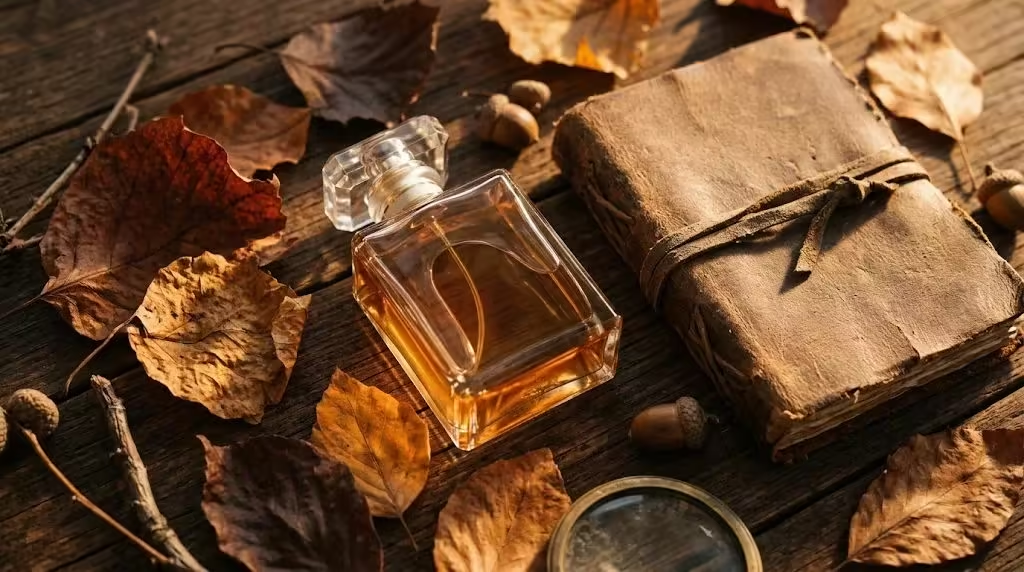
This is the most traditional interpretation of leather, often utilizing birch tar, vetiver, and cedarwood. It smells dry, slightly charred, and deeply connected to nature. These scents conjure images of crackling fireplaces, vintage books, and horseback riding through a misty forest.
For the Confident Trailblazer
Smoky leathers are typically marketed as unisex, making them ideal for women who prefer their fragrances completely devoid of sweetness. If you naturally gravitate toward a smoky perfume for women, a dry woody leather will feel like a natural, empowering extension of your current wardrobe.
4. The Amber & Sweet Leather (Rich & Resinous)
When perfumers blend leather with vanilla, benzoin, tonka bean, or labdanum, the result is a syrupy, golden, and deeply sensual fragrance. The sweetness rounds out the harsh corners of the leather, creating a scent that feels like wearing a heavy, expensive velvet cloak.
The Winter Warmer
These are projection monsters that leave a stunning scent trail (sillage) behind you. If you are a fan of rich, gourmand profiles, exploring an amber perfume for women that features a leather dry-down will give you that cozy sweetness, but with a mature, sophisticated backbone.
How to Evaluate a Leather Perfume for Women on Your Skin
Leather is notoriously reactive to individual body chemistry. What smells like a supple luxury handbag on a paper tester strip can suddenly smell like sharp chemicals or barbecue smoke when it interacts with the heat and oils of your skin. You cannot blind-buy a leather perfume based on marketing descriptions alone.
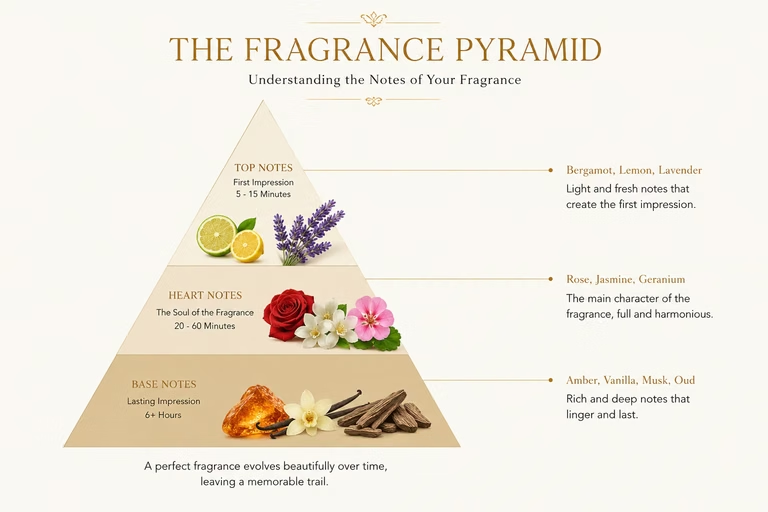
When testing a leather perfume for women, spray it exclusively on your pulse points—never just on your clothes—and walk away from the perfume counter. Leather notes are base notes, meaning they have a heavy molecular weight. You will not truly understand the perfume’s character until the lighter top notes (like citrus or berries) evaporate entirely.
You must give a leather fragrance at least two hours to dry down before making a purchasing decision. During this time, pay attention to how the scent makes you feel. Does it feel like a comforting embrace, or does it feel like you are wearing a costume that doesn’t quite fit?
Comparing Leather Scent Profiles at a Glance
To help you narrow down your search, use this simple comparison table to match a leather sub-family to your specific needs, preferred season, and desired aesthetic.
| Leather Sub-Family | Common Supporting Notes | Ideal Season | The Overall Vibe |
|---|---|---|---|
| Soft Suede | Iris, White Musk, Violet | Spring & Summer | Quiet luxury, intimate, clean |
| Floral Leather | Rose, Jasmine, Saffron | Year-Round (Evenings) | Romantic, commanding, bold |
| Smoky/Woody | Birch Tar, Vetiver, Cedar | Autumn & Winter | Earthy, mysterious, grounded |
| Amber/Sweet | Vanilla, Labdanum, Tonka | Winter | Sensual, cozy, opulent |
Adjusting Your Leather Fragrances for the Seasons
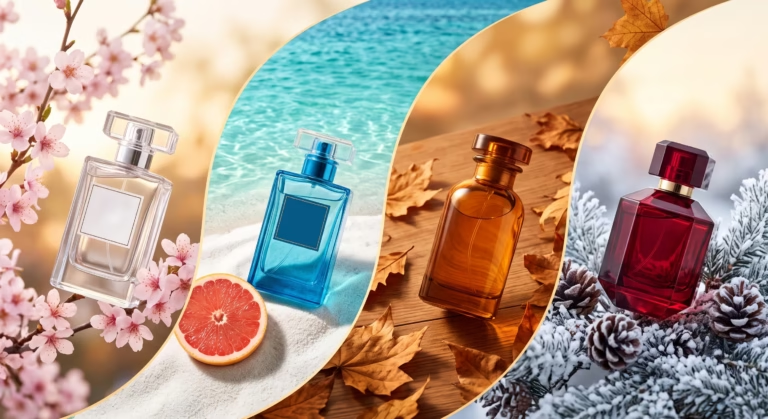
The secret to making a leather perfume for women work 365 days a year lies entirely in your application technique and your understanding of temperature. Heat amplifies fragrance, causing heavy base notes to evaporate faster and project further, which can easily overwhelm both you and the people around you.
Spring and Summer: The Sheer Approach
In the warmer months, step away from the dense, resinous leathers and reach for suede or citrus-leather blends. The application method is critical here: instead of spraying directly onto your neck or chest, spray once onto your wrists, or lightly mist the back of your knees. This keeps the scent subtle and prevents it from becoming cloying in high humidity.
Autumn and Winter: Embracing the Depth
Cold weather dampens fragrance projection, meaning your skin requires a heavier, richer scent profile just to be noticed. This is the time to bring out your smoky, spicy, and amber-heavy leather perfumes. Apply them generously to your pulse points, and consider spritzing a scarf or the lining of your coat to anchor the scent for days.
If you want to deepen your understanding of how different fragrance families perform in various climates, you can explore the comprehensive database of leather fragrance notes to see how expert perfumers balance heavy bases with volatile top notes.
Mastering the Art of Layering Leather Perfumes
One of the most exciting aspects of owning a leather perfume for women is how beautifully it serves as a base layer for other fragrances. Because leather acts as an anchor, it can extend the life of lighter perfumes while giving them a bespoke, personalized twist that nobody else will have.
Softening the Edges with Vanilla
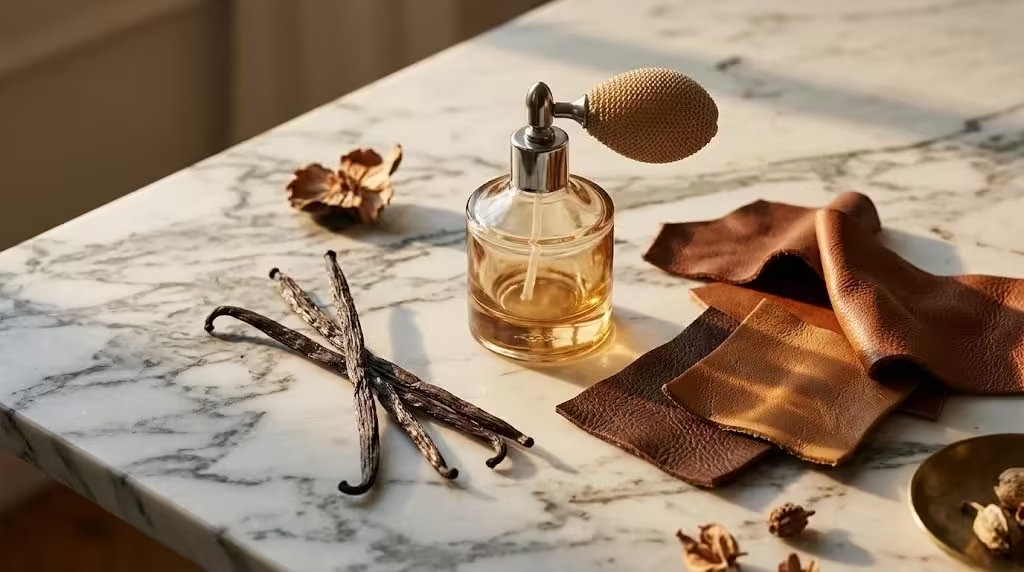
If you bought a leather scent that feels a bit too harsh or masculine for your daily style, do not throw it away. Instead, layer it with a simple, high-quality vanilla perfume for women. Apply the leather first, let it dry for a minute, and mist the vanilla over the top. The sweetness will immediately round out the sharp edges, creating a cozy, gourmand-leather hybrid.
Adding Sparkle with Citrus or Florals
To make a heavy leather appropriate for a summer evening, layer it with a bright, zesty bergamot or a fresh rose water spray. The sharp acidity of citrus cuts through the density of the leather, creating a sparkling, champagne-like effect. This technique instantly modernizes vintage-leaning leather perfumes, making them feel vibrant and alive.
Common Mistakes When Choosing a Leather Fragrance
Even seasoned fragrance lovers make mistakes when navigating the leather category. The most common error is judging the perfume by its opening seconds. Many leather scents open with a blast of sharp alcohol and aggressive spices that can shock the nose, leading people to immediately scrub it off.
Another mistake is over-spraying. Leather relies on heavy molecules that cause rapid olfactory fatigue—meaning your nose gets tired and stops registering the smell, even though everyone else can still smell it intensely. Never apply more than two or three sprays of a genuine leather extrait or eau de parfum.
Finally, avoid falling into the gender-marketing trap. Historically, many of the best leather fragrances were marketed exclusively to men. Do not be afraid to explore the men’s or unisex fragrance counters; a leather perfume for women is simply any leather fragrance that makes a woman feel powerful and authentic when she wears it.

Key Takeaways for Your Fragrance Journey
Before you invest in your next signature scent, keep these honest, hype-free principles in mind:
- Patience is mandatory: Never judge a leather perfume by the first five minutes; you must wait for the base notes to settle on your skin.
- Suede is your safety net: If you are intimidated by smoky or raw leathers, start with soft, powdery suede fragrances.
- Heat amplifies density: Save your rich, amber-laced leathers for winter, and use sheer, floral leathers for the warmer months.
- Layering fixes mistakes: A leather scent that is too harsh can easily be rescued by layering it with a simple vanilla or bright citrus spray.
- Skin chemistry rules all: Leather molecules react dramatically to body heat and natural oils, so never blind-buy based on a paper tester strip.
Your signature scent should always feel like an authentic extension of your personality, not a costume you put on to impress others. Finding the right leather fragrance takes time, but once you discover the blend that perfectly balances your softness with your strength, you will never want to wear anything else.
If you found this guide helpful, we invite you to explore more of our honest, ad-free beauty and fragrance breakdowns. From decoding skincare ingredients to finding the perfect office scent, discover your next favorite read in the Golden Hour archives.
Frequently Asked Questions
What does a leather perfume actually smell like?
A leather perfume smells rich, earthy, and dry, often mimicking the scent of a new luxury handbag, a suede jacket, or vintage books. Depending on the blend, it can lean smoky and woody (like a campfire) or soft, powdery, and musky, creating a highly sophisticated and grounded aura.
Can you wear a leather perfume for women in the summer?
Yes, you can absolutely wear leather in the summer if you choose the right profile. Opt for sheer suede, white floral leathers, or citrus-infused leather blends, and apply them sparingly to the lower half of your body (like the back of your knees) to prevent the heat from amplifying the scent too much.
Why do some leather perfumes smell like smoke or rubber?
Some leather perfumes smell smoky or rubbery because perfumers use ingredients like birch tar or cade oil to replicate historically tanned hides. If you dislike this harsh, campfire-like aroma, avoid fragrances described as “Russian leather” and look for softer “suede” or “amber leather” descriptions instead.
Is a leather perfume too masculine for everyday wear?
Not at all; modern perfumery has created countless leather fragrances specifically balanced with feminine elements like rose, jasmine, and vanilla. A well-blended leather perfume for women projects confidence and elegance, making it an incredibly chic choice for both the office and evening events.
How can I make my leather perfume last longer?
To make your leather perfume last longer, apply an unscented body lotion or body oil to your pulse points before spraying the fragrance. The heavy molecules in leather notes cling exceptionally well to hydrated skin, and spritzing a tiny amount on your clothing will anchor the scent for days.
What is the difference between leather and suede in perfumery?
In perfumery, traditional leather notes are dark, smoky, and robust, whereas suede notes are soft, powdery, and musky. Suede accords are usually created using synthetic musks to give a fuzzy, skin-like texture, making them much lighter and more approachable than sharp, resinous leather profiles.
Can I layer a leather fragrance with other perfumes?
Yes, leather is one of the best fragrance families for layering because it acts as a deep, anchoring base. You can soften a harsh leather by layering it with a sweet vanilla or amber perfume, or you can brighten it up by spraying a fresh citrus or rose fragrance over the top.
Why does my leather perfume smell different on my skin than on the tester strip?
Your leather perfume smells different because heavy base notes react strongly to your unique body heat, pH levels, and natural skin oils. Paper tester strips are cold and sterile, preventing the fragrance from fully warming up and revealing its true, deeply personal character on human skin.