How to Choose a Vanilla Perfume for Women for Year-Round Wear (Without Smelling Like a Cupcake)
Finding the right vanilla perfume for women can feel like navigating a sugary minefield of teenage body sprays and overpowering, synthetic cupcake aromas. If you have spent years searching for a sophisticated, grown-up vanilla that feels chic rather than childish, you are certainly not alone in this frustration. The truth is, vanilla is one of the most complex, beautiful, and fundamentally misunderstood notes in the entirety of modern perfumery.
Quick answer: The secret to choosing an elegant vanilla perfume for women is looking beyond the pure gourmand category to find balanced, multi-dimensional compositions. Pair high-quality Madagascar or Bourbon vanilla with grounding notes like dry sandalwood, smoky incense, or sharp bergamot to cut the sweetness. For year-round wear, choose lighter, citrus-laced vanillas in the summer and reserve rich, resinous formulas for the winter.
Welcome to our definitive deep dive into the world of vanilla fragrances. Here at Golden Hour, we believe in fragrance education that strips away the marketing hype so you can make informed decisions. Today, we are breaking down exactly how to find a signature vanilla scent that perfectly matches your skin chemistry, your daily lifestyle, and your true personal aesthetic.
Why the Right Vanilla Perfume for Women Changes Everything
For decades, vanilla has been unfairly pigeonholed by mass-market brands as a basic, entirely sweet ingredient meant only for baked goods and beginner fragrances. However, true, high-quality vanilla is an exotic, dark, and highly nuanced raw material. When utilized correctly by a master perfumer, it can be incredibly seductive, deeply comforting, and surprisingly fresh.
Psychologically, vanilla is almost universally loved across cultures and demographics. According to clinical studies on olfaction and emotion, the scent of vanilla is scientifically proven to evoke feelings of comfort, reduce stress, and trigger feelings of nostalgia. But there is a massive olfactory difference between the flat, one-dimensional vanilla used in cheap candles and the complex, multi-faceted vanilla absolute used in luxury perfumery.
The perfect vanilla perfume for women acts much like a beautifully tailored cashmere sweater or a classic trench coat. It should feel effortless, deeply sophisticated, and incredibly personal to the wearer. It serves as an anchor note that can ground flighty florals, soften harsh, masculine woods, and bring a creamy, addictive quality to almost any fragrance family it touches.
A Brief History of Vanilla in High Perfumery
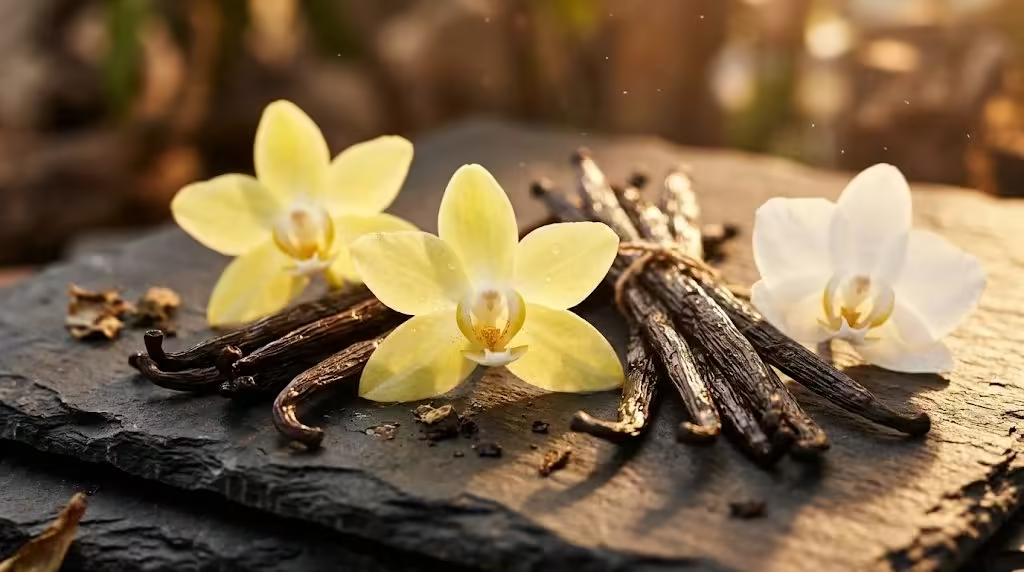
To truly appreciate the fragrance on your vanity, it helps to understand where this iconic note comes from. Vanilla originates from a specific type of climbing orchid native to Mesoamerica. Cultivating it is a notoriously difficult, labor-intensive process that requires delicate hand-pollination during a very brief, 24-hour blooming window.
Because natural vanilla absolute remains one of the most expensive agricultural products in the world, the fragrance industry underwent a massive revolution in the late 19th century. The successful synthesis of vanillin allowed legendary perfumers at houses like Guerlain to experiment with this creamy note on a much larger, more stable scale. If you want to explore the fascinating botanical origins further, the botanical history of the vanilla orchid is a testament to incredible agricultural dedication.
Understanding the Raw Materials: Not All Beans Are Equal
When you read a brand’s perfume pyramid, you will often just see the generic word “vanilla” listed in the base notes. However, the geographic origin, the specific plant species, and the extraction method drastically change how that note will actually smell on your skin. Knowing these subtle differences is your first step toward becoming an informed, confident consumer.
Vanilla Planifolia (Bourbon and Madagascar)
This is the absolute gold standard in the luxury perfume world. Grown primarily in Madagascar, Réunion (formerly Île Bourbon), and other Indian Ocean islands, Bourbon vanilla is rich, dark, leathery, and slightly woody. It provides the classic, dense, creamy scent most people immediately associate with high-quality vanilla.
In a perfume, Madagascar vanilla provides a velvety base that lasts for many hours on the skin. It pairs beautifully with heavy resins, warm amber, and heady, indolic florals like jasmine or tuberose, creating a deeply sensual aura.
Vanilla Tahitensis (Tahitian Vanilla)
Tahitian vanilla is a completely different olfactory experience from its Madagascar cousin. It contains less vanillin but significantly higher levels of a compound called heliotropin, giving it a much more floral, fruity, and slightly cherry-like aroma.
If you generally find traditional vanilla too heavy, syrupy, or cloying, a perfume featuring Tahitian vanilla might be your perfect match. It is lighter, much more tropical, and feels inherently sunnier, making it ideal for delicate skin chemistries.
Extraction Methods: Absolute vs. CO2 vs. Tincture
How the scent is extracted from the dried pod also dictates the final aroma. Traditional vanilla absolute is extracted using solvents, yielding a very dark, dense, and sweet material that sits heavily at the base of a perfume. It is stunning, but it can sometimes overpower lighter top notes.
Conversely, modern CO2 extraction (using supercritical carbon dioxide) captures the exact scent of the fresh pod, preserving its spicy, slightly green, and ethereal top notes. Perfumers use CO2 extracts when they want a vanilla perfume for women that feels airy, modern, and transparent rather than thick and edible.
Synthetics: The Unsung Heroes of a Vanilla Perfume for Women
Do not let the word “synthetic” scare you away from a beautiful fragrance. Almost all modern, commercial perfumes use a precise blend of natural absolutes and synthetic aroma-chemicals to achieve balance, longevity, and ethical sustainability. As verified by strict International Fragrance Association standards, these laboratory-created ingredients are safe, highly tested, and incredibly versatile.
Synthetic vanillin provides the clean, recognizable “vanilla” scent without the dark, leathery nuances of the natural pod. Ethyl vanillin is a distinct synthetic that is significantly stronger, sweeter, and more powdery than standard vanillin.
Perfumers deliberately use these synthetics to give a fragrance its powdery, ethereal, or “marshmallow” qualities that natural vanilla pods simply cannot provide on their own. The most sophisticated, expensive perfumes in the world rely on synthetics to lift and project natural vanilla off the skin.
How to Choose a Vanilla Perfume for Women by Season
One of the most persistent myths in the beauty industry is that vanilla can only be worn in the dead of winter alongside heavy wool coats. While heavy gourmands certainly shine in the cold, vanilla is surprisingly versatile and adaptable. You just need to know which structural pairings work best for the current climate and humidity levels.
If you are someone who likes to rotate your wardrobe, adjusting your perfume choices by season is a brilliant way to keep your signature note feeling fresh, appropriate, and never overwhelming.

Spring and Summer: Solar, Salty, and Green Vanilla
High heat and humidity intensify fragrance notes drastically. A dense, syrupy vanilla that smells cozy in December can quickly become suffocating and cloying in July. For the warmer months, you need to look for “solar” or aquatic vanillas.
Seek out vanilla perfumes for women that are sharply cut with bright, acidic notes like bergamot, yuzu, lemon, or grapefruit. Alternatively, look for “salty vanilla” compositions that cleverly incorporate marine notes, sea salt, or coconut water to create a beachy, skin-like aroma that mimics sun-warmed skin.
Autumn and Winter: Rich, Spiced, and Ambery Vanilla
When the temperature drops, your perfume requires significantly more molecular weight to project through the cold air and heavy layers of clothing. This is when you can confidently pull out your most decadent, syrupy, and robust vanilla fragrances.
Look for complex blends that incorporate dark woods, smoky incense, or boozy notes like rum, cognac, and bourbon. If you are specifically looking to build a cold-weather rotation, our dedicated guide to the best winter perfumes for women offers great insights into these heavier, comforting fragrance structures.
Matching a Vanilla Perfume for Women to Your Fragrance Family
Vanilla is the ultimate shape-shifter in perfumery. By understanding how it interacts with other prominent fragrance families, you can pinpoint exactly what kind of scent will perfectly align with your personal style and aesthetic. Understanding these categories is the secret to blind-buying with a much higher success rate.
The Sophisticated Gourmand
Gourmands are fragrances designed to smell almost edible, mimicking desserts and confections. A truly sophisticated gourmand vanilla will balance sweet notes of caramel, praline, or spun sugar with a touch of bitter espresso, roasted nuts, or earthy patchouli. This sharp contrast prevents the fragrance from smelling like literal candy or a teenager’s body spray.
The Creamy, White Floral Vanilla
This is perhaps the most classically feminine and romantic interpretation of the vanilla note. Vanilla is frequently paired with heady white florals—like jasmine, gardenia, or orange blossom—to round out their sharp, slightly animalic edges. The result is a creamy, narcotic, and highly elegant fragrance perfect for weddings or date nights.
The Dry, Woody Vanilla
For women who prefer a more unisex, tailored, or slightly darker edge to their scents, woody vanillas are the ultimate choice. When blended with dry cedar, creamy sandalwood, agarwood (oud), or rich tobacco, the vanilla acts as a subtle smoothing agent rather than the star of the show. If you lean toward these dry profiles, exploring a dedicated woody perfume for women can open up an entirely new world of sophisticated scent.
Concentration and Sillage: Making Your Scent Last
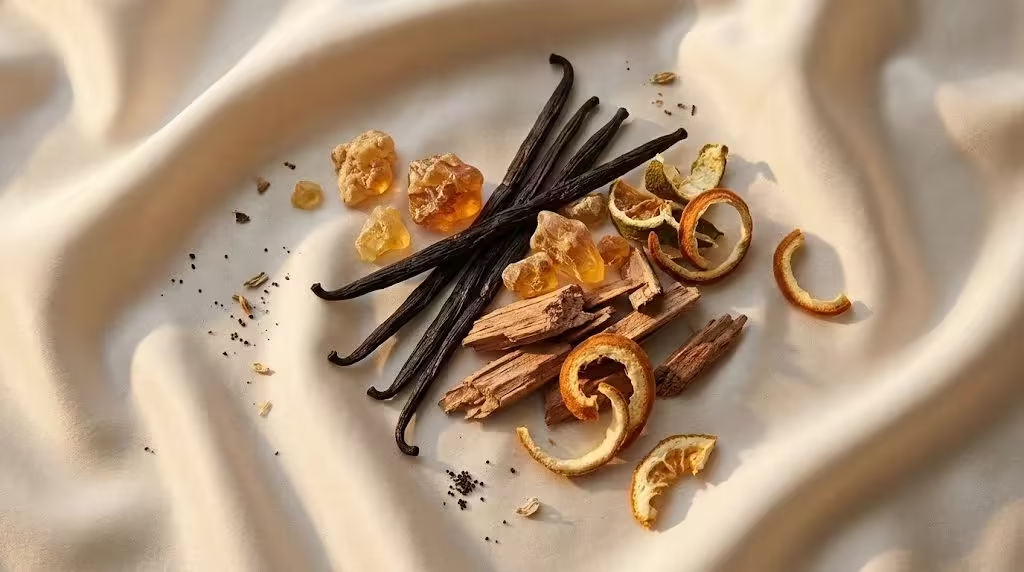
In the architecture of a perfume, vanilla is inherently a base note. Because its molecular structure is quite heavy and large, it naturally lasts longer on the skin, anchoring the lighter, more volatile top notes. However, the specific concentration of the perfume you choose still plays a massive role in its overall performance, projection, and sillage (the scent trail you leave behind).
If you are confused by the traditional French terminology printed on your bottles, reviewing the Eau de Parfum vs Eau de Toilette differences is highly recommended. Here is a quick breakdown of how concentration affects your vanilla fragrance’s behavior:
| Concentration Type | Fragrance Oil Percentage | Average Longevity | Best Use Case & Projection |
|---|---|---|---|
| Eau de Toilette (EDT) | 5% – 15% | 3 to 5 hours | Warm weather, office wear, subtle projection. Blooms quickly but fades gracefully. |
| Eau de Parfum (EDP) | 15% – 20% | 5 to 8 hours | Everyday signature scent, evening events, year-round wear. Leaves a noticeable trail. |
| Extrait / Pure Parfum | 20% – 40% | 8 to 12+ hours | Winter wear, special occasions. Sits closer to the skin but lasts until your next shower. |
Skin Chemistry: Why Vanilla Smells Different on Everyone
Have you ever smelled a beautiful, creamy vanilla perfume on a friend, only to eagerly buy it and discover it smells like children’s play-dough, burnt plastic, or flat cardboard on yourself? You can confidently blame your unique skin chemistry.
Everything from your natural skin pH, your daily diet, your hormone levels, and your skin’s hydration can drastically alter how a fragrance develops over time. Vanilla, in particular, is highly reactive to skin temperature and natural oils. The synthetic components in some vanillas can turn sour or “plastic-like” if they conflict with your acid mantle.
To get an accurate read on a scent, you must test it on your own skin for at least three to four hours. Never judge a vanilla perfume by how it smells on a paper blotter in the first five minutes; paper has no body heat to melt the base notes. Finding the right match takes patience, which is the core philosophy behind finding a true signature scent.
Olfactory Fatigue and Nose Blindness
Another crucial phenomenon to understand when testing vanilla is olfactory fatigue, commonly known as nose blindness. Because vanilla molecules are large and heavy, they constantly bombard your scent receptors. After an hour or two, your brain may completely tune the scent out to prevent sensory overload.
You might think your expensive perfume has completely vanished, leading you to overspray and suffocate everyone around you. In reality, the scent is still projecting strongly—you simply can no longer detect it. Always ask a friend if they can still smell your fragrance before you reapply a heavy vanilla.
How to Layer Your Vanilla Perfume for Women Like an Expert
One of the best ways to get immense value and year-round wear out of a single vanilla perfume for women is through the ancient art of fragrance layering. Because vanilla is so universally complementary, it acts as an excellent, stabilizing base canvas for almost any other scent profile.
If you want to delve deeper into the specific notes that complement vanilla, fragrance databases showcasing the vanilla note are fantastic resources for discovering classic, time-tested pairings used by master perfumers.
- To make it fresher and brighter: Layer your heavy vanilla base with a vibrant, zesty citrus perfume (like pure bergamot or neroli). The contrast between creamy warmth and sharp acidity is thoroughly modern and perfect for daytime wear.
- To make it sexier and darker: Add a spray of a dry musky, oud, or cedar-heavy fragrance directly over the vanilla. This deepens the vanilla, cuts the sweetness entirely, and adds an element of mysterious depth for evening wear.
- To make it softer and more romantic: Use an unscented body lotion mixed with a single drop of pure vanilla oil as your base. Then, spray a very light, sheer floral perfume (like rose water or peony) over it for a delicate, angelic aura.
Understanding which notes belong to which families makes this process foolproof. Brushing up on how to choose your perfume by fragrance notes will save you from creating accidental, muddy-smelling combinations.
Sustainable Sourcing: The True Cost of Natural Vanilla
As conscious consumers, it is important to address why true vanilla perfumes for women are often so expensive. The vanilla industry in Madagascar has historically been plagued by extreme price volatility, devastating cyclones, and unfair labor practices for the farmers who meticulously hand-pollinate every single orchid blossom.
When searching for a luxury fragrance, look for brands that explicitly state their commitment to ethically sourced, fair-trade vanilla. Many reputable niche and designer houses now partner directly with farming co-ops in Madagascar to ensure living wages and sustainable agricultural practices. Paying a higher price for a fragrance that uses ethically sourced natural vanilla absolute is an investment in both superior scent quality and human dignity.
Key Takeaways
- Look beyond the bakery: The best vanilla perfume for women balances inherent sweetness with unexpected grounding notes like dry woods, smoky incense, sharp citrus, or marine sea salt.
- Consider the origin: Bourbon and Madagascar vanillas are rich, dark, and leathery, while Tahitian vanilla is lighter, highly floral, and slightly fruity.
- Adapt to the seasons: Wear airy, citrus-laced or salty vanillas in the summer heat, and effortlessly transition to dense, ambery, and spicy vanillas during the cold winter months.
- Test on skin, always: Vanilla is highly reactive to unique skin chemistry, pH levels, and body heat; never judge a vanilla fragrance purely from a paper blotter in a department store.
- Embrace strategic layering: Vanilla is the ultimate layering note. You can easily modify a heavy, winter-appropriate vanilla for springtime daytime wear by layering it beneath a crisp, fresh floral scent.
Explore More at Golden Hour
Finding your signature scent is a deeply personal, intimate journey, and it inherently takes time and patience to discover what truly resonates with your unique chemistry and style. We hope this comprehensive guide has given you the knowledge and confidence to explore vanilla fragrances without the lingering fear of smelling like a walking cupcake.
If you are currently building out your carefully curated fragrance wardrobe and want to learn more about how scents interact with your daily life, skin chemistry, and aesthetic, be sure to explore our other honest guides. From understanding complex seasonal shifts to decoding confusing ingredient lists, Golden Hour is here to help you navigate the often-overwhelming beauty world with absolute clarity, joy, and confidence.
Frequently Asked Questions
Why does my vanilla perfume smell like plastic or play-dough on my skin?
This frustrating issue is usually due to a high concentration of synthetic vanillin or coumarin reacting poorly with your unique skin pH. It can also happen if a new bottle has not properly macerated (aged) after manufacturing. Give the bottle a few weeks to settle in a cool, dark place, and always ensure you are testing it on well-moisturized skin.
Can you realistically wear vanilla fragrance in the high summer heat?
Absolutely. The trick is to strictly avoid heavy, syrupy, winter gourmands. Instead, look for transparent, solar vanillas that incorporate marine notes, sea salt, coconut water, or bright, sharp citrus. These lighter elements cut through the summer humidity and allow the creamy aspects of the vanilla to shine without suffocating you or those around you.
What is the precise difference between Bourbon and Tahitian vanilla?
Bourbon vanilla (cultivated in Madagascar) represents the classic profile—it is dark, rich, leathery, woody, and deeply creamy. Tahitian vanilla (Vanilla tahitensis), on the other hand, contains different aromatic compounds that make it smell much lighter, highly floral, and almost fruity, closely resembling delicate notes of cherry or almond.
How can I make my vanilla perfume last longer on my dry skin?
Fragrance molecules evaporate much faster on dry, dehydrated skin. Always apply an unscented body lotion, a rich body butter, or a matching body oil before spraying your perfume. Focus your sprays strategically on pulse points like the wrists, inner elbows, and the nape of the neck, where body heat helps diffuse the heavy scent slowly throughout the day.
Are vanilla perfumes strictly considered feminine in the fragrance world?
Not at all. Vanilla has a long, prestigious history in masculine and unisex perfumery, dating back to historic, groundbreaking scents like Guerlain’s Jicky. Today, many incredibly popular men’s and unisex niche fragrances use heavy, unapologetic vanilla doses mixed with sharp tobacco, worn leather, and warm spices to create deep, commanding, and highly attractive profiles.
Why do some of my older vanilla perfumes turn dark brown over time?
This is a completely normal chemical process and is actually a reliable sign of high-quality, natural ingredients. Natural vanilla absolute contains organic compounds that naturally darken and deepen as they oxidize and age in the bottle. As long as the perfume has been properly stored away from direct sunlight and extreme heat, the scent itself will usually become richer, smoother, and better over time.
Does natural vanilla absolute always smell better than synthetic vanillin?
They smell distinctly different, but one is not objectively better than the other in modern perfumery. Natural vanilla absolute is incredibly rich, dark, and complex, but it can be very heavy and muddy. Synthetics like ethyl vanillin provide necessary structural lift, massive projection, and ethereal powdery textures. The best, most sophisticated perfumes almost always utilize a careful, deliberate blend of both natural and synthetic components.
Can vanilla perfume cause headaches or olfactory fatigue?
Yes, heavy vanilla fragrances can trigger headaches in sensitive individuals, largely due to their density and the massive size of the scent molecules. They can also cause olfactory fatigue (nose blindness), where your brain stops registering the scent after a few hours to prevent sensory overload. To avoid this, apply with a lighter hand and avoid spraying directly on your chest or neck right under your nose.