How to Choose a Rose Perfume for Women for Year-Round Wear
Finding the right rose perfume for women can often feel like navigating a minefield of outdated, overly powdery, or synthetic scents. For many of us, the mere mention of a rose fragrance brings back memories of heavy, cloying potpourri rather than the fresh, dewy petals we actually want to smell like. But modern perfumery has completely revolutionized how this classic floral note is used.
Quick answer: To choose a rose perfume that feels modern and lasts year-round, look for blends where the rose is balanced by grounding notes like bergamot, pink pepper, or warm woods. Pay close attention to the specific type of rose used—such as fresh Centifolia or rich Damascena—and match the fragrance concentration to your local climate for the best performance.
Welcome to the ultimate guide from Golden Hour, where we strip away the marketing hype to help you find your true signature scent. Whether you live in a humid tropical climate or a crisp, cold region, this comprehensive guide will teach you exactly how to evaluate, test, and choose a rose fragrance that you will confidently reach for every single day.
Why Finding the Perfect Rose Perfume for Women Is So Challenging
Rose is arguably the most famous ingredient in the history of perfumery. Yet, it is also the most misunderstood. The reason so many people claim to “hate” rose perfumes is because they have only been exposed to poorly formulated, highly synthetic versions.
When searching for a rose perfume for women, you are essentially looking for a chameleon. A rose can smell jammy and sweet, green and stemmy, dark and gothic, or bright and soapy. Understanding this spectrum is the first step to finding a bottle you actually love.
The “Old Fashioned” Myth
The “grandma” stereotype associated with rose comes from the mid-20th century, when heavy aldehydes and powdery violet notes were aggressively blended with rose oils. These formulations were incredibly dense and opaque. Today, niche and designer perfumers approach rose with a much lighter touch.
Modern extraction methods, such as CO2 extraction, allow perfumers to capture the exact scent of a living rose still attached to its stem. This means today’s rose fragrances can smell as crisp as a cold morning in a garden, far removed from the dusty vanities of the past.
Synthetic vs. Natural Rose Notes
You might be surprised to learn that a perfume does not necessarily need real rose oil to smell like a beautiful rose. In fact, relying entirely on natural rose absolute can sometimes result in a scent that feels dense and muddy on the skin. Master perfumers often blend natural rose absolutes with high-quality synthetics like geraniol and citronellol to give the fragrance “lift” and sparkle.
Do not be afraid of synthetic notes in your perfume. They are precisely what allow a rose fragrance to project across a room and last for eight hours without turning sour. If you want to dive deeper into how these elements work together, check out our guide on understanding fragrance notes.
Understanding the Different Types of Rose in Perfumery
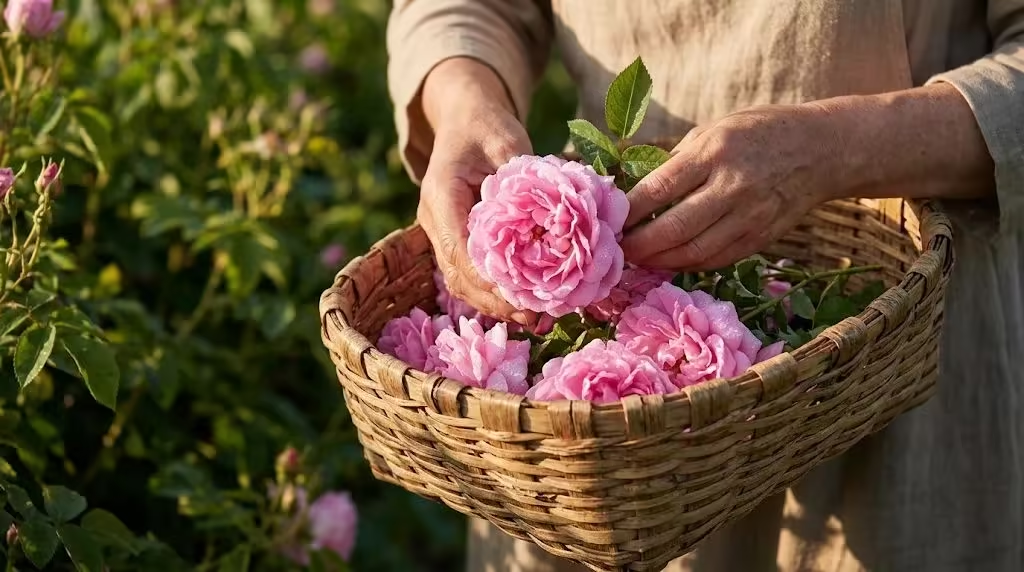
Not all roses are created equal. If you want to make an informed purchase, you need to understand the raw materials listed in a fragrance’s breakdown. There are two primary species of rose used in high-end perfumery, and they smell wildly different from one another.
Damask Rose (Rosa Damascena)
The Damask rose, famously cultivated in Bulgaria and Turkey, is the powerhouse of the perfume world. According to botanical and fragrance archives like Wikipedia’s Rosa damascena, it takes thousands of pounds of these petals to produce a single ounce of essential oil.
Scent-wise, the Damask rose is incredibly rich, slightly spicy, and deeply floral. It often has a hidden fruitiness that can smell like plum or raspberry. If you want a rose perfume for women that feels luxurious, seductive, and warm, look for Damascena or Turkish rose in the ingredient list.
Centifolia Rose (Rosa Centifolia / May Rose)
Grown primarily in Grasse, France, the Centifolia rose (also known as the May rose or cabbage rose) is the lighter, more delicate sibling. It is harvested strictly in May, making it highly exclusive and expensive.
The May rose smells clean, honeyed, dewy, and slightly green. It lacks the spicy punch of the Damask rose, making it perfect for daytime, office-friendly wear, and spring/summer fragrances. It brings an airy, watery quality to a perfume that feels effortless and elegant.
Geranium & Peony (The “Rose” Illusionists)
Sometimes, what you think you love in a rose perfume isn’t actually rose at all. Many perfumers use geranium, which shares the exact same aromatic compounds (like geraniol) as rose, but introduces a sharp, minty, green edge. Similarly, peony is frequently used to recreate the scent of a young, freshly bloomed pink rose.
If you find traditional rose too heavy, look for fragrances that list peony or geranium alongside rose water. They provide the romantic floral feeling without the dense weight.
How to Choose a Rose Perfume for Women by Fragrance Family
A pure, single-note rose perfume (a soliflore) is incredibly rare. Most of the time, the rose is nestled within a broader fragrance family. Knowing which family you naturally gravitate towards will instantly narrow down your shopping list.
Fresh and Citrusy Roses (Best for Spring/Summer)
If you live in a hot climate or want a scent that feels like stepping out of a luxurious shower, you need a fresh rose. These blends pair rose petals with bright, acidic top notes like bergamot, lemon, grapefruit, and mandarin. The citrus cuts right through the floral sweetness, creating a crisp, highly wearable scent.
Fresh roses are generally crowd-pleasing and non-offensive. They are the ideal office perfumes for women because they project a clean, organized aura without invading your coworkers’ personal space.
Fruity and Jammy Roses (Best for Autumn/Year-Round Playful)
A “jammy” rose is one of the most popular modern fragrance profiles. These perfumes smell almost edible, like a dark berry preserve or a luxurious Turkish delight. Perfumers achieve this by blending rose with notes of lychee, raspberry, blackcurrant, or plum.
These scents are flirtatious, energetic, and slightly sweeter than a traditional floral. The tartness of the fruit prevents the rose from feeling too mature. If you want a signature scent that feels youthful but sophisticated, a fruity rose is an excellent starting point.
Dark, Woody, and Oud Roses (Best for Winter/Evening)
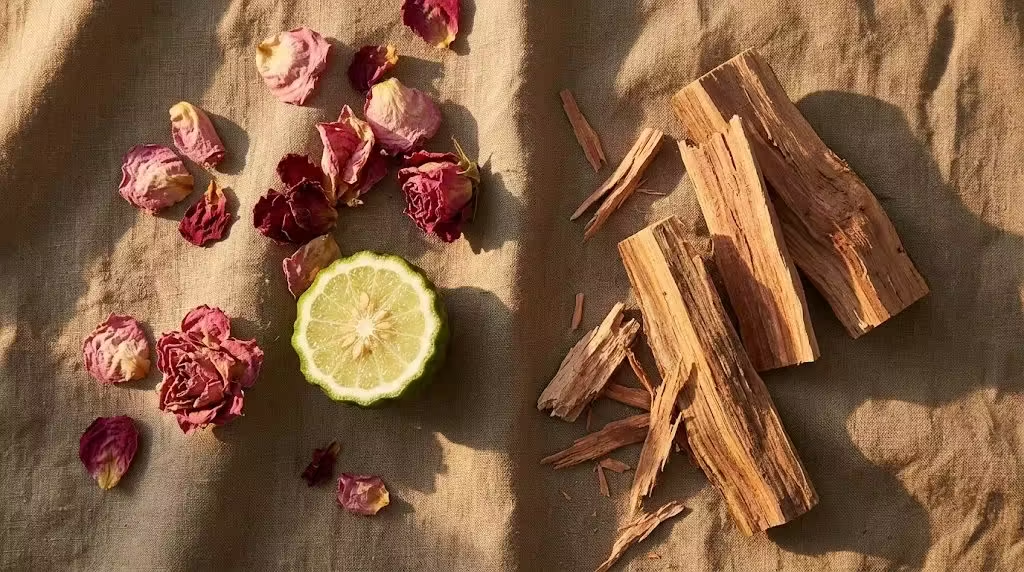
This is where rose gets serious. The combination of rose and oud (agarwood) is a traditional Middle Eastern pairing that has completely conquered Western perfumery over the last decade. It is a match made in heaven: the rich, sensual sweetness of the rose perfectly balances the medicinal, smoky, and leathery darkness of the wood.
If oud feels too intense for you, look for roses blended with sandalwood, cedar, or patchouli. A rose-patchouli blend (often called a “chypre” rose) is incredibly chic, sharp, and confident. These heavier blends are perfect for evening wear and make some of the best romantic perfumes on the market.
Gourmand and Vanilla Roses
If you love sweet perfumes, you don’t have to give up rose. Gourmand roses pair the floral note with heavy doses of vanilla, praline, caramel, or tonka bean. The result is a creamy, dessert-like fragrance that wraps around you like a warm cashmere sweater.
These are fantastic for cold weather, but be careful with them in the summer heat, as the sugary notes can quickly become cloying on sweaty skin.
Quick Comparison: Rose Scent Pairings
To make shopping easier, use this quick reference table to see how rose transforms when paired with other prominent notes:
| Fragrance Profile | Key Pairing Notes | Vibe & Best Season |
|---|---|---|
| Fresh & Aquatic | Bergamot, Cucumber, White Musk | Clean, airy, effortless (Spring/Summer) |
| Fruity & Jammy | Lychee, Raspberry, Blackcurrant | Playful, vibrant, sweet (Year-Round) |
| Woody & Spicy | Oud, Patchouli, Saffron, Pink Pepper | Dark, mysterious, confident (Autumn/Winter) |
| Gourmand | Vanilla, Caramel, Tonka Bean | Cozy, edible, warm (Winter) |
The Honest Guide to Rose Perfume Longevity and Projection
One of the biggest complaints consumers have is spending hundreds of dollars on a fragrance, only for it to disappear within two hours. Floral notes, by their very chemical nature, are volatile. They evaporate much faster than base notes like amber or musk.
If you want a rose perfume for women that actually lasts, you have to look beyond the marketing claims and understand the mechanics of perfume concentration and skin chemistry.
Eau de Toilette vs. Eau de Parfum
The concentration of perfume oil in the bottle dictates a large part of its behavior. An Eau de Toilette (EDT) usually contains 8-15% perfume oil. EDTs project loudly for the first hour but tend to fade quickly. They are excellent for fresh, citrusy rose scents meant for summer.
An Eau de Parfum (EDP) contains 15-20% oil. EDPs sit a bit closer to the skin but have a much longer lifespan. If longevity is your primary concern, always opt for an EDP or an Extrait de Parfum. For a deeper dive into this, read our complete guide on perfume concentration explained.
How Skin Chemistry Alters Rose Scents
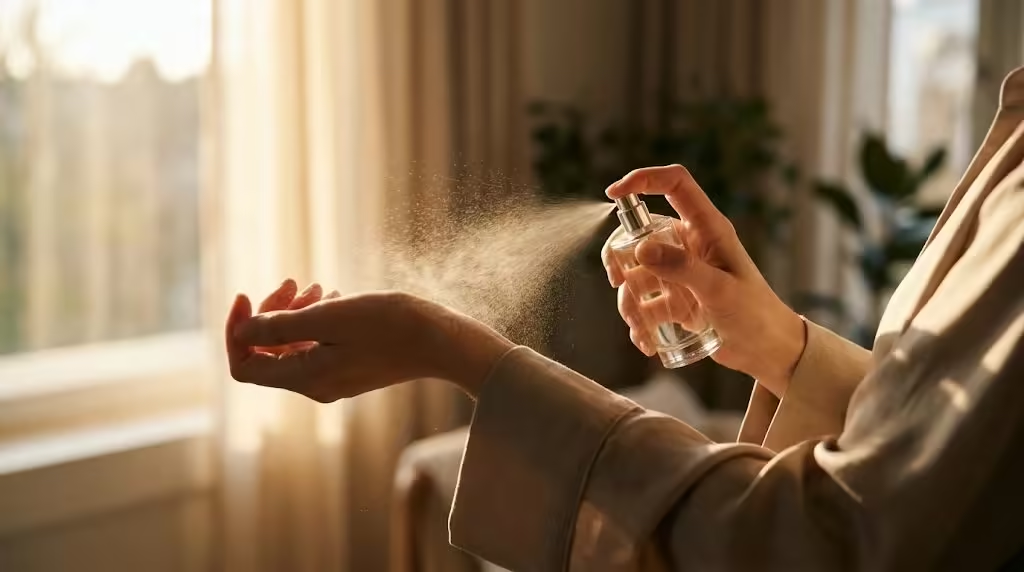
Never buy a rose perfume based solely on a paper tester strip. Paper is inert; your skin is a living, breathing, heat-producing canvas. Skin pH, diet, and natural oils drastically alter how a fragrance develops.
Rose is highly susceptible to turning “sour” or metallic on certain skin types. To avoid this, you must test the perfume on your wrist or neck and wait at least two hours. The crisp, beautiful top notes you smell in the first five minutes will evaporate, leaving you with the “dry down.” The dry down is the true scent of the perfume, and it is what you will be smelling for the rest of the day.
If your skin naturally “eats” fragrance, consider layering. Apply an unscented body lotion or a matching rose body cream before spraying your perfume. Hydrated skin holds onto fragrance molecules much longer than dry skin. We share more advanced techniques in our guide to long-lasting women’s perfumes.
Matching a Rose Fragrance to Your Lifestyle and Age
Perfume has no real gender or age limits—you should wear what makes you feel fantastic. However, different styles of rose communicate different moods and fit different environments.
Office and Professional Settings
In a professional environment, your perfume should be an accessory, not an announcement. Avoid heavy oud-roses or sugary gourmand roses in the boardroom. Instead, opt for a crisp, green rose blended with white musk or tea notes. These give off an aura of cleanliness, competence, and approachability. A soft sillage (the scent trail you leave behind) is key here.
Date Nights and Special Occasions
This is where you can unleash the heavy hitters. For date nights, look for a rose perfume anchored by sensual base notes. A velvety Damask rose paired with vanilla, sandalwood, or a touch of leather creates an intoxicating, memorable impression. You want a fragrance that invites people to lean in closer, offering warmth and depth as the evening progresses.
For more insights on how different floral notes interact with human psychology, resources like Fragrantica’s ingredient database offer excellent deep-dives into community-rated scent associations.
Key Takeaways
- Ignore the stereotypes: Modern rose perfumes are not the powdery, dated scents of the past. They are dynamic, vibrant, and incredibly versatile.
- Know your roses: Damask rose (Damascena) offers rich, spicy, and dark profiles, while May rose (Centifolia) provides light, airy, and fresh profiles.
- Look at the supporting cast: A rose perfume’s vibe is dictated by its pairings. Citrus makes it fresh, berries make it jammy, and woods/oud make it dark and sensual.
- Always test on skin: Rose molecules are volatile and highly reactive to individual body chemistry and skin pH. Never buy based on a paper strip.
- Hydration is key: To make your floral fragrances last longer, always apply them to well-moisturized skin.
Explore More at Golden Hour
Finding the perfect rose perfume for women is just the beginning of your fragrance journey. Once you understand what notes work for your skin and lifestyle, a whole world of olfactive beauty opens up to you.
We invite you to explore more of our honest, hype-free guides here at Golden Hour. Whether you are looking to decode complicated skincare ingredient lists, find a foundation that actually matches your undertone, or discover the perfect woody autumn scent to contrast your new rose perfume, we are here to help you navigate the beauty world with confidence.
Frequently Asked Questions
Can a rose perfume be worn in the summer without being cloying?
Yes, you can easily wear rose in the summer if you choose the right formulation. Look for an Eau de Toilette that blends rose with fresh, aquatic, or bright citrus notes like lemon, bergamot, or cucumber. Avoid heavy gourmand or oud-based roses in high heat, as humidity will amplify their sweetness and make them overwhelming.
Why does rose perfume sometimes smell sour on my skin?
Rose perfumes can turn sour or metallic due to your unique skin chemistry, natural pH levels, and skin hydration. The synthetic fixatives used to extend the life of the rose note can also react poorly with sweat. Always test a fragrance on your skin and let it sit for two hours to ensure the dry down remains pleasant on your body.
What is a “jammy” rose fragrance?
A “jammy” rose refers to a fragrance where the floral note is blended with tart, sweet fruits like lychee, blackcurrant, or plum. This combination creates a rich, syrupy, and edible scent profile that smells similar to a luxurious berry preserve or Turkish delight, rather than a fresh garden flower.
What is the difference between Bulgarian and Turkish rose?
Both are varieties of the Rosa Damascena (Damask rose), but their growing conditions alter their scent profile slightly. Bulgarian rose tends to be incredibly rich, slightly green, and deeply floral, while Turkish rose often has a warmer, sweeter, and more softly spicy undertone. Both are considered the gold standard for high-end perfumery.
How do I make my rose fragrance last longer?
To extend the longevity of a floral fragrance, apply it immediately after showering to well-moisturized skin. Use an unscented body cream or a matching rose lotion to create a hydrated base for the perfume oils to cling to. Additionally, choosing an Eau de Parfum over an Eau de Toilette will naturally provide a longer-lasting scent trail.
Is rose and oud a good combination for everyday wear?
Rose and oud is a magnificent, deeply sensual combination, but it is generally too heavy and powerful for casual, everyday daytime wear, especially in office environments. This combination shines best in the evening, during colder months, or for formal events where a strong, confident scent trail is appropriate.
Does a perfume have to contain real rose absolute to be good?
No, a perfume does not need real rose oil to be excellent. Many modern masterpieces use high-quality synthetics, or a blend of synthetics and natural absolutes, to create a rose scent that is more stable, longer-lasting, and often fresher than a purely natural extract, which can sometimes smell dense or muddy on the skin.