Perfume Recommendations by Age: Finding Your Signature Scent in Your 20s, 30s, and Beyond
Finding accurate perfume recommendations by age can feel overwhelming when beauty counters are constantly pushing endless new releases, viral trends, and exaggerated marketing claims. You might be standing at a department store wondering if you have outgrown your favorite sweet vanilla body mist, or if that heavy, woody niche scent you sampled makes you smell artificially older than your actual years.
Quick answer: While there are absolutely no rigid rules in fragrance, perfume recommendations by age generally follow your evolving lifestyle and changing skin chemistry. Your 20s are about energetic exploration (gourmands, fresh citruses); your 30s shift toward versatile, sophisticated signature scents for the workplace (chypres, balanced florals); and your 40s and beyond favor rich, complex, unapologetic profiles (deep woods, resins, pure parfums). You simply match the fragrance to your current reality.
The honest truth is that our relationship with fragrance changes fundamentally as we grow. It is not just about changing aesthetic tastes; it is a complex, fascinating mix of shifting personal confidence, evolving daily routines, shifting career dynamics, and actual biological changes in the surface of our skin. Navigating this evolution requires blocking out the aggressive marketing noise and understanding what truly works for your body right now.
To build a solid foundation for understanding these shifts and how to evaluate scents, I highly recommend starting with our comprehensive Perfume Discovery A Complete Guide to Finding Your Signature Scent. It will give you the baseline knowledge needed to fully utilize the decade-by-decade advice outlined below.
Why Do Perfume Recommendations by Age Actually Matter?
The concept of categorizing fragrance by decade is not about arbitrary gatekeeping or telling you what you are “allowed” to wear. Instead, looking at perfume recommendations by age is about acknowledging that a 22-year-old navigating their first post-college job, late-night socializing, and self-discovery has a completely different olfactory requirement than a 45-year-old executive or parent who has firmly established their identity.
Scent is an invisible accessory, and its psychological role shifts depending on the stage of life you are currently navigating. In our younger years, we often use fragrance to fit in, to capture attention, or to project a desired persona. We are heavily influenced by social media, peer circles, and what is currently deemed “attractive” by pop culture. We might prioritize massive projection—the kind of scent that fills a room—and easily recognizable designer DNA that signals we are part of the current cultural moment.
As we mature, fragrance often becomes much more introverted and personal. We begin to wear it primarily for our own pleasure. We seek out comfort, nostalgia, intellectual stimulation, and quiet luxury. We no longer want a perfume that walks into the room before we do; we want a scent that draws people in closer when they speak to us.
Furthermore, biological factors play a massive, often ignored role in this progression. Our skin is a living organ. Its lipid barrier, hydration levels, and sebum production change over time. Since perfume oils literally cling to lipids (fats) on your skin, a fragrance that lasted a full twelve hours on your skin at age 25 might mysteriously fade in just four hours at age 45. Understanding this biology helps you make smarter purchasing decisions and saves you from buying full bottles of perfume that simply won’t perform on your skin anymore.
Navigating Your 20s: Exploration, Energy, and Expression
Your 20s are the ultimate era of fragrance exploration. This is the decade where you are likely attending more social events, figuring out your career path, dating actively, and trying on different versions of yourself. Therefore, your scent wardrobe needs to be highly versatile, energetic, and adaptable to constantly changing scenarios.
In this phase, it is incredibly common—and highly encouraged—to have a larger collection of more affordable scents rather than committing to one extremely expensive signature fragrance. The focus here is on discovery. You are learning the crucial differences between an Eau de Toilette and an Eau de Parfum, testing how different notes react to your sweat when dancing, and figuring out which fragrance families make you feel the most confident when walking into an entry-level job interview.
However, the biggest pitfall in your 20s is getting caught up in viral, fleeting trends that result in massive buyer’s remorse. Rather than blind-buying whatever is trending on TikTok this week, focus on understanding the underlying notes of what you naturally gravitate towards.
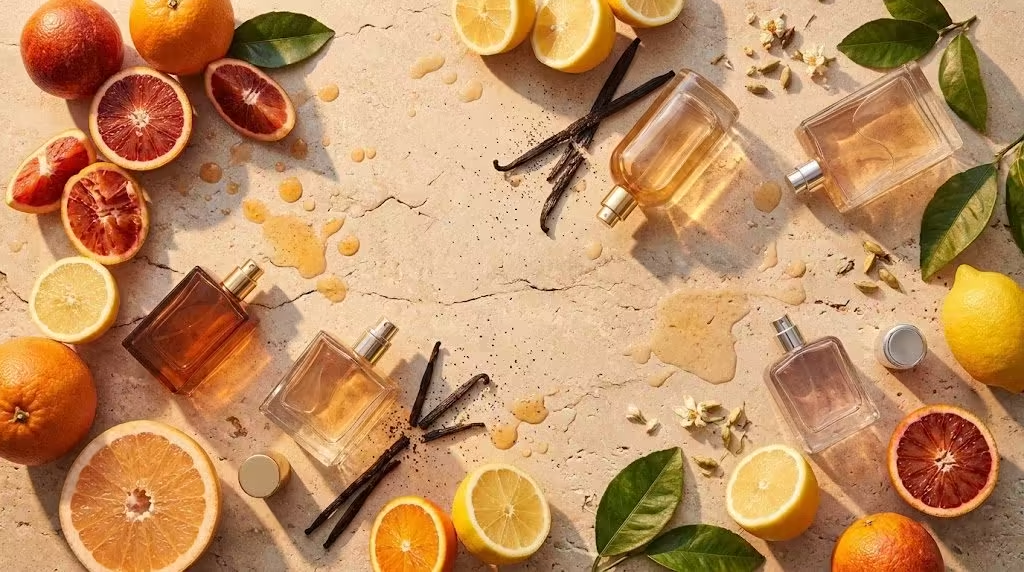
The Vibe: Bold, Trendy, and Constantly Evolving
The overarching goal in your 20s is often approachability paired with vibrant energy. Fragrances in this category tend to have sparkling, vibrant top notes that immediately grab attention right out of the bottle. They are formulated to project well in noisy, crowded social settings and leave a memorable, often playful, impression on those you meet.
For a deeper dive into scents that capture this specific youthful energy beautifully without feeling cheap or generic, explore our guide on the Best Perfumes for Young Women: How to Find Your True Signature Scent in 2026. We break down the exact notes that feel contemporary and chic.
Recommended Fragrance Families for Your 20s
- Gourmands: Featuring edible notes of vanilla, caramel, marshmallow, coffee, and almond. These are inherently comforting, playful, and almost universally appealing in social, casual, and dating scenarios. They trigger positive psychological responses related to sweetness and warmth.
- Fresh Citrus and Aquatics: Perfect for daytime wear, college campuses, the gym, or casual office environments. They instantly communicate cleanliness, high energy, and approachability. Think lemon, bergamot, and sea salt.
- Fruity Florals: A very modern twist on traditional, heavier florals. Blending bright, juicy fruits (like pear, raspberry, lychee, or blackcurrant) with soft petals (like peony or freesia) creates a youthful, effervescent, and highly wearable profile.
Key Notes to Look For and Explore
When you are reading perfume descriptions online or at the counter, keep an eye out for bergamot, pink pepper, orange blossom, and tonka bean. These specific notes provide a beautiful, modern balance of fresh, slightly spicy, and sweet elements that adapt incredibly well to the chaotic, multi-faceted lifestyle of your 20s. Pink pepper, for example, adds a bubbly, champagne-like sparkle to otherwise standard floral perfumes.
Stepping into Your 30s: Confidence, Career, and Sophistication
Entering your 30s usually brings a strong psychological desire to declutter, elevate, and refine your life. The chaotic, budget-friendly exploration of the previous decade often gives way to a deliberate search for quality over quantity. You generally know who you are, you know what you like, and your fragrance choices begin to reflect this grounded, hard-earned confidence.
Professionally, this is often a decade of rapid career acceleration. You may be managing teams, taking major client meetings, or establishing your own business. You need fragrances that command quiet respect without overwhelming a boardroom or an elevator. The excessively sugary gourmands or loud, clubbing fragrances of your 20s might suddenly feel out of place, immature, or distracting in your daily routine.
This is the true era of the “signature scent.” Many people in their 30s transition to having just one or two high-quality, perfectly blended perfumes that they wear consistently. The goal is to create an olfactory memory for the people in their lives—a scent that their children, partners, and colleagues instantly associate with their presence.

The Vibe: Refined, Signature-Oriented, and Highly Professional
Scent in your 30s is all about polish and intentionality. You are looking for masterfully blended compositions where the notes transition smoothly and seamlessly from the bright opening to the lingering dry down. Longevity becomes significantly more important than massive projection; you want a scent that creates an intimate, personal bubble of elegance rather than filling a hallway and triggering allergies.
If you are trying to navigate the delicate, often unspoken balance of workplace fragrance etiquette, our Office Beauty The Ultimate Guide to Workplace Skincare, Makeup, and Fragrance offers crucial advice on selecting the right concentrations and notes for close professional quarters.
Recommended Fragrance Families for Your 30s
- Modern Chypres: Grounded in a structure of oakmoss, patchouli, and bergamot, these fragrances scream quiet luxury, intelligence, and professional competence. They are sharp, clean, commanding, and incredibly chic.
- Woody Florals: The absolute perfect balance of soft and strong. Combining delicate rose or radiant jasmine with sturdy cedarwood or creamy sandalwood creates a scent that is both elegant and substantial, bridging the gap between femininity and authority.
- Spicy Oriental (Ambers): For evening wear and formal events, moving away from sugary sweetness to refined ambers, cardamom, nutmeg, and soft, supple leathers provides a sophisticated, mature allure that is captivating without being desperate for attention.
Key Notes to Look For and Explore
Prioritize high-quality ingredients like iris (which smells powdery, starchy, and phenomenally expensive), vetiver (earthy, grassy, and razor-clean), sandalwood (creamy, smooth, and grounding), and cardamom (warm, aromatic, and spicy). These elements communicate stability, refinement, and excellent, understated taste.
Thriving in Your 40s and Beyond: Elegance, Depth, and Unapologetic Taste
By the time you reach your 40s and move into your 50s and beyond, fragrance becomes almost entirely about personal pleasure and self-indulgence. The exhausting need to please others, adhere to office trends, or smell “approachable” is largely gone. You wear what makes you feel powerful, beautiful, and profoundly authentic. This decade welcomes the return of complex, challenging, and deeply rich scent profiles that require patience to understand.
Financially, you might also have the disposable income to explore the world of high-end niche houses, independent artisanal perfumers, and higher fragrance concentrations, such as pure parfums or extraits. These luxurious formulations wear closer to the skin but offer an incredibly dense, multi-layered, and long-lasting experience that standard department store sprays simply cannot match.
Interestingly, many people in this age bracket confidently revisit the classics—historic fragrances with rich lineages and complex, demanding formulations that require a mature palate to appreciate. To truly understand the science and artistry behind how these complex scents are historically constructed, understanding fragrance notes and the olfactory pyramid is absolutely essential.
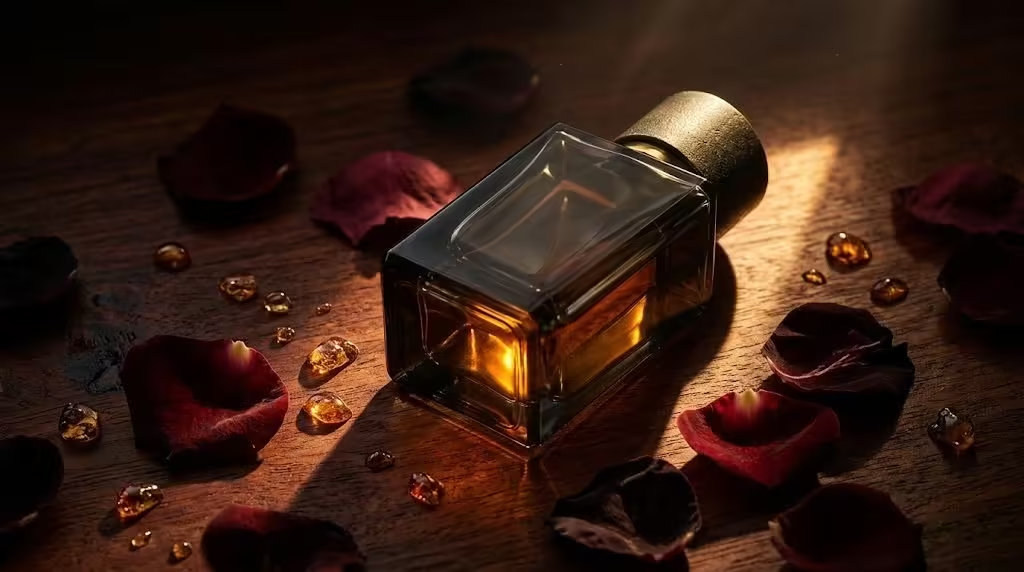
The Vibe: Unapologetic, Complex, and Timeless
The keyword here is uncompromising. If you want to wear a heavy, smoky oud on a Tuesday morning to the grocery store, you do it. The fragrances suited for this era often have a slow, beautiful, dramatic evolution on the skin, requiring hours to fully reveal their spectacular base notes.
You also tend to appreciate the true artistry behind the bottle. The focus shifts away from celebrity endorsements to the actual nose (perfumer), the ethical sourcing of the raw ingredients, and the authentic story of the fragrance house.
Recommended Fragrance Families for Your 40s
- Rich Woods and Resins: Deep, meditative, and soulful scents featuring oud, frankincense, myrrh, and rich cedar. They are grounded, slightly spiritual, and deeply, undeniably luxurious.
- Intoxicating White Florals: Tuberose, gardenia, and heavy, indolic jasmine. When blended with skill, these are opulent, narcotic, incredibly confident, and command the space they occupy.
- Leather and Tobacco: Moving entirely beyond simple dessert-like sweetness, these notes offer a dry, smoky, textural elegance that feels both incredibly vintage and thoroughly modern at the same time.
Key Notes to Look For and Explore
Seek out incredibly complex base notes like ambergris (or high-quality synthetic ambroxan), labdanum (a sticky, amber-like resin), genuine oud, and rich, complex musks. These ingredients require a sophisticated olfactory palate to appreciate and provide the lasting, haunting depth characteristic of true luxury perfumery.
Perfume Recommendations by Age: The Role of Fragrance Families
Understanding perfume recommendations by age is impossible without a firm grasp of fragrance families. The traditional scent wheel is your ultimate roadmap for transitioning your collection over time. You don’t have to abandon the families you love as you age; you simply look for more mature interpretations of them.
For example, if you loved bright, sugary citrus body mists in your 20s, your 30s version might be a sophisticated, bitter neroli and bergamot Eau de Parfum. If you adored cupcake-scented gourmands in college, your 40s version might be a dark, boozy vanilla extract blended with smoky woods and rum. The core family remains, but the execution matures.
To master this concept and find exactly which category you belong in, study our Fragrance Families Guide: How to Understand Scent Wheel Categories and Find Your Signature Perfume. It will teach you how to translate your youthful favorites into sophisticated adult staples.
Adapting Perfume Recommendations by Age to Your Skin Chemistry
One of the most vital, yet rarely discussed, aspects of perfume recommendations by age is understanding the physiological and biological changes happening in your skin. It is not in your head, and you are not going crazy—your favorite signature perfume from ten years ago genuinely might smell completely different on you today.
As we age, our skin’s protective lipid barrier naturally weakens, and our natural sebum (oil) production significantly decreases. Because fragrance molecules need to bind to the natural oils on your skin to project and last, drier skin causes perfumes to evaporate much faster. A bright, floral scent that used to linger all day may now completely disappear by your lunch break.
According to dermatological research on aging skin, structural changes in the epidermis alter how substances interact with our barrier. Furthermore, hormonal changes, particularly as women move through their 30s, 40s, and into menopause, subtly alter the skin’s natural pH and basal body temperature. This can cause certain notes—often sweet, aquatic, or delicate floral notes—to suddenly amplify, turn overly sharp, or smell slightly sour on the skin.
To truly master how to combat these changes and ensure you always smell incredible, read our deep dive in The Honest Guide to Fragrance Science: How Perfume Actually Works on Your Skin.
Comparison: Navigating Perfume Profiles by Decade
To help you clearly visualize these shifts and make better shopping decisions, here is a breakdown of how fragrance preferences and technical requirements naturally evolve over time. Remember, these are helpful guidelines, not unbreakable laws.
| Life Stage | Primary Scent Vibe | Best Fragrance Families | Ideal Concentration |
|---|---|---|---|
| The 20s | Energetic, bold, trend-conscious, playful | Gourmands, Fruity Florals, Aquatics | Eau de Toilette (EDT) or Body Mists |
| The 30s | Refined, versatile, professional, polished | Chypres, Woody Florals, Spicy Ambers | Eau de Parfum (EDP) |
| The 40s+ | Complex, timeless, unapologetic, deep | Rich Woods, Resins, White Florals, Leather | Extrait de Parfum / Pure Parfum |
How to Test and Transition Your Scent Wardrobe Over Time
Transitioning your scent wardrobe should never happen overnight in a panic at a department store. It is a slow, highly enjoyable process of discovery. Start by ruthlessly evaluating what currently sits on your vanity. Are there bottles you haven’t touched in over a year because they suddenly feel “too young,” “too loud,” or inappropriate for your current lifestyle?
Begin sampling extensively before you buy full bottles. Purchase 2ml decants or sample sets of fragrance families you haven’t explored yet. If you have always worn overwhelmingly sweet fruity florals, challenge yourself to try a soft, dry woody scent for a full week to see how it makes you feel and how it reacts to your changing skin chemistry.

Additionally, you must adjust your physical application technique. If your skin is becoming visibly drier with age, you must prep the skin properly to hold the scent molecules. Using an unscented, ceramide-rich body lotion before spraying is absolutely crucial. For more technical, step-by-step advice on making your expensive fragrances stick to your skin all day, check out our highly detailed guide on Perfume Concentration Explained: The Honest Guide to EDP, EDT, Extrait, and Longevity.
Key Takeaways
- Perfume recommendations by age are primarily about matching your fragrance profile to your current lifestyle, professional environment, and evolving inner confidence.
- Your 20s are designed for vast exploration, utilizing vibrant, energetic notes like fresh citruses and playful gourmands to discover your actual tastes without breaking the bank.
- Your 30s mark the important transition to a true signature scent, favoring balanced, sophisticated, and polished profiles like modern chypres and woody florals that excel in professional and formal settings.
- In your 40s and beyond, you should prioritize pure personal pleasure with complex, uncompromising scents featuring deep woods, rich resins, and pure parfum concentrations that require a mature palate.
- Biological changes, specifically drastically decreased sebum production and hormonal shifts, physically alter how fragrance performs, lasts, and smells on your skin as you age, requiring richer formulations and better skin prep.
At Golden Hour, we firmly believe that honest education is the ultimate luxury. If you found this breakdown of perfume recommendations by age helpful, take the next step in curating your perfect routine by exploring our other hype-free guides across skincare, makeup, and fragrance. We are here to help you navigate the beauty world with confidence, clarity, and zero pressure.
Frequently Asked Questions
Is it okay to wear a “young” perfume in my 40s?
Absolutely. If a sweet, fruity gourmand brings you genuine joy and comfort, wear it proudly. Fragrance has no hard rules, only guidelines based on common lifestyle shifts. The single most important factor in choosing any perfume is how it makes you feel when you wear it on your own skin.
Why does my favorite perfume not last as long as it used to?
As you age, your skin produces significantly less natural oil (sebum). Because fragrance molecules fundamentally bind to lipids, drier skin causes perfumes to evaporate much faster. Heavily moisturizing with an unscented lotion or body oil before applying perfume will help lock the scent onto the skin.
How do I properly find a signature scent in my 30s?
Start by identifying the everyday smells you naturally gravitate toward (like vanilla baking, cedar furniture, or fresh laundry). Purchase small sample vials of high-quality Eau de Parfums in those corresponding fragrance families. Wear them in different environments for a week before committing to a full, expensive bottle.
Should my daily office perfume be different from my evening perfume?
Yes, usually. Professional office environments require close-encounter, inoffensive scents (like clean musks, light citruses, or soft woods) with minimal sillage to respect shared spaces. Evening or date-night perfumes can safely be heavier, sweeter, and far more complex, projecting further to make a memorable impact.
What is the real difference between EDT and EDP for mature skin?
Eau de Toilette (EDT) has a lower concentration of fragrance oils and a higher alcohol content, making it lighter and faster to evaporate. Eau de Parfum (EDP) has significantly more oil, providing a deeper, richer, and longer-lasting scent experience, which is highly preferable for drier, mature skin that struggles to hold fragrance.
Can men follow these same age-based fragrance guidelines?
Yes. The olfactory evolution applies perfectly to men as well. Men very often move from loud, fresh, aquatic clubbing scents in their 20s to highly versatile, elegant woody office fragrances in their 30s, eventually adopting deeply complex leathers, rich ouds, and classic fougères in their 40s and beyond.