Skincare Ingredients Explained: The Honest Guide to Decoding Your Labels in 2026
If you have ever wanted your skincare ingredients explained clearly, you are not alone. Are you staring at your bathroom shelf, wondering if your expensive new serum is actually doing anything? Having skincare ingredients explained should not require a chemistry degree, yet the beauty industry often leaves us drowning in scientific jargon, conflicting reviews, and exaggerated marketing claims. Whether you are battling the humid summers of South Asia and the Middle East or navigating the dry, indoor-heated winters of the US and UK, the secret to healthy skin lies in knowing exactly what you are applying and why.
Quick answer: Getting skincare ingredients explained means understanding that actives like retinol speed up cell turnover, vitamin C protects against environmental damage, and humectants like hyaluronic acid draw in moisture. To build an effective routine, identify your primary skin concern, choose one targeted active ingredient, and support it with gentle, barrier-repairing basics like ceramides and daily sunscreen.
The golden era of buying a product just because it has beautiful packaging is over. Today, we want transparency. We want to know if a formula will actually clear our congestion, fade our dark spots, or soothe our redness without causing irritation. Let’s cut through the hype and break down the most common active skincare ingredients, what they actually do, and how to use them correctly.
Why Having Skincare Ingredients Explained Matters Today
In recent years, the shift from brand-led marketing to ingredient-led formulas has empowered consumers, but it has also created a new problem: information overload. You might see a product boasting 10% niacinamide, 5% vitamin C, and a blend of acids, leading you to believe that more is always better. However, piling on highly concentrated actives is the fastest route to an impaired skin barrier.
Understanding the science allows you to become your own skincare ingredient checker. When you get your skincare ingredients explained properly, it helps you recognize that your skin does not need a ten-step routine filled with harsh acids. Instead, your skin needs consistency, balance, and ingredients that communicate with your cellular structure effectively. Before diving into the specifics of each chemical compound, we highly recommend reading our ultimate guide to skincare layering to understand the correct order of application once you have selected your products.
When you understand the science behind the label, you stop wasting money on redundant products. For example, if you are already using a strong chemical exfoliant, you do not need a physical scrub. If your moisturizer is rich in glycerin and ceramides, you might not need a separate hydrating serum. Let us categorize these ingredients by their core functions so you can curate a routine tailored to your unique biology.

The Core Hydrators and Moisture Magnets
Hydration is the foundation of all healthy skin. Regardless of whether your skin type is oily, dry, combination, or sensitive, your skin cells require water to function optimally. Humectants are the category of ingredients that attract water from the environment and the deeper layers of your skin, binding it to the epidermis to keep it plump and resilient.
Hyaluronic Acid: The Famous Water Binder
In any reliable guide that has skincare ingredients explained, hyaluronic acid (HA) is listed as a naturally occurring glycosaminoglycan in our bodies that can hold up to 1,000 times its weight in water, a biological property extensively documented in NIH-published clinical research. In skincare, it acts like a sponge, drawing moisture into the outer layer of the skin. It temporarily plumps fine lines and gives the skin a dewy, bouncy appearance. However, the molecule size matters immensely.
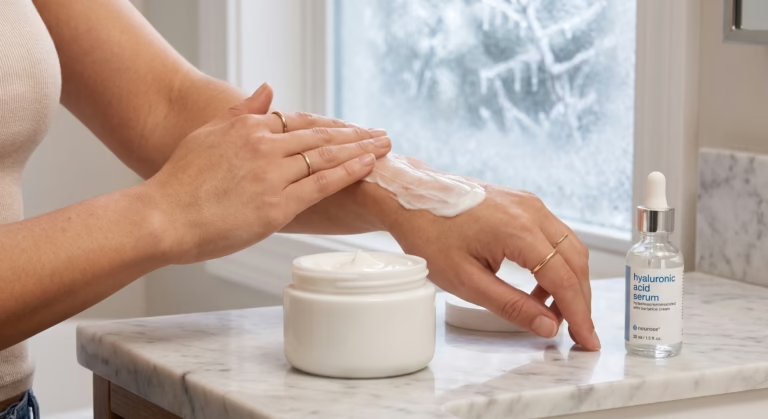
High-molecular-weight HA sits on the surface to provide immediate hydration, while low-molecular-weight HA penetrates deeper for longer-lasting effects. A crucial tip for those in dry climates: you must apply hyaluronic acid to damp skin and immediately seal it in with a moisturizer. If applied to dry skin in a dry climate (like a UK winter), it can actually pull water out of your skin, leaving you more dehydrated.
Glycerin: The Unsung Hero of Hydration
While hyaluronic acid gets all the marketing glory, when having hydrating skincare ingredients explained, glycerin is arguably the most effective and reliable humectant in cosmetic chemistry. It is a small molecule that penetrates the skin barrier easily, drawing moisture deep into the stratum corneum. It is highly stable, rarely causes irritation, and is incredibly cost-effective.
Glycerin also helps maintain the lipid structures of the skin, meaning it not only hydrates but also helps the skin repair itself. If you find hyaluronic acid serums sticky or ineffective, look for a product where glycerin is listed as the second or third ingredient. It provides a beautiful, cosmetically elegant slip without the tacky finish.
Ceramides: The Skin Barrier Builders
If your skin cells are the bricks of a wall, ceramides are the mortar holding them together. When experts have these skincare ingredients explained to clients, they highlight that ceramides are lipids (fats) that make up over 50% of your skin’s composition. When ceramide levels drop—due to age, over-exfoliation, or harsh weather—the skin barrier weakens, leading to redness, flaking, and sensitivity. You can learn more about this biological mechanism in our deep dive on skin barrier repair science.
Applying topical ceramides helps replenish this natural glue, sealing moisture in and keeping environmental irritants out. They are essential for anyone using strong actives like retinoids or chemical exfoliants, as they mitigate irritation and maintain the structural integrity of the skin.
The Brighteners and Tone Correctors
Hyperpigmentation, post-acne marks (PIH), and uneven skin tone are among the most common concerns for readers in South Asia and the Middle East, where sun exposure and melanocyte activity are high. Brightening ingredients work by interrupting the pathway of melanin production or by helping to shed pigmented surface cells.
Vitamin C (L-Ascorbic Acid)
When you get brightening skincare ingredients explained, Vitamin C is always the star. It is a potent antioxidant that neutralizes free radicals—unstable molecules generated by UV radiation and pollution that cause premature aging. Beyond protection, it is clinically proven to inhibit tyrosinase, the enzyme responsible for melanin production, making it a powerhouse for fading dark spots and brightening the overall complexion.
The most active form, L-ascorbic acid, is famously unstable and oxidizes quickly when exposed to light, air, and water. This is why you should look for Vitamin C housed in dark or opaque, airtight packaging. For those with sensitive skin, derivatives like Tetrahexyldecyl Ascorbate (THD) or Sodium Ascorbyl Phosphate (SAP) offer brightening benefits with much less risk of irritation.

Niacinamide (Vitamin B3)
Niacinamide is the multi-tasking diplomat of skincare ingredients explained. It plays well with almost everything and addresses multiple concerns simultaneously. It regulates sebum (oil) production, reduces the appearance of enlarged pores, calms inflammation, and prevents the transfer of melanin to the skin’s surface.
While marketing trends have pushed 10% and 20% niacinamide serums, peer-reviewed clinical studies show that this ingredient is highly effective at just 2% to 5%. Higher concentrations can lead to flushing and irritation. It is a fantastic choice for acne-prone individuals who want to fade post-breakout redness while keeping their skin calm.
Alpha Arbutin and Licorice Root
For those looking for gentler alternatives to hydroquinone, alpha arbutin and licorice root extract are excellent choices. Alpha arbutin slowly releases hydroquinone at the cellular level, safely inhibiting melanin synthesis without the harsh side effects associated with prescription lighteners. Licorice root contains glabridin, which also stops hyperpigmentation in its tracks while offering soothing, anti-inflammatory benefits.
The Exfoliators: AHAs, BHAs, and PHAs
Physical scrubs can cause micro-tears in the skin. Chemical exfoliants, on the other hand, dissolve the intercellular glue holding dead skin cells together, allowing them to shed smoothly and evenly. Understanding the different hydroxy acids is crucial when evaluating your routine and wanting these beauty ingredients explained properly.
Alpha Hydroxy Acids (AHAs)
In the context of skincare ingredients explained, AHAs are water-soluble acids derived from sugary fruits. They work on the surface of the skin to gently unglue dead skin cells, revealing a brighter, more even complexion beneath. They also act as humectants, making them a great choice for dry or mature skin.
- Glycolic Acid: Derived from sugar cane, this has the smallest molecular weight of all AHAs. It penetrates deeply and quickly, making it highly effective for severe texture and hyperpigmentation, but it can be irritating for sensitive skin types.
- Lactic Acid: Derived from milk (though mostly synthetically produced for skincare), it has a larger molecule size. It stays closer to the surface, offering gentle exfoliation and significant hydration.
- Mandelic Acid: Derived from bitter almonds, this is the largest AHA molecule. It penetrates very slowly, making it the safest choice for highly sensitive, reactive, or deeper skin tones prone to post-inflammatory hyperpigmentation.
Beta Hydroxy Acids (BHAs)
If you have ever had acne-fighting skincare ingredients explained, you know BHA is oil-soluble. This unique property allows them to bypass the skin’s natural oils and penetrate deep inside the pore lining. The most common BHA is salicylic acid. Once inside the pore, it dissolves the mix of sebum and dead skin cells that cause blackheads, whiteheads, and acne breakouts.
Salicylic acid also possesses anti-inflammatory and antibacterial properties, calming angry cysts while treating the root cause of the blockages. It is the gold standard ingredient for oily and acne-prone skin profiles.
Polyhydroxy Acids (PHAs)
PHAs, such as gluconolactone and lactobionic acid, are the gentle giants of the acid world. Their molecular structure is much larger than both AHAs and BHAs, meaning they only work on the very outermost layer of the skin. They exfoliate without causing redness or stinging and double as excellent antioxidants and hydrators. If you have rosacea or eczema, PHAs are your safest route to a glowing complexion.

The Age-Defying Powerhouses
When we talk about reducing the appearance of fine lines, improving elasticity, and reversing sun damage, two main categories of ingredients lead the charge: retinoids and peptides. These ingredients work by communicating directly with your skin cells, instructing them to act younger and healthier.
Retinol and Retinoids
When having anti-aging skincare ingredients explained, retinoids (the umbrella term for all Vitamin A derivatives) are the most thoroughly researched and clinically proven options available. Strongly supported by dermatological bodies like the American Academy of Dermatology, they work by accelerating cellular turnover—pushing fresh, healthy cells to the surface faster—and stimulating collagen production deep within the dermis.
The hierarchy of retinoids dictates their strength and irritation potential. Prescription retinoic acid (Tretinoin) works instantly but can cause severe peeling and redness initially. Over-the-counter retinol must be converted by the skin into retinoic acid before it can be used, making it gentler but slower to show results. Retinaldehyde (Retinal) sits right in the middle, offering faster results than retinol with less irritation than prescriptions.
If you are new to Vitamin A, start low (0.1% to 0.3%) and go slow (applying it only twice a week). Always apply it at night, and never skip your morning sunscreen, as retinoids reveal fresh skin that is highly susceptible to UV damage. For a broader overview of how to build a routine around strong actives, refer to our skincare basics ultimate guide.
Peptides
Peptides are short chains of amino acids that serve as the building blocks for proteins like collagen, elastin, and keratin in the skin. Often, when you see peptide skincare ingredients explained, they are described as messengers. For example, signal peptides tell your skin to produce more collagen, while neurotransmitter-inhibiting peptides (like Argireline) attempt to soften muscle movement to reduce expression lines.
Unlike retinoids, peptides do not cause peeling or redness, making them an excellent anti-aging alternative for highly sensitive skin or for those who are pregnant and cannot use Vitamin A.
The Soothers and Calming Agents
With the surge in the use of aggressive actives, the beauty industry has seen a massive rise in compromised skin barriers. This has led to the popularity of soothing ingredients, heavily inspired by Korean beauty innovations, which focus on cooling inflammation and accelerating wound healing.
Centella Asiatica (Cica)
If you need soothing skincare ingredients explained, Centella Asiatica is a botanical extract rich in active compounds called madecassoside and asiaticoside. It has been used for centuries in traditional medicine for wound healing. In skincare, it dramatically reduces redness, soothes itching, and helps repair a damaged barrier. It is incredibly beneficial for rosacea-prone skin or anyone recovering from a sunburn or an acid burn.
Panthenol (Vitamin B5)
Panthenol is an exceptional humectant that also possesses intense soothing properties. When applied to the skin, it converts to pantothenic acid, which helps skin synthesize lipids and proteins necessary for a healthy barrier. It significantly reduces trans-epidermal water loss (TEWL) and calms irritation almost immediately.
Skincare Ingredients Explained: A Quick Comparison Table
To help you navigate your next beauty purchase, use this quick reference table to match your primary skin concern with the correct active ingredient, while noting what combinations to avoid.
| Skin Concern | Primary Ingredient | Supporting Ingredient | What to Avoid |
|---|---|---|---|
| Acne & Congestion | Salicylic Acid (BHA) | Niacinamide, Zinc | Heavy occlusive oils, thick waxes |
| Hyperpigmentation | Vitamin C, Alpha Arbutin | Glycolic Acid, SPF | Unprotected sun exposure |
| Fine Lines & Wrinkles | Retinol, Retinaldehyde | Peptides, Ceramides | Using harsh scrubs on top of retinol |
| Dehydration & Flaking | Hyaluronic Acid, Glycerin | Panthenol, Squalane | High-strength foaming cleansers |
| Redness & Sensitivity | Centella Asiatica (Cica) | Ceramides, Colloidal Oatmeal | Strong AHAs, Artificial Fragrances |
The Golden Rules of Mixing Skincare Actives
Understanding skincare ingredients explained is only half the battle; knowing the rules of mixing skincare actives is what separates an amateur routine from a professional one. Cocktailing too many ingredients can destabilize formulas, cancel out efficacy, or severely burn your skin.
What Not to Mix in the Same Routine
- Retinol + AHAs/BHAs: Using chemical exfoliants and retinoids on the same night is a recipe for disaster. Both are powerful resurfacers. Instead, alternate them on different nights (e.g., skin cycling).
- Vitamin C + Copper Peptides: Ascorbic acid can degrade copper peptides, rendering both expensive ingredients useless. Use Vitamin C in the morning and peptides at night.
- Benzoyl Peroxide + Retinol: Benzoyl peroxide can oxidize traditional retinol, making it ineffective. If treating severe acne, use benzoyl peroxide as a morning wash and retinol as a leave-on night treatment.
The Power Couples (What to Mix)
- Vitamin C + Sunscreen: Antioxidants boost the protective power of your SPF by neutralizing the free radicals that UV filters miss. They are the ultimate morning defense team.
- Retinol + Ceramides: Because retinoids can compromise the skin barrier and cause dryness, following them up with a ceramide-rich moisturizer mitigates side effects and keeps the skin supple.
- Salicylic Acid + Niacinamide: A perfect duo for oily skin. The BHA clears the pore, while niacinamide steps in to soothe the inflammation and regulate future oil production.
Key Takeaways
- Always have your skincare ingredients explained and identify your primary skin concern before purchasing a new product; you do not need every trending ingredient.
- Hydration (Glycerin, Hyaluronic Acid) and barrier support (Ceramides) are essential foundations for any routine, regardless of your skin type.
- When using potent actives like Vitamin C, AHAs, or Retinol, start with low concentrations and prioritize consistency over intensity.
- Never mix multiple strong resurfacing agents in a single routine; embrace skin cycling to prevent irritation.
- The most important skincare ingredient you can apply is broad-spectrum sunscreen; without it, all other active ingredients are rendered ineffective.
Your Next Steps
Navigating the beauty aisle doesn’t have to be overwhelming when you have skincare ingredients explained in plain English. Before introducing a new active to your face, patch test it on your jawline for 48 hours. If you are struggling with misinformation and want to know the truth behind viral trends, explore our honest guide on skincare myths debunked.
Ready to put this knowledge into practice? Build your perfect, personalized regimen by exploring more of Golden Hour’s deep dives, and let your skin thrive on science, not hype.
Frequently Asked Questions
Why is having skincare ingredients explained important before mixing them?
You should never mix retinoids with strong chemical exfoliants (AHAs/BHAs) in the same routine, as this severely compromises the skin barrier. Additionally, avoid layering L-ascorbic acid (Vitamin C) directly with copper peptides or benzoyl peroxide, as they can destabilize the formulas and cause severe irritation.
Can I use Vitamin C and Niacinamide together?
Yes, you can absolutely use Vitamin C and Niacinamide together. The outdated myth that they create toxic nicotinic acid was based on flawed studies using unstable, pure forms of the ingredients at extreme temperatures. Modern cosmetic formulations allow them to be layered safely to brighten skin and refine pores.
How long does it take for skincare ingredients to work?
Hydrators like hyaluronic acid show results instantly by plumping the skin. Exfoliants like AHAs take a few days to smooth texture. However, deep-acting ingredients like retinol and Vitamin C for hyperpigmentation require 8 to 12 weeks of consistent use to show visible, structural changes to the skin.
Should I apply hyaluronic acid to wet or dry skin?
You must apply hyaluronic acid to damp skin. Because it acts as a moisture magnet, applying it to a dry face in a dry room means it will pull water out of your deeper skin layers, causing dehydration. Mist your face with water first, apply the serum, and immediately lock it in with a moisturizer.
What is the best ingredient for a damaged skin barrier?
Ceramides are the best ingredient for repairing a damaged barrier, as they naturally mimic the lipids that hold your skin cells together. Pair ceramides with soothing ingredients like Panthenol (Vitamin B5), Centella Asiatica, and Glycerin to drastically reduce redness, stinging, and flaking.
Is retinol safe for sensitive skin?
Retinol can be safe for sensitive skin if introduced properly. Start with a very low concentration (0.1%), apply it only one or two nights a week, and use the “sandwich method”: apply a light layer of moisturizer, then the retinol, followed by another layer of moisturizer to buffer the intensity.
What is the difference between AHA and BHA?
AHAs (like glycolic and lactic acid) are water-soluble and work on the skin’s surface to gently melt away dead skin cells, making them great for texture and dry skin. BHAs (like salicylic acid) are oil-soluble, allowing them to penetrate deep into pores to dissolve oil and clear acne breakouts.
Do I really need a dedicated eye cream?
In most cases, you do not need a dedicated eye cream. A basic, fragrance-free facial moisturizer is usually sufficient for the eye area. However, if you want to treat specific concerns like dark circles or deep crow’s feet, look for eye-specific formulations containing gentle retinol or caffeine, which are adjusted for the thinner skin around the eyes.