From Petal to Bottle: Understanding Exactly How Perfume Is Made
How perfume is made is a question that reveals a fascinating, invisible world where ancient agricultural traditions meet cutting-edge chemical science. Behind every beautiful glass bottle on your vanity lies a rigorous, time-honored manufacturing process that transforms raw petals, woods, and laboratory molecules into a wearable work of art.
Quick answer: How is perfume made? The perfume manufacturing process involves five essential steps: harvesting raw natural and synthetic ingredients, extracting the fragrant essential oils, blending the complex formula according to a master perfumer’s vision, aging (macerating) the mixture to bind the chemical molecules, and finally diluting it with alcohol and distilled water before bottling.
Whether you are building your ultimate fragrance wardrobe, searching for a signature scent, or just starting to read our foundational Complete Guide to Perfume & Fragrance Fundamentals Explained, understanding the creation process makes you a smarter, more discerning consumer. Knowing exactly how perfume is made helps you look past exaggerated marketing claims, understand why luxury fragrances command higher prices, and truly appreciate the liquid artistry that rests on your skin.
Understanding How Perfume Is Made: The Core Ingredients
Before we can explore the intricate steps of how perfume is made, we must first look at what actually goes inside the blending beaker. A modern commercial fragrance is almost never just squeezed fruit and crushed flower petals. Instead, it is a carefully calibrated, meticulously engineered mix of raw materials, which are broadly categorized into natural and synthetic ingredients.
The Role of Natural Ingredients
Natural ingredients are aromatic materials derived directly from the earth. These include delicate flowers (roses, jasmine, tuberose, ylang-ylang), bright fruits (bergamot, lemon, grapefruit), dense woods (sandalwood, cedar, oud), rich resins (frankincense, myrrh, benzoin), and warm spices (cardamom, vanilla, pink pepper). Gathering these materials is an incredibly labor-intensive endeavor.
For example, it takes roughly 10,000 hand-picked rose petals to produce just one single milliliter of pure rose essential oil. The agricultural variables—soil quality, annual rainfall, and even the time of day the harvest occurs—dramatically affect the final aromatic profile. This volatility is part of the magic of natural perfumery, giving each batch a slightly unique nuance.
The Necessity of Synthetic Ingredients
There is a significant amount of fear-mongering and misinformation surrounding synthetic ingredients in the beauty space, but they are the absolute backbone of modern perfumery. Synthetics are laboratory-created aroma molecules designed to replicate natural scents or introduce entirely new, abstract smells that simply cannot be extracted from nature (such as the smell of fresh rain, ocean breezes, or delicate watery fruits like melon and peach).
Without synthetics, iconic fragrances like Chanel No. 5 (which relies on synthetic aldehydes for its sparkling, champagne-like lift) would not exist. Synthetics also protect endangered botanical species, eliminate the need for cruel animal-derived musks, provide structural consistency, and are absolutely crucial for creating the complex fragrance notes that allow a scent to evolve on your skin over time.
Step 1: Sourcing Raw Materials for How Perfume Is Made
The journey of how perfume is made begins far away from the sterile, gleaming laboratories of Paris or New York. It starts in the fertile fields, dense forests, and sun-drenched orchards around the globe. The harvesting of natural perfumery ingredients is incredibly time-sensitive, seasonal, and geographically specific.
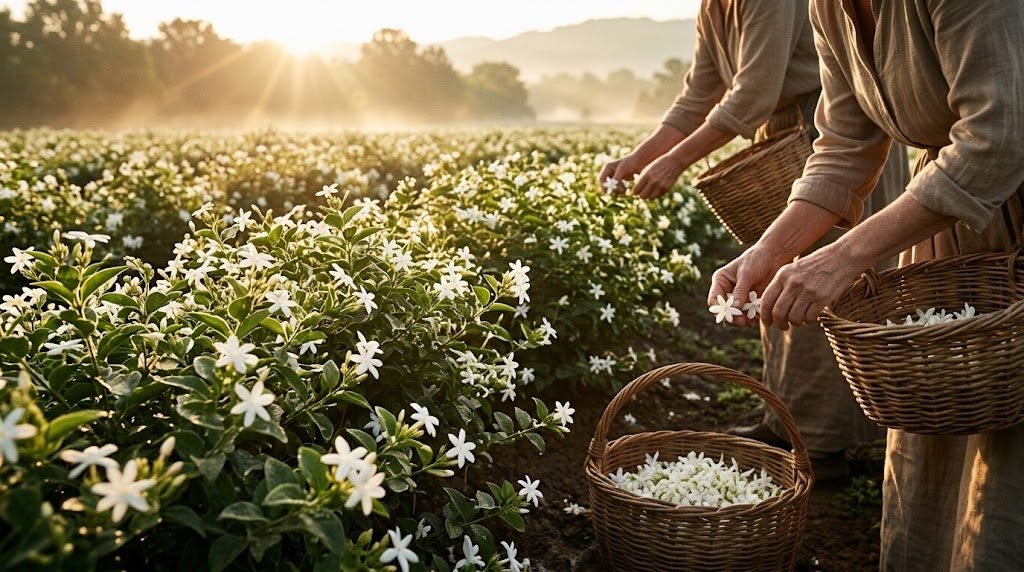
In Grasse, France—often considered the historic capital of perfumery—jasmine and Rosa centifolia (the May Rose) must be meticulously picked by hand at dawn. If the harvesters wait until the sun is too high, the heat of the day will evaporate the flower’s precious, volatile oils, drastically reducing the yield. Meanwhile, in Calabria, Italy, citrus fruits like bergamot are harvested only when they reach a highly specific balance of acidity and sweetness to ensure the resulting oil is bright, crisp, and zesty.
In Madagascar, the cultivation of vanilla orchids is an even more painstaking process. Because the natural pollinator of the vanilla orchid is not present in Madagascar, every single flower must be hand-pollinated using a tiny wooden stick. Once the beans grow, they undergo a months-long process of curing and sun-drying to develop their characteristic sweet, woody, and leathery aroma. Once these raw botanicals are finally gathered, they must be processed almost immediately to prevent decay and preserve their fragile aromatic integrity.
Step 2: Extraction Methods (The Science of How Perfume Is Made)
Once the botanical materials have been safely harvested, their aromatic compounds must be extracted. This is one of the most critical and chemically complex stages in the entire perfume manufacturing process. Different raw materials require entirely different extraction methods to yield the best possible scent profile without destroying the fragile molecules.
Steam Distillation
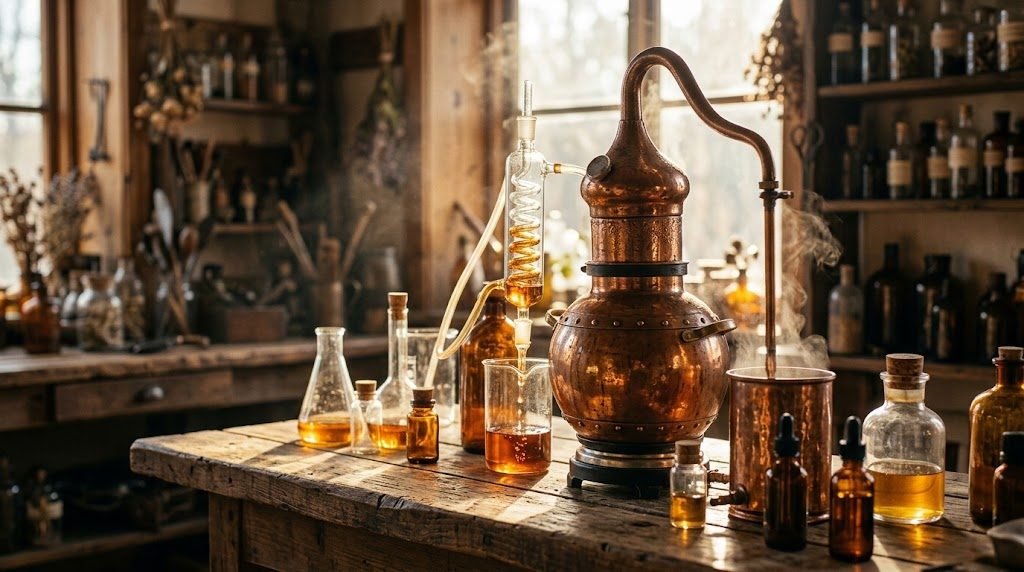
Steam distillation is the most common and traditional method used for extracting oils from hearty, robust botanicals like lavender, rose, cedarwood, and patchouli roots. The raw plant materials are placed into a large copper or stainless-steel still, and pressurized hot steam is forced through them. The intense heat breaks down the plant’s cellular structure, releasing the fragrant oils into a vapor.
This vapor is then routed through a series of cooling tubes, where it condenses back into a liquid. Because essential oils and water naturally repel each other, the fragrant oil separates and floats to the top, where it can be carefully skimmed off. The remaining fragrant water is often sold as a byproduct, such as rosewater or orange blossom water.
Solvent Extraction
Some flowers, such as jasmine, tuberose, and orange blossom, are simply too delicate to withstand the intense heat of steam distillation. The heat would completely destroy their fragile scent molecules. Instead, these botanicals undergo solvent extraction. The flowers are submerged in a chemical solvent, traditionally hexane or petroleum ether. The solvent slowly dissolves the fragrant compounds along with the plant’s natural waxes, leaving behind a highly fragrant, thick, waxy substance known as a “concrete.”
To make this concrete usable in liquid perfume, it is vigorously washed with pure alcohol. The alcohol absorbs the fragrance oils but leaves the heavy plant waxes behind. Finally, the alcohol is evaporated away, leaving a phenomenally pure, incredibly concentrated, and highly expensive oil known as an “absolute.”
Expression (Cold Pressing)
Expression is one of the oldest, simplest extraction methods, and today it is used almost exclusively for extracting oils from the rinds of citrus fruits like lemons, oranges, limes, and bergamot. The thick, dimpled rinds of the fruits are mechanically pierced and pressed to literally squeeze out the fragrant oils. It is a completely heat-free, chemical-free process that results in a bright, zesty, and highly volatile oil that captures the true, fresh essence of the fruit.
Enfleurage (The Historic Method)
While rarely used today due to its staggering cost and labor requirements, enfleurage is a vital part of the history of how perfume is made. In this centuries-old technique, delicate flower petals were pressed into a layer of purified, odorless animal fat spread across glass chassis. Over several days, the fat would absorb the flower’s scent. The spent petals were replaced with fresh ones until the fat was completely saturated with fragrance, creating a “pomade.” This pomade was then washed with alcohol to extract the precious oils. Today, this beautiful but inefficient process has been largely replaced by solvent and CO2 extraction.
Supercritical CO2 Extraction
The most modern, cutting-edge technique in perfumery is Supercritical CO2 Extraction. This process uses carbon dioxide pressurized to a state where it acts as both a liquid and a gas. The supercritical CO2 acts as a solvent to pull the aromatic compounds from the plant material at very low temperatures. Once the pressure is released, the CO2 simply evaporates back into the air, leaving behind an incredibly pure extract with absolutely zero solvent residue. This method captures the most hyper-realistic scent of a botanical, capturing nuances that steam and traditional solvents destroy.
Comparing Fragrance Extraction Methods
To better understand why luxury perfume houses choose specific techniques for their formulations, here is a detailed breakdown of the most common extraction methods used today:
| Extraction Method | Best Suited For | End Product Name | Aromatic Characteristics |
|---|---|---|---|
| Steam Distillation | Sturdy botanicals (lavender, rose, heavy woods, roots) | Essential Oil | Heat-based; highly aromatic but can sometimes alter the most delicate top notes of a plant. |
| Solvent Extraction | Delicate white flowers (jasmine, tuberose, vanilla pods) | Absolute | Chemical-based; produces a rich, incredibly deep, and true-to-nature floral profile. |
| Expression (Pressing) | Citrus fruit rinds (bergamot, sweet lemon, bitter orange) | Cold-pressed Oil | Heat-free; captures the bright, fresh, zesty, and volatile top notes perfectly. |
| CO2 Extraction | Spices, coffee, delicate botanicals (pink pepper, ginger) | CO2 Extract | High-tech and expensive; yields the most hyper-realistic, pure scent with zero residue. |
Step 3: Blending the Formula (The Art Behind How Perfume Is Made)
Once the raw oils and synthetic molecules are fully extracted and synthesized, the true artistry of how perfume is made finally begins. A master perfumer, historically referred to as a “Nose” (or Le Nez in French), takes these hundreds of raw materials and begins the painstaking process of blending them. A single commercial fragrance can contain anywhere from 30 to over 800 individual ingredients.
The perfumer usually begins with a “brief” provided by a fashion house or brand. This brief contains the concept, the target audience, the emotional story the perfume should tell, and the strict budget per kilogram of fragrance oil. Sitting at a specialized semi-circular desk known as a “perfumer’s organ”—which holds hundreds of tiny vials of raw materials—the perfumer begins drafting the scent, drop by meticulous drop.
Structuring the Fragrance Pyramid
The perfumer relies on a deep, encyclopedic understanding of molecular chemistry and artistic aesthetics to create a balanced composition. They almost always structure the scent using a traditional olfactory pyramid, designing how the fragrance will evaporate over time:
- Top Notes (Head Notes): These are the most volatile, lightest molecules (like citrus, light fruits, and herbs). They are the first thing you smell when you spray the perfume, designed to grab your attention, but they evaporate within the first 15 to 30 minutes.
- Heart Notes (Middle Notes): As the top notes fade, the heart of the fragrance emerges. These are typically fuller, rounder notes like lush florals, soft spices, and green accords. They form the core character and emotional theme of the perfume, lasting for several hours.
- Base Notes: These are the heaviest, largest molecules (like rich woods, vanilla, musk, and heavy resins). They take time to heat up on the skin and become apparent, but they anchor the entire fragrance, providing depth and ensuring the scent lasts all day.
Blending is a process of trial and error that can take years. The perfumer must consider how each chemical will interact with the others. If you want to learn more about how to navigate these categories to find your perfect match, our Fragrance Families Guide explains how these complex blends are categorized into woods, florals, ambers, and fresh profiles. Furthermore, mastering how these blended notes project into the air is an art in itself; read our detailed guide on perfume sillage and projection to understand the mechanics of fragrance performance.

Step 4: The Aging and Maceration Process
A crucial secret to how perfume is made—and a primary reason why cheap, fast-fashion perfumes often smell harsh or overwhelmingly alcoholic—is the aging process, known within the industry as maceration. Once the perfumer’s intricate blend is finalized and mixed with a specific ratio of high-grade alcohol, it is not immediately pumped into bottles and shipped to stores. It desperately needs time to rest.
The raw fragrance mixture is stored in large, cool, dark, temperature-controlled stainless steel or glass vats for a period ranging from several weeks to as long as six months. During this quiet time, a complex series of chemical reactions takes place. The different natural oils and synthetic molecules begin to bind together, mellowing out harsh edges, rounding off the sharp bite of the alcohol, and developing a smooth, cohesive, unified scent profile.
Think of the maceration process exactly like a fine wine or a premium whiskey aging in an oak barrel. The chemistry needs time to settle and marry so that the fragrance performs harmoniously on your skin. Without maceration, a perfume can smell disjointed, metallic, and aggressively chemical.
Step 5: Dilution, Filtering, and Bottling
The final crucial step in the perfume manufacturing process is dilution and stabilization. The pure perfume oils that come out of the maceration vats are incredibly potent, far too strong (and potentially irritating) to be applied directly to human skin. They must be diluted.
The fragrant “juice” is mixed with high-grade, denatured, completely odorless perfumer’s alcohol and a very small amount of distilled water. The ratio of raw fragrance oil to this alcohol base determines the strength, classification, and price of the final retail product. An Eau de Parfum (EDP) has a significantly higher oil concentration than an Eau de Toilette (EDT), making it richer and longer-lasting. To understand exactly which strength is right for your lifestyle, skin type, and budget, read our deeply detailed breakdown on perfume concentrations explained.
Chill Filtering and Bottling
Before the liquid can be bottled, it must undergo a process called “chill filtering.” The newly diluted perfume is chilled to near-freezing temperatures. This sudden drop in temperature causes any remaining natural plant waxes, heavy resins, or botanical impurities to bind together and solidify. The chilled liquid is then passed through microscopic filters to remove these solids. This ensures that the final perfume remains crystal clear and visually flawless on the shelf, preventing it from turning cloudy if you ever leave it in a cold room.
Finally, the pristine, filtered liquid is meticulously piped into the beautifully designed, heavy glass bottles that eventually make their way to your vanity. The bottles are crimped tight to prevent oxygen exposure, packaged in their stylized boxes, and wrapped in protective cellophane.
How Perfume Is Made Today: Modern Sustainability and Safety
When investigating exactly how perfume is made in 2026, we absolutely cannot ignore modern safety regulations and the pressing need for environmental sustainability. The global fragrance industry is highly regulated to protect consumers from severe allergens, phototoxicity, and toxic ingredients.
Organizations such as the International Fragrance Association (IFRA) set incredibly strict global standards for ingredient safety. They continuously test both natural and synthetic materials, frequently banning or heavily restricting the use of ingredients that could cause skin sensitization or environmental harm. For example, natural oakmoss, a staple of classic perfumery, has been heavily restricted by IFRA due to specific allergenic compounds, forcing perfumers to rely on safe, scientifically modified alternatives.
Furthermore, the reality of climate change and over-harvesting has revolutionized how perfume is made. To learn more about the deep history and botanical origins of these practices, authoritative resources like Britannica’s historical archive on perfume offer incredible context on how ancient methods evolved. Today, major luxury perfume houses are heavily investing in ethical harvesting programs.
They are actively supporting local farming communities in developing nations, ensuring fair wages, and utilizing “green chemistry.” Green chemistry allows laboratories to upcycle agricultural waste (like leftover apple pulp from the juice industry or discarded cedarwood chips from furniture making) into stunning, eco-friendly fragrance molecules, reducing the industry’s reliance on over-harvested natural resources.
Key Takeaways
- It takes a global village: Making a high-quality perfume involves a massive chain of farmers, chemical engineers, master perfumers, and evaluators working in perfect harmony over months or even years.
- Synthetics are vital: A modern, complex, long-lasting fragrance relies entirely on a careful, symbiotic balance of expensive natural botanical extracts and stable, innovative synthetic molecules.
- Extraction alters the scent: The scientific method used to pull oil from a plant (such as harsh steam vs. gentle CO2) drastically changes the final aromatic profile of the ingredient.
- Patience is mandatory: The maceration (aging) process is the secret step that turns a sharp, disjointed mixture of raw chemicals into a smooth, luxurious, highly wearable fragrance.
- Safety is prioritized: Global governing bodies like IFRA rigorously ensure that the complex chemical blends in your favorite perfumes are safe for daily, repeated skin contact.
Explore More Golden Hour Guides
Now that you completely understand the intricate, beautiful process of how your favorite fragrances come to life, it is time to confidently find the perfect one for your daily routine. If you are starting fresh and feel overwhelmed, check out our highly recommended guide to perfume basics for beginners. If you are ready to start shopping and looking for specific, tested recommendations, our expert editors have carefully curated a list of the best perfumes for women to help you effortlessly find your ultimate signature scent.
Frequently Asked Questions
What is the main ingredient in most perfumes?
The main ingredient by volume in most commercial perfumes is actually high-grade, denatured alcohol. The alcohol serves as a highly volatile carrier liquid that dilutes the incredibly concentrated essential oils, allowing the fragrance to spray evenly out of the atomizer and evaporate properly off the warmth of your skin.
How long does it take to make a new perfume?
Creating a brand new perfume from concept to final product can take anywhere from six months to three years. The master perfumer needs extensive time to test hundreds of microscopic iterations of a formula, and the final bulk mixture requires an additional resting period of maceration (aging) lasting several weeks to months.
Are natural perfumes better or safer than synthetic ones?
No, natural perfumes are not inherently better, safer, or less irritating than those containing lab-created synthetics. While natural ingredients offer beautiful, rich complexity, they can also contain highly common skin allergens. Synthetics provide longevity, stability, and crucial ethical alternatives to animal products or endangered plants.
Why are some luxury perfumes so expensive?
A perfume’s high retail cost is driven by the extreme rarity and low agricultural yield of its natural raw materials, the decades of expertise commanded by the master perfumer, the required length of the maceration process, and the bespoke quality of the glass packaging. Ingredients like pure oud or real iris butter are staggeringly expensive.
What exactly is maceration in perfumery?
Maceration is the critical aging process where freshly blended fragrance oils and alcohol sit undisturbed in large vats in a cool, dark environment. This essential resting period allows the various chemical compounds to bind, mellow, and harmonize, preventing the final perfume from smelling sharp, disjointed, or heavily alcoholic.
Do perfumes expire or go bad over time?
Yes, perfumes can absolutely expire, typically lasting three to five years depending on their chemical composition and how they are stored at home. Heat, direct sunlight, and oxygen exposure degrade the delicate fragrance molecules over time, which can eventually cause the top notes to smell sour, metallic, or completely faded.
Can I make my own perfume at home?
While you can easily blend basic essential oils with carrier oils (like jojoba) at home for personal use, replicating a commercial perfume is incredibly difficult. Commercial perfumery requires access to restricted synthetic molecules, specialized chemical fixatives, pure perfumer’s alcohol, and a deep understanding of molecular weights.
What is the difference between an absolute and an essential oil?
The difference lies entirely in the extraction method. An essential oil is typically extracted using high-heat steam distillation, making it ideal for sturdy woods and herbs. An absolute is extracted using chemical solvents, a gentler process reserved for highly delicate flowers like jasmine, resulting in a richer, deeper, and truer scent profile.