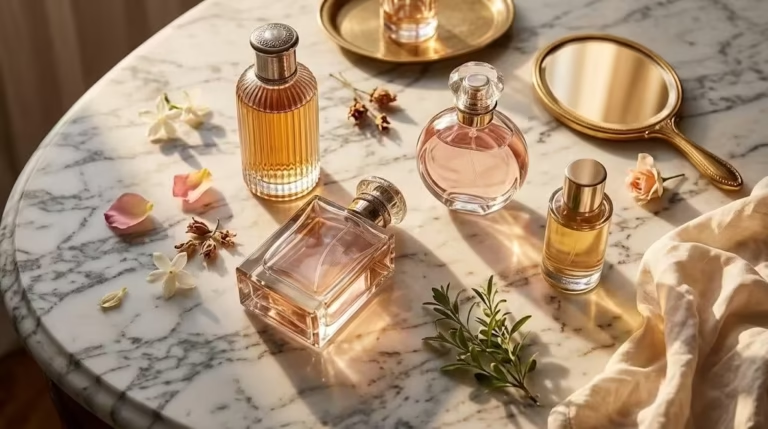
How to Choose a Musk Perfume for Women for Year-Round Wear
Finding a signature musk perfume for women can feel like navigating a maze of conflicting marketing claims, vague note pyramids, and confusing beauty jargon. One brand promises a “clean girl” aesthetic that smells like fresh laundry, while another markets their musk as a deeply seductive, animalic potion. The truth is, musk is the most misunderstood and chemically complex fragrance family in modern perfumery.
Quick answer: To choose the right musk perfume for women, you must first decide the vibe you want: clean and soapy (white musk), warm and botanical (ambrette), or intimate and woody (skin scents). Because musk molecules are large and highly reactive to body heat, you must test the fragrance directly on your skin for at least four hours before committing to a full bottle.
As we explore here at Golden Hour, navigating the fragrance world requires looking past the glossy advertising to understand what actually works for your lifestyle. Whether you want a subtle whisper of scent for the office or a warming, cozy cloud for the winter, choosing a musk comes down to understanding ingredients and your own biology.
Why Finding the Right Musk Perfume for Women is So Hard
If you have ever sprayed a highly recommended perfume only to find that it smells like absolutely nothing—or worse, like sour metal—you are not alone. Musk is uniquely challenging because it relies entirely on the wearer’s skin chemistry. What smells like a warm, comforting embrace on your best friend might smell like rubbing alcohol on you.
Unlike a crisp lemon or a blooming rose, which smell relatively similar on a blotter strip and on human skin, musk is a shapeshifter. It acts as a base note and a fixative, anchoring lighter notes and extending the overall life of the perfume. However, the raw materials used to create these scents are notoriously difficult for the human nose to process consistently.
Because natural deer musk has been banned for decades for ethical reasons, modern perfumers rely on a vast array of synthetic molecules and plant extracts to recreate the scent. This means that two perfumes labeled simply with a “musk” note might share absolutely zero chemical similarities. To navigate this landscape, you need to understand how to read fragrance notes and what those terms actually mean in the real world.
The Evolution of Musk: From Animalic Roots to Clean Skin Scents
What Exactly is Traditional Musk?
Historically, musk referred to a pungent, glandular secretion obtained from the male musk deer, native to the Himalayas and Siberia. In its raw, concentrated form, it was incredibly strong, earthy, fecal, and frankly, quite offensive. However, when perfumers heavily diluted it in alcohol, it transformed into a rich, warm, and highly desirable scent that gave perfumes a beautifully human, lived-in quality.
Today, the fragrance industry has completely pivoted away from this practice. Modern regulatory bodies, such as the International Fragrance Association (IFRA), strictly regulate fragrance ingredients, and animal-derived musk is entirely a thing of the past in commercial perfumery. Instead, brilliant green chemistry has stepped in to fill the void.
The Shift to Synthetic and Botanical Musks
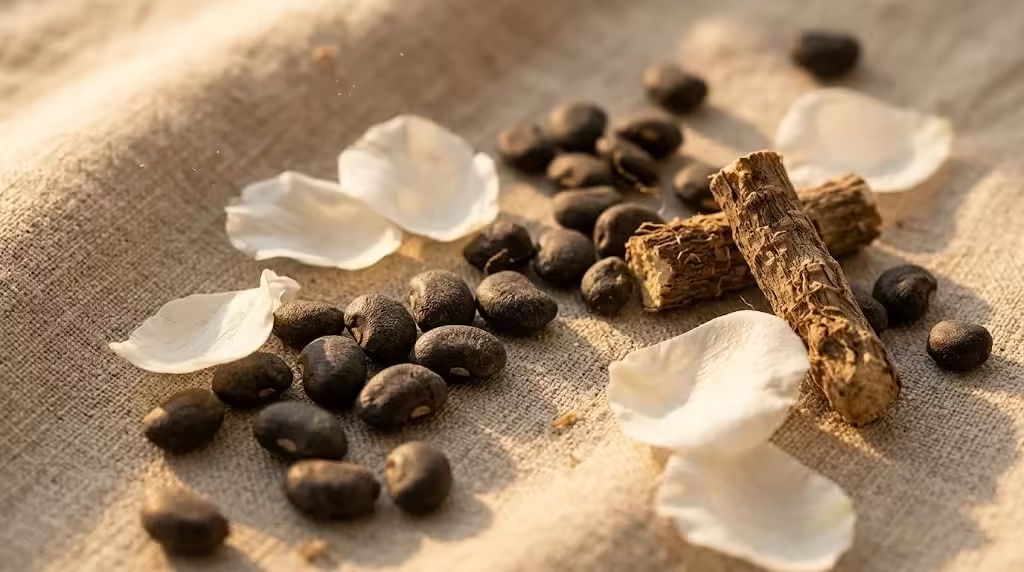
When you buy a modern perfume, you are purchasing a carefully engineered blend of synthetic musk molecules—categorized scientifically as macrocyclic, polycyclic, or alicyclic musks. If you prefer natural perfumery, you are likely smelling botanical alternatives. Plant-derived ingredients like ambrette seed (from the hibiscus family) and angelica root provide a beautiful, powdery, and slightly earthy warmth that perfectly mimics the softness of traditional musk without the ethical concerns.
Understanding this fragrance science helps you see past the marketing hype. When a brand claims their perfume is “wild,” “primal,” or “intoxicating,” they are using clever storytelling to describe a carefully formulated blend of lab-created molecules like Habanolide or Galaxolide. Knowing this gives you the power to shop based on actual scent profiles rather than advertising.
Decoding the Types of Musk Perfume for Women
To find the best musk perfume for your specific taste, you need to know which sub-category of musk you are actually drawn to. The word “musk” is merely an umbrella term for a variety of vastly different scent profiles, ranging from squeaky clean to deeply earthy.
White Musk (The Clean Laundry Aesthetic)
White musk is the absolute foundation of the modern “clean girl” aesthetic. Originally developed in the mid-20th century to scent high-end laundry detergents and soaps, these molecules (most commonly Galaxolide) impart a fresh, bright, and airy aroma. They smell like freshly ironed cotton shirts, fluffy white towels, and expensive hotel soap.
Who it’s for
If you hate heavy, overpowering perfumes and want to smell like you just stepped out of a luxurious shower, white musk is your ideal choice. It is highly inoffensive and universally liked, making it the perfect signature scent for healthcare workers, teachers, or anyone working in close corporate quarters.
Egyptian Musk (The Earthy, Vintage Classic)
Egyptian musk became incredibly popular in the 1970s and 1990s, often sold as a concentrated perfume oil in apothecaries and independent boutiques. It is typically a complex blend of synthetic musk, frankincense, myrrh, patchouli, and sometimes a subtle touch of rose. It is much denser and more resinous than white musk, featuring a distinctly earthy, slightly sweet undertone.
This style of musk sits very close to the skin and develops a beautiful, radiating warmth as your body heat rises throughout the day. It feels grounded, vintage, heavily nostalgic, and effortlessly cool.
Skin Scents (The “Your Skin But Better” Vibe)
Skin scents have absolutely dominated the fragrance market over the past five years. These minimalist perfumes rely heavily on aroma-chemicals like Iso E Super, Ambroxan, and Cetalox. Rather than projecting a massive, room-filling cloud of scent around you, they melt directly into your natural body chemistry.
These fragrances are famous for smelling different on every single person. On some women, they pull slightly sweet and woody; on others, they smell like clean sweat, fresh paper, and warm skin. If you are looking to find your signature scent that doesn’t feel like you are trying too hard, a modern skin-scent musk is the ultimate effortless choice.

Floral and Fruity Musks
If pure, unadulterated musk feels too stark, synthetic, or intimidating for your liking, look for floral or fruity musks. In these highly blended compositions, the musk acts as a fluffy, supportive pillow for delicate top notes like Turkish rose, pink peony, crisp pear, or white peach.
The addition of musk prevents these sweet florals from smelling too sharp, juvenile, or “grandmotherly.” Instead, it rounds them out into a soft, romantic, and sophisticated haze that feels incredibly modern and feminine.
Understanding Musk Molecules: The Ingredients on Your Label
To truly master your fragrance wardrobe, it helps to recognize the specific synthetic molecules that give a musk perfume for women its unique character. While brands rarely list these on the front of the bottle, you will often spot them in detailed press releases or deep-dive fragrance reviews.
- Galaxolide: The king of clean. It is sweet, powdery, and floral. If a perfume smells like premium fabric softener or fresh baby powder, it is likely heavy in Galaxolide.
- Ambrettolide: A synthetic version of the botanical ambrette seed. It is slightly fruity, deeply warm, and has a subtle blackberry undertone. It feels very elegant and vegan-friendly.
- Cashmeran: Often called “blonde woods” or “cashmere wood.” It is a complex molecule that smells like a mix of spicy musk, wet concrete, and warm woolen sweaters. It is incredibly cozy.
- Habanolide: A very elegant, metallic musk. It has an intriguing “hot iron on a clean shirt” smell, adding a crisp, modern, and slightly industrial edge to floral perfumes.
How to Choose the Best Musk Perfume for Women by Season
While musk is heralded for being incredibly versatile, the density of the fragrance you choose should ideally adapt to your physical environment. Humidity, freezing temperatures, and indoor artificial heating all change how a perfume evaporates off your skin.
| Season & Climate | Ideal Musk Profile | Why It Works |
|---|---|---|
| Spring (Mild, Breezy) | Floral Musks & Ambrette | Pairs perfectly with the blooming environment; feels light, uplifting, and romantic without ever turning cloying. |
| Summer (Hot, Humid) | White Musk & Citrus Blends | High heat intensifies fragrance. Clean, soapy musks cut through the stifling humidity and keep you feeling freshly showered. |
| Autumn (Crisp, Cool) | Skin Scents & Cashmeran | Iso E Super and Cashmeran provide a dry, cozy warmth that perfectly matches chunky sweaters and crisp evening air. |
| Winter (Cold, Dry) | Heavy, Amber & Resinous Musks | Cold air suppresses scent molecules. You need dense, resinous musks (like Egyptian musk) to project and linger on thick scarves and wool coats. |
Understanding Musk and Perfume Concentration
When selecting your ideal musk, you must also consider the concentration of the perfume. Because musk is a heavy base note, the ratio of fragrance oil to alcohol drastically impacts how the scent behaves.
An Eau de Toilette (EDT) with a musk base will feel sparkling, airy, and project further initially, but it may fade faster. An Eau de Parfum (EDP) contains a higher oil concentration, meaning the musk will feel denser, richer, and sit closer to your skin for a longer period. For a deep dive into how this works, we highly recommend reading our guide on perfume concentration explained.
If you want the ultimate intimate musk experience, consider a pure perfume oil. Oils do not contain evaporating alcohol, meaning the scent has practically no “sillage” (the trail left behind you). Instead, it melts completely into your skin, creating a sensual aura that can only be smelled by someone standing very close to you.

The Phenomenon of Musk Anosmia (Nose-Blindness)
Have you ever sprayed a highly-rated musk perfume, smelled it intensely for exactly two minutes, and then felt like it completely disappeared? You might immediately assume you bought a weak perfume, a bad batch, or a counterfeit. In reality, you are likely experiencing a biological phenomenon called “musk anosmia.”
Musk molecules are some of the largest and heaviest chemical compounds used in modern perfumery. Because their molecular structure is so massive, they can actually overwhelm the delicate olfactory receptors in your nose, causing them to temporarily shut down to prevent sensory overload. According to chemical studies and resources like Fragrantica, up to 30% of the population is genetically unable to smell certain types of synthetic musks at all.
If you can’t smell your own perfume, but your colleagues compliment you on it hours later, you have simply gone nose-blind. To test if this is happening, spray the perfume on a clean sweater, leave the room for an hour to clear your nasal palate, and return. If you can clearly smell it on the fabric upon re-entering, the perfume is performing perfectly fine—your nose just needed a break. This is a crucial factor to keep in mind when evaluating overall perfume longevity and projection.
The Art of Layering Musk Perfumes for Women
One of the greatest advantages of owning a high-quality musk perfume is its unparalleled ability to act as a primer for your other fragrances. Because musk is a heavy base note that evaporates very slowly, it can act like a chemical anchor, extending the life of lighter, more fleeting perfumes in your collection.
- To soften a sharp citrus: Layer a bright, zesty lemon, grapefruit, or bergamot perfume over a base of white musk. The musk will smooth out the acidic tartness and make the volatile citrus notes last hours longer on your skin.
- To modernize a heavy vintage floral: If you own a classic rose, tuberose, or jasmine perfume that feels a bit too mature or overpowering, layer a synthetic “skin scent” (like Ambroxan) underneath it. It will sheer out the dense floral notes and give them a modern, airy lift.
- To deepen a sweet gourmand: Combine a sugary, sweet vanilla or caramel fragrance with an earthy Egyptian musk. The musk will expertly cut the cloying sweetness, adding a sophisticated, grown-up edge that prevents you from smelling like a bakery.
When layering fragrances, always apply the heaviest perfume (which is almost always the musk) directly to your skin first. Let it dry down and meld with your body heat for a few minutes, and then mist the lighter, more volatile fragrance over the top.

Understanding Skin Chemistry, Diet, and Sillage
We promise absolute honesty here at Golden Hour, so let’s talk about the biological reality of wearing musk. Your skin’s natural pH level, your lipid (oil) production, and even your weekly diet play a massive role in how a musk perfume ultimately develops and projects.
Musk relies entirely on body heat and natural sebum (skin oil) to bloom. If you have extremely dry skin, the alcohol in the perfume will evaporate instantly, taking the fragile scent molecules with it into the air. To fix this common issue, you must always moisturize your pulse points with a rich, unscented body lotion or oil before spraying. This gives the musk molecules something tangible to cling to.
Furthermore, highly spiced diets rich in sulfurous compounds—like heavy garlic, cumin, onions, or fenugreek—will naturally alter the scent of your sweat. When a delicate, clean skin scent mixes with highly spiced perspiration, it can sometimes undergo a chemical reaction that turns it sour, metallic, or sharp. If a universally loved, highly-rated musk smells terrible on you, do not blame the brand. It is not a poorly made perfume; it is simply a chemical mismatch with your unique skin micro-biome at that moment.
Key Takeaways
- Know your musk types: “Musk” is a broad umbrella term. Choose white musk for a clean laundry vibe, ambrette for a vegan botanical warmth, or skin scents for an intimate, woody aura.
- Test on skin, never just paper: Musk molecules require human body heat and natural skin lipids to develop properly. A paper blotter strip in a department store will never give you the true, final scent.
- Beware of nose-blindness: Because musk molecules are massive and heavy, they easily fatigue your olfactory receptors. If you can’t smell it after an hour, ask a friend before aggressively overspraying.
- Use it as a fragrance primer: Musk is the ultimate layering tool. Use it to anchor fleeting summer citrus notes or to modernize heavy, traditional florals.
- Moisturize first for longevity: Musk disappears rapidly on dry, dehydrated skin. Always prep your pulse points with an unscented lotion to trap the fragrance molecules and boost projection.
Continue Your Fragrance Journey
Choosing a musk perfume for women is just the beginning of building a curated fragrance wardrobe that truly reflects who you are. We believe that discovering your signature scent should be a joyful, pressure-free, and highly educational experience.
If you want to continue refining your scent profile without falling for expensive marketing gimmicks, take a look at our other honest guides. Explore how to evaluate new designer releases, understand complex ingredient lists, and find the perfect fragrance for every facet of your daily life here at Golden Hour.
Frequently Asked Questions
Why can’t I smell my musk perfume after an hour?
You are likely experiencing olfactory fatigue, commonly known in the beauty community as nose-blindness. Musk molecules are very large and heavy, which can quickly overwhelm your scent receptors. Your brain tunes the smell out to prevent sensory overload, even while the fragrance is still projecting heavily to those around you.
Are modern musk perfumes safe for sensitive skin?
Yes, modern synthetic musks are rigorously tested, heavily researched, and regulated by global bodies like IFRA for consumer safety. However, if you have highly reactive skin, you should always perform a patch test, as the alcohol carrier or secondary botanical compounds in the perfume formulation may still cause mild contact irritation.
What is the exact difference between white musk and standard musk?
White musk refers to a specific group of synthetic molecules (like Galaxolide) created to smell brilliantly clean, soapy, and fresh—mimicking the scent of fresh cotton laundry. Standard or “traditional” musk profiles tend to lean much warmer, earthier, and sometimes slightly animalic, resinous, or woody.
Can I wear musk perfume in the hot summer months?
Absolutely, provided you choose the correct molecular type. White musks and light floral musks are fantastic in high heat because they smell crisp and shower-fresh. You should avoid heavy, resinous, or animalic musks in high humidity, as the moisture and heat can make them become thick and cloying.
Does musk really smell completely different on everyone?
Yes, significantly more so than any other fragrance note. Because musks are heavy base notes specifically designed to meld with the wearer’s natural sebum (oils), your unique skin pH, daily diet, hormonal fluctuations, and body temperature will drastically alter how the final perfume smells on your skin.
Is real animal musk still used in luxury perfumes today?
No. The harvesting of natural deer musk was banned decades ago under international treaties to protect the species from endangerment and cruelty. Today, 100% of the musk used in commercial and niche perfumery is either created synthetically in a lab or derived from safe botanical sources like ambrette seed.
What other fragrance families blend best with a musk base?
Musk is incredibly versatile and plays well with almost everything on the scent wheel. However, it shines brightest and creates the most beautiful contrast when paired with delicate florals (like rose or jasmine) to give them grounded depth, or sharp citrus notes (like bergamot or neroli) to help them last longer on the skin.