The Honest Guide to Finding Perfumes Similar to Popular Fragrances
Falling in love with a luxury scent can be both thrilling and financially daunting. When a single bottle costs upwards of a week’s groceries, it is entirely natural to start searching for perfumes similar to popular fragrances. The good news is that the modern fragrance industry offers incredible alternatives that respect both your budget and your sophisticated palate.
Quick answer: Finding perfumes similar to popular fragrances requires focusing on shared core notes and aroma chemicals rather than brand names. High-quality alternatives often utilize the same scent families—such as woody ambers or gourmand vanillas—offering comparable longevity and a beautiful dry-down without the premium designer price tag.
When you begin your perfume discovery journey, you will quickly realize that many high-end scents share foundational ingredients with much more accessible brands. By understanding how fragrance construction works, you can build a stunning olfactory wardrobe that smells incredibly expensive. Let us explore how to find scent twins that actually deliver on their promises.
Why We Seek Out Perfumes Similar to Popular Fragrances
The quest for fragrance alternatives is not solely driven by a desire to save money. Often, fragrance lovers seek out perfumes similar to popular fragrances because the original formulation simply does not agree with their unique body chemistry. A heavy designer patchouli might pull too sharp on your skin, prompting you to find a softer, similar alternative.
Another driving factor is the dreaded concept of reformulation. Beloved classic perfumes are frequently reformulated due to changing ingredient regulations or cost-cutting measures, which can drastically alter their longevity. If your signature scent no longer lasts the way it used to, finding a modern scent twin is a highly practical solution.
Finally, accessibility plays a massive role in our purchasing decisions. Many niche or luxury fragrances are constantly sold out, geographically restricted, or discontinued. Exploring affordable women’s perfumes and accessible men’s options allows you to enjoy a specific scent profile without being at the mercy of exclusive waitlists.

The Science of Scent Twins: Why Do They Smell Alike?
To truly understand how to find excellent alternatives, we must look at the chemistry of modern perfumery. The vast majority of the scents we wear today are not created by simply squeezing essential oils from flowers. Instead, they rely heavily on synthetic molecules that replicate natural scents or create entirely new olfactory experiences.
The Role of Aroma Chemicals
Many perfumes smell alike because they are built around the same powerhouse aroma chemicals. Molecules like Iso E Super (which provides a velvety, cedar-like aura) and Ambroxan (a synthetic alternative to ambergris) are ubiquitous in modern designer perfumery. When you learn to identify these structural components, finding perfumes similar to popular fragrances becomes much easier.
For a deeper dive into how these molecules interact with human skin, you can read our comprehensive guide on fragrance science. You can also explore the fascinating history and classification of these molecules on the Wikipedia page for Aroma compounds. Recognizing these common building blocks demystifies the magic behind your favorite expensive bottles.
Trend Cycles in the Perfume Industry
Just like fashion, the fragrance industry operates on distinct trend cycles. When a breakthrough fragrance launches and achieves massive commercial success, rival fragrance houses immediately take note. They task their master perfumers with creating their own interpretations of that winning scent profile.
This is why you will suddenly see a flood of spun-sugar and saffron scents, or a wave of cherry and almond combinations, hitting the market simultaneously. These are not necessarily illicit copies; they are industry-wide responses to a proven consumer desire. Navigating these trends thoughtfully is key to finding beautiful, high-quality alternatives.
How to Evaluate Perfumes Similar to Popular Fragrances
Not all fragrance alternatives are created equal. When you are testing perfumes similar to popular fragrances, you need a strategy to ensure you are buying a quality product rather than a diluted disappointment. The first step is always to ignore the packaging and focus entirely on the juice inside the bottle.
Decoding the Fragrance Pyramid
Every perfume is structured in a pyramid consisting of top notes, heart (middle) notes, and base notes. Cheaper, low-quality knockoffs often heavily front-load the top notes to mimic a popular scent upon the initial spray, but they completely fall apart during the dry-down phase. Always wait at least an hour before judging an alternative.
To master this process, familiarize yourself with how fragrance notes interact and evolve over time. You can also cross-reference scent profiles using vast online databases like Fragrantica, which allows you to search for perfumes by their specific shared ingredients.
Assessing Concentration and Longevity
A common misconception is that all affordable alternatives have poor lasting power. In reality, longevity depends on the fragrance concentration (Eau de Toilette vs. Eau de Parfum) and the nature of the base notes used. Heavy base notes like vanilla, musk, and oud will inherently last longer on the skin than volatile citrus or aquatic notes.
When testing an alternative, apply it to clean, moisturized skin and monitor its performance throughout the day. Does it project well for the first two hours? Does it leave a pleasant skin scent by hour six? These are the true indicators of a well-crafted perfume, regardless of the price tag attached to it.

Comparison: Designer Originals vs. Scent Alternatives
To help you navigate your choices, we have broken down the typical differences between luxury originals, high-quality alternatives, and low-quality knockoffs. Understanding these distinctions will make you a much more confident and informed consumer.
| Feature | Designer Original | High-Quality Alternative | Low-Quality “Knockoff” |
|---|---|---|---|
| Price Point | $150 – $400+ | $30 – $80 | $5 – $20 |
| Scent Development | Complex, evolves beautifully over hours | Linear but pleasant, solid dry-down | Harsh alcohol opening, fades instantly |
| Ingredient Safety | Strictly regulated and tested | Fully compliant with safety standards | Unregulated, potential skin irritants |
| Packaging | Heavy glass, custom atomizers, luxury boxes | Simple, minimalist, sturdy glass | Flimsy plastic, fake logos, leaking caps |
| Brand Transparency | Full ingredient lists, distinct branding | Clear notes, proud independent branding | Deceptive names mimicking originals |
This table illustrates why we advocate for independently branded, high-quality alternatives rather than deceptive counterfeits. You can achieve an incredible scent bubble without resorting to legally dubious products that might cause allergic reactions or skin sensitization.
Top Scent Profiles to Look For in 2026
If you are hunting for perfumes similar to popular fragrances right now, you will likely encounter a few dominant scent profiles. The current market is heavily focused on comforting, gender-neutral blends that project an aura of effortless elegance.
The Airy, Sweet Woods Profile
This category is defined by a mesmerizing blend of spun sugar, saffron, amberwood, and cedar. It is a highly transparent fragrance style that sometimes disappears to the wearer’s nose (a phenomenon known as olfactory fatigue) while leaving a massive scent trail for others to enjoy.
Alternatives in this category often rely heavily on ethyl maltol (for sweetness) and ambroxan (for the woody, airy lift). When searching for this profile, look for perfumes categorized as “amber floral” or “woody gourmand.” The best alternatives capture the burnt-sugar aspect without smelling too synthetic or metallic.
The Vanilla and Coffee Gourmand
Another massive trend involves addictive, edible notes like dark espresso, rich vanilla pod, and pink pepper. These fragrances are designed to be warm, seductive, and perfect for evening wear or colder weather. They wrap the wearer in a cozy, alluring blanket of scent.
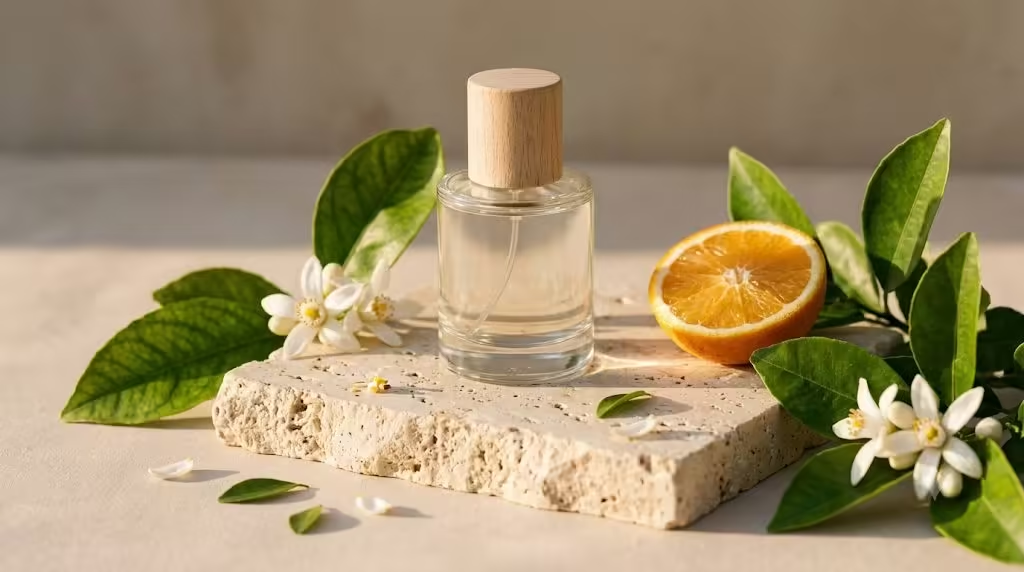
High-quality alternatives in this space will balance the sweetness with earthy patchouli or white florals like jasmine and orange blossom. If an alternative smells too much like a cheap candle or artificial flavoring, it lacks the necessary floral or woody counterbalance that makes the original so sophisticated.

The Fresh, Aquatic Citrus
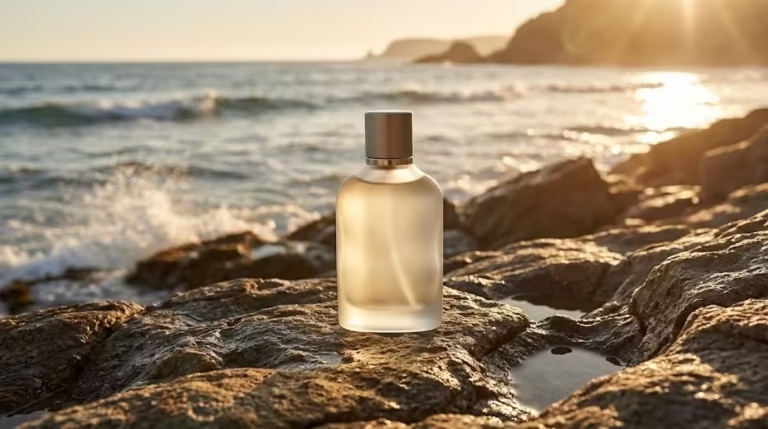
For those who prefer clean, vibrant scents, the blend of Sicilian lemon, crisp green apple, and bamboo remains eternally popular. These are the quintessential summer fragrances that evoke images of Mediterranean coastlines and freshly laundered white linen.
Because citrus top notes are inherently volatile and evaporate quickly, creating long-lasting perfumes similar to popular fragrances in this category is notoriously difficult. The secret lies in the base notes; look for alternatives that anchor their bright citrus openings with sturdy cedarwood or clean white musks.
Red Flags: Spotting Bad Replicas vs. Inspired Originals
As you explore the world of fragrance alternatives, safety and ethics must remain your top priorities. There is a massive difference between a legitimate brand creating an “inspired by” scent and an illegal operation producing counterfeit goods. Never apply a known counterfeit product to your skin.
Legitimate fragrance alternatives are produced by registered companies that adhere to strict cosmetic safety guidelines. For example, reputable brands comply with the standards set by the International Fragrance Association (IFRA), which regulates the safe usage levels of both natural and synthetic ingredients. This ensures the perfume will not cause chemical burns or severe allergic reactions.
Counterfeits, on the other hand, operate outside the law. They steal exact bottle designs, use fake logos, and mix their liquids in unregulated environments using banned or harmful substances. If a deal seems too good to be true and the bottle claims to be the exact designer brand, walk away immediately.
Debunking Common Fragrance Myths
The fragrance community is unfortunately full of misinformation, especially regarding affordable scents. A persistent myth is that expensive perfumes use only pure, natural ingredients, while affordable alternatives are entirely synthetic. In reality, both luxury and accessible perfumes rely on a blend of natural absolutes and synthetic molecules.
Synthetics are often necessary for stability, ethical sourcing (like replacing animal-derived musks), and creating notes that cannot be naturally extracted, such as peach or lily of the valley. To learn more about navigating these misconceptions, check out our guide where we have debunked common perfume myths for modern consumers.
Another common falsehood is that you must rub your wrists together to “activate” the scent. Rubbing actually creates friction and heat, which can prematurely burn off the delicate top notes of your fragrance. Always spray and let the liquid dry down naturally, whether you are wearing a luxury original or an affordable alternative.

Key Takeaways for Fragrance Shopping
Navigating the world of scent twins does not have to be overwhelming. Keep these core principles in mind the next time you are shopping for a new signature scent on a budget:
- Patience is crucial: Never judge a fragrance alternative by the first five minutes. Allow it to sit on your skin for at least an hour to evaluate the heart and base notes.
- Focus on the notes: Use online databases to look up the olfactory pyramid of your favorite expensive scent, and search for affordable options that share the same base and heart ingredients.
- Beware of counterfeits: Always buy from transparent, legally operating brands that boast their own names and packaging, rather than illegal replicas that steal designer logos.
- Test on skin, not paper: Paper blotters do not have body heat or natural oils. A scent that smells identical on paper might pull entirely different once it interacts with your unique skin chemistry.
- Embrace linear scents: Many excellent alternatives do not have complex, shifting phases. If a linear scent smells great from start to finish and lasts all day, it is a worthy addition to your collection.
Conclusion
Finding perfumes similar to popular fragrances is a rewarding endeavor that allows you to expand your olfactory wardrobe without draining your bank account. By focusing on ingredient quality, understanding scent profiles, and avoiding dangerous counterfeits, you can curate a beautiful collection of scents for every occasion. Fragrance is meant to be a joyful, personal expression—not a financial burden.
If you are ready to continue your journey and refine your personal style, we invite you to explore more of our honest, hype-free content. Dive into our latest guides and reviews on Golden Hour to discover beauty rituals that actually work for your lifestyle and budget.
Frequently Asked Questions
Are perfumes similar to popular fragrances legal to buy?
Yes, buying fragrance alternatives from legitimate, independently branded companies is entirely legal. Scents themselves cannot be copyrighted; only the brand names, logos, and distinct bottle designs are legally protected under trademark law.
Do fragrance alternatives last as long as the originals?
Longevity varies widely depending on the brand and the specific ingredients used in the formulation. Many high-quality alternatives actually last just as long—or sometimes even longer—than the original designer perfumes they are inspired by.
Why do some popular perfumes smell different on my skin?
Your unique body chemistry, diet, skin hydration levels, and natural pH can dramatically alter how a perfume smells. This is why a fragrance that smells incredible on your best friend might smell sharp or overly sweet when applied to your own skin.
What is the difference between a dupe and a counterfeit?
A dupe (or alternative) is a legally produced fragrance with its own branding and packaging that happens to smell similar to a popular scent. A counterfeit is an illegal, unregulated fake that actively attempts to deceive you by stealing the original designer’s logos and bottle design.
How can I find the notes of my favorite popular fragrance?
You can easily discover the top, heart, and base notes of any fragrance by looking it up on the brand’s official website. Alternatively, independent fragrance databases like Fragrantica offer comprehensive note breakdowns and user reviews for thousands of scents.
Is it safe to use affordable perfume alternatives?
As long as you are purchasing from a reputable, transparent brand that complies with cosmetic safety regulations, affordable alternatives are perfectly safe. Always avoid mystery liquids sold in unbranded packaging or counterfeit bottles, as they skip vital safety testing.
Can you layer fragrance alternatives with other scents?
Absolutely. Layering is a fantastic way to customize your scent profile and increase longevity. You can easily layer a high-quality fragrance alternative over an unscented body lotion or pair it with a complementary single-note perfume to create a unique signature scent.