Beauty Ingredients Explained: The Ultimate Honest Guide to Decoding Skincare and Cosmetic Formulas
If you have ever stared at a lengthy cosmetic ingredient list and felt like you were trying to read an ancient dead language, you are certainly not alone. With thousands of chemical compounds, botanical extracts, and trademarked complexes dominating product labels, navigating the modern beauty market can feel overwhelming. At Golden Hour, we believe that true self-care begins with absolute transparency, helping you cut through clever marketing to understand what you are actually putting onto your skin.
Beauty ingredients explained means stripping away the exaggerated claims and industry jargon to focus on the science of formulation, concentration, and skin biology. Whether you are building your first routine or refining an advanced regimen, knowing how to read labels empowers you to make confident, budget-smart choices.
Quick answer: Beauty ingredients explained involves looking past front-label marketing to analyze the INCI ingredient list, where components are ranked by concentration. Understanding key actives, vehicle bases, and preservatives helps you identify what addresses your specific skin concerns while avoiding potential irritants or unnecessary fillers.
Understanding the INCI List When Beauty Ingredients Explained
Every cosmetic and skincare product sold legally in major global markets features an ingredient list written in International Nomenclature of Cosmetic Ingredients (INCI) terms. While these Latin-based and chemical names can look intimidating, they follow strict rules that make them predictable once you know the code. For a deeper dive into how overall product formulations are developed and marketed, check out our guide on how to navigate new beauty launches like an expert.
The golden rule of reading an INCI list is order of predominance. Ingredients are listed in descending order by weight, starting with the highest concentration and moving down to the lowest. However, when beauty ingredients explained properly, there is one important nuance to keep in mind regarding percentages in formulation.
Decoding Percentages and Order of Predominance
When looking at an ingredient list, the first three to five components usually make up 80 to 90 percent of the entire formula. These are typically water (Aqua), humectants like glycerin, and emollients or emulsifiers that give the product its texture. Understanding this hierarchy helps prevent common misconceptions about expensive products.
- The 1% Rule: Any ingredient present at a concentration of one percent or less can be listed in any order at the very end of the formula. This means powerful active ingredients like niacinamide, retinol, or botanical extracts often sit below the preservative line, yet remain entirely effective at those fractional percentages.
- Active vs. Base: Do not assume an ingredient near the bottom is ineffective. Potent actives require minute quantities; formulating with 10 percent pure retinol, for instance, would cause severe chemical burns rather than glowing skin.
- Botanical Names: Plant extracts appear by their official botanical binomial nomenclature (genus and species), such as Butyrospermum Parkii for shea butter or Camellia Sinensis for green tea. Knowing a few common botanical terms instantly reveals what is truly inside your bottle.
The Core Categories in Beauty Ingredients Explained
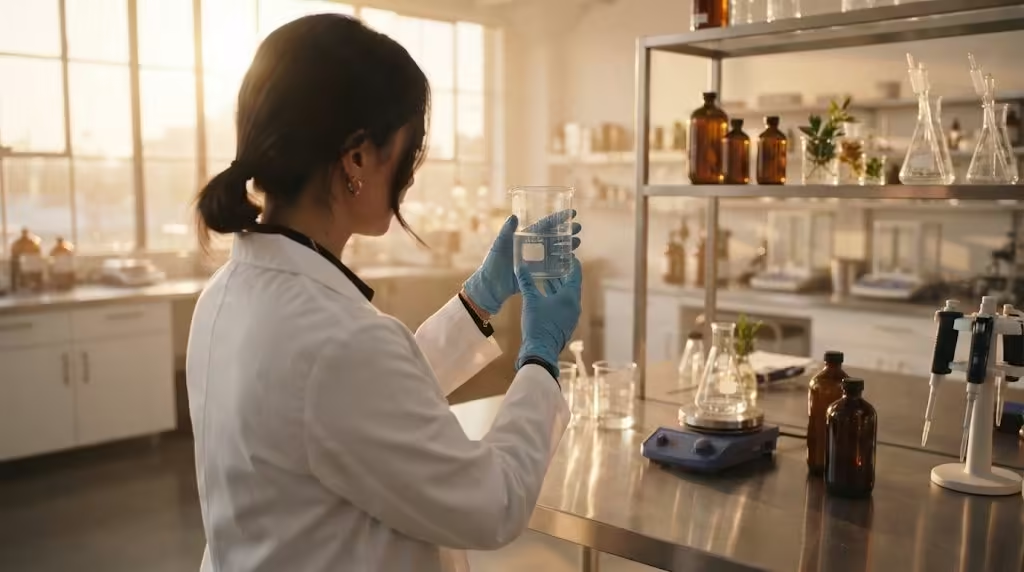
To truly master beauty ingredients explained, it helps to categorize what goes into a bottle. Every serum, cream, or cleanser is built upon a delicate balance of functional categories designed to stabilize, preserve, and deliver active molecules into the epidermis.
Understanding these functional roles prevents you from falling for common marketing tricks that demonize safe, necessary compounds or glorify trendy additives. For broader context on how modern beauty culture views these formulations, explore our analysis on the shift in fragrance and beauty culture.
Vehicles, Humectants, and Occlusives
The base of your skincare product determines how it feels on your skin and how effectively it delivers moisture. Without a proper vehicle, active ingredients cannot penetrate the skin barrier safely or efficiently.
Vehicles
Vehicles are the delivery systems—most commonly water, alcohol, or silicone blends—that suspend active ingredients and allow them to spread evenly across the face. Water-based serums feel lightweight and absorb quickly, while oil-based vehicles provide a rich, protective cushion.
Humectants
Humectants are moisture-binding magnets like glycerin, hyaluronic acid, and panthenol. They draw water molecules from the deeper layers of your skin and the surrounding atmosphere into the outer stratum corneum, keeping your complexion plump and hydrated.
Occlusives and Emollients
Emollients (such as squalane and ceramides) smooth the rough edges between skin cells, while occlusives (like petrolatum and dimethicone) seal the surface to prevent transepidermal water loss. To understand how maintaining this balance protects your skin, read our comprehensive guide on the science of the skin barrier.
Active Ingredients and Their Clinical Realities
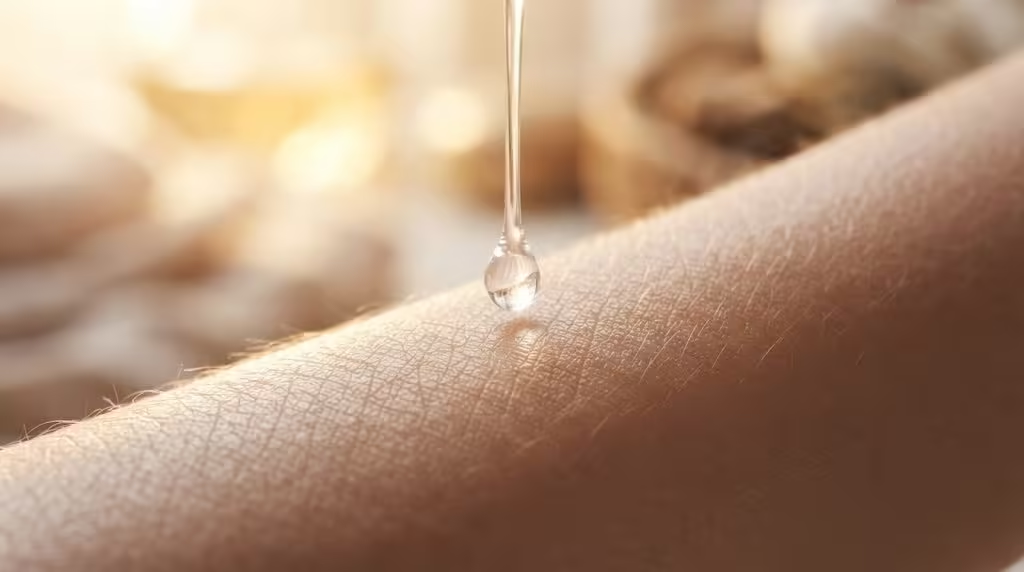
Active ingredients are the workhorses of any skincare routine. They are scientifically proven to target specific concerns such as hyperpigmentation, acne, fine lines, or dehydration. However, more is not always better when dealing with potent chemical messengers.
Let us compare some of the most widely researched active ingredients to understand their ideal use cases, standard concentrations, and potential side effects.
| Ingredient | Primary Benefit | Ideal Concentration | Common Pitfall |
|---|---|---|---|
| Niacinamide (Vitamin B3) | Regulates sebum, brightens tone, reinforces barrier | 2% – 10% | High percentages (above 10%) can sometimes cause flushing in sensitive skin. |
| Hyaluronic Acid | Deep cellular hydration and plumping | 0.5% – 2% | Applying to completely dry air or dry skin in low humidity can draw moisture *out* of skin. |
| Retinol / Retinoids | Accelerates cell turnover, stimulates collagen | 0.01% – 1% | Starting too frequently leads to barrier damage, flaking, and severe irritation. |
| Salicylic Acid (BHA) | Clears pores, exfoliates inside oil glands | 0.5% – 2% | Overusing alongside physical scrubs strips the skin and triggers rebound oil production. |
When selecting active ingredients through beauty ingredients explained insights, always look at your skin type first rather than chasing viral trends. For more guidance on avoiding common misconceptions, visit our breakdown of skincare myths debunked.
The Role of Preservatives and Fragrance in Formulation
One of the most misunderstood areas of cosmetic science is the inclusion of preservatives and fragrance. Clean beauty marketing has often created unnecessary fear around synthetic preservatives, leading consumers to purchase products that spoil rapidly and harbor harmful bacteria.
According to safety organizations such as the Encyclopaedia Britannica overview of cosmetics, preservatives are not just optional additions; they are vital medical safeguards that prevent microbial growth, mold, and pathogenic bacteria from forming inside water-containing formulas.
Navigating Fragrance and Sensitizing Agents
Fragrance—whether synthetic or derived from natural essential oils—is another frequent point of discussion. While beautifully scented products elevate our daily self-care rituals, volatile aromatic compounds are among the most common causes of contact dermatitis.
- Parabens and Alternatives: Phenoxyethanol, ethylhexylglycerin, and traditional parabens serve critical roles in keeping water-based formulas sterile. A product without adequate preservation can become a breeding ground for Staphylococcus and Pseudomonas bacteria within weeks.
- Fragrance Allergens: Regulatory bodies like the International Fragrance Association (IFRA) require brands to list specific potential allergens (such as linalool, limonene, and geraniol) on the label if they exceed certain trace thresholds.
- Unscented vs. Fragrance-Free: Always check the label. “Unscented” often means masking agents have been added to neutralize chemical smells, whereas “fragrance-free” indicates zero masking agents or added perfumes were used in the batch.

Key Takeaways for Smart Cosmetic Shopping
Becoming an informed beauty consumer does not require a degree in chemistry. By keeping a few core principles in mind, you can shop with absolute confidence and protect both your skin and your budget.
- Always Read Past the Front Label: Ignore buzzy marketing claims on the front of the packaging and turn straight to the INCI ingredient list.
- Respect Concentration Limits: High numbers do not guarantee better results; potent actives require careful formulation and low percentages to remain safe.
- Prioritize Preservation Safety: Water-based formulas need effective preservatives to prevent bacterial growth and protect your skin health.
- Patch Test New Actives: Always introduce new active ingredients slowly, testing them on a small patch of skin before full-face application.
We invite you to continue exploring more honest, in-depth Golden Hour guides to refine your beauty routine, understand formulation science, and find products that genuinely work for your lifestyle.
Frequently Asked Questions
What does the order of ingredients on a skincare label mean?
Ingredients are listed in descending order by weight, meaning the components present in the highest quantities appear at the very top of the list, usually led by water and humectants, while active ingredients and preservatives appear toward the bottom.
Why are some active ingredients listed near the bottom of an INCI list?
Potent active ingredients like retinoids, peptides, and pure vitamins are effective at very small percentages. Formulating with high amounts of these powerful compounds would cause severe skin irritation, so they safely sit below the one percent threshold line.
Are synthetic cosmetic preservatives harmful to the skin?
Synthetic preservatives are rigorously tested for safety and play a vital role in preventing harmful bacteria, mold, and fungi from growing in water-based skincare products, protecting your skin from infection and contamination.
What is the difference between fragrance-free and unscented products?
Fragrance-free products contain no added perfumes or masking chemicals whatsoever, whereas unscented products may contain masking agents designed to neutralize the natural chemical odor of the raw ingredients used in the formula.
How can I tell if a beauty product is right for my skin type?
Start by identifying your primary skin concerns and reading the ingredient list for proven supportive actives like ceramides for dry skin or salicylic acid for oily skin, while always checking for known personal irritants.
Why is skin barrier health so important when choosing active ingredients?
Your skin barrier is the outermost protective shield that locks in moisture and keeps out irritants; overloading your routine with too many harsh active ingredients can compromise this barrier, leading to chronic dryness, redness, and sensitivity.