The Ultimate Guide to Choosing Summer Perfumes for Men: Heat-Proof Your Signature Scent
Finding the right summer perfumes for men can feel like an impossible task when temperatures soar and humidity peaks. The intense heat dramatically alters how fragrance behaves on your skin, often turning your favorite rich winter scent into a cloying, overwhelming cloud that offends everyone in the elevator.
You want something that cuts through the thick summer air, smells effortlessly fresh, and doesn’t vanish entirely by your mid-morning coffee break. Quick answer: The best summer fragrances for men rely on volatile, fresh top notes like bergamot, neroli, and marine accords anchored by clean musks or light woods. Because heat evaporates perfume oils much faster, you must choose scent profiles designed to project cleanly rather than densely in high temperatures.
Why Summer Perfumes for Men Need a Completely Different Approach
When the weather warms up, your skin temperature rises, your pores open, and you naturally perspire more. This biological shift acts like an aggressive accelerator for your fragrance.
Perfumes are meticulously constructed using a pyramid of top, heart, and base notes. In cold weather, this pyramid unfolds slowly over many hours, allowing you to enjoy the journey from a spicy opening to a rich, resinous dry-down. In the extreme heat of summer, this delicate structure collapses. The lighter top notes burn off almost immediately, and the heavy base notes—like vanilla, oud, patchouli, or heavy leather—project aggressively, skipping the heart notes entirely.
To master your warm-weather rotation, you need to understand the mechanics of perfume longevity and projection. A fragrance that smells perfectly balanced in a climate-controlled office might become practically suffocating when you step outdoors into July humidity. This is why properly transitioning your collection using a reliable guide to summer beauty and grooming is an essential part of modern personal care.
Furthermore, sebum (your skin’s natural oil) production increases in the summer. Fragrance molecules bind to these natural oils. When combined with sweat, the entire chemical composition of the perfume can distort. What smells like crisp pine on a tester strip might smell sour on your skin after a short walk in the sun.
Top Scent Profiles That Thrive in the Heat
Navigating the sprawling fragrance counter is significantly easier when you know exactly which olfactory families are chemically structured to thrive in high heat. According to exhaustive resources like the Fragrantica scent groups database, certain families naturally resist becoming heavy and cloying.
1. The Luminous Citrus Family
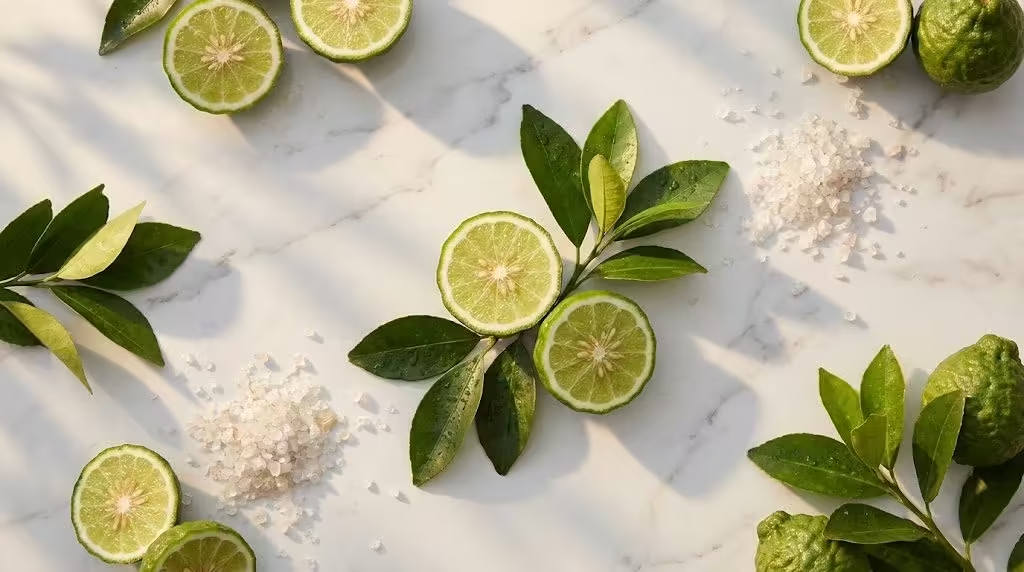
Citrus is the undisputed king of warm-weather perfumery. Notes like Sicilian lemon, Calabrian bergamot, sharp grapefruit, and exotic yuzu provide an immediate, uplifting burst of energy that feels like a cold shower on a scorching day.
Understanding Citrus Volatility
The main drawback of natural citrus oils is their extremely high volatility; the very thing that makes them smell so fresh is what causes them to evaporate quickly. To combat this, modern perfumers do not rely on citrus alone. They anchor these zesty top notes with modern, sheer synthetics like Ambroxan or Iso E Super, which extend the fresh feeling without adding heavy weight.
If you want to understand how these synthetic and natural layers work together to cheat the evaporation process, exploring how fragrance notes are formulated will completely change how you evaluate and shop for scents.
2. The Oceanic and Aquatic Accords
Aquatic fragrances capture the essence of sea salt, bracing ocean breezes, and cool, running water. These scents rose to massive global popularity in the 1990s and remain an absolute staple for high-heat, high-humidity environments across South Asia, the Middle East, and beyond.
The Magic of Calone
They almost universally utilize a synthetic aroma chemical called Calone, which delivers a distinct melon-like, ozonic freshness that genuinely feels cooling on the skin. Modern aquatics have evolved past the pure “shower gel” vibe of the 90s, incorporating photorealistic elements like dried seaweed, driftwood, and crushed mineral salt.
Aquatics are inherently casual and highly projecting, making them the perfect companion for beach days, weekend outdoor wear, or climates where the humidity makes traditional colognes feel sticky and oppressive.
3. The Crisp Green and Vetiver Classics
If you prefer a scent profile that is more sophisticated and grounded than sweet citrus or salty sea water, green fragrances are your best alternative. These compositions feature notes of crushed violet leaves, sharp mint, peppery basil, and most importantly, the superstar of summer perfumery: vetiver.
Why Vetiver Works in the Heat
Vetiver is a complex, perennial grass whose roots are distilled into a fragrant oil. It naturally smells earthy, woody, and slightly smoky, but it maintains a distinctly clean, dry, and astringent profile. In many parts of the world, vetiver (often known as khus) has been used for centuries to cool homes and flavor cold summer drinks.
In perfumery, vetiver performs exceptionally well in the heat without ever becoming heavy, sweet, or cloying. A well-blended vetiver fragrance projects an aura of sharp, professional cleanliness, making it an ideal choice for the summer office or a formal daytime event.
4. The Modern Barbershop (Fougère)
While often associated with older generations, the classic fougère (French for “fern”) is brilliant in the summer. Built on a foundation of bracing lavender, sharp geranium, and oakmoss, these scents mimic the smell of high-end shaving cream and talcum powder.
They offer a different kind of freshness—less “ocean breeze” and more “fresh out of an expensive Italian barbershop.” They cut through humidity with botanical sharpness and provide excellent longevity due to the slightly heavier base notes that are balanced by aromatic herbs.
Comparing Concentrations: EDT vs. EDP in Extreme Heat
There is a persistent, industry-wide myth that you must always buy the highest perfume concentration (Eau de Parfum, Parfum, or Extrait) if you want your fragrance to last all day. In the context of summer heat, this rule requires a significant amount of nuance and re-education.
Because high temperatures naturally amplify the projection and sillage of a fragrance, an Eau de Toilette (EDT) often provides the perfect, harmonious balance of projection and subtlety. EDTs typically contain a higher ratio of alcohol to perfume oil. This alcohol acts as a delivery system, helping to push those fresh citrus, mint, and aquatic notes off your skin and into the air around you.
Conversely, a dense Eau de Parfum (EDP) or Extrait sits much closer to the skin. In the summer, the heavy oils can trap heat, feeling almost sticky or suffocating. You can dive much deeper into this complex dynamic in our comprehensive comparison of Eau de Parfum vs Eau de Toilette.
| Concentration | Oil Percentage | Summer Performance Characteristics | Best Summer Scenarios |
|---|---|---|---|
| Eau Fraîche / Cologne | 1% – 5% | Very short-lived; highly volatile top notes; ultra-refreshing blast. | Post-gym application, morning beach walks, extreme tropical heat. |
| Eau de Toilette (EDT) | 5% – 15% | Excellent airy projection; pushes top notes outward; fades cleanly. | General daytime wear, peak afternoon heat, office environments. |
| Eau de Parfum (EDP) | 15% – 20% | Longer lasting but sits closer to the skin; can feel heavy if over-sprayed. | Cool summer evenings, sunset dinners, air-conditioned dates. |
| Parfum / Extrait | 20% – 40% | Extremely dense; minimal projection in the air; intense skin scent. | Strictly reserved for very cool summer nights or formal evening events. |
Expert Tips for Wearing and Extending Summer Perfumes for Men
Buying a beautifully composed warm-weather fragrance is only half the battle. How you apply it, where you apply it, and how you store the bottle dictates how well it will perform when the temperature spikes.
Mastering the Application Strategy
The heat is the enemy of longevity, but a strategic application routine can force a light summer scent to last for an entire workday.
- Aggressively hydrate your skin: Fragrance evaporates incredibly fast on dry, sun-baked skin. The perfume oils simply have nothing to anchor onto. Apply an unscented, lightweight body lotion immediately after your shower to create a moisturizing barrier that binds to the fragrance.
- Target cooler, alternative pulse points: Most men exclusively spray their neck and jawline. In the summer, these areas become hot and sweaty rapidly, destroying the scent. Instead, apply to your inner elbows, your wrists, your forearms, and even the back of your knees if you are wearing shorts.
- Do not create friction: The age-old habit of spraying your wrists and violently rubbing them together is highly destructive. Friction creates immediate heat, which crushes the delicate molecular structure of citrus and aquatic top notes before you even walk out the front door. Spray and let it dry naturally.
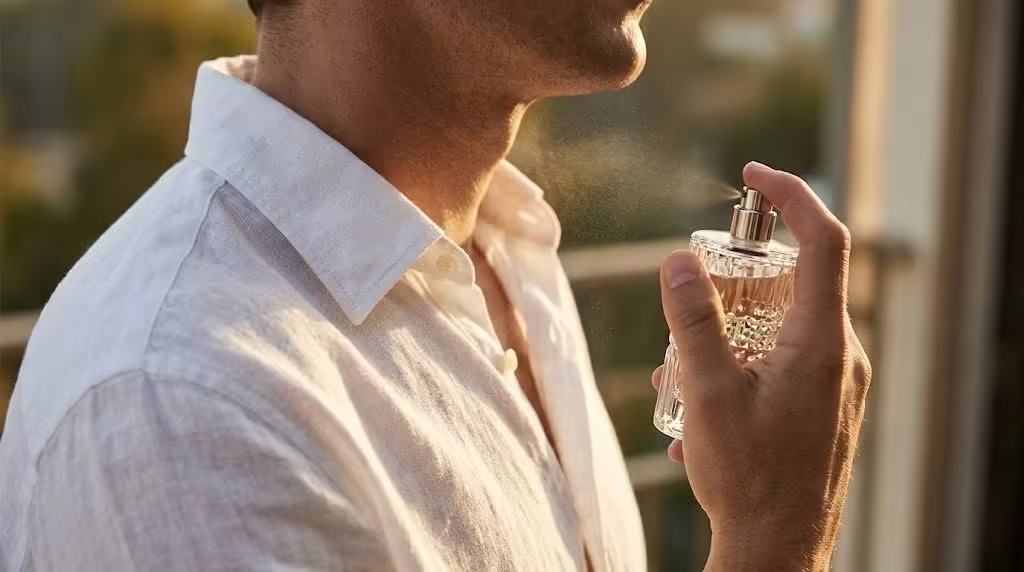
- Utilize your clothing: Cotton and linen do not heat up or sweat the way human skin does. Spraying a light mist on your shirt collar can add hours to the life of a fresh fragrance. Just be cautious with very dark liquids or high-concentration oils, as they can sometimes stain light summer fabrics.
Proper Storage for Fragrance Longevity
Summer fragrances are fragile. The lighter, highly volatile citrus and floral oils used in these compositions are uniquely susceptible to breaking down when exposed to environmental stress.
Heat, humidity, and ultraviolet light degrade fragrance molecules, turning a crisp lemon scent into something that smells like sour celery. Follow the strict preservation guidelines recommended by the International Fragrance Association (IFRA): always store your bottles in a dark, temperature-controlled cupboard or drawer. The humid, fluctuating environment of your bathroom is the absolute worst place to keep your expensive summer collection.
For a complete, step-by-step breakdown on how to build a cohesive, year-round grooming and scent routine, bookmark our foundational ultimate guide to men’s fragrance.

Navigating Humidity Versus Dry Heat
Not all summer heat is created equal, and your fragrance choice should adapt to your specific regional climate.
In highly humid environments (like Southeast Asia, the Gulf coast of the US, or coastal Middle Eastern cities), the air is already saturated with moisture. Fragrance becomes trapped in this heavy air, projecting aggressively and hanging around you like a dense cloud. In humidity, you must stick to the driest, sharpest scents possible: crisp vetiver, bitter grapefruit, and dry cedarwood. Avoid anything with sweet amber, heavy vanilla, or thick resins.
In dry heat (like Arizona, Southern California, or inland desert regions), the lack of moisture in the air means fragrances do not project as fiercely, but the intense heat still evaporates them quickly. In a dry climate, you can get away with slightly sweeter, fruitier notes like fig, mandarin, or even subtle tropical coconut, as the dry air prevents them from becoming cloying.
Key Takeaways for Summer Fragrance Mastery
- Acknowledge the evaporation rate: High heat rapidly accelerates the evaporation of perfume oils. Choose lighter scent profiles like citrus, aquatic, and green notes that project a clean aura without becoming thick and cloying.
- Concentration matters more than ever: Don’t blindly buy an EDP for longevity. An Eau de Toilette (EDT) is often better suited for high summer heat because its higher alcohol content diffuses fresh notes perfectly.
- Application technique is everything: Hydrate your skin thoroughly with an unscented lotion first, and spray on cooler pulse points (like inner elbows) to significantly extend the life of highly volatile fresh fragrances.
- Adapt to your local climate: Wear dry, sharp, bitter scents in high humidity, and reserve slightly fruitier, sweeter summer scents for dry desert heat.
- Put away the heavy hitters: Temporarily retire your dense vanilla, heavy leather, and thick amber winter fragrances until the crisp autumn weather returns.
Explore More from Golden Hour
If you’re looking to refine your personal care and grooming routine even further, we have you covered. Whether you’re searching for the perfect cold-weather contrast to your summer rotation, or you simply want to understand exactly what goes into your skincare formulations, our honest, hype-free guides are designed to help you buy better and waste less money. Take a moment to explore our other resources and build a grooming routine that truly works for your specific lifestyle and body chemistry.
Frequently Asked Questions
Do summer perfumes expire faster than winter colognes?
Yes, if they are not stored correctly. The lighter, highly volatile citrus and floral oils used in summer fragrances are inherently more fragile and susceptible to breaking down from heat, humidity, and UV light exposure. Always keep your summer bottles in a cool, dark, temperature-stable drawer away from direct sunlight.
Can I wear my favorite winter cologne in the summer?
It is generally highly discouraged to wear heavy winter colognes during peak summer heat. High daytime temperatures will cause dense base notes like leather, oud, vanilla, and heavy spices to project aggressively, which quickly becomes suffocating to you and those around you. Save them for cool, heavily air-conditioned environments.
How many sprays of cologne should I use in extreme heat?
In hot weather, less is almost always more. Start with two to three sprays applied to cooler pulse points like the inner elbows and the back of the neck. Because the ambient heat naturally amplifies the projection and sillage of your fragrance, over-spraying can easily overwhelm a small room or office.
Why does my summer fragrance disappear so quickly?
Summer fragrances are intentionally built on fresh, lightweight top notes like citrus, mint, and marine accords. These natural ingredients possess smaller molecular structures that evaporate rapidly. Combined with increased body heat and heavy perspiration, these delicate scents simply burn off the skin faster than heavy, resinous winter fragrances.
What exactly is an aquatic fragrance?
An aquatic fragrance is a specialized scent category designed to accurately evoke the smell of water, sea salt, driftwood, and fresh ocean air. They typically utilize a synthetic aroma chemical called Calone to create a crisp, cooling, and slightly ozonic effect that feels incredibly refreshing and clean in hot, humid weather.
Should I spray cologne directly on my clothes in the summer?
Spraying a light, even mist on your clothes can significantly help a volatile summer fragrance last longer, as fabric doesn’t heat up, produce oil, or sweat like your skin does. However, always be cautious with high-concentration perfumes or dark-colored liquids, as they can permanently stain crisp white linen or light cotton summer shirts.
Are “sport” fragrances actually better for hot weather?
Usually, yes. Fragrances labeled as “Sport” flankers are specifically reformulated by the brand to include higher doses of fresh citrus, ginger, mint, or aquatic notes while severely dialing back the heavy woods or sweet vanillas of the original. They are explicitly designed to smell clean when mixed with sweat.
Does sweat ruin the smell of my perfume?
Sweat itself doesn’t ruin the fragrance, but the natural bacteria on your skin reacting with the sweat can distort the scent. Additionally, heavy sweating literally washes the perfume oils away. Applying fragrance to clean skin and utilizing clothing sprays are the best ways to combat heavy summer perspiration.