Spring Beauty How to Transition Your Routine for Warmer Weather
As the final frost melts away and daylight stretches further into the evening, the shift into spring signals a time of renewal. But while you might be quick to swap your heavy wool coats for lighter fabrics, your beauty and grooming routines require a similar, thoughtful transition. Spring beauty is not merely about embracing brighter lipstick shades or floral perfumes; it is a necessary adaptation to changing environmental factors.
Rising temperatures, fluctuating humidity levels, and increased UV exposure directly impact how your skin behaves, how your makeup wears, and how your fragrance projects. The rich, occlusive creams that saved your skin barrier in January can quickly lead to congestion in April. Similarly, the heavy, spicy fragrance that felt cozy by the fire may feel overpowering on a warm, breezy afternoon.
Understanding how to navigate this transition ensures your skin remains balanced, your makeup looks fresh, and your signature scent perfectly matches the season. Here is your comprehensive guide to adapting your beauty routine as winter turns to spring.
What Is Spring Beauty?
Spring beauty encompasses the specific adjustments made to your skincare, makeup, hair care, body care, and fragrance routines to accommodate warmer weather and increased humidity. It focuses on shedding the heavy, protective layers required during winter in favor of lightweight, breathable, and protective formulations.
The core philosophy of a spring beauty routine is balance. You are guiding your skin out of a state of winter dehydration while preventing the excess oil production that often accompanies rising temperatures. It is a season of gentle exfoliation, sheer coverage, and fresh, uplifting scents.
Why Should You Change Your Beauty Routine for Spring?
Your skin is a dynamic organ that reacts constantly to its environment. During winter, cold air holds very little moisture, and indoor heating further strips the skin, leading to a compromised skin barrier and increased transepidermal water loss (TEWL). To combat this, winter routines rely on heavy emollients and occlusives.
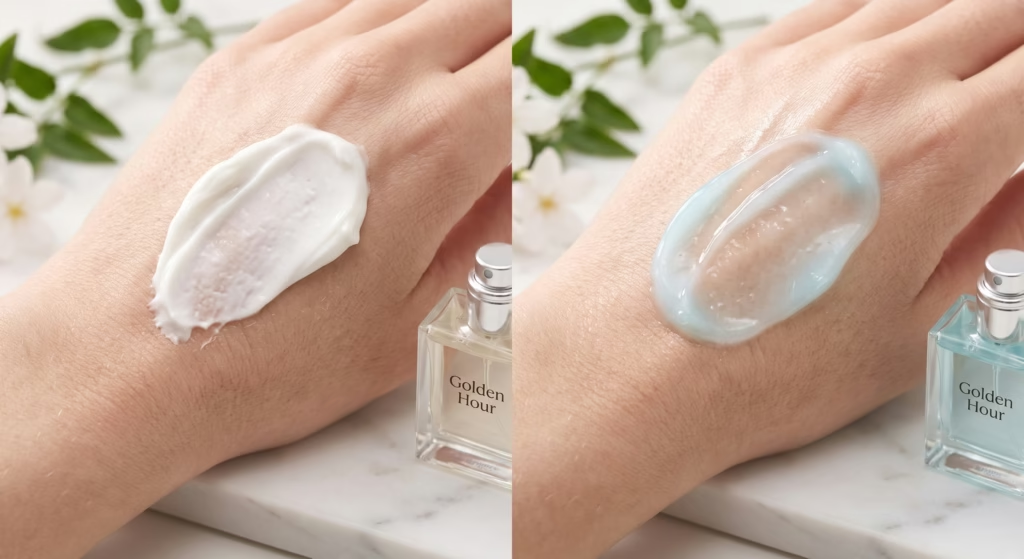
When spring arrives, humidity levels generally rise. The air naturally contains more water, meaning your skin does not need the same heavy sealants to stay hydrated. Continuing to use thick, winter-grade products in warmer weather traps sweat, sebum, and dead skin cells, leading to clogged pores, breakouts, and a heavy, greasy feeling. Additionally, as UV index levels climb, your approach to sun protection and exfoliation must adapt to prevent sun damage and hyperpigmentation.
How to Transition From Winter to Spring Beauty
The transition from winter to spring beauty should be gradual. Abruptly changing every product in your cabinet can shock your skin, leading to irritation or breakouts.
What to Change in Your Skincare Routine
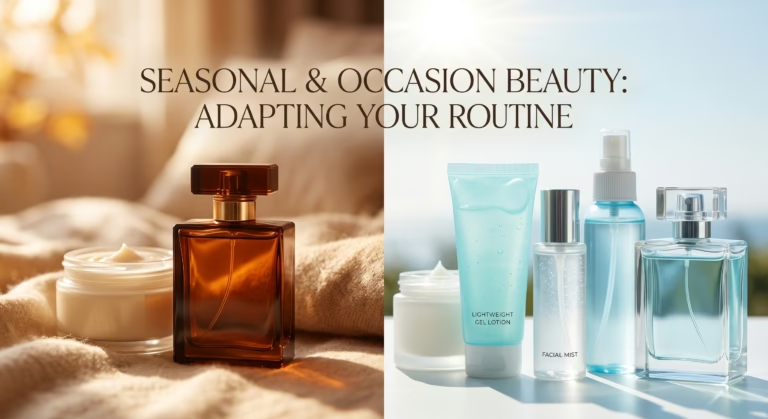
Focus on shifting product textures. Swap cream-based cleansers for gentle gels, and trade heavy moisturizers for lightweight lotions or water-based gel creams. You should also re-evaluate your exfoliation frequency, as skin naturally sheds cells slightly faster in warmer weather.
What Can Stay the Same?
Your core active ingredients such as Vitamin C, niacinamide, and hyaluronic acid remain beneficial year-round. Similarly, a broad-spectrum SPF is non-negotiable, though you may prefer a lighter, less greasy formulation for the spring and summer months.
Spring Skincare Routine
Building a spring skincare routine is about maximizing hydration while minimizing weight. Here is how to adjust each step of your daily regimen.
Cleansing
Winter cleansing often involves milky or oil-based formulas designed to deposit moisture. In spring, as sweat and sebum production increase, you need a cleanser that effectively removes impurities without stripping the skin. Opt for a gentle, sulfate-free gel cleanser or a lightweight foaming wash. If you wear makeup or sunscreen, a double-cleansing routine starting with a cleansing balm or micellar water followed by a water-based cleanser remains the most effective way to keep pores clear.
Hydration and Moisturization
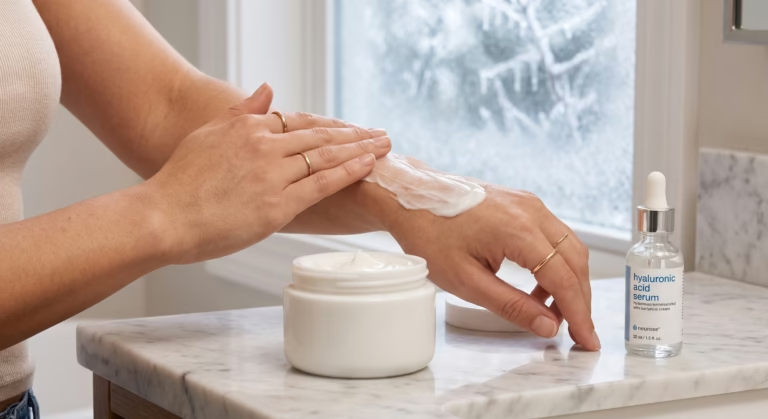
Hydration (water) and moisturization (oil) are different. In spring, your skin still desperately needs hydration, but it requires less oil. Look for serums rich in humectants like hyaluronic acid, glycerin, and panthenol, which draw moisture from the increasingly humid air into your skin. Follow this with a lightweight gel-cream or lotion moisturizer that seals in the hydration without leaving a suffocating film on the surface.
Exfoliation
After months of battling dry, flaky winter skin, gentle exfoliation is key to revealing a brighter, smoother complexion. Chemical exfoliants, such as Alpha Hydroxy Acids (AHAs like glycolic or lactic acid) and Beta Hydroxy Acids (BHAs like salicylic acid), are excellent for sloughing away dead skin cells and keeping pores clear. However, because AHAs can increase photosensitivity, it is crucial to use them primarily in your evening routine and be diligent with sun protection during the day.
SPF and Sun Protection
While SPF is a daily requirement year-round, spring marks a significant increase in UV index. Ensure you are using a broad-spectrum sunscreen with an SPF of 30 or higher. Modern formulations offer elegant, lightweight textures that sit beautifully under makeup. If your winter sunscreen feels too heavy or leaves a greasy cast, explore fluid or water-based SPF options designed for warmer weather.
Lip, Hand, and Body Care
Do not neglect the skin below your neck. Transition from thick body butters to lighter body lotions or fast-absorbing body oils applied directly to damp skin after a shower. For lips, swap heavy, occlusive balms for hydrating treatments or lip oils that offer a glossy, comfortable finish.
Spring Makeup Tips
Spring makeup is inherently fresh, radiant, and effortless. The goal is to enhance your natural features rather than masking them under heavy layers.
Lightweight Base Makeup
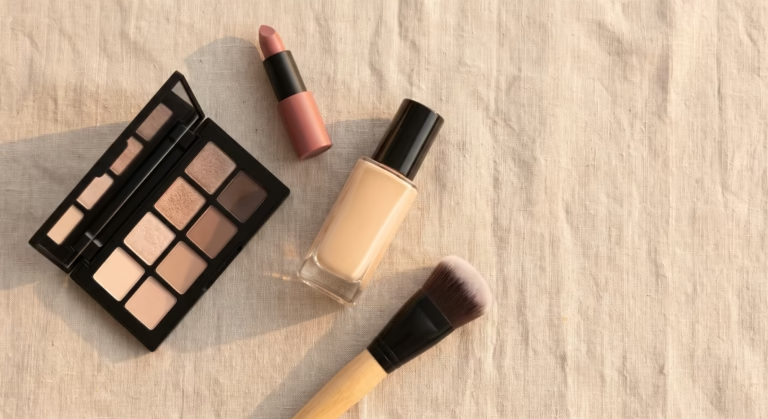
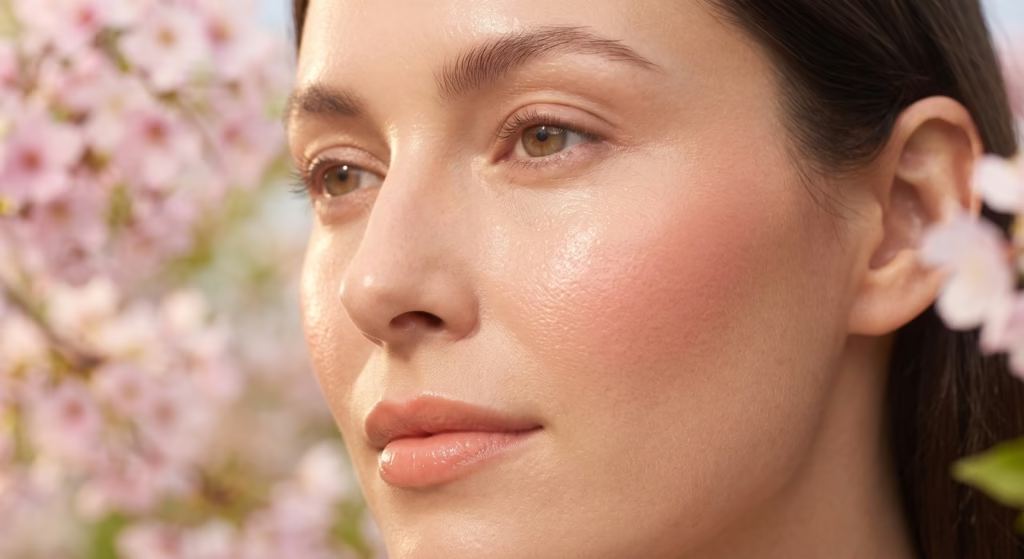
Retire your full-coverage, matte winter foundations. Spring is the season for skin tints, BB creams, tinted moisturizers, and lightweight serum foundations. These formulations allow your natural skin texture to show through while evening out your complexion. If you need more coverage in specific areas, use a high-coverage concealer precisely where needed rather than applying a heavy foundation all over.
Blush and Complexion
Nothing says spring quite like a healthy, flushed complexion. Transition from powder blushes to cream or liquid formulas. Cream blushes melt seamlessly into the skin, providing a dewy, lit-from-within glow that mimics a natural flush. Peach, coral, and soft pink are quintessential spring shades that enliven the face.
Spring Lip Colors
Move away from the deep burgundies and heavy matte liquid lipsticks of winter. Spring calls for sheer lipsticks, tinted lip balms, lip oils, and glosses. Shades of soft rose, vibrant coral, and sheer berry offer a pop of color without feeling overly formal or heavy.
Eye Makeup
Spring eye makeup often leans softer and more playful. Swap stark black eyeliner for softer brown or plum shades. For eyeshadow, embrace soft pastels, warm bronzes, or simply a wash of a single, luminous cream shadow across the lid. Waterproof mascara may also become a necessity as humidity rises and seasonal allergies cause watery eyes.
Makeup for Changing Weather
To ensure your makeup lasts through spring showers and warmer afternoons, prep your skin with a gripping or hydrating primer, depending on your skin type. Setting sprays become invaluable during this season, locking your makeup in place without the heavy, cakey look that setting powders can sometimes create.
Spring Hair Care
Changes in humidity and temperature require a shift in how you wash, treat, and style your hair.
Managing Frizz and Humidity
As moisture returns to the air, frizz becomes a primary concern for many hair types. Incorporate lightweight, anti-humidity serums or leave-in conditioners that seal the hair cuticle without weighing it down. Avoid heavy oils that can make hair look greasy in the heat.
Keeping Hair Hydrated
While the air is more humid, increased sun exposure and outdoor activities can dry out your hair. Use a hydrating hair mask once a week to maintain elasticity and shine. If you heat-style frequently, a lightweight heat protectant is essential to prevent damage.
Spring Scalp Care
A healthy scalp is the foundation of healthy hair. Increased sweating and sebum production in spring can lead to buildup. Consider incorporating a gentle scalp scrub or a clarifying shampoo into your routine every couple of weeks to remove product residue, sweat, and excess oil, ensuring your hair follicles remain clear.
Spring Fragrance Guide
Fragrance behaves differently depending on the temperature and humidity. Heat amplifies scent, causing the alcohol to evaporate faster and the notes to project more strongly. A fragrance that feels perfectly balanced in December can easily become overwhelming in May.
What Fragrance Notes Work Well in Spring?
Spring is synonymous with rebirth and vitality, and fragrance profiles should reflect this energy. Transition away from heavy amber, vanilla, and dense oud notes. Instead, embrace lighter, more volatile scent families.
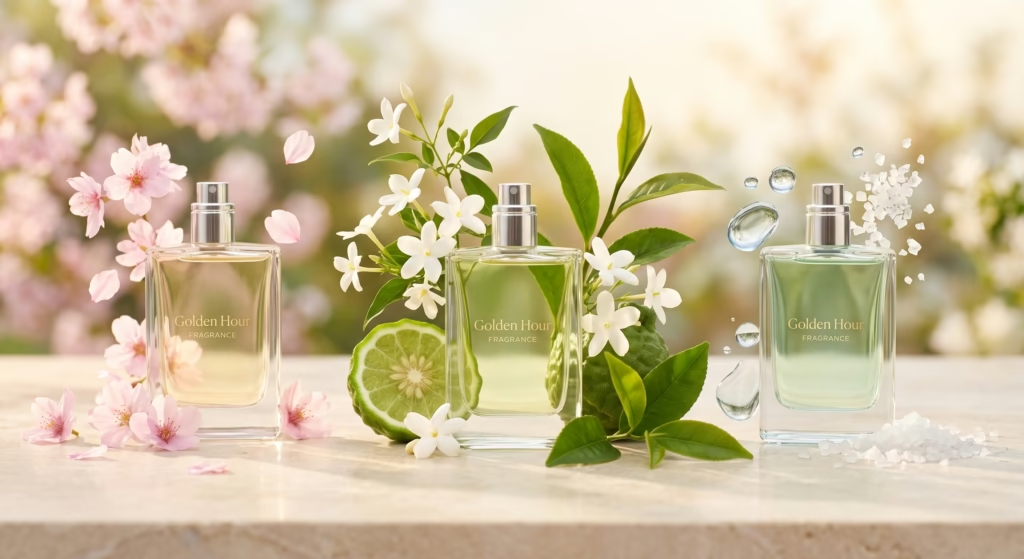
- Floral: Soft, blooming notes like peony, cherry blossom, lily of the valley, and freesia are classic spring staples. They offer a fresh, romantic aura.
- Citrus: Bergamot, grapefruit, lemon, and mandarin provide an instant burst of uplifting energy. Citrus notes are highly volatile, making them perfect for a refreshing spring opening.
- Green: Notes of crushed leaves, green tea, galbanum, and mint evoke the smell of fresh-cut grass and new foliage, offering a crisp, clean scent profile.
- Aquatic: Marine notes, sea salt, and watery accords capture the essence of spring showers and fresh breezes, providing a cooling effect on the skin.
- Fruity: Crisp pear, peach, and fig add a subtle, juicy sweetness without the cloying heaviness of gourmand notes.
- Woody and Musky Profiles: While heavy woods belong in winter, sheer cedarwood, vetiver, and clean white musks act as excellent, skin-like base notes that ground spring fragrances without weighing them down.
Spring Fragrance for Daytime
Daytime spring fragrances should be luminous and unobtrusive. Opt for Eau de Toilette (EDT) concentrations, which are generally lighter than Eau de Parfum (EDP). A crisp green floral or a vibrant citrus-aromatic blend is perfect for weekend brunches, outdoor walks, or casual daytime wear.
Spring Fragrance for Evening
As the sun sets and temperatures dip slightly, you can wear slightly more complex scents. Look for white florals like jasmine or tuberose anchored by a soft sandalwood or musk base. These provide elegance and depth for spring evenings without venturing into heavy winter territory.
Office-Friendly Spring Fragrance
When selecting a fragrance for the workplace during spring, prioritize scents that sit close to the skin. Clean, soapy musks, soft green teas, and subtle aquatic florals are ideal. They convey a sense of grooming and freshness without projecting across the room and overwhelming your colleagues.
How to Apply Fragrance in Warmer Weather
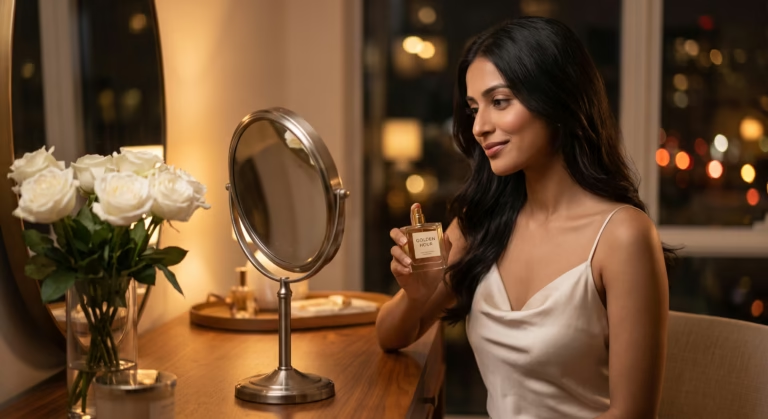
Because heat amplifies fragrance, apply with a lighter hand. Instead of spraying directly onto your chest or neck, try misting the air and walking through it, or apply to cooler pulse points like your wrists and the inside of your elbows. You can also spray a little on your clothing or hair (using a hair mist) to make the scent last longer without reacting heavily to your body heat.
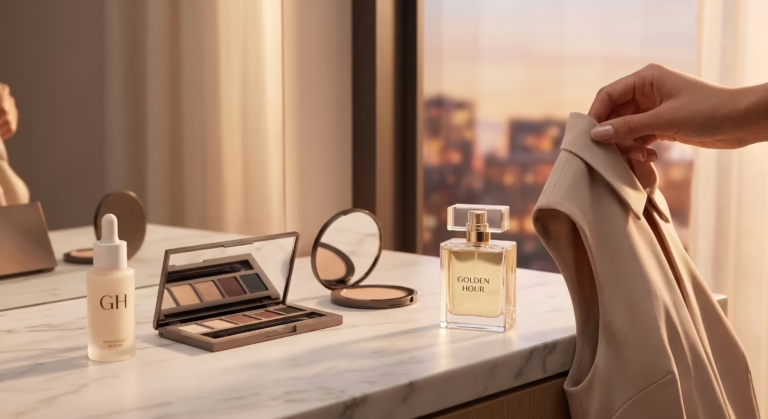
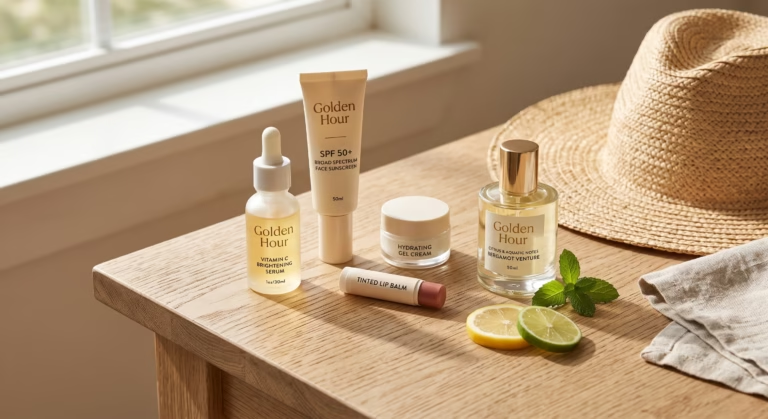
Explore Golden Hour’s collection to discover fresh, seasonal fragrance profiles designed for warmer weather.
Spring Beauty Essentials
To simplify your transition, here is a framework for your daily spring routines.
Simple Morning Spring Beauty Routine
- Cleanse: Gentle gel or water-based cleanser.
- Treat: Antioxidant serum (like Vitamin C) to protect against environmental stressors.
- Hydrate: Lightweight, hyaluronic acid-based serum or gel moisturizer.
- Protect: Broad-spectrum SPF 30+ in a fluid or lightweight formula.
- Enhance: Tinted moisturizer, cream blush, and a sheer lip oil.
- Scent: A spritz of a fresh citrus or green floral fragrance.
Simple Evening Spring Beauty Routine
- Double Cleanse: Cleansing balm followed by a gentle gel cleanser.
- Exfoliate: Liquid AHA/BHA exfoliant (2–3 times a week).
- Treat: Targeted serums for specific concerns (e.g., niacinamide for oil control).
- Moisturize: A breathable lotion or night cream to support the skin barrier while you sleep.
Spring Beauty Tips for Different Climates and Skin Types
Spring weather is not universal. How you adapt your routine depends heavily on where you live and your unique skin type.
- For Humid Climates: If your spring is instantly hot and sticky, skip traditional moisturizers in the morning entirely. Let your hydrating SPF act as your moisturizer. Opt for oil-free makeup and robust setting sprays.
- For Arid, Dry Climates: If your spring brings dry, windy weather, you still need significant moisture. Transition to lighter textures, but layer them. Use a hydrating essence, followed by a serum, and lock it in with a ceramide-rich lotion.
- For Oily Skin: Spring can trigger excess sebum. Incorporate niacinamide into your routine to help regulate oil production, and ensure your SPF has a matte or natural finish.
- For Dry/Sensitive Skin: Be cautious with spring exfoliation. Your skin barrier may still be recovering from winter. Stick to gentle PHAs (Polyhydroxy Acids) and prioritize soothing ingredients like centella asiatica and colloidal oatmeal.
Common Spring Beauty Mistakes
- Ditching Moisturizer Completely: Even if your skin feels oilier, it still needs hydration. Skipping moisturizer causes the skin to overcompensate by producing more oil.
- Using Last Year’s Sunscreen: SPF expires and loses its efficacy. Spring is the perfect time to purchase a fresh bottle of sunscreen to ensure you are fully protected.
- Over-Exfoliating: In a rush to get “glowing” skin, many people overuse harsh scrubs and potent acids. Stick to chemical exfoliants a few times a week to avoid compromising your skin barrier.
- Wearing Heavy Winter Perfumes: Wearing a dense amber fragrance in 75-degree weather can cause headaches for you and those around you. Rotate your fragrance wardrobe just as you do your clothing.
Spring Beauty Travel Tips
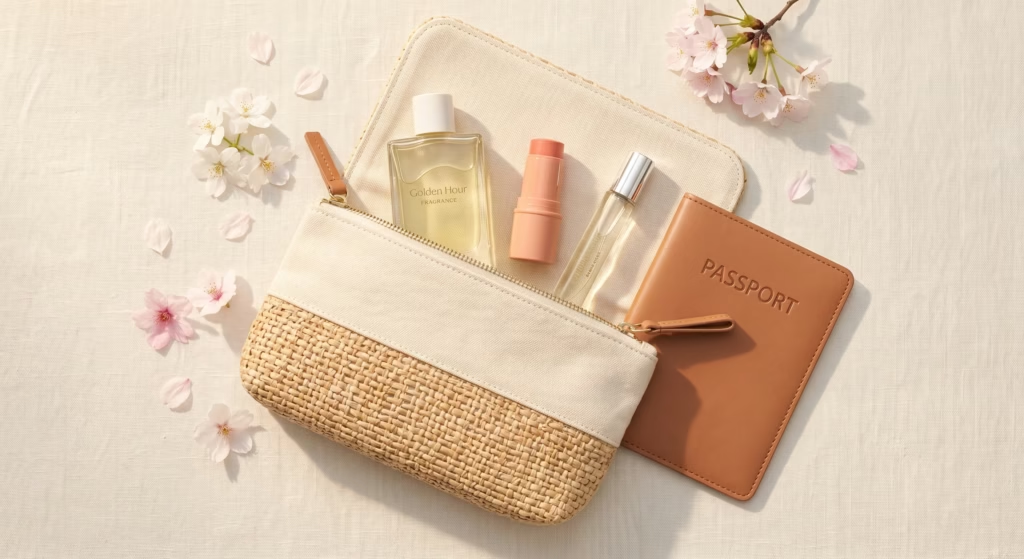
Spring is a popular time for weekend getaways and holidays. When traveling, always decant your skincare into travel-sized containers to save space. Prioritize multi-use products, such as a lip-and-cheek tint, to streamline your makeup bag. Pack a hydrating facial mist to revive your skin after flights, and bring a rollerball or travel spray of your favorite spring fragrance to freshen up on the go.
Embracing Your Spring Beauty Journey
Transitioning your beauty routine for spring does not require overhauling your entire cabinet. By making thoughtful, strategic swaps opting for lighter textures, prioritizing hydration over heavy oils, embracing sheer makeup, and rotating your fragrances to reflect the season’s lighter mood you allow your skin and style to adapt harmoniously to the changing environment. Listen to what your skin needs, pay attention to the climate around you, and step into the new season looking and feeling completely refreshed.
SPRING BEAUTY FAQ SECTION
When should I start my spring beauty routine?
You should start transitioning your beauty routine when the weather consistently begins to warm up and humidity levels rise. Rather than changing everything on a specific date, gradually swap out heavy winter products for lighter formulations as your skin starts feeling oilier or more congested.
How do I transition my skincare from winter to spring?
Transition your skincare by shifting textures. Swap heavy cleansing balms and thick creams for gentle gel cleansers, hydrating serums, and lightweight gel-based moisturizers. Maintain your active ingredients and ensure you are using a broad-spectrum SPF daily.
What is a good spring beauty routine for dry skin?
For dry skin in spring, focus on layering lightweight hydration. Use a milky or gentle gel cleanser, apply a hydrating essence or hyaluronic acid serum on damp skin, and seal it with a ceramide-rich, breathable lotion instead of a heavy winter ointment.
Why does my skin break out in the spring?
Spring breakouts often occur because rising temperatures and humidity increase sweat and sebum production. If you continue using heavy, occlusive winter moisturizers in warmer weather, they can trap this excess oil and dead skin cells, leading to clogged pores.
How do I choose a perfume for spring?
Choose a spring perfume by looking for lighter, more volatile scent families. Opt for notes of fresh citrus, soft florals, green leaves, or aquatic accords. Choose Eau de Toilette (EDT) concentrations, which project beautifully in warmer weather without becoming heavy or cloying.
Can I use the same foundation in spring as in winter?
You can, but it may feel too heavy or look cakey as humidity rises. It is generally recommended to swap full-coverage, matte winter foundations for lightweight skin tints, BB creams, or sheer serum foundations for a fresh, breathable finish in the spring.
How can I adapt my makeup for spring weather?
Adapt your makeup by prioritizing longevity and lightweight layers. Use a gripping or hydrating primer, switch to cream or liquid blushes for a natural flush, and use a lightweight setting spray to lock makeup in place without relying on heavy setting powders that can cake in humidity.
Do I need to wear sunscreen in the spring?
Yes, wearing a broad-spectrum SPF 30 or higher is essential in the spring. UV index levels rise significantly during this season, increasing the risk of sun damage, premature aging, and hyperpigmentation, making daily sun protection non-negotiable.