The Science of the Skin Barrier How a Biological Function Became a Global Beauty Movement
For decades, the beauty industry was defined by a singular, aggressive philosophy: correction. We were taught to scrub, peel, resurface, and strip our Skin Barrier in pursuit of an unattainable, poreless perfection. But over the last few years, a profound cultural and scientific shift has occurred. The conversation has moved from aggressive correction to gentle protection. At the center of this movement is a term that was once confined to dermatology clinics but now dominates social media feeds and product labels worldwide: the Skin Barrier.
This is not merely a passing phase. The rise of barrier-focused skincare represents a fascinating intersection of beauty science, changing consumer trends, and a broader cultural shift toward self-care, preservation, and scientific literacy.
But as with any viral beauty movement, the line between established scientific evidence and clever marketing can easily blur. What exactly is the skin barrier? How do you know if you’ve actually damaged it? And which of the countless viral trends from “slugging” to “skin cycling” are genuinely backed by dermatological science?
Let’s dismantle the hype, examine the evidence, and explore the science, trends, and culture defining modern skincare.
From Correction to Protection: The Cultural Shift in Beauty
To understand why the skin barrier is the defining beauty concept of the 2020s, we have to look at the culture that preceded it.
The 2010s Exfoliation Era vs. The 2020s Healing Era
In the early to mid-2010s, Western beauty culture was heavily focused on instant gratification and visible resurfacing. The prevailing belief was that if a product was tingling, stinging, or physically scrubbing the skin, it was “working.” Consumers routinely layered abrasive physical scrubs with high-percentage chemical exfoliants (AHAs and BHAs) and potent retinoids. The result was a widespread epidemic of sensitized, inflamed, and compromised skin.
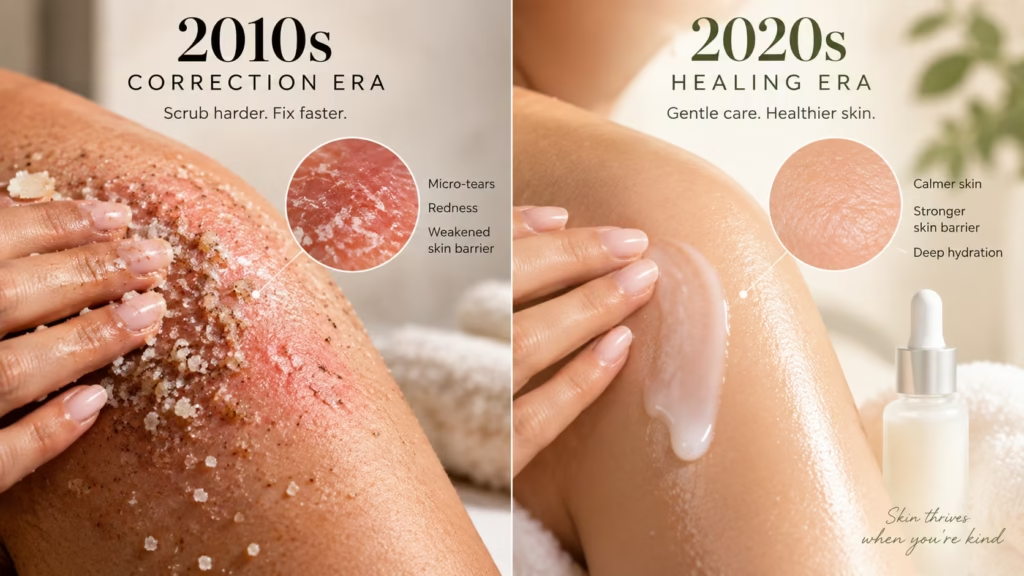
The pendulum began to swing as consumers experiencing the negative effects of this aggressive approach started seeking relief. The collective realization that “squeaky clean” actually meant “stripped and vulnerable” led to a fundamental change in consumer behavior. We moved away from the idea of skin as something to be battled and conquered, toward viewing it as a living ecosystem that needs to be supported and fed.
The Influence of Global Beauty Traditions
This cultural pivot was heavily accelerated by the globalization of beauty trends, particularly the influence of South Korean skincare (K-Beauty). Long before the West abandoned its harsh astringents, Korean beauty traditions emphasized deep hydration, gentle layering, and the preservation of the skin’s natural moisture barrier. The introduction of essences, centella asiatica (cica), and multi-step hydration routines into the Western market provided consumers with the exact tools they needed to heal the damage caused by years of over-exfoliation.
Today, this intersection of global beauty traditions and modern clinical science has created a new standard: healthy skin is hydrated, resilient, and structurally sound.
What Exactly is the Skin Barrier Repair? The Science Explained
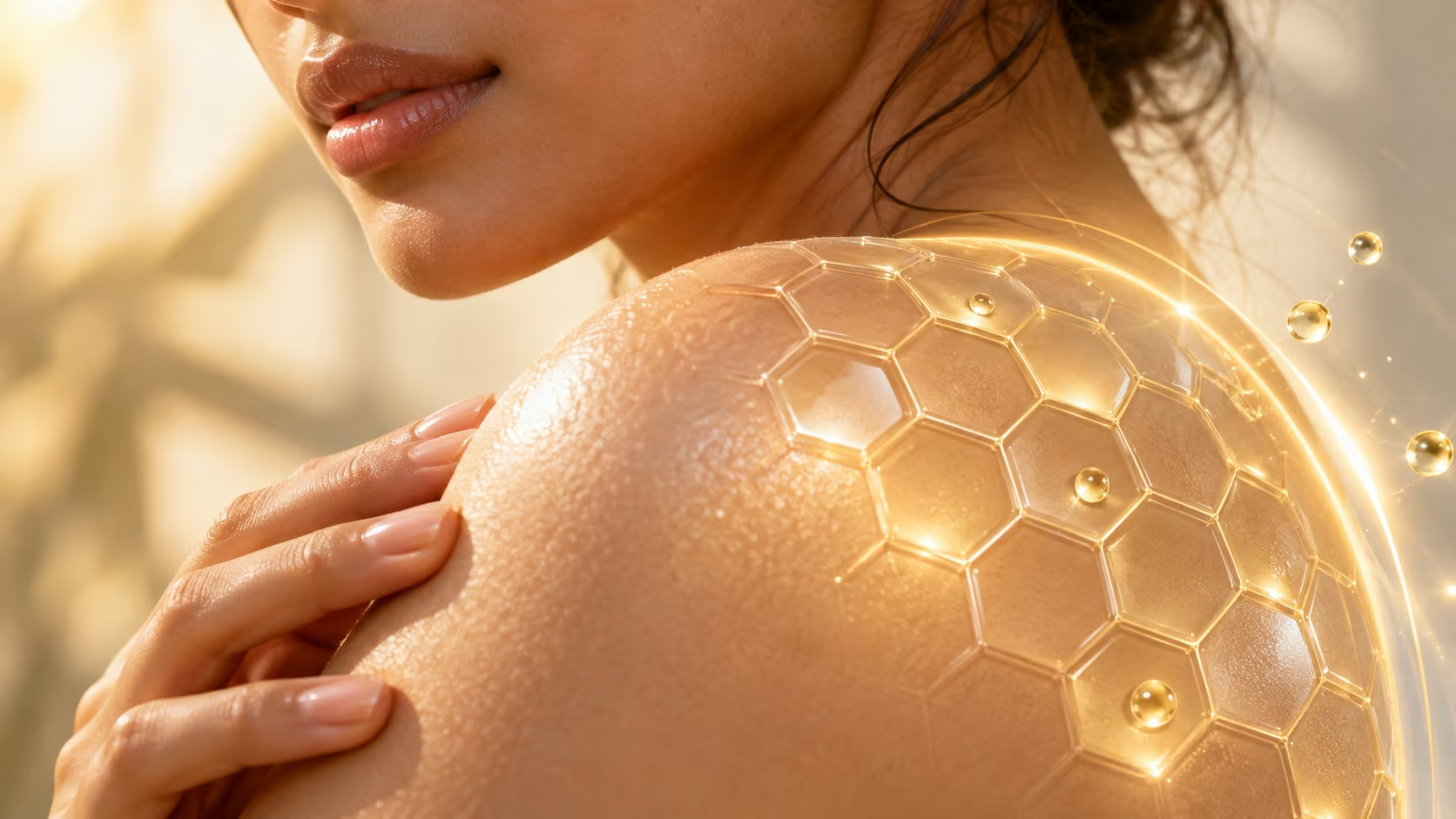
When brands and creators talk about the “skin barrier,” they are usually referring to the stratum corneum the outermost layer of the epidermis. Understanding how it functions is crucial to understanding why certain products work and others cause irritation.
The Brick and Mortar Analogy
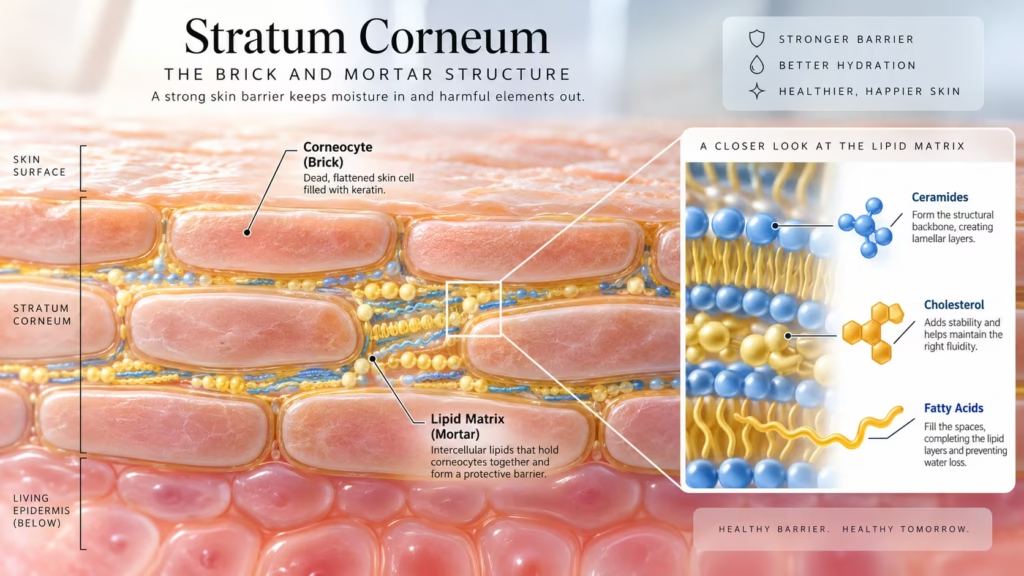
In dermatological science, the stratum corneum is frequently described using a “brick and mortar” analogy.
- The Bricks: These are the corneocytes tough, dead Skin Barrier cells packed with keratin and natural moisturizing factors (NMFs). They provide the physical structure.
- The Mortar: This is the lipid matrix, a highly organized mixture of naturally occurring fats that surrounds the cells. This matrix is primarily composed of ceramides (about 50%), cholesterol (about 25%), and free fatty acids (about 10 to 15%).
When the bricks and mortar are intact, your Skin Barrier acts as a highly effective security system. It keeps the good things in (water) and the bad things out (pathogens, allergens, and environmental irritants).
The Role of Transepidermal Water Loss (TEWL)
In cosmetic science, the health of the barrier is often measured by observing Transepidermal Water Loss (TEWL). TEWL is the process by which water passively evaporates through the skin into the external environment.
A healthy, intact lipid matrix severely limits TEWL, keeping the skin plump and hydrated. When the barrier is compromised—whether by harsh weather, over-cleansing, or genetic factors—TEWL increases dramatically. This rapid loss of water is what causes the skin to feel tight, look dull, and become easily irritated.
The Acid Mantle and the Microbiome
The physical barrier is supported by two invisible defensive layers:
- The Acid Mantle: A very fine, slightly acidic film on the surface of the skin (usually sitting at a pH between 4.5 and 5.5). This acidity is hostile to harmful bacteria and crucial for the skin’s natural enzymes to function properly. Cleansing with harsh, alkaline soaps disrupts this mantle.
- The Microbiome: The diverse community of beneficial bacteria, fungi, and viruses that live on the skin’s surface. Emerging evidence suggests that a balanced microbiome helps regulate inflammation and defend against pathogens.
How to Tell if Your Skin Barrier is Compromised
Because “barrier repair” is a highly marketed term, many consumers assume their barrier is damaged at the first sign of a breakout. However, a compromised barrier presents with specific clinical signs.
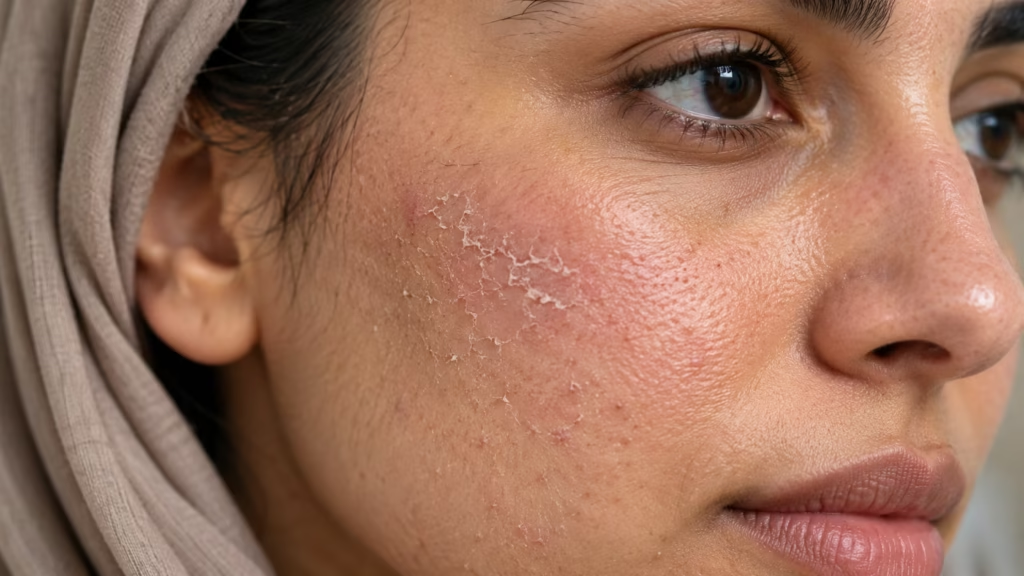
Research and dermatology consensus indicate that a damaged barrier typically manifests through:
- Stinging and Burning: Products that you have used for months without issue suddenly sting or burn upon application.
- Persistent Redness and Inflammation: The Skin Barrier looks flushed, reactive, and angry.
- Tightness and Flaking: The Skin Barrier feels uncomfortably tight immediately after cleansing, often accompanied by dry, flaky patches, despite oil production.
- Increased Breakouts: Because the barrier can no longer keep out bacteria, compromised skin is highly susceptible to sudden, inflamed breakouts (which consumers unfortunately often try to fix with more harsh exfoliants, worsening the cycle).
- Rough Texture: The Skin Barrier loses its smooth, light-reflective quality, appearing crepey and rough.
Viral Beauty Trends Which Ones Actually Support Barrier Health?
Social media platforms like TikTok have democratized beauty science, but they have also accelerated the spread of unverified advice. Let’s analyze the most prominent barrier-focused trends through a scientific lens.
Slugging: The Science of Occlusives
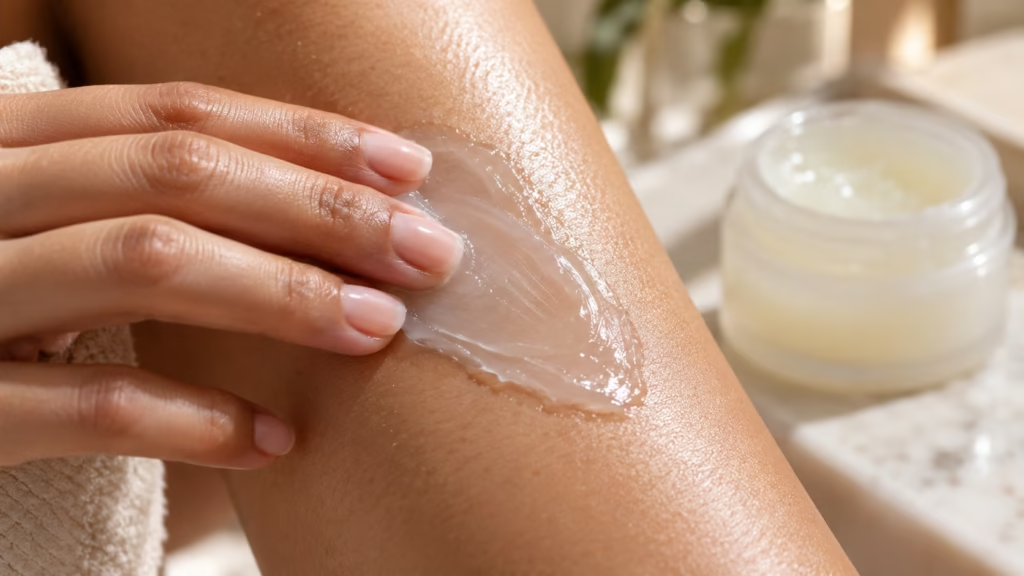
The Trend: Applying a thick layer of a petroleum-based ointment (like Vaseline or Aquaphor) as the final step of a nighttime skincare routine to “seal in” moisture.
The Science: Petrolatum is the most effective occlusive ingredient known in cosmetic science, capable of reducing TEWL by up to 99%. By creating a physical seal over the skin, it allows the underlying stratum corneum to repair itself in a moist environment.
The Verdict: Established Evidence. Slugging is highly effective for barrier repair, particularly in dry climates. However, dermatology consensus advises against slugging over active ingredients (like retinoids or strong acids), as the occlusive seal can increase their penetration and cause severe irritation. It is also not recommended for acne-prone skin, as it can trap sebum and bacteria.
Skin Cycling: Strategic Recovery
The Trend: A four-night skincare schedule that alternates active ingredients with recovery nights (e.g., Night 1: Exfoliation, Night 2: Retinoid, Nights 3 & 4: Recovery/Hydration). The Science: This trend aligns perfectly with dermatological best practices. The stratum corneum requires time to regenerate its lipid matrix. By incorporating intentional “rest” days where only hydrating and barrier-supporting ingredients are used, the skin can tolerate powerful actives without experiencing chronic inflammation. The Verdict: Strong Clinical Consensus. Skin cycling is a highly rational, evidence-based approach to long-term skin health.
Moisture Sandwiching
The Trend: Applying hydrating products (like hyaluronic acid) onto damp skin, and then immediately trapping that hydration with a heavier emollient or occlusive cream. The Science: Humectants act like sponges; they draw water into the skin. However, in dry environments, if they are not sealed with an occlusive, they can actually draw water out of the deeper layers of the skin and evaporate into the air. The Verdict: Established Evidence. Applying humectants to damp skin and sealing them with an emollient is a scientifically sound method for maximizing hydration and supporting barrier function.
The Ingredients That Actually Work, According to Science
When navigating beauty marketing, it is vital to look past the claims on the front of the bottle and examine the ingredient list on the back. To repair a damaged barrier, science points to three specific categories of ingredients.
1. The Replenishers (Emollients)
These ingredients mimic the natural “mortar” of the skin barrier, filling in the gaps between skin cells.
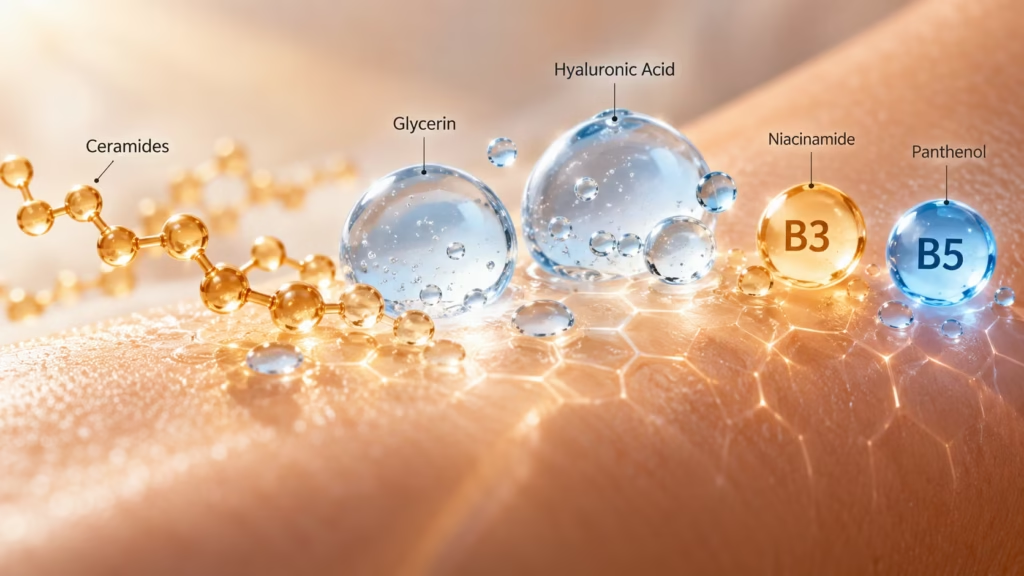
- Ceramides: The most crucial lipids for barrier repair. Look for formulations that also include cholesterol and fatty acids, as research suggests these three lipids work synergistically to repair the stratum corneum.
- Squalane: A highly stable, non-comedogenic lipid that mimics the skin’s natural sebum, providing excellent emollience without feeling heavy.
2. The Hydrators (Humectants)
These ingredients pull water into the stratum corneum to combat TEWL.
- Glycerin: Often overshadowed by newer trends, glycerin is one of the most extensively researched, highly effective humectants in cosmetic science. It not only hydrates but also helps the skin’s natural lipids perform properly.
- Hyaluronic Acid: A popular humectant capable of holding vast amounts of water. It is most effective when applied to damp skin and sealed with an emollient.
3. The Soothers and Supporters
These ingredients reduce inflammation and help the skin generate its own lipids.
- Niacinamide (Vitamin B3): A powerhouse ingredient that has been shown to increase the skin’s natural production of ceramides and reduce inflammatory responses.
- Panthenol (Vitamin B5): Known for its remarkable soothing properties, panthenol helps reduce redness and accelerates the healing of compromised skin.
- Colloidal Oatmeal: An FDA-recognized skin protectant that contains unique compounds called avenanthramides, which have strong anti-inflammatory and anti-itch properties.
(Explore Golden Hour’s restorative skincare collection to find carefully formulated, science-backed barrier support.)
Rebuilding Your Routine: Practical Consumer Takeaways
If you suspect your skin barrier is damaged, the most important step is not what you add to your routine, but what you remove.
What to Stop Doing Immediately
- Halt all active ingredients: Stop using retinoids, AHAs, BHAs, Vitamin C, and physical scrubs.
- Stop washing your face with hot water: Heat strips the skin of its natural lipids. Wash with lukewarm or cool water.
- Ditch alkaline cleansers: If your cleanser leaves your skin feeling tight or squeaky, it is disrupting your acid mantle. Switch to a gentle, non-foaming, pH-balanced cleanser.
A Scientifically Sound Restorative Routine
When repairing the barrier, simplicity is key. A temporary “reset” routine should look like this:
- Morning: Rinse with plain water (or a very gentle cleanser if excessively oily). Apply a hydrating serum (like glycerin or hyaluronic acid) to damp skin. Follow with a rich moisturizer containing ceramides. Finish with a broad-spectrum sunscreen.
- Evening: Cleanse gently to remove makeup and sunscreen. Apply your hydrating serum to damp skin. Follow with your ceramide moisturizer. If your skin is severely dry and not acne-prone, apply a very thin layer of petrolatum ointment (slugging) over dry, flaky areas.
Stick to this basic routine for 2 to 4 weeks. The stratum corneum takes roughly 28 days to fully turn over, meaning true barrier repair requires patience, not miracle products.
The Future of Barrier Science and Beauty Culture
The cultural obsession with the skin barrier is a positive evolution in the beauty industry. It has forced brands to prioritize physiological health over aggressive aesthetic correction and has encouraged consumers to become more scientifically literate.
Looking forward, the next frontier in barrier science involves the microbiome. Emerging evidence suggests that the future of skincare won’t just be about replacing lost lipids, but about feeding the beneficial bacteria that help the skin defend itself. We are moving toward a future where beauty products are designed to act in harmony with human biology, rather than fighting against it.
Ultimately, the most important takeaway from the barrier repair movement is a shift in mindset. Your skin is not a canvas to be scrubbed and polished; it is a vital, living organ that works tirelessly to protect you. Treating it with scientific understanding, gentle consistency, and cultural awareness is the true foundation of long-lasting beauty.
(Ready to transition your routine from correction to protection? Discover our curated collection of gentle, science-led skincare essentials at Golden Hour.)
Skin Barrier Repair FAQ Section
1. What is the skin barrier?
The skin barrier, scientifically known as the stratum corneum, is the outermost layer of your skin. It consists of dead skin cells (corneocytes) bound together by a matrix of lipids (ceramides, cholesterol, and fatty acids). It acts as a security system, keeping moisture in and environmental irritants and bacteria out.
2. How long does it take to repair a damaged skin barrier?
Depending on the severity of the damage, it typically takes 2 to 4 weeks of consistent, gentle care to repair the barrier. This timeline aligns with the natural cellular turnover rate of the skin, which is roughly 28 days for the average adult.
3. Does hyaluronic acid repair the skin barrier?
Hyaluronic acid hydrates the skin by drawing water into the stratum corneum, but it does not directly repair the lipid matrix. To effectively repair the barrier, humectants like hyaluronic acid must be paired with emollients like ceramides to lock the moisture in.
4. What is Transepidermal Water Loss (TEWL)?
TEWL is the process by which water naturally evaporates from the inside of the body through the skin to the outside environment. A healthy skin barrier keeps TEWL low, while a damaged barrier allows water to escape rapidly, leading to dry, tight, and irritated skin.
5. Can I use retinol if my skin barrier is damaged?
No. Dermatology consensus strongly advises stopping all active ingredients, including retinol and exfoliating acids, when your barrier is compromised. Continuing to use retinol on a damaged barrier will drive further inflammation and delay the healing process.
6. Why does my normal moisturizer suddenly sting?
If a product you have used comfortably for months suddenly causes stinging or burning, it is a primary clinical sign that your skin barrier is compromised. Micro-tears in the lipid matrix allow the product to penetrate deeper than intended, triggering sensory nerves.
7. Is slugging safe for acne-prone skin?
While slugging (applying a layer of petrolatum) is excellent for preventing water loss, it is generally not recommended for acne-prone skin. The occlusive seal can trap sebum (oil) and bacteria against the skin, potentially triggering breakouts.
8. What are ceramides, and why are they important?
Ceramides are natural lipids (fats) that make up roughly 50% of your skin barrier’s intercellular matrix. They act as the “mortar” holding your skin cells together. Applying topical ceramides helps replenish this matrix, reducing water loss and restoring structural integrity.
9. How do I know if I am over-exfoliating?
Signs of over-exfoliation include a shiny or “plastic” looking forehead (even without oil), unusual redness, stinging when applying basic moisturizers, increased sensitivity to the sun, and a sudden onset of tiny, inflamed breakouts.
10. What does the acid mantle do?
The acid mantle is a fine, slightly acidic film on the surface of your skin. It helps neutralize harmful, alkaline-based bacteria and pathogens, and it provides the optimal pH environment for the skin’s natural enzymes to process lipids and maintain the barrier.