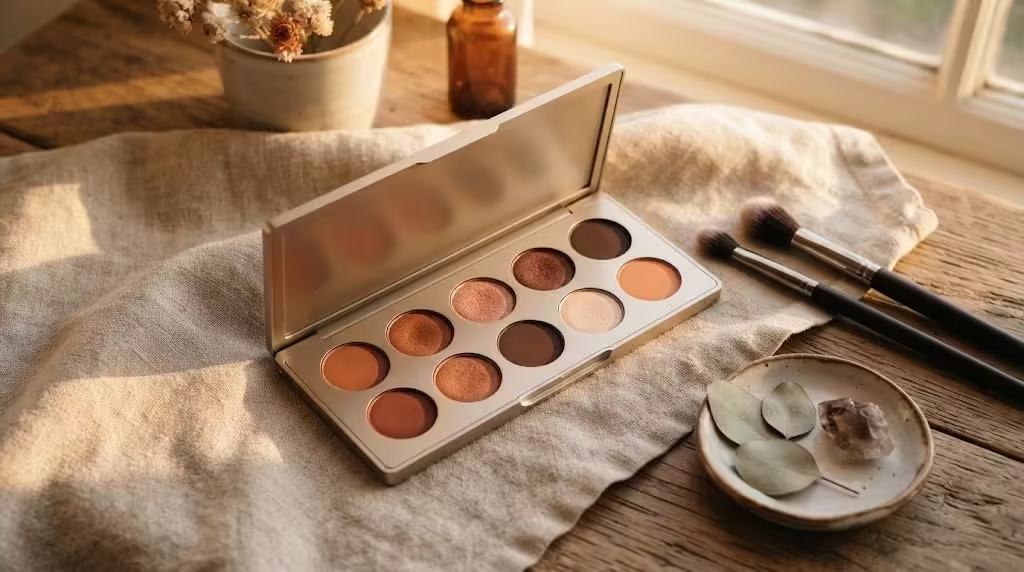
Best Eyeshadow Palettes for 2026: The Ultimate Honest Guide to Pigment, Blending, and Longevity
Best eyeshadow palettes represent the cornerstone of any versatile cosmetic collection, yet finding a reliable quad or multi-pan formula that genuinely flatters your unique eye shape can feel like an impossible task amidst endless marketing hype. Between viral social media trends, heavily filtered reviews, and conflicting beauty standards, discovering a trustworthy product requires looking past superficial packaging and examining formulation science. Whether you are building a professional everyday routine for the office or searching for high-impact dimensions for special events, understanding cosmetic quality is the only way to invest wisely in your personal beauty regimen.
When searching for the best eyeshadow palettes, look for professional formulations that balance smooth blendability with rich pigment payoff, ensuring minimal fallout and long-lasting wear across both matte and shimmer finishes. A truly exceptional multi-pan color story should offer versatile transition shades, buildable intensity, and textures that adhere seamlessly to the delicate eyelid skin without creasing, cracking, or fading by midday.
To explore how eye makeup fits into a broader, balanced cosmetic regimen, take a moment to read our comprehensive makeup and cosmetics guide, which covers everything from complexion prep to setting techniques and everyday color coordination. Additionally, for tips on maintaining healthy skin beneath your cosmetics, explore our guide on the science of the skin barrier.
Understanding Eyeshadow Formulations: Pressed Powder vs. Cream
Before committing your hard-earned money to any cosmetic product, it helps to understand the underlying science of cosmetic formulation. Eyeshadows generally fall into two primary categories: pressed powders and cream formulas, each interacting differently with natural skin oils, eyelid textures, and ambient humidity levels. According to chemical safety and cosmetic science standards outlined by organizations like Encyclopaedia Britannica, cosmetic bases must balance binders, fillers, and pigments to achieve optimal skin adhesion without causing irritation.
When evaluating the best eyeshadow palettes on the market today, formulation chemistry remains the single most important factor determining whether a product will perform consistently. A poorly pressed powder will kick up excessive dust in the pan and disappear within two hours, whereas a properly balanced formula adheres evenly to primed skin.
Pressed Powder Eyeshadows
Pressed powders remain the industry standard because of their incredible versatility and ease of blending. They rely on binders like zinc stearate, magnesium stearate, or dimethicone to hold mineral pigments and fillers together in a solid pan. High-quality pressed powders utilize finely milled talc, mica, synthetic fluorphlogopite, or silica to create a velvety texture that diffuses effortlessly into the skin.
If you have oily eyelids, pressed powders paired with a reliable eye primer offer superior oil absorption and longevity. They allow you to build color intensity gradually, making them ideal for both subtle daytime washes of color and dramatic evening dimensions.
Cream and Liquid Eyeshadows
Cream formulations deliver instant, high-impact saturation with a dewy, glossy, or metallic finish that powder sometimes struggles to replicate. Formulated with emollients, botanical waxes, and volatile silicones, cream shadows glide smoothly across the lid and set down for waterproof, crease-resistant wear.
However, cream formulas require swift blending before they dry completely. They work exceptionally well for dry or mature skin types that benefit from a hydrating, non-powder finish that will not cling to fine lines or emphasize eyelid texture.

Key Criteria for Evaluating Eyeshadow Quality
Evaluating cosmetic quality goes beyond admiring promotional swatches on a smartphone screen or trusting influencer endorsements. When assessing whether a product deserves a spot in your makeup bag, focus on four fundamental performance metrics that separate professional-grade formulations from substandard products.
- Pigment Payoff: True color saturation without requiring excessive layering, harsh scrubbing, or scraping of the pan surface.
- Blendability: The ability of different shades to merge seamlessly without creating harsh lines, patchiness, or muddy color combinations.
- Fallout Level: Minimal loose powder shedding during brush pickup and application, keeping your under-eye concealer pristine and clean.
- Longevity: Resistance to creasing, fading, and oil breakthrough throughout a standard eight-hour day or extended evening event.
For more insights into decoding ingredient labels and understanding cosmetic formulation standards established by regulatory bodies like the U.S. Food and Drug Administration (FDA) Cosmetics division, you can explore our detailed guide on beauty ingredients explained.
Discerning shoppers hunting for the best eyeshadow palettes should always inspect ingredient decks for skin-conditioning agents like jojoba esters, squalane, or vitamin E, which help prevent the delicate eyelid area from drying out during prolonged daily wear.
Comparing Eyeshadow Finishes
Different finishes serve distinct structural and aesthetic purposes in eye makeup design. Choosing the right finish depends heavily on your eye anatomy, skin type, and the specific occasion you are prepping for. The table below compares the four most common eyeshadow finishes to help you determine which suits your personal style.
| Finish Type | Best Used For | Ideal Skin/Eye Type | Key Characteristic |
|---|---|---|---|
| Matte | Crease definition, contouring, and subtle everyday looks | All skin types, especially hooded or textured eyelids | Zero reflection, absorbs light to create depth and structure |
| Shimmer | Lid highlighting, adding dimension, and brightening inner corners | Smooth or normal eyelids | Fine, light-reflecting pearl particles for a luminous sheen |
| Metallic | High-impact evening looks and bold focal points | Firm lids; best applied with fingers or damp brushes | Foil-like intensity with maximum light reflection |
| Satin | Soft, natural luminosity without overt sparkle | Mature or dry eyelids | Subtle sheen that mimics natural, healthy skin radiance |
How to Choose the Best Eyeshadow Palettes for Your Skin Undertone
Color theory plays a vital role in making eyeshadow look harmonious rather than muddy, chalky, or stark against your complexion. Identifying your skin undertone—whether it leans cool, warm, or neutral—unlocks the exact shades that will naturally enhance your eye color, bone structure, and facial warmth without washing you out.
Cool Undertones
If your skin features subtle pink, red, or bluish undertones, look for eyeshadow palettes centered around taupes, cool grays, icy silvers, dusty roses, and plummy mauves. These shades complement your natural complexion without looking overly orange, muddy, or disconnected from your skin.
Warm Undertones
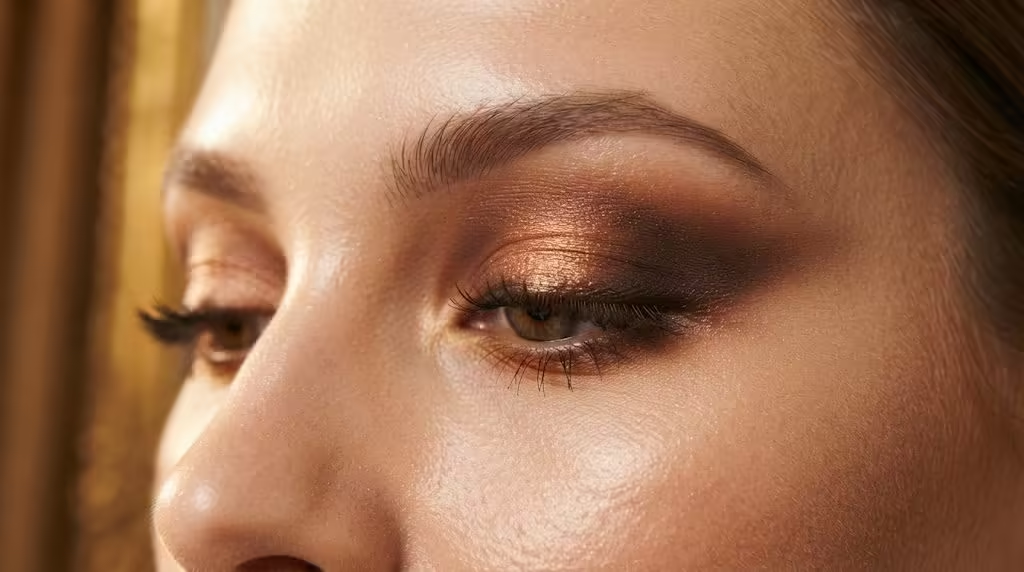
Skin with golden, peach, or olive undertones thrives with bronze, copper, warm terracotta, golden amber, and rich chocolate brown shades. These rich, earthy tones bring out natural warmth in your eyes and create a seamless, cohesive beauty look.
Neutral Undertones
Neutral undertones possess a balanced mixture of both warm and cool elements, allowing you to experiment freely across the entire color wheel. True neutrals, soft champagnes, and muted rose-golds look exceptionally balanced against neutral complexions.
To align your cosmetic choices with professional workplace standards and subtle everyday elegance, consider reading our curated advice on office beauty.

Application Techniques for Professional Results
Even the most expensive eyeshadow formulation will underperform without proper application technique, skin preparation, and tool selection. Achieving a polished, professional finish relies on thoughtful layering and controlled blending techniques that respect your unique eye anatomy.
Building Depth and Dimension
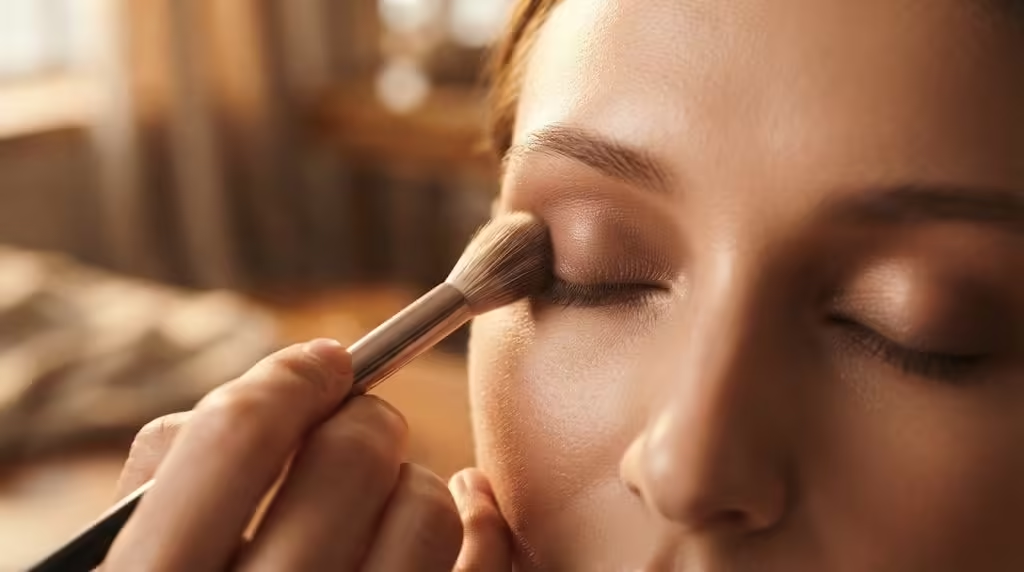
Always begin with a clean, primed eyelid to create an even, oil-resistant canvas and prevent midday creasing. Tap a neutral transition shade slightly darker than your natural skin tone into the crease using a fluffy blending brush, sweeping softly in windshield-wiper motions.
Next, pack your chosen lid shade onto the mobile eyelid using a flat shader brush or your fingertip for maximum pigment transfer and adherence. Finally, use a clean detail brush to apply a deeper contour shade along the outer V of the eye to elongate, lift, and open up your overall eye shape.
To dive deeper into how cosmetic industry standards, safety guidelines, and consumer testing habits are evolving, reference safety organizations like the International Fragrance Association (IFRA) for broader cosmetic ingredient safety protocols. You can also consult toxicological safety evaluations published by agencies like the Contact Dermatitis scientific journal regarding cosmetic ingredient safety.
Building a Versatile Eye Makeup Collection
Building a thoughtful collection means resisting the impulse to purchase every colorful new release that hits social media feeds. Instead, curating a small rotation of well-formulated selections ensures that your beauty spending remains purposeful, sustainable, and entirely tailored to your actual daily lifestyle needs.
Many beauty enthusiasts find that owning two carefully chosen multi-pan units—one neutral everyday staple and one versatile creative option—satisfies every conceivable makeup mood without cluttering vanity space or leading to expired products sitting unused in drawers.
Key Takeaways
- Prioritize Formulation: Finely milled powders and quality binders ensure smooth blending and long-term wear without patchy fallout.
- Match Your Undertone: Choosing cool, warm, or neutral palettes that align with your skin undertone guarantees a harmonious, flattering look.
- Balance Finishes: Combining mattes for structure with shimmers or metallics for light reflection creates professional, multi-dimensional depth.
- Invest in Tools: Good quality brushes and proper priming significantly improve the performance of any eyeshadow palette.
We hope this guide helps you navigate your beauty choices with absolute confidence. Feel free to explore more of our expert-backed resources and guides across Golden Hour to refine every step of your personal routine.
Frequently Asked Questions
What makes an eyeshadow palette high quality?
A high-quality eyeshadow palette features finely milled powders with high pigment concentration, smooth blendability, minimal fallout, and shades that adhere evenly without turning muddy.
How do I stop my eyeshadow from creasing throughout the day?
Preventing creasing starts with applying a dedicated eyeshadow primer or a lightweight translucent setting powder to absorb excess eyelid oils before color application.
Should I apply shimmer eyeshadow with a brush or my finger?
Shimmer and metallic eyeshadows generally deliver much higher pigment payoff and brilliance when pressed onto the lid using a clean fingertip or a damp flat brush.
Are expensive eyeshadow palettes always better than drugstore options?
Not necessarily; while luxury brands often offer superior packaging and finely pressed talc alternatives, many affordable brands now use comparable cosmetic pigments and manufacturing standards.
How can I determine my skin undertone for choosing eyeshadow?
You can determine your undertone by examining the veins on your inner wrist—greenish veins indicate warm undertones, bluish-purple veins suggest cool undertones, and a mix points to neutral.
Can I use contour powder or blush as eyeshadow?
Yes, multi-use face powders like neutral contour shades or matte blushes make excellent, cohesive transition colors for quick, monochromatic everyday eye makeup looks.