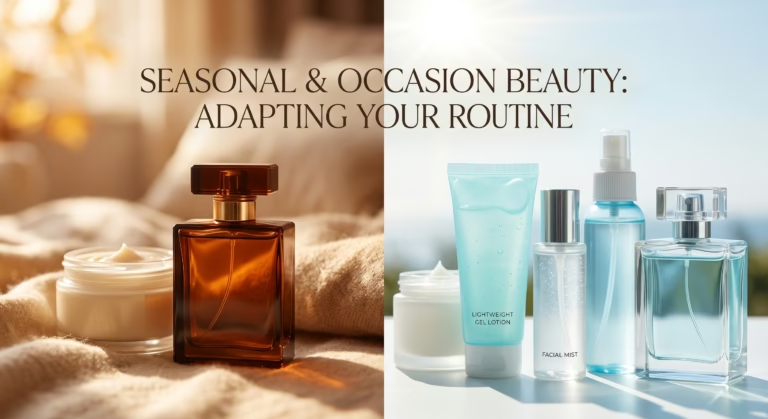
Autumn Beauty The Ultimate Guide to Transitioning Your Skincare, Makeup, and Fragrance
As the vibrant heat of summer slowly gives way to the crisp, golden days of autumn, our surroundings undergo a profound transformation. But the shifting of the seasons signals more than just a change in wardrobe and scenery; it marks a crucial turning point for our daily beauty regimens. Autumn beauty is about adaptation, protection, and embracing richer, more comforting textures and scents.
When the air turns cooler and humidity levels begin to drop, the environmental stressors acting on your skin, hair, and even how your fragrance projects, change dramatically. What worked flawlessly in July may leave your skin feeling tight and your perfume fading prematurely in October. Navigating this transition does not require discarding your entire vanity. Instead, it involves strategic, mindful adjustments.
Whether you are preparing for a brisk, windy season or a milder, slow-fading warmth, this comprehensive guide will walk you through exactly how to transition your skincare, makeup, hair care, and fragrance for the autumn months ahead.
What Is Autumn Beauty?
Autumn beauty is the strategic adaptation of your skincare, makeup, hair care, and fragrance routines to counter the environmental changes that accompany the transition from summer to fall. It focuses on replacing lightweight, oil-controlling formulas with deeply hydrating, barrier-protecting products and shifting toward warmer, richer cosmetic tones and fragrance profiles.
Why Should You Change Your Beauty Routine for Autumn?
The environment dictates how your skin and hair behave. During the summer, higher temperatures and humidity levels keep the skin plump and often stimulate excess sebum production. The primary focus is typically on oil control, sweat resistance, and intense UV protection.
As autumn approaches, several environmental shifts occur:
- Decreased Humidity: Cooler air holds less moisture. This lack of ambient humidity accelerates transepidermal water loss (TEWL), drawing moisture out of your skin and hair into the air.
- Temperature Fluctuations: Moving between chilly outdoor winds and artificially heated indoors places immense stress on the skin’s natural lipid barrier.
- Wind Exposure: Brisk autumn winds can physically disrupt the skin barrier, leading to micro-tears, redness, and sensitivity.
- Slower Fragrance Evaporation: Cooler temperatures reduce the rate at which perfume molecules evaporate, meaning the light, effervescent citrus scents of summer may struggle to project, while heavier resins and woods thrive.
Adapting your routine ensures that you are proactively defending your body against these stressors rather than reactively trying to fix dryness, irritation, or dullness once they have already set in.
How to Transition From Summer to Autumn Beauty
The secret to a successful summer-to-autumn beauty transition is a gradual evolution. Making abrupt, sweeping changes to your regimen can overwhelm your skin and cause breakouts or irritation.
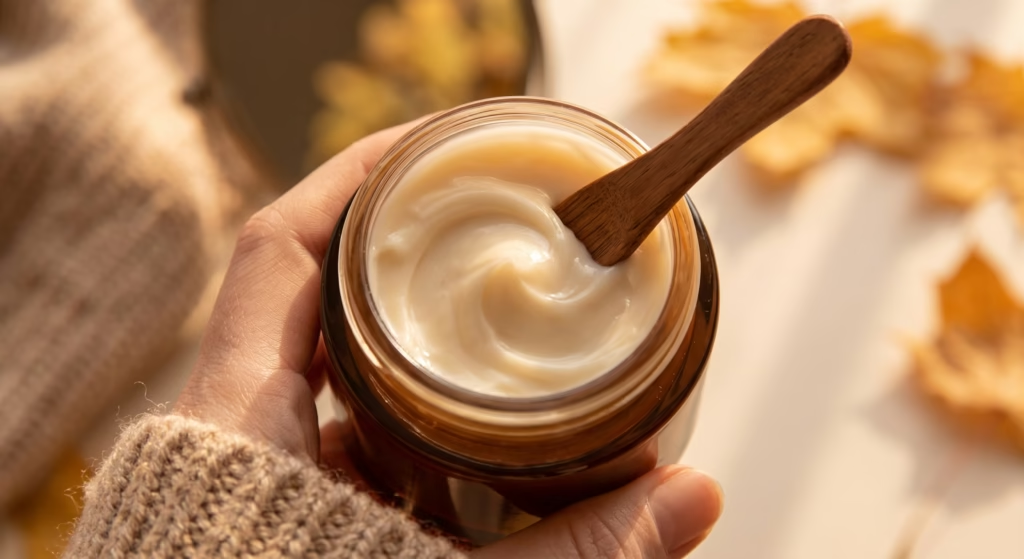
Instead of an overnight overhaul, begin by making single, strategic swaps as you notice changes in the weather and in how your skin feels. When your skin starts feeling tight after your morning cleanse, it is time to switch your cleanser. When your lightweight summer moisturizer absorbs instantly but leaves you feeling dry an hour later, it is time to layer a richer cream.
What Can Stay the Same?
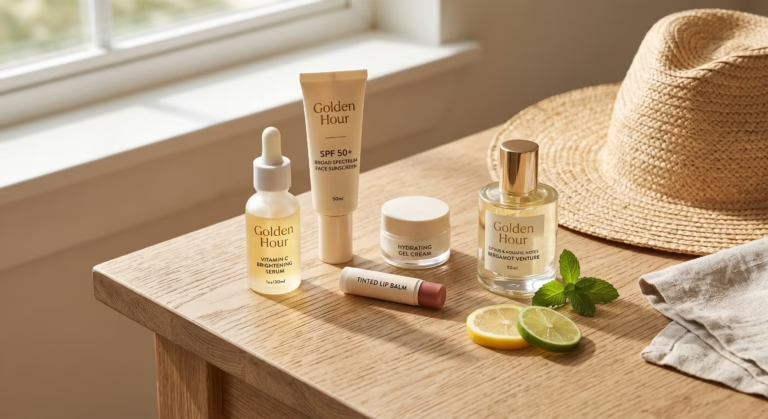
Not everything needs to change. You can comfortably retain your core active ingredients, such as Vitamin C, niacinamide, and peptides. Your favorite gentle exfoliants can stay, though you may want to reduce their frequency. Most importantly, your daily sunscreen must remain an immovable cornerstone of your morning routine.
What to Change in Your Skincare Routine
Autumn skincare is fundamentally about barrier support, deep hydration, and gentle nourishment. As the air becomes drier, your routine must work harder to lock moisture into the skin.
Cleansing: From Stripping to Soothing
During the summer, foaming and gel cleansers are highly effective at cutting through sweat, excess sebum, and heavy water-resistant sunscreens. In autumn, these same cleansers can strip the skin of its natural oils, exacerbating the dryness caused by the weather.
- The Autumn Swap: Transition to cream, milk, or balm cleansers. These formulas effectively remove impurities and makeup while leaving a protective layer of hydration on the skin. If you double-cleanse, ensure your second step is a non-foaming, hydrating formula that respects your skin’s pH balance.
Hydration and Moisturization: Building the Barrier
Hydration (adding water) and moisturization (trapping water) become equally critical in autumn. A lightweight summer gel will not possess the occlusive properties needed to block the dry autumn air from stealing your skin’s moisture.
- The Autumn Swap: Incorporate a hydrating essence or serum rich in humectants like hyaluronic acid or glycerin on damp skin. Follow this immediately with a richer, ceramide-infused moisturizer. Ceramides act as the mortar between your skin cells, preventing moisture from escaping and blocking environmental irritants from entering.
Exfoliation Considerations
While summer requires frequent exfoliation to clear away sweat and sunscreen buildup, over-exfoliating in autumn is a fast track to a compromised, stinging skin barrier.
- The Autumn Swap: Reduce the frequency of your chemical exfoliants (AHAs and BHAs) from every day to two or three times a week. Consider switching to gentler acids, such as Lactic Acid or Polyhydroxy Acids (PHAs), which exfoliate while simultaneously pulling moisture into the skin.
SPF and Sun Protection
One of the most dangerous seasonal skincare mistakes is putting away your sunscreen when the temperature drops.
- The Autumn Swap: While UVB rays (which cause sunburn) may decrease in intensity during the autumn and winter, UVA rays (which cause premature aging and skin cancer) remain present and powerful year-round, penetrating through heavy clouds and even window glass. Continue using a broad-spectrum SPF 30 or higher every single day. You might choose to switch from a matte-finish SPF to a more hydrating, creamy formula.
Lip, Hand, and Body Care
The skin on your lips and hands is exceptionally thin and contains very few sebaceous (oil) glands, making them the first victims of crisp autumn air.
- The Autumn Swap: Keep a rich, emollient lip balm featuring ingredients like shea butter or lanolin in your bag. Switch from a lightweight body lotion to a thicker body butter or body oil, applying it immediately after you step out of the shower while your skin is still damp to lock in maximum hydration.
Autumn Makeup Tips
As your skincare becomes richer, your makeup routine should pivot to complement both your newly hydrated base and the richer color palette of the season.
Transitioning Your Base Makeup
Matte, high-coverage foundations that held up beautifully against July humidity can suddenly look cakey, heavy, and flaky on dry autumn skin.
- The Approach: Embrace dewy, satin, or natural-finish foundations. If you love the coverage of your summer foundation, you can autumn-proof it by mixing a single drop of facial oil or a pump of hydrating primer into it before application. Alternatively, swap foundation entirely for a hydrating skin tint or CC cream, spot-concealing only where necessary.
Blush and Complexion
Powder blushes can sit on top of dry skin, highlighting texture and flakiness.
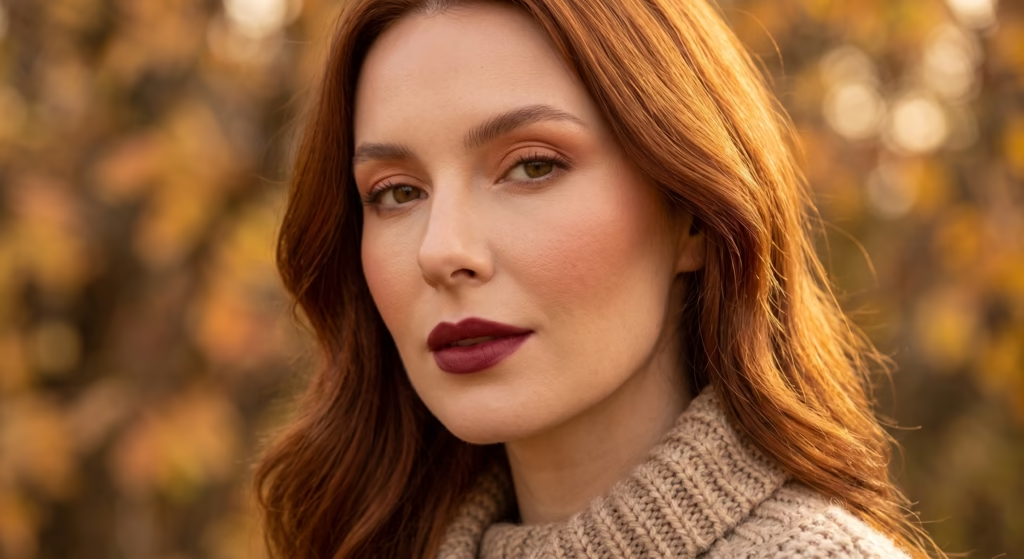
- The Approach: Cream and liquid blushes melt seamlessly into the skin, providing a healthy, hydrated flush that looks entirely natural. Autumn is the perfect time to transition from the bright corals and hot pinks of summer to richer, more muted tones. Plums, terracottas, warm peaches, and deep berries beautifully reflect the changing environment.
Autumn Lip Colors
Chapped lips are the enemy of matte lipstick. Liquid lipsticks that dry down completely can feel incredibly uncomfortable in cold wind.
- The Approach: Transition to moisturizing lipsticks, tinted lip balms, or lip oils. If you prefer a matte look, prep your lips with a gentle sugar scrub and a heavy balm ten minutes before application. Color-wise, autumn is synonymous with deep brick reds, warm nudes, rich mochas, and classic burgundies.
Eye Makeup
Autumn eye makeup often embraces warmth and soft definition.
- The Approach: Swap stark, liquid black eyeliner for softer, smudged gel pencils in espresso, plum, or forest green. Eyeshadow palettes naturally shift toward warm ambers, burnt oranges, rich coppers, and soft matte browns.
Makeup for Changing Weather
If you live in an environment where autumn brings heavy rain or biting wind, longevity remains important. Protect your dewy base by using a finely milled hydrating setting powder strictly on your T-zone, leaving the perimeter of your face glowing. A hydrating setting spray will lock your makeup in place without drying out your skin.
Autumn Hair Care
Just like your skin, your hair reacts dramatically to the sudden drop in atmospheric moisture. The central theme for autumn hair care is hydration and damage control.
Managing Dryness and Frizz
When the air is dry, hair cuticles lift in a desperate attempt to pull moisture from the surrounding environment. This cuticle lifting is what we perceive as frizz and flyaways.
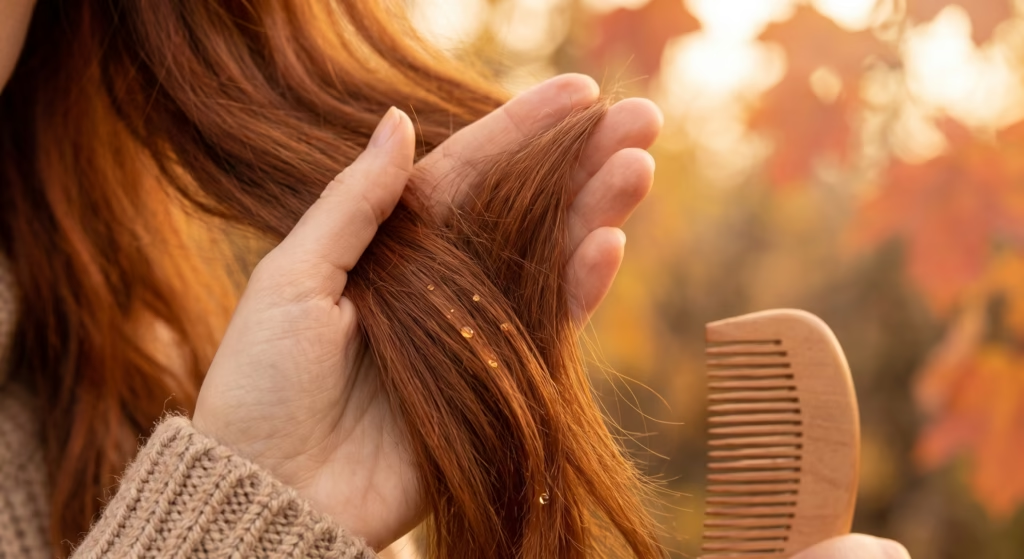
- The Fix: Transition from lightweight, volumizing summer shampoos to sulfate-free, moisturizing formulas. Incorporate a deep-conditioning mask into your routine once a week. To seal the cuticle and lock in moisture, run a few drops of a nourishing hair oil (like argan or jojoba) through your mid-lengths and ends while the hair is still damp.
Scalp Care
The scalp is an extension of your facial skin and is equally prone to seasonal dryness, flaking, and itchiness.
- The Fix: Avoid taking excessively hot showers, which instantly strip the scalp of its natural oils. Consider adding a hydrating scalp serum to your routine, and massage it in gently to stimulate blood flow and distribute your natural oils.
Autumn Fragrance Guide
For many, fragrance is the most exciting part of the autumn beauty transition. Perfume is profoundly affected by temperature. Heat amplifies fragrance, causing top notes to burn off quickly and making heavy scents feel suffocating. Cold air, conversely, suppresses fragrance molecules. They evaporate much more slowly, which is why the light, sparkling citrus and aquatic fragrances of summer seem to vanish entirely in autumn air.
To ensure your fragrance makes an impact, autumn calls for heavier molecules, richer compositions, and deeper olfactory profiles.
What Fragrance Notes Work Well in Autumn?
Autumn is the season of depth and warmth. When exploring perfumes for cooler weather, look for fragrances built around these core note families:
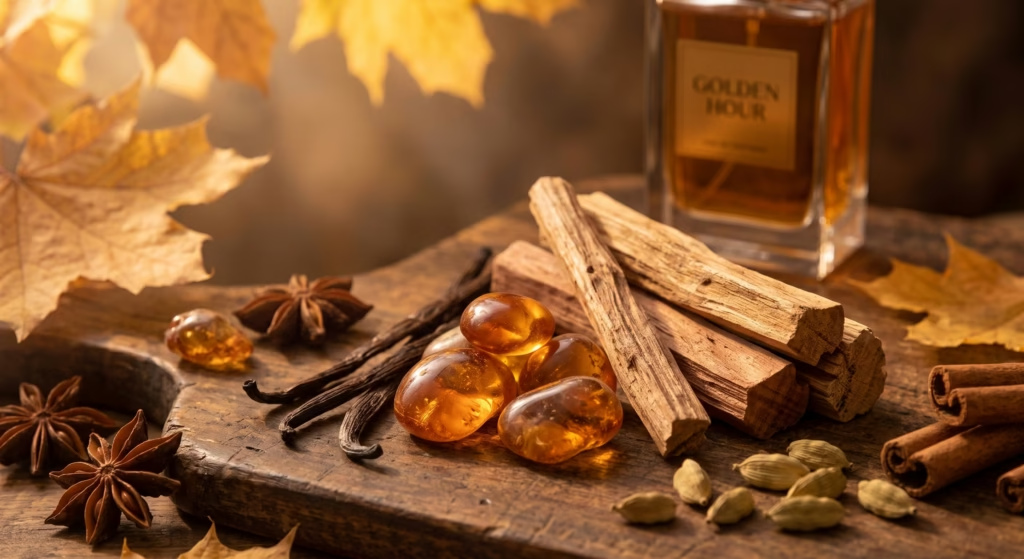
- Woody Notes: Sandalwood, cedarwood, vetiver, and patchouli provide a grounding, earthy, and elegant foundation that mimics the scent of the autumn outdoors.
- Amber and Resins: Labdanum, benzoin, and amber create a deeply warm, sweet, and slightly powdery aura that feels like a cashmere sweater on the skin.
- Spices: Cardamom, cinnamon, nutmeg, and black pepper add immediate warmth, sharpness, and intrigue, cutting beautifully through crisp, cold air.
- Vanilla and Gourmands: High-quality vanilla, tonka bean, caramel, and almond offer immense comfort and project exceptionally well in cold weather.
- Musky and Leather Profiles: Rich musks, suede, and leather notes provide a sophisticated, tactile sensuality perfect for evening wear.
Autumn Fragrance for Daytime
Daytime autumn fragrances should be present but not overpowering. Look for scents that balance freshness with a warm base. A fragrance featuring crisp pear or fig at the top, drying down into smooth sandalwood or soft musk, is ideal for daytime wear. Light amber and soft, spiced tea notes also perform beautifully for casual autumn days.
Autumn Fragrance for Evening
As the sun sets and the temperature drops further, you can safely wear your most potent, complex fragrances. Evening autumn scents can be bold, smoky, and intensely rich. Look for prominent notes of oud, dark chocolate, heavy patchouli, incense, and boozy vanilla. These heavy molecules require the cold air to keep them balanced and smooth.
Office-Friendly Autumn Fragrance
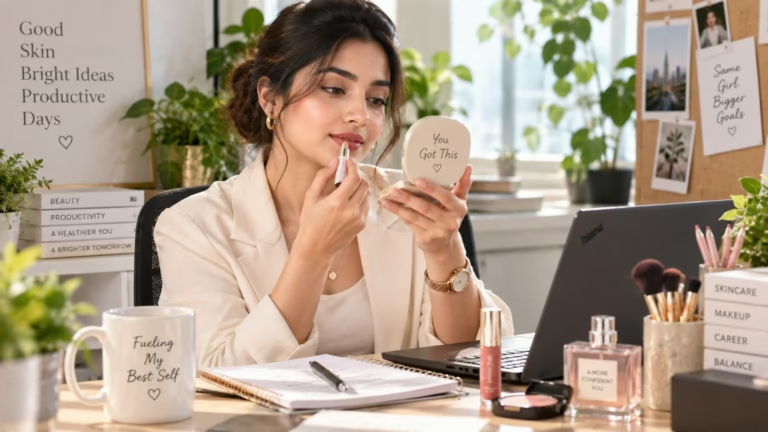
In a professional setting, where artificial heating can sometimes make heavy perfumes cloying, restraint is key. Opt for clean, “skin-like” scents. A soft, iris-based floral, a gentle white musk, or a sheer, unsweetened cedarwood provides an elegant aura of warmth without filling the boardroom or triggering allergies.
How to Apply Fragrance in Cooler Weather
Because cold air dampens fragrance projection, you may need to adjust how you apply your perfume.
- Moisturize First: Fragrance molecules bind to oils, not dry skin. Applying an unscented body lotion or body oil before spraying will significantly increase the longevity of your perfume.
- Target Pulse Points: The heat generated by your pulse points (wrists, inner elbows, neck, behind the knees) will help push the fragrance into the cool air.
- Spritz Your Clothing: Natural fibers like wool, cashmere, and cotton hold onto fragrance incredibly well. A light mist on your autumn scarf or sweater will ensure your chosen scent stays with you throughout the entire day.
Autumn Beauty for Different Skin Types and Climates
Autumn is not a monolith. How you approach your routine must be dictated by your local climate and your individual skin type.
- For Dry/Dehydrated Skin: This is the most challenging season. Layering is your best defense. Use milky cleansers, hydrating toners, rich ceramide creams, and facial oils to seal everything in.
- For Oily/Breakout-Prone Skin: Oily skin still needs hydration in autumn, but heavy occlusives may cause congestion. Transition to a gel-cream or a lightweight lotion that contains hyaluronic acid and squalane, which moisturize without clogging pores.
- For Warm, Humid Autumns: If you live in a region where autumn remains warm and humid (such as parts of South Asia or the Southern US), disregard the advice to switch to heavy creams immediately. Focus on lightweight hydration and continue using your summer routine until you genuinely feel a drop in ambient humidity. Your fragrance choices can incorporate lighter woods and soft spices rather than heavy, syrupy ambers.
- For Cold, Dry Autumns: If your autumn features biting winds and early frosts, barrier protection is paramount. Embrace the heaviest creams, balms, and occlusives, and lean into the deepest, warmest fragrance profiles available.
Common Autumn Beauty Mistakes
- Stopping Sunscreen: As mentioned, UV rays do not care about the temperature. Skipping SPF leads to cumulative skin damage.
- Changing Everything at Once: Overhauling your routine overnight can trigger a massive skin freak-out. Introduce new, richer products one at a time over a period of weeks.
- Forgetting to Exfoliate Entirely: While you should exfoliate less, stopping completely will allow dead skin cells to build up, making your skin look dull and preventing your expensive serums and moisturizers from properly absorbing.
- Using Hot Water: A scalding hot shower feels incredible on a chilly morning, but it will instantly strip your skin and scalp of essential lipids, leading to intense itching and dryness. Keep the water lukewarm.
Conclusion
Transitioning your beauty routine for autumn is an act of deep self-care. It is about listening to your body, understanding the environment, and responding with nourishment and protection. By gently swapping out stripping cleansers for milky alternatives, embracing richer creams, shifting your makeup palette, and enveloping yourself in the deep, warm fragrance notes of the season, you can ensure that you not only protect your skin and hair but truly revel in the unique beauty that autumn provides.
Take it slowly, let the climate be your guide, and allow your autumn beauty routine to become a comforting daily ritual.
AUTUMN BEAUTY FAQ SECTION
What is an autumn beauty routine?
An autumn beauty routine is a seasonal adjustment of your skincare, makeup, and hair care products to combat cooler temperatures and dropping humidity. It typically involves swapping lightweight summer products for richer, more hydrating formulas that protect the skin barrier from dry air and harsh winds.
When should I start my autumn skincare routine?
You should start transitioning your skincare routine when you notice a consistent change in the weather or when your skin begins to feel tight, dry, or dehydrated after your usual summer routine. A gradual transition over several weeks is best to avoid overwhelming your skin.
Do I still need to wear SPF in autumn and winter?
Yes, you absolutely need to wear SPF in autumn and winter. While UVB rays (which cause burning) may decrease, UVA rays (which cause aging and skin damage) remain strong year-round and can penetrate clouds and glass. Apply a broad-spectrum SPF 30 or higher daily.
What are the best perfume notes for autumn?
The best perfume notes for autumn are warm, rich, and deep, as these perform beautifully in cooler air. Look for woody notes (sandalwood, cedar), spices (cardamom, cinnamon), ambers, resins, vanilla, and musks. These heavier molecules project better when temperatures drop.
How can I fix dry skin during the fall season?
To fix dry fall skin, stop using harsh foaming cleansers and hot water. Switch to a gentle, hydrating cleanser, apply a humectant serum (like hyaluronic acid) to damp skin, and immediately lock it in with a thick, ceramide-rich moisturizer to repair and protect your skin barrier.
Should I change my foundation for autumn?
Yes, you may want to change your foundation for autumn. Matte, oil-controlling foundations can cling to dry patches caused by cold weather. Switching to a dewy, satin, or hydrating liquid foundation or adding a drop of facial oil to your current base will keep your skin looking luminous and smooth.
How do I stop my hair from getting frizzy in autumn weather?
Frizz in autumn is caused by dry hair seeking moisture from the air. To stop it, switch to a sulfate-free, deeply hydrating shampoo and conditioner. Incorporate a weekly deep-conditioning mask, and apply a few drops of hair oil to damp ends to seal the hair cuticle.
What is a good autumn beauty routine for oily skin?
Oily skin in autumn needs hydration without heavy oils. Swap your summer gel moisturizer for a lightweight, oil-free lotion or a water-cream containing ceramides and squalane. This provides necessary barrier protection against the cold without clogging pores or triggering excess sebum production.
Can I wear summer fragrances in autumn?
You can wear summer fragrances in autumn, but you may notice they perform poorly. Cold air suppresses the light, volatile molecules of citrus and aquatic scents, causing them to fade rapidly. To make them last, apply an unscented body oil first, or layer them over a warmer, woody base scent.
How do climate differences affect autumn beauty choices?
Climate dictates your beauty needs. In a cold, dry autumn, you must prioritize heavy creams, occlusives, and deeply warm fragrances. If you live in a warmer, humid region, your autumn routine should remain lighter, focusing on gentle hydration and sheer, fresh-spicy fragrances until the humidity actually drops.