The Ultimate Guide to Summer Beauty Skincare, Makeup, and Fragrance for Hot Weather
Navigating summer beauty often feels like an ongoing battle against the elements. As temperatures rise and humidity levels fluctuate, the heavy creams, full-coverage foundations, and rich perfumes that provided comfort during the winter can suddenly feel suffocating, prone to melting, and out of place.
Adapting your regimen for warmer weather does not require discarding your entire vanity. Instead, it involves strategic adjustments swapping heavy occlusives for lightweight hydrators, prioritizing steadfast sun protection, and selecting fragrances that bloom beautifully in the heat rather than overwhelming the senses. Whether you are navigating a humid urban commute or packing for a coastal getaway, optimizing your routine ensures your skin remains protected and your aesthetic remains effortless.
Explore Summer Beauty comprehensive guide to understand exactly how environmental changes impact your skin and scent, and discover the essential adjustments needed to curate a high-performing summer beauty collection.
What Is Summer Beauty?
Summer beauty is a seasonal approach to cosmetics, skincare, and fragrance that prioritizes UV protection, lightweight hydration, and sweat-resistant formulations. It focuses on maintaining skin health, preventing sun damage, and ensuring makeup and perfumes perform effectively in high heat and humidity without feeling heavy or causing congestion.
Why Your Beauty Routine May Need to Change in Summer
The transition from cool to warm weather triggers physiological changes in the skin and alters how cosmetic chemistry interacts with your environment.
Warmer temperatures stimulate the sebaceous glands, leading to an increase in natural oil production. When excess sebum mixes with sweat, dead skin cells, and urban pollution, the risk of congested pores and breakouts rises significantly. Furthermore, increased ultraviolet (UV) radiation accelerates free radical damage, leading to hyperpigmentation, premature aging, and compromised skin barriers.
In humid climates, the moisture in the air prevents sweat from evaporating quickly, causing makeup to slide and heavy skincare to sit on the surface of the skin. Conversely, in dry, arid heat, the environment can rapidly pull moisture from the skin, leading to dehydration and a compromised barrier. Recognizing your specific climate is the first step in auditing your summer beauty arsenal.
Summer Skincare Routine Lightweight and Protective
A successful summer skincare routine pivots from heavy barrier repair to antioxidant protection, thorough cleansing, and weightless hydration.
1. Optimize Your Cleansing Strategy
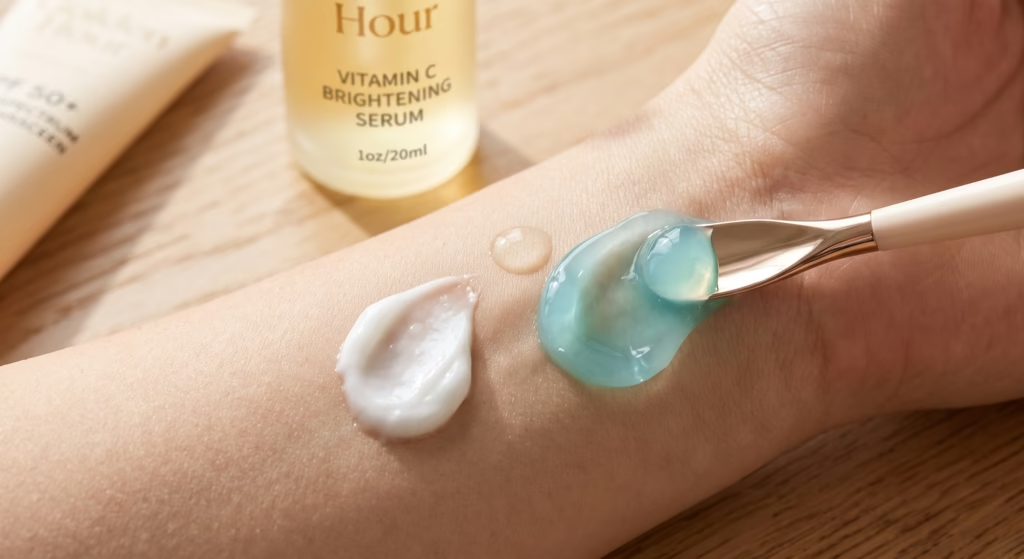
Sweat, increased sebum, and the frequent reapplication of sunscreen demand a meticulous cleansing routine. A single wash with a standard cleanser is often insufficient to break down water-resistant SPF and environmental pollutants. Incorporate a double-cleansing method into your evening routine. Begin with a lipid-based cleanser (an oil or balm) to dissolve sunscreen, excess oil, and makeup. Follow with a gentle, water-based gel cleanser to clean the pores without stripping the skin of its essential lipids.
2. Prioritize Antioxidants
While sunscreen protects against UV rays, it is not an impenetrable shield. Free radicals generated by UV exposure and pollution can still penetrate the skin. Applying an antioxidant serum such as Vitamin C, Niacinamide, or Green Tea extract every morning acts as a second line of defense. These ingredients neutralize free radicals, brighten the complexion, and help prevent summer-induced hyperpigmentation.
3. Switch to Water-Based Hydration
Hydration remains critical in the summer, even if your skin feels oily. Dehydrated skin will actually overproduce sebum to compensate for the lack of water. Retire heavy creams containing rich butters (like shea or cocoa) and transition to lightweight, gel-based moisturizers. Look for humectants such as hyaluronic acid and glycerin, which draw moisture into the skin without leaving a heavy, occlusive residue.
Sun Protection and SPF The Non-Negotiable Step
If there is one absolute mandate in summer beauty, it is vigilant sun protection. Daily application of a broad-spectrum sunscreen is the most effective way to prevent premature aging and protect long-term skin health.
- Broad-Spectrum Coverage: Ensure your SPF protects against both UVA (aging) and UVB (burning) rays.
- The SPF 30 Minimum: Dermatologists universally recommend a minimum of SPF 30 for daily wear, which blocks approximately 97% of UVB rays.
- Physical vs. Chemical: Mineral (physical) sunscreens containing zinc oxide or titanium dioxide sit on the skin’s surface to reflect rays, making them excellent for sensitive skin. Chemical sunscreens absorb into the skin and convert UV rays into heat, often offering a more cosmetically elegant, invisible finish for deeper skin tones.
- Reapplication: Sunscreen degrades with exposure to UV light and physically wipes away with sweat. Reapply every two hours if you are outdoors. Sunscreen sprays, powders, and setting mists are excellent tools for reapplying over makeup.
Summer Makeup Tips for Heat and Humidity
The secret to summer makeup is embracing a “less is more” philosophy and utilizing formulations designed to grip the skin rather than slide across it.
Choose Skin Tints Over Foundation
Heavy, full-coverage foundations can quickly become cakey in high humidity. Swap them for tinted moisturizers, BB creams, or sheer skin tints. If you require more coverage for specific areas, use a high-coverage, waterproof concealer selectively (a technique known as pinpoint concealing) rather than applying a thick layer of base across the entire face.
Utilize Liquid and Cream Color
Powder products can mix with sweat and oil to create a muddy, streaky appearance. Cream blushes, liquid bronzers, and liquid highlighters melt seamlessly into the skin, offering a natural, skin-like finish that fades gracefully throughout the day.
Lock It Down
To extend the longevity of your makeup, start with a gripping primer tailored to your skin type (mattifying for oily skin, hydrating for dry skin). Once your makeup is applied, skip heavy baking powders. Instead, use a finely milled translucent powder exclusively on the T-zone, and finish with a high-performance setting spray to bind the layers of makeup together and provide a sweat-resistant seal.
Summer Fragrance Choosing Scents for Hot Weather
Temperature profoundly impacts the performance, projection, and evaporation rate of fragrance. Heat causes the alcohol and volatile oils in perfume to evaporate much faster, meaning scents project more aggressively but may not last as long.
The Science of Summer Scent
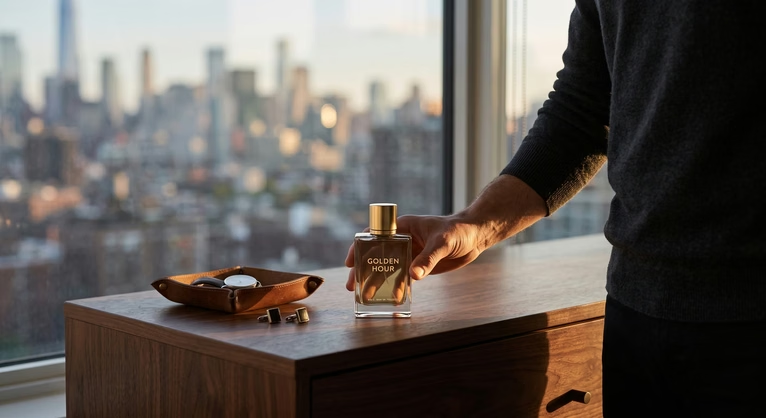
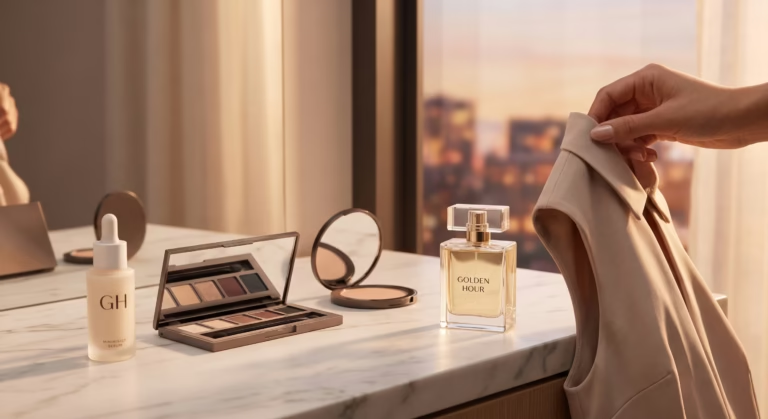
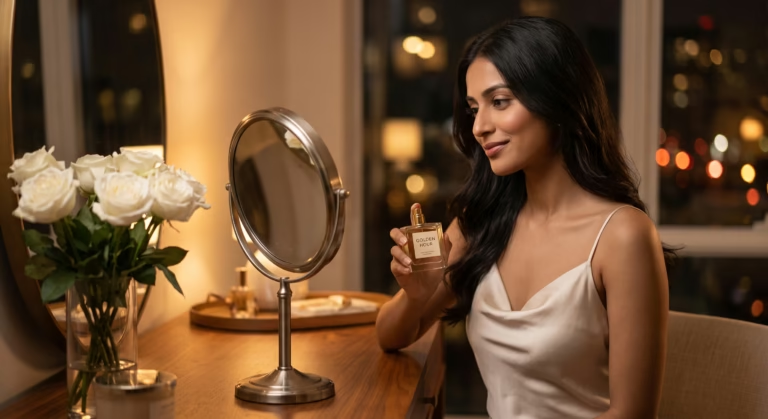
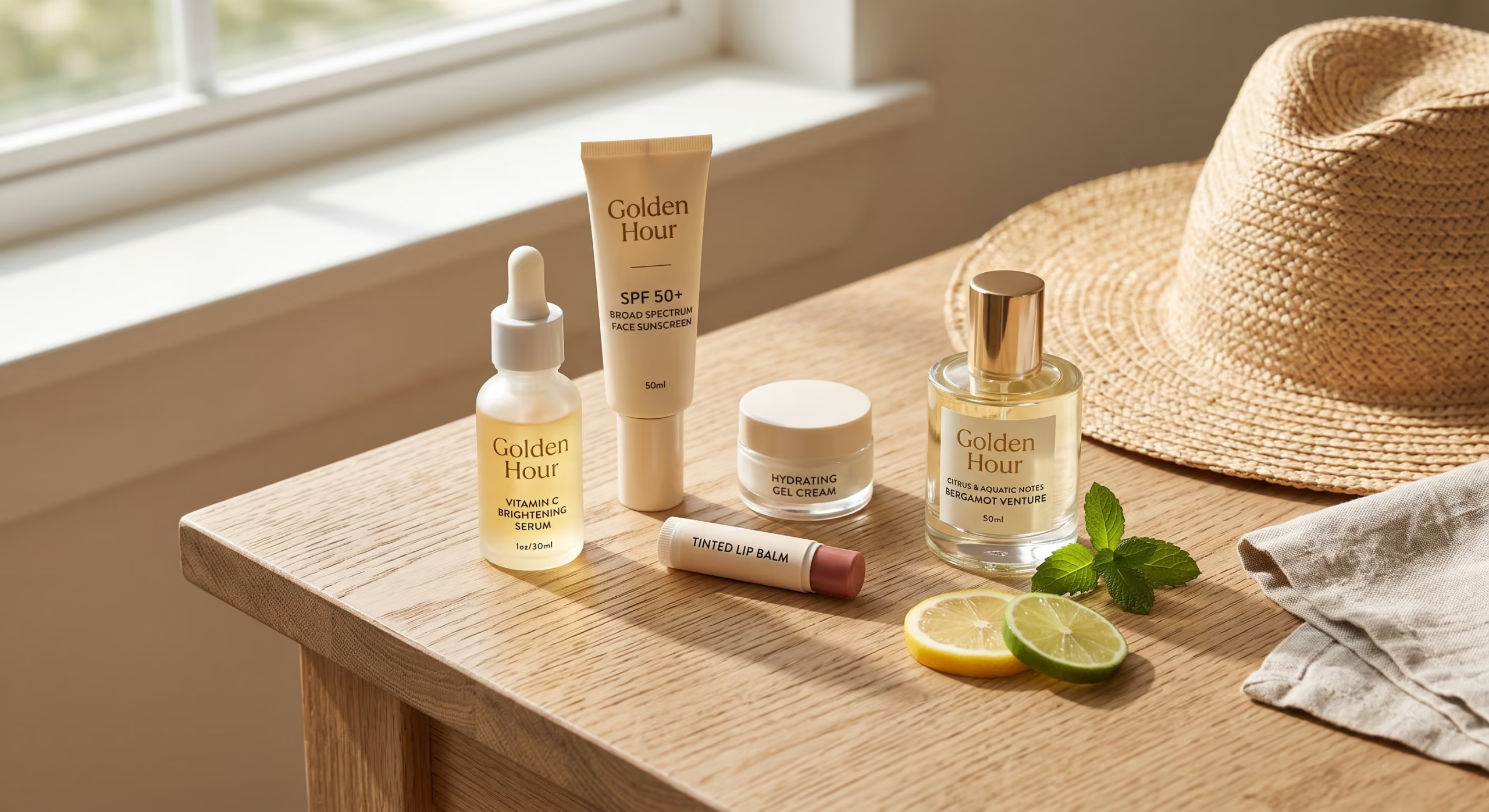
Heavy, resinous, or overly sweet gourmand fragrances that feel cozy in December can become cloying and overwhelming in July. When navigating the Golden Hour fragrance collection for summer, look toward lighter concentrations and fresher olfactive families.
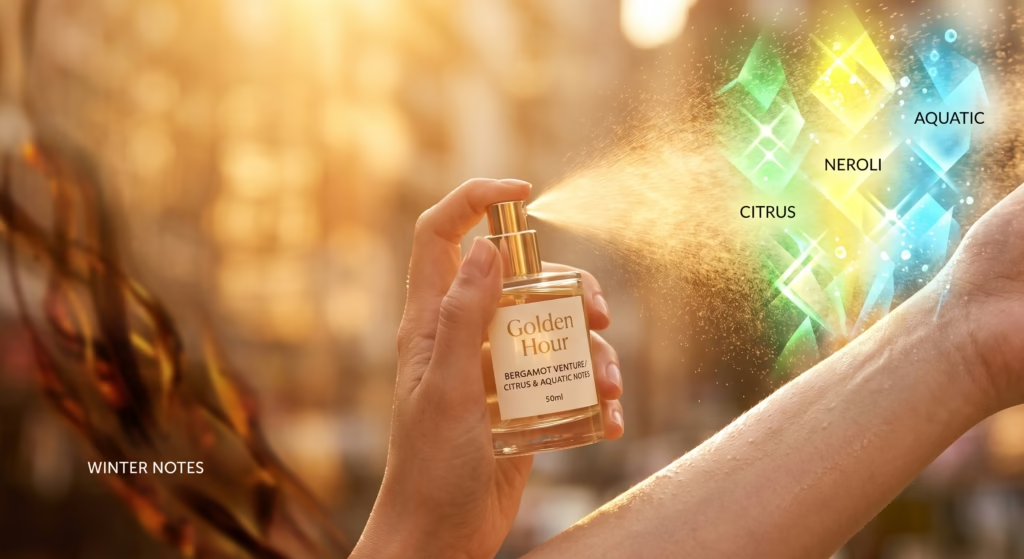
- Citrus and Aquatic Notes: Ingredients like bergamot, neroli, grapefruit, and marine accords thrive in the heat. They provide a cooling, refreshing aura that cuts through humidity.
- Green and Herbal Accords: Notes of basil, mint, fig leaf, and vetiver offer a crisp, revitalizing profile that feels incredibly elegant during the warmer months.
- Eau de Toilette vs. Eau de Parfum: Consider switching to an Eau de Toilette (EDT) or a hair mist for daytime wear. They have a lower concentration of fragrance oils, resulting in a lighter, more diffused scent trail.
Application Tips for Heat
Because sweat can break down fragrance rapidly, avoid applying perfume exclusively to the neck and chest. Instead, mist fragrance onto your hair or onto your clothing (test a small area first to ensure it won’t stain), as these materials hold scent longer than heated skin.
Summer Hair and Body Care
The focus of summer beauty extends far beyond the face. Chlorine, saltwater, and constant UV exposure can wreak havoc on your hair and body.
Hair Protection
UV rays degrade the protein structure of hair, leading to brittleness and color fading. Protect your scalp with a physical barrier like a hat, and use hair products formulated with UV filters. To combat the build-up of sweat, dry shampoo, and chlorine, incorporate a clarifying shampoo into your routine once a week, followed by a deep-conditioning mask to restore moisture.
Body Care Adjustments
The skin on your body requires the same strategic adjustments as your face. Swap heavy body butters for lightweight body lotions, milks, or dry oils that absorb instantly. Most importantly, apply a dedicated body sunscreen generously to any exposed skin before leaving the house, paying special attention to the shoulders, chest, and tops of the feet.
Morning vs. Evening Summer Beauty Routines
Structuring your routine correctly ensures maximum protection during the day and optimal recovery at night.
Morning Routine (Focus: Protection & Prevention)
- Gentle Cleanse: Remove overnight sebum with a water-based gel cleanser.
- Antioxidant Serum: Apply a Vitamin C serum to damp skin to neutralize free radicals.
- Lightweight Moisturizer: Use a water-based gel cream (optional if your SPF is moisturizing enough).
- Sunscreen: Apply a generous layer of broad-spectrum SPF 30+.
- Lightweight Makeup & Fresh Fragrance: Apply skin tints and a spritz of a citrus or aquatic scent.
Evening Routine (Focus: Cleansing & Repair)
- Double Cleanse: Use an oil-based balm followed by a gentle gel cleanser.
- Gentle Exfoliation (2-3x a week): Use a chemical exfoliant (like a mild AHA or BHA) to clear pores of sweat and SPF residue.
- Hydrating Serum: Replenish lost water with a hyaluronic acid or glycerin serum.
- Barrier Support: Apply a slightly more nourishing nighttime moisturizer featuring ceramides or niacinamide to repair the skin barrier.
Summer Beauty Mistakes to Avoid
Even with the best intentions, certain habits can compromise your summer beauty goals.
- Over-Exfoliating: Sweating often makes people feel “dirty,” leading to over-scrubbing. Over-exfoliating damages the skin barrier, increasing sensitivity to the sun and triggering more oil production. Stick to gentle, chemical exfoliation a few times a week.
- Skipping Moisturizer: Oily skin still needs hydration. Skipping moisturizer causes the skin to compensate by producing more sebum, worsening the problem you are trying to avoid.
- Ignoring the Lips and Eyes: The skin on the lips and around the eyes is incredibly thin and vulnerable to sun damage. Always use a lip balm with SPF and wear UV-protective sunglasses.
- Applying Perfume to Sun-Exposed Skin: Some fragrance ingredients (particularly natural citrus oils) can cause photosensitivity, leading to a reaction called Berloque dermatitis when exposed to sunlight, resulting in hyperpigmentation. Spray fragrance on clothing or areas protected from direct sun.
Travel-Friendly Summer Beauty Tips
Whether you are packing for a weekend away or a long holiday, streamlined packing is essential. Opt for multi-use products, such as a lip and cheek tint, which saves space and creates a cohesive, monochromatic makeup look. Solid perfumes are excellent travel companions they bypass liquid restrictions, won’t leak in your bag, and allow for discreet touch-ups on the go. Finally, decant your essential skincare into TSA-approved, leak-proof containers rather than relying on hotel amenities, which can disrupt a carefully balanced routine.
Navigating summer beauty is ultimately about listening to your environment and making thoughtful, edited choices. By prioritizing rigorous sun protection, transitioning to weightless hydration, embracing breathable makeup, and curating a wardrobe of fresh, heat-compatible fragrances, you can maintain a resilient, glowing aesthetic throughout the warmest months of the year. When you tailor your routine to support rather than fight the climate, the result is effortless, enduring beauty that lasts long after the sun goes down.
Summer Beauty Frequently Asked Questions
Do I still need to use moisturizer in the summer?
Yes. Heat and sun exposure can deplete the skin’s water content. If you skip moisturizer, your skin may overproduce oil to compensate for the dehydration. Switch to a lightweight, oil-free, or gel-based moisturizer containing humectants like hyaluronic acid.
How can I stop my makeup from melting in the heat?
To prevent makeup from melting, start with a gripping, sweat-resistant primer. Swap heavy foundations for lightweight skin tints, use cream-based blushes instead of powders, and lock your makeup in place with a high-performance, water-resistant setting spray rather than heavy setting powder.
How often should I reapply sunscreen over makeup?
Sunscreen should be reapplied every two hours when outdoors. To reapply over makeup without ruining it, use a broad-spectrum SPF setting spray, a mineral SPF powder applied with a brush, or gently press a sunscreen fluid into the skin using a makeup sponge.
Why does my perfume fade so quickly in the summer?
Heat increases the evaporation rate of the alcohol and volatile oils in your fragrance. The top notes (like citrus and florals) burn off rapidly in high temperatures. To improve longevity, apply perfume to your clothing or hair, or layer it over a matching unscented body lotion.
What is the best way to clean my face after a sweaty day?
A double-cleansing method is the most effective approach. Start with an oil cleanser or cleansing balm to break down water-resistant sunscreen, makeup, and trapped sebum. Rinse, then follow with a gentle, water-based gel cleanser to thoroughly clean the pores without stripping the skin.
Can I use Retinol or Vitamin C during the summer?
Yes, but with precautions. Vitamin C is excellent for daytime use as it provides antioxidant protection against UV damage. Retinol can increase sun sensitivity, so it should only be used at night. If you use retinol, rigorous daily SPF application is absolutely mandatory.
What is the difference between dry heat and humid heat for skincare?
In humid heat, sweat does not evaporate easily, leading to clogged pores; focus on lightweight, non-comedogenic products and thorough cleansing. In dry heat, the air pulls moisture from the skin; focus on deep hydration with humectants and layering a light occlusive to prevent water loss.
Are cream blushes better than powder blushes for hot weather?
Generally, yes. Powder products can mix with sweat and natural skin oils to look cakey or streaky. Cream blushes melt into the skin and move with it, providing a more natural, seamless finish that tends to fade more evenly in the heat.